Side-by-Side Cognitive Profile
The Cosmic Pet Pet IQ Lab employs a comprehensive five-dimensional framework to assess canine intelligence, moving beyond single-score rankings to reveal the nuanced cognitive landscape of each breed. Comparing the Greater Swiss Mountain Dog and the Keeshond through this lens illuminates distinct mental aptitudes that shape their behavior and trainability.
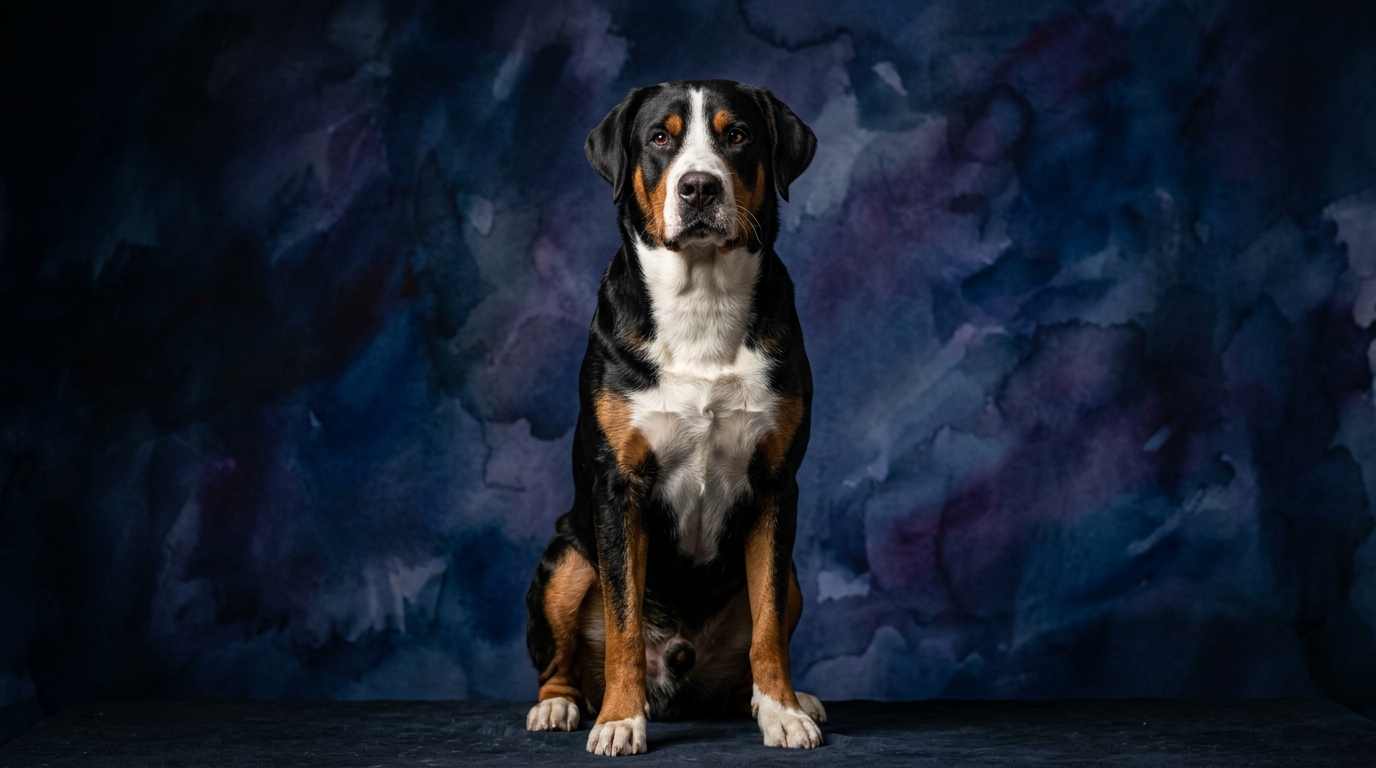
For the Greater Swiss Mountain Dog, their cognitive profile reflects a steady, practical mind. They score 3/5 in Problem Solving, indicating a capacity to learn and apply solutions, though they may not always devise the most inventive approaches independently. Their Training Speed is also 3/5, suggesting they learn new commands with consistent effort and positive reinforcement, requiring a patient trainer. Social Intelligence sits at 3/5, meaning they are adept at reading family cues and integrating into household dynamics with a calm, loyal demeanor. Instinctive Drive, at 3/5, reflects their heritage as working dogs, possessing a moderate inclination for purposeful tasks like guarding or pulling. Finally, their Memory, also 3/5, means they retain information adequately, benefiting from regular practice to solidify learned behaviors.
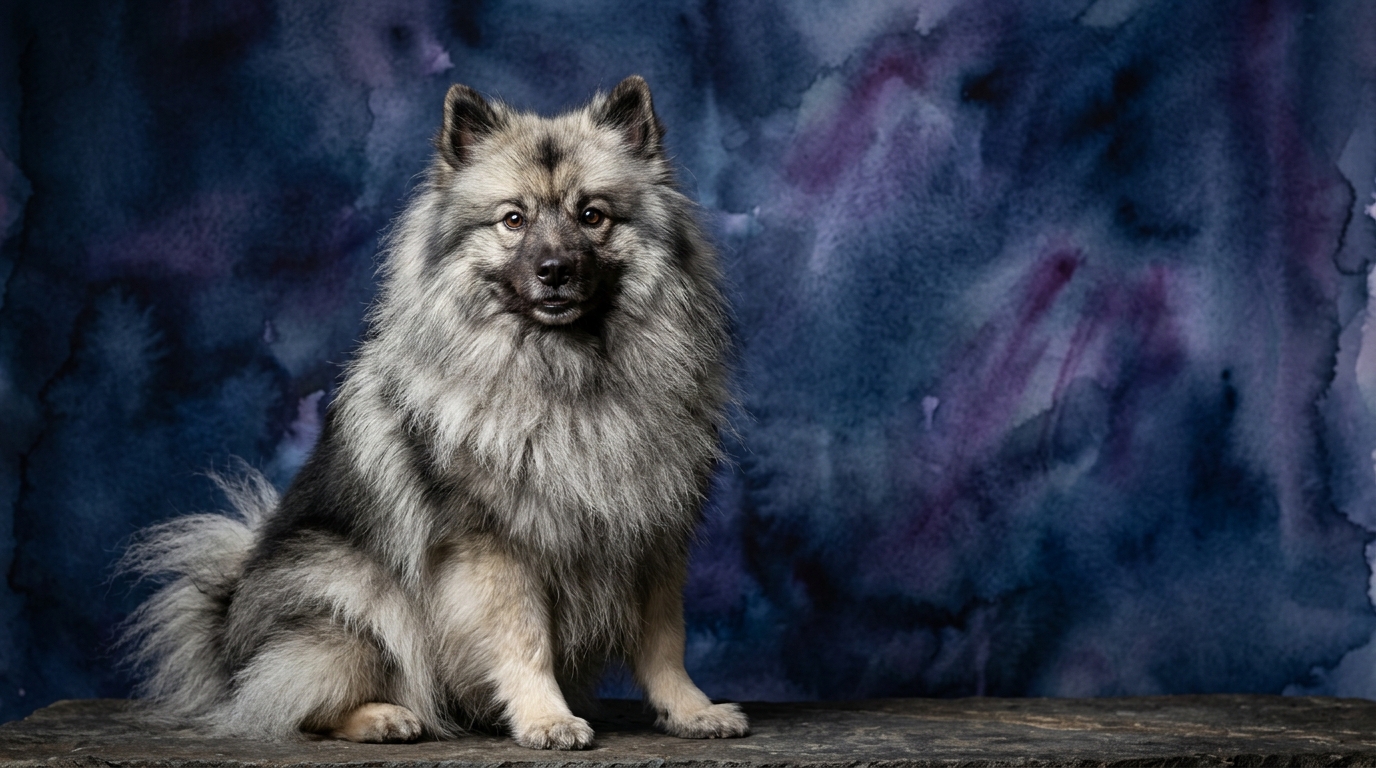
In contrast, the Keeshond presents a profile geared more towards quick learning and retention. They achieve a 4/5 in Problem Solving, showcasing a greater propensity for independent thought and creative solutions when faced with novel challenges. Their Training Speed is equally impressive at 4/5, indicating a breed that grasps new concepts rapidly and enjoys engaging in mental exercises. Like the Greater Swiss, their Social Intelligence is 3/5, signifying a strong ability to bond with their human family and understand social structures within the home, often expressing a cheerful and outgoing personality. Instinctive Drive is rated 3/5, manifesting as a desire to participate and "alert" to their surroundings rather than heavy physical work. A standout trait for the Keeshond is their Memory, earning a perfect 5/5, suggesting an exceptional ability to recall lessons, people, and experiences over extended periods.
Where the Greater Swiss Mountain Dog Wins Cognitively
While the Keeshond excels in several areas, the Greater Swiss Mountain Dog holds its own with a cognitive profile built for reliability and practical application, particularly in roles demanding physical presence and measured responses. Their 3/5 rating in Instinctive Drive, while matching the Keeshond, is often channeled into more physically demanding, purposeful work such as carting or livestock guarding, reflecting a cognitive preference for structured, tangible tasks. This drive, combined with their steady problem-solving approach, means they are less likely to overthink or become overly stimulated by minor changes, instead applying a consistent, robust mental effort to established routines. For tasks requiring sustained, predictable effort rather than quick, novel solutions, the Greater Swiss's grounded cognitive style proves advantageous. Their moderate training speed suggests they absorb information steadily, leading to deeply ingrained and reliable behaviors once mastered, rather than fleeting quick-learns.
Where the Keeshond Wins Cognitively
The Keeshond's cognitive strengths shine brightest in areas requiring mental agility and exceptional recall. Their superior 4/5 Problem Solving score means they are often quicker to adapt to new situations or figure out how to circumvent obstacles, sometimes with a playful, inventive streak. This makes them adept at navigating complex environments or learning multi-step tricks. The Keeshond's 4/5 Training Speed indicates a dog that picks up commands and routines with impressive alacrity, often eager to please and respond to cues, making training sessions engaging and productive. The most significant cognitive advantage lies in their perfect 5/5 Memory. This exceptional retention means they not only learn rapidly but also remember lessons, boundaries, and even specific interactions over long durations, requiring less frequent refreshers for learned behaviors and enabling them to build a vast repertoire of understood commands and experiences. This keen memory also contributes to their adaptability and consistent social interactions.
Training Ease: Greater Swiss Mountain Dog vs. Keeshond
Based on their respective IQ profiles, the Keeshond is generally considered easier to train than the Greater Swiss Mountain Dog. The Keeshond's 4/5 Training Speed means they grasp new concepts with notable quickness, often requiring fewer repetitions to solidify a command. This is further amplified by their 5/5 Memory, ensuring that once a lesson is learned, it is retained for a long time, leading to a highly responsive and reliable trainee. Their 4/5 Problem Solving also allows them to generalize commands to new situations more readily and troubleshoot minor training challenges independently. For example, a Keeshond might figure out how to open a simple gate after a few demonstrations, or quickly associate a new hand signal with a verbal cue.
In contrast, the Greater Swiss Mountain Dog, with a 3/5 in both Training Speed and Memory, requires a more consistent and patient approach. They will learn, but at a more deliberate pace, and may need more frequent refreshers to ensure long-term retention of commands. Their 3/5 Problem Solving means they prefer established routines and might take longer to adapt if training methods change or if they encounter novel distractions. For instance, teaching a Greater Swiss a complex multi-step agility sequence might take more sessions and repetitions compared to a Keeshond, and they might be less inclined to creatively solve a minor obstacle in the sequence without direct guidance. While both breeds respond well to positive reinforcement, the Keeshond's cognitive makeup makes the training journey feel more fluid and less demanding of constant reinforcement from the owner.
Suitability for Active vs. Relaxed Owners
When considering activity levels, both breeds have distinct needs, but their cognitive profiles offer insight into how they engage with an owner's lifestyle. The Greater Swiss Mountain Dog, despite its working heritage and 3/5 Instinctive Drive, often suits owners who appreciate a steady, calm companion after their foundational exercise needs are met. While they require regular exercise – daily walks, opportunities to explore, and perhaps a job like carting or hiking – they are not typically high-strung once adequately stimulated. Their 3/5 Problem Solving and Memory suggest they thrive on routine and predictable activities, making them a good fit for active owners who enjoy structured outdoor adventures but also appreciate a relaxed, steadfast presence indoors. They are less likely to seek out constant mental stimulation if their physical needs are met and routine is established, making them suitable for active owners who also value downtime.
The Keeshond, with its higher Problem Solving (4/5) and exceptional Memory (5/5), often requires more consistent mental engagement, even if their physical exercise needs can be slightly less demanding than a working breed of similar size. Their moderate 3/5 Instinctive Drive translates into a desire to be involved and 'alert,' meaning they benefit from regular interaction, puzzle toys, and learning new tricks to keep their minds occupied. A relaxed owner who isn't prepared to offer daily mental challenges might find a Keeshond becoming bored or creating their own entertainment, which could manifest as excessive barking or exploring forbidden areas. Therefore, Keeshonds are better suited for active owners who enjoy engaging their dog in training games, obedience classes, or interactive play, ensuring their sharp minds are consistently stimulated. While they enjoy physical activity, their primary need for engagement often comes from their cognitive capabilities.
The Verdict
Choose a Greater Swiss Mountain Dog if you appreciate a steadfast companion with a practical, deliberate approach to learning and life, and if you are prepared for consistent, patient training to establish reliable behaviors. They excel with owners who value a calm, robust presence, enjoy structured outdoor activities, and can provide a clear routine.
Choose a Keeshond if you are seeking a quick-witted, highly trainable companion who thrives on mental engagement and complex learning, and if you can commit to providing regular opportunities for intellectual stimulation. They are ideal for active owners who enjoy interactive training, puzzle-solving, and a dog with a remarkable memory.
🧠 Find Your Pet's IQ Score
Our Pet IQ Lab assessment covers 25+ tests across 5 cognitive dimensions — personalized to your breed.
Take the Full IQ Test →Frequently Asked Questions
Is a Greater Swiss Mountain Dog difficult to train?
No, a Greater Swiss Mountain Dog is not difficult to train, but they require consistency and patience due to their moderate training speed and memory. They learn best with clear, positive reinforcement and thrive on routine, making progress steadily rather than rapidly.
Do Keeshonds bark a lot because of their intelligence?
Keeshonds can be vocal, often using their voice to 'alert' to new sights or sounds, which is tied to their instinctive drive. While their problem-solving and memory can contribute to understanding their environment, their vocal nature is more a characteristic of their breed's historical role as watchdogs and companions.
Which breed is better for first-time dog owners based on IQ?
For first-time dog owners, the Keeshond might present a slightly easier training experience due to their quicker learning speed and exceptional memory, making it simpler to establish commands and routines. However, their need for consistent mental stimulation requires an owner dedicated to engagement. The Greater Swiss Mountain Dog is also a good choice for patient first-time owners who can commit to consistent training and appreciate a more deliberate learner.