Side-by-Side Cognitive Profiles: Decoding the Nuances of 3/5
The Cosmic Pet Pet IQ Lab provides a unique framework for understanding canine cognition, and interestingly, both the Greater Swiss Mountain Dog (GSMD) and the Nova Scotia Duck Tolling Retriever (NSDTR) register a consistent 3/5 across all five measured dimensions: Problem Solving, Training Speed, Social Intelligence, Instinctive Drive, and Memory. While these identical scores might suggest comparable cognitive abilities at first glance, a deeper dive reveals how each breed applies these aptitudes distinctly, influenced by their centuries of selective breeding for specific tasks.
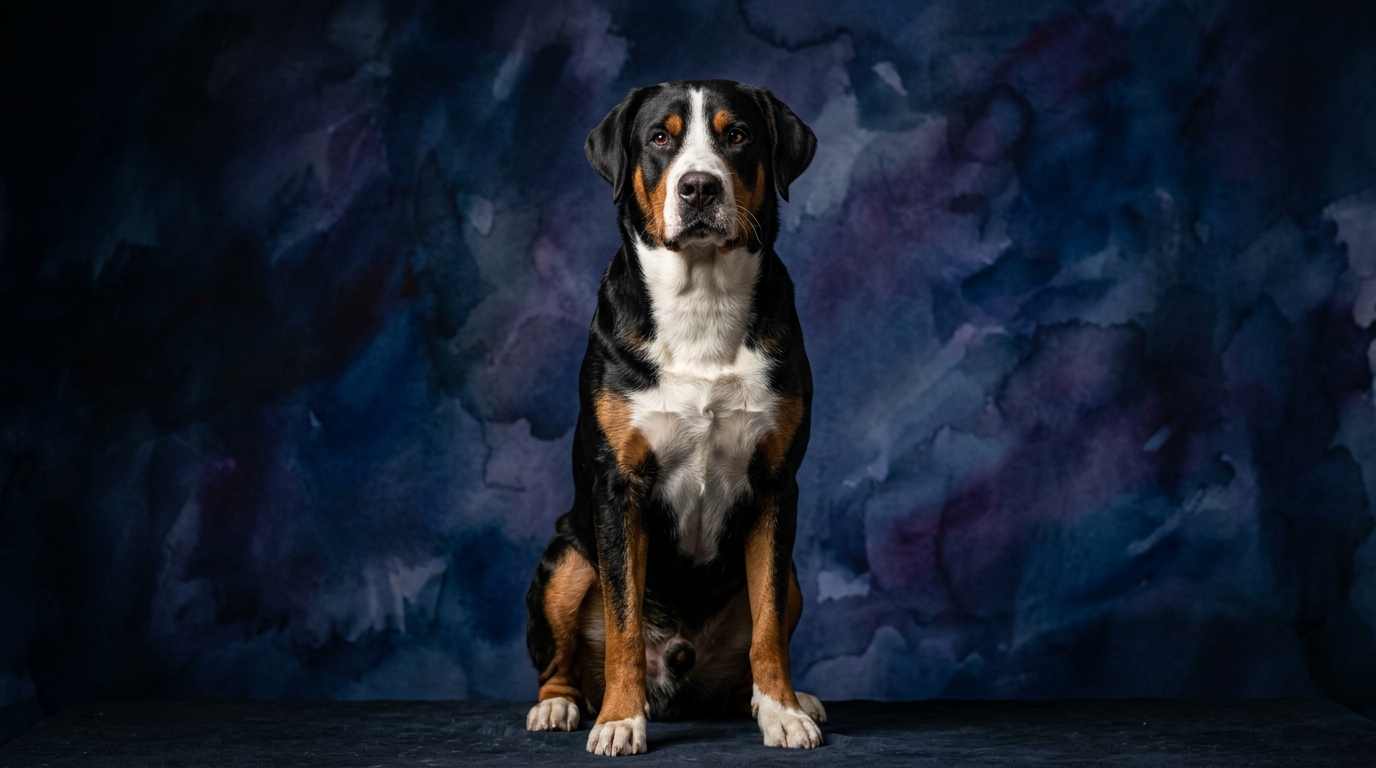
For the Greater Swiss Mountain Dog, a robust working dog from the Swiss Alps, their 3/5 in Problem Solving manifests as a thoughtful, deliberate approach to physical challenges. They are capable of understanding complex sequences, such as navigating a cart through varied terrain or discerning which livestock needs attention, but they often prefer established routines and might take their time to assess novel situations. Their Training Speed, also 3/5, reflects a need for consistent, patient instruction; they aren't the quickest to pick up every new trick, but once a task's purpose is clear and learned, they retain it exceptionally well. Their Social Intelligence (3/5) points to a discerning nature; they are deeply bonded with their family unit, understanding subtle cues and emotional states, but can be reserved or watchful with strangers, embodying a protective instinct. The 3/5 Instinctive Drive for a Swissy is rooted in their heritage as farm dogs, encompassing a strong desire for purpose, hauling, guarding, and being a steadfast companion. Finally, their 3/5 Memory means they reliably recall routines, commands, and experiences, contributing to their dependable nature.
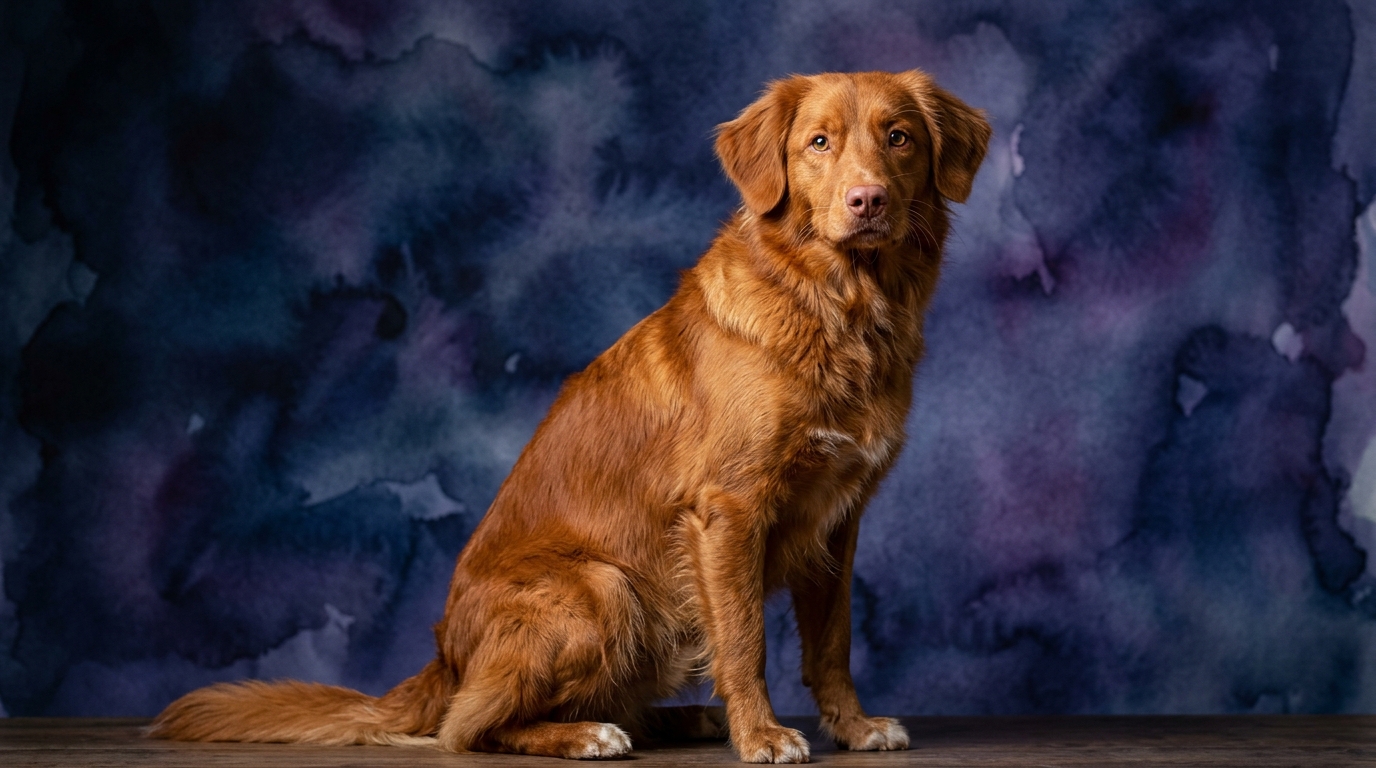
In contrast, the Nova Scotia Duck Tolling Retriever, a vibrant sporting dog bred to lure and retrieve waterfowl, expresses its 3/5 scores with a different flair. Their Problem Solving (3/5) is characterized by resourcefulness and ingenuity, particularly when it comes to achieving a goal like retrieving an object or navigating obstacles in a dynamic environment, often described as a 'cunning' intelligence focused on practical, immediate outcomes. Their Training Speed (3/5), while numerically the same as the Swissy, is often perceived as quicker due to their intense eagerness to work and high motivation for engagement, especially in tasks involving retrieving or play; they can, however, get bored with repetition and seek novel approaches. Social Intelligence (3/5) for a Toller involves a keen attunement to their handler's intentions and moods, combined with an often outgoing, yet sometimes reserved with strangers, demeanor that is focused on their working partnership. Their 3/5 Instinctive Drive is overwhelmingly directed towards retrieving, water work, and the unique 'tolling' behavior, which requires a specific, intense focus and sustained engagement. Their 3/5 Memory is excellent for complex sequences, scent trails, and spatial awareness, crucial for their hunting role.
Where the Greater Swiss Mountain Dog Excels Cognitively
The Greater Swiss Mountain Dog's cognitive strengths lie in areas demanding deliberation, physical presence, and a calm, steadfast understanding of their environment and family. Their 3/5 problem-solving is exceptionally suited to tasks requiring sustained effort and a methodical approach, such as learning to pull a cart efficiently, maneuvering through gates, or understanding the layout of a property for guarding. They excel at 'thinking through' physical challenges rather than reacting impulsively. This breed's 3/5 social intelligence shines in its ability to be a discerning family member; they keenly observe household dynamics, often acting as a calm, watchful presence, understanding who belongs and who is an outsider. Their memory (3/5) for routines and responsibilities makes them highly reliable in a structured home or farm setting, rarely forgetting a boundary or a learned command, especially when it contributes to their sense of purpose and belonging. They are masters of consistent, purposeful engagement rather than rapid, varied stimulation.
Where the Nova Scotia Duck Tolling Retriever Shines Cognitively
The Nova Scotia Duck Tolling Retriever's cognitive prowess is evident in its agility, resourcefulness, and intense, focused drive. Their 3/5 problem-solving is particularly adept at dynamic, often water-based, challenges, requiring quick decisions and adaptability – whether it's navigating currents to retrieve a decoy or figuring out how to get a toy from a tricky spot. This breed’s 3/5 training speed, while numerically shared, feels faster in practice due to their inherent enthusiasm and eagerness to engage in tasks, especially those that mimic their natural retrieving and luring behaviors. They are motivated by interaction and achieving a goal, making them quick studies when the activity is engaging. Their 3/5 instinctive drive, specifically for retrieving and 'tolling,' is a highly refined cognitive trait that allows them to perform complex, repetitive tasks with unwavering focus and excitement. Tollers excel in scenarios demanding rapid processing, sustained engagement, and a keen ability to adapt to changing conditions to achieve a specific, often object-oriented, outcome.
Training Dynamics: GSMD's Steadiness vs. Toller's Zest
When considering training, both breeds score 3/5 for Training Speed, yet their behavioral expressions of this score are quite distinct. The Greater Swiss Mountain Dog, with its working group heritage, requires a patient, consistent handler. Their deliberate nature means they process commands thoroughly and may not offer an immediate, lightning-fast response. They respond best to positive reinforcement and clear, fair expectations, often needing to understand the 'why' behind a command. A Swissy might appear stubborn if rushed or if they don't perceive a clear purpose, but their 3/5 memory ensures that once a command is truly learned, it sticks. They thrive with a handler who acts as a calm, confident leader, guiding them through a structured learning process.
The Nova Scotia Duck Tolling Retriever, while also 3/5 in Training Speed, often appears to learn more quickly due to their high energy and zest for engagement. They are eager participants, especially in activities involving retrieving, play, or problem-solving that leads to a reward. However, their 3/5 problem-solving and instinctive drive can also manifest as 'cleverness'; a Toller might try to find shortcuts or offer alternative behaviors if bored or if the training isn't stimulating enough. They require varied, engaging training sessions to maintain focus and prevent them from becoming self-employed. Their excellent 3/5 memory for sequences makes them capable of advanced training, but handlers must keep them mentally stimulated to channel their enthusiasm productively. While the Swissy might be slow and steady, the Toller is keen and eager, both requiring tailored approaches despite their similar numerical ratings.
Lifestyle Compatibility: Active Engagers vs. Deliberate Companions
Choosing between these two breeds often comes down to matching their distinct cognitive and physical needs with an owner's lifestyle. The Nova Scotia Duck Tolling Retriever is an ideal match for active owners who relish outdoor adventures, particularly those involving water, hiking, or dog sports like agility, dock diving, or flyball. Their 3/5 instinctive drive and problem-solving abilities demand consistent mental and physical challenges; an under-stimulated Toller can become restless and prone to creating their own, potentially destructive, entertainment. They thrive with owners who can provide daily, engaging activities and appreciate a partner with a keen, energetic mind.
Conversely, the Greater Swiss Mountain Dog is better suited for owners seeking a steadfast, protective, and deliberate companion. While they certainly benefit from regular exercise and mental engagement, their needs are more about consistent, purposeful activity and being an integral part of family life rather than constant high-intensity exertion. Owners who appreciate a dog that thinks before it acts, values a calm, confident presence, and offers a deep, discerning loyalty will find a wonderful partner in the Swissy. Their 3/5 social intelligence and memory make them excellent family members who thrive on routine and clear expectations, making them a superb choice for those who value a thoughtful, grounded canine companion.
The Verdict
Choose the Greater Swiss Mountain Dog if you seek a steadfast, discerning companion who excels in tasks requiring thoughtful deliberation, physical presence, and a calm, protective demeanor within a consistent family routine.
Opt for the Nova Scotia Duck Tolling Retriever if you desire an energetic, resourceful partner keen on engaging in dynamic, often water-based, activities and thrives on intricate mental and physical challenges.
🧠 Find Your Pet's IQ Score
Our Pet IQ Lab assessment covers 25+ tests across 5 cognitive dimensions — personalized to your breed.
Take the Full IQ Test →Frequently Asked Questions
Are Greater Swiss Mountain Dogs difficult to train?
While their 3/5 training speed isn't the quickest, Greater Swiss Mountain Dogs respond well to consistent, patient methods and clear expectations. Their deliberate nature means they take time to process but retain information effectively once learned, requiring a handler who appreciates their thoughtful approach.
Do Nova Scotia Duck Tolling Retrievers need a lot of mental stimulation?
Absolutely. With a 3/5 rating in problem-solving and instinctive drive, Tollers require significant mental engagement to prevent boredom and destructive behaviors. They thrive on puzzles, training games, and tasks that tap into their natural retrieving and luring aptitudes.
Which breed is better with children?
Both breeds can be excellent with children when properly socialized and trained, but their approaches differ. The Greater Swiss Mountain Dog often displays a calm, protective presence, while the Nova Scotia Duck Tolling Retriever brings an energetic, playful spirit; supervision is key for both, especially given the Toller's exuberance.