Side-by-Side IQ Profile
The Cosmic Pet Pet IQ Lab assigns both the Greater Swiss Mountain Dog and the Petit Basset Griffon Vendéen a consistent 3 out of 5 across all five measured cognitive dimensions, suggesting a balanced, capable intellect within each breed, albeit expressed through vastly different temperaments and instincts. This uniform scoring invites a closer look at how these general ratings manifest in their everyday behaviors and learning styles.
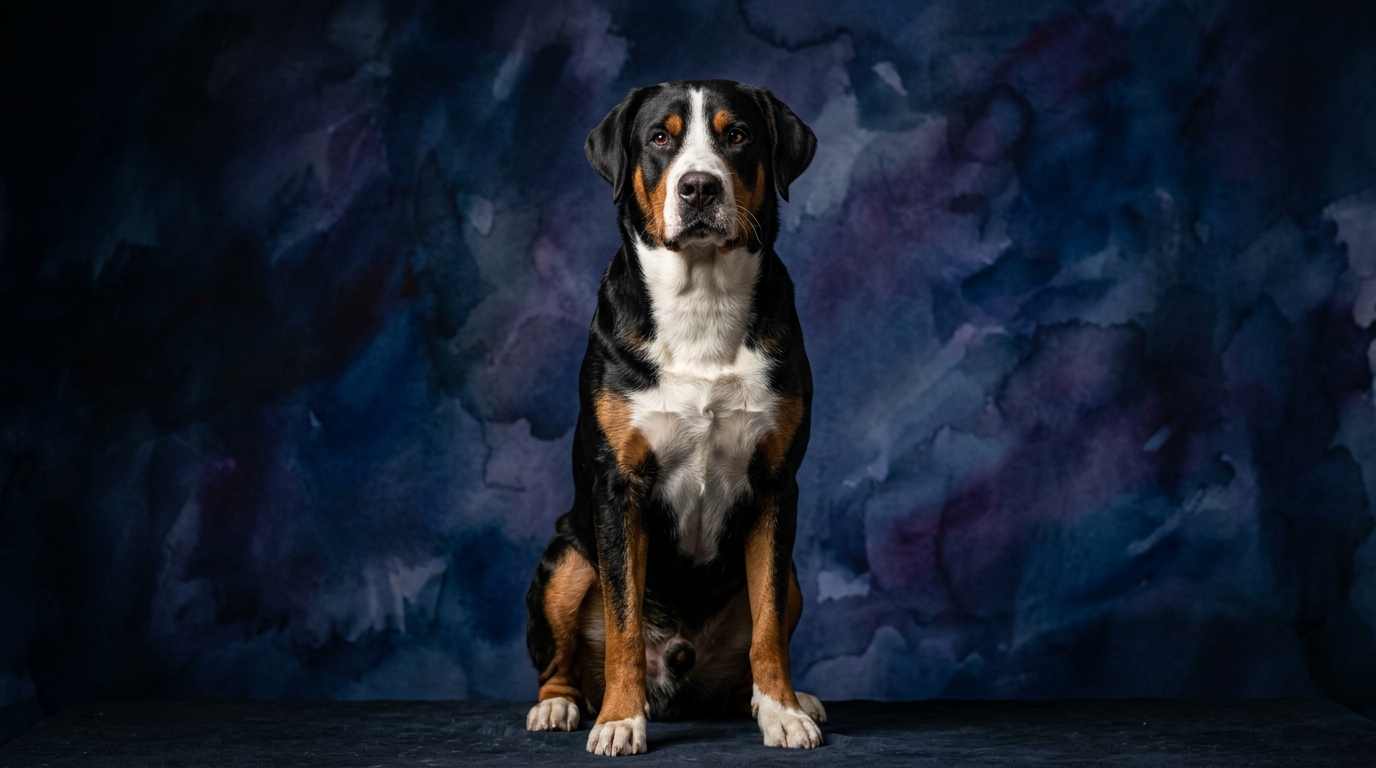
For the Greater Swiss Mountain Dog, a 'problem-solving' score of 3/5 indicates a steady, practical approach to challenges; they are not typically given to impulsive solutions but rather methodical engagement, often relying on their physical presence and strength to navigate obstacles. Their 'training speed' at 3/5 reflects a willingness to learn and respond to guidance, though their considerable size and independent thought require consistent, clear instruction to ensure compliance. 'Social intelligence' at 3/5 points to their capacity for strong family bonds and an awareness of their human companions' moods and routines, often manifesting as a dependable, watchful presence. Their 'instinctive drive' of 3/5 is rooted in their heritage of drafting, herding, and guarding, meaning they possess an inherent desire for purposeful activity and protection, which needs appropriate outlets. Finally, a 'memory' score of 3/5 suggests they retain learned commands and routines effectively, remembering past experiences and the individuals associated with them.
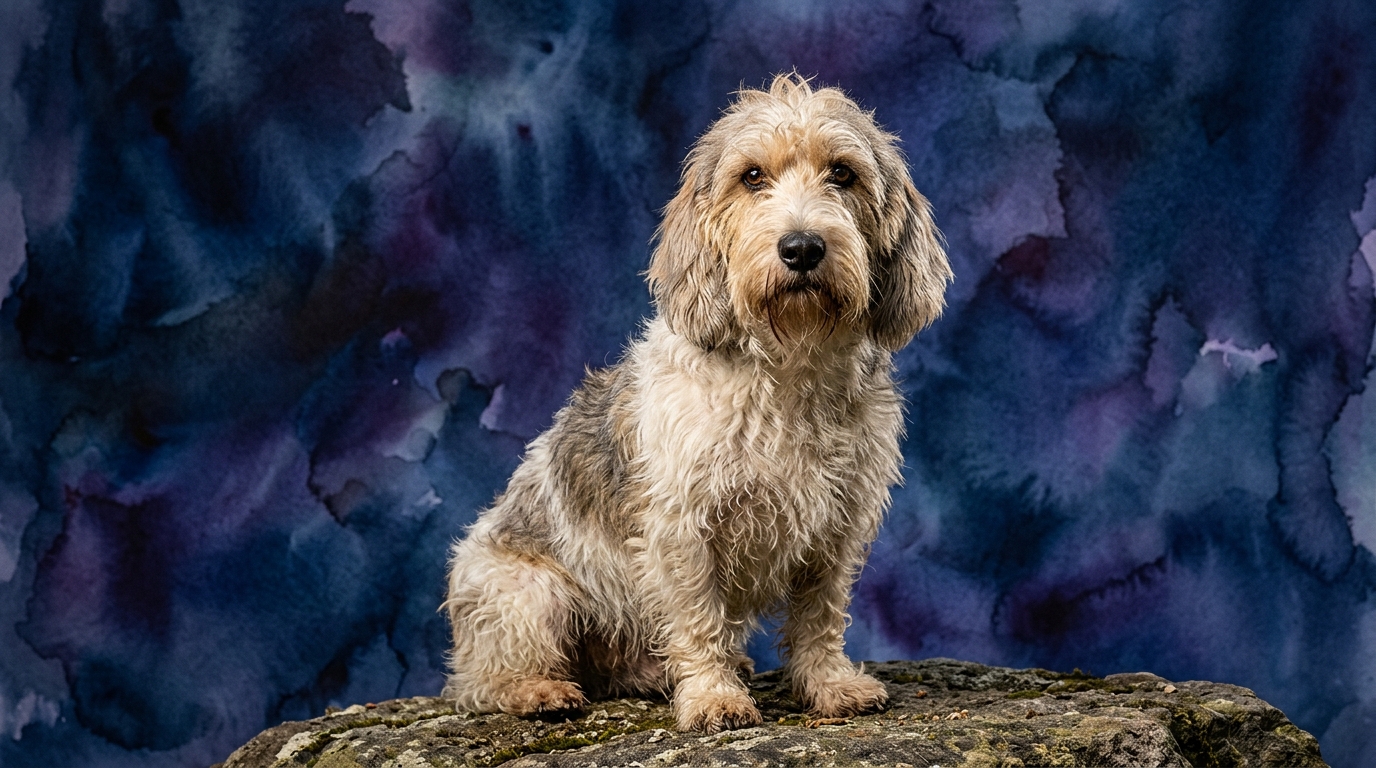
In contrast, the Petit Basset Griffon Vendéen's 'problem-solving' at 3/5 is frequently channeled through their primary sense: scent. They excel at deciphering complex scent trails, demonstrating a persistent, focused determination to achieve their olfactory goals, rather than abstract puzzle-solving. Their 'training speed' of 3/5 signifies they can grasp concepts and commands, but their lively, independent spirit and powerful scent distractions often mean training requires engaging, positive reinforcement to maintain their attention. 'Social intelligence' at 3/5 highlights their outgoing, cheerful disposition; they thrive on interaction with their human pack and often display an intuitive understanding of social cues within their immediate family. The PBGV's 'instinctive drive' of 3/5 is overwhelmingly dominated by their hound nature, an insatiable desire to track and explore the world through their nose, a drive that can override other considerations. Their 'memory' at 3/5 is particularly strong for scents, routes, and the routines that involve their beloved people or lead to exciting discoveries.
Where the Greater Swiss Mountain Dog Excels Cognitively
The Greater Swiss Mountain Dog's cognitive strengths are deeply intertwined with their working heritage, allowing them to excel in specific domains. Their 3/5 problem-solving score, while not indicative of abstract genius, translates into a reliable capacity for practical, real-world tasks. They possess a steady resolve that enables them to push through physical challenges, whether it’s pulling a cart or navigating varied terrain, demonstrating a robust persistence in achieving tangible goals.
Their social intelligence, rated 3/5, manifests as a profound loyalty and an intuitive understanding of family dynamics. Swissys are keenly aware of their human companions' presence and emotional states, often acting as a calm, reassuring anchor within the home. This awareness, combined with their instinctive drive (3/5) for protection, means they can be remarkably discerning guardians, capable of assessing situations and responding appropriately to perceived threats, without being overly reactive. They remember routines and expectations (memory 3/5) with consistency, making them predictable and dependable companions once trained.
Where the Petit Basset Griffon Vendéen Excels Cognitively
For the Petit Basset Griffon Vendéen, cognitive triumph lies in their specialized sensory world and their resilient spirit. Their 3/5 problem-solving ability is a masterclass in olfactory deduction; few breeds can match their tenacity and skill in following a scent trail, piecing together information from the environment through their nose with remarkable precision. This isn't about solving human puzzles, but rather about navigating a complex sensory landscape with unparalleled focus.
Their instinctive drive, a potent 3/5, is a gift for owners who appreciate a dog with purpose. This drive propels them forward with an infectious enthusiasm, making them excellent partners for scent work, tracking, or simply exploring the world. Furthermore, their social intelligence, also 3/5, shines in their ability to engage joyfully with their environment and their human companions. PBGVs possess a 'joie de vivre' that allows them to adapt cheerfully to various social settings, often charming everyone they meet with their bright, inquisitive nature and robust memory for pleasant interactions.
Which is Easier to Train and Why
Despite both breeds scoring 3/5 in training speed, the practical experience of training a Greater Swiss Mountain Dog versus a Petit Basset Griffon Vendéen presents distinct challenges and rewards rooted in their fundamental natures. The Greater Swiss Mountain Dog, with its working background, often possesses a strong desire to please its primary caregivers and respond to direction. Their size and strength necessitate early and consistent training to ensure they are well-mannered and manageable as adults, but their steady temperament means they typically learn and retain commands reliably, provided the instruction is clear and fair. Their 3/5 training speed translates to a dog that learns at a consistent pace, building on established routines and valuing structure.
Conversely, the Petit Basset Griffon Vendéen's 3/5 training speed is often tested by their independent hound spirit and overwhelming scent drive (3/5 instinctive drive). While they are capable of learning, their attention can be incredibly difficult to hold when an interesting smell presents itself. Training a PBGV requires immense patience, creativity, and highly rewarding methods to compete with the allure of the olfactory world. Their memory (3/5) is excellent for things that matter to them, like the location of treats or exciting smells, but this doesn't always translate into perfect recall when a captivating scent is discovered. Off-leash reliability, especially in unfenced areas, is a significant challenge for many PBGV owners due to their instinct to follow a trail relentlessly, making them generally harder to train for consistent obedience compared to the more biddable Swissy.
Suiting Active vs. Relaxed Owners
When considering owner lifestyles, both breeds require a level of engagement, but the nature of that engagement differs significantly. The Greater Swiss Mountain Dog, while not demanding constant high-intensity exercise, thrives with active owners who can provide consistent, structured physical activity and mental stimulation that taps into their working instincts. This might include long walks, hiking, carting, or other dog sports, coupled with ample family time. They are not suited for truly 'relaxed' owners who prefer minimal interaction, as their social intelligence (3/5) and need for purpose mean they require integration into family life and a role to play.
The Petit Basset Griffon Vendéen, despite its smaller stature, also requires active owners, though their activity is centered around exploration and scent. Owners must be prepared for daily walks where sniffing is encouraged, and ideally, opportunities for off-leash exploration in secure environments or participation in scent work and tracking sports. Their boundless curiosity and instinctive drive (3/5) mean they are not content to simply lounge; they need outlets for their energetic, inquisitive nature. For truly 'relaxed' owners who prefer a sedentary lifestyle, both breeds would likely prove challenging, but the PBGV's persistent, independent energy can be particularly surprising for those unprepared for a hound's zest for life.
The Verdict
If you seek a steadfast, protective, and physically capable family companion who will engage in structured activities and enjoys being an integral part of the family routine, provided you can manage a large, powerful dog with consistent guidance and training, the Greater Swiss Mountain Dog is an excellent choice. Their calm demeanor and dependable nature make them a rewarding presence in a home that appreciates their strength and loyalty.
However, if you delight in a vivacious, independent, and scent-driven companion, willing to engage in daily adventures and embrace a hound's persistent curiosity, especially if you appreciate a dog with a strong personality and a keen nose for discovery, then the Petit Basset Griffon Vendéen will bring immense joy. They thrive with owners who can channel their energetic spirit and provide ample opportunities for olfactory exploration, celebrating their unique zest for life.
🧠 Find Your Pet's IQ Score
Our Pet IQ Lab assessment covers 25+ tests across 5 cognitive dimensions — personalized to your breed.
Take the Full IQ Test →Frequently Asked Questions
Are Greater Swiss Mountain Dogs good with children?
Yes, with proper socialization and training, Greater Swiss Mountain Dogs can be patient and protective family members, though their significant size always warrants supervision around very young children to prevent accidental bumps. Their social intelligence (3/5) supports their capacity for strong family bonds and gentle interaction within their established pack.
How much exercise does a Petit Basset Griffon Vendéen need?
Despite their relatively small size, PBGVs require a fair amount of exercise, including daily walks and opportunities for off-leash exploration in secure areas where they can indulge their powerful scent drive. Without adequate mental and physical stimulation, particularly through sniffing and exploring, they can become restless and prone to mischief.
Do Greater Swiss Mountain Dogs shed a lot?
Greater Swiss Mountain Dogs have a dense double coat and do shed moderately year-round, with heavier shedding periods typically occurring during seasonal changes in spring and fall. Regular brushing helps manage loose hair, distribute natural oils, and maintain the overall health and appearance of their coat.