Side-by-Side Cognitive Profiles
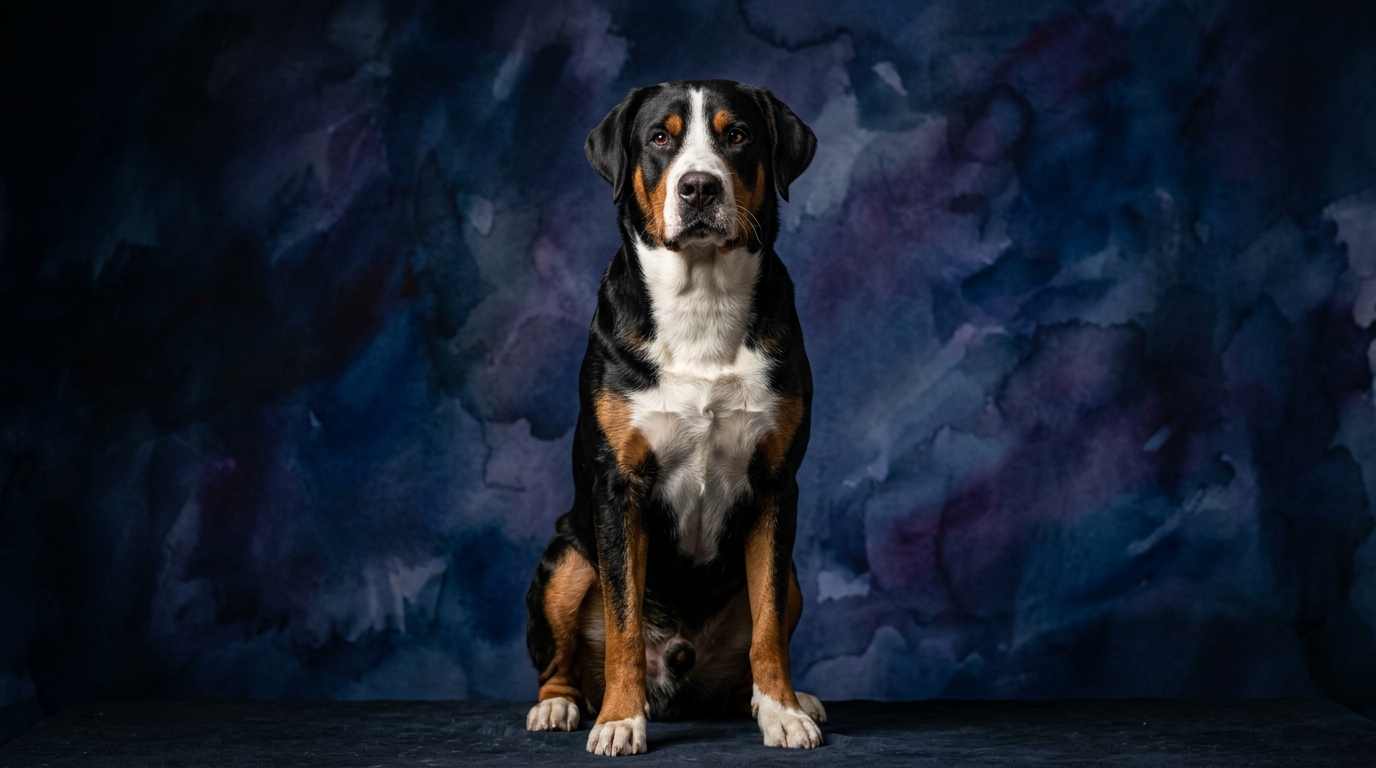
The Cosmic Pet Pet IQ Lab assesses canine intelligence across five distinct dimensions, offering a nuanced view beyond simple obedience. For the Greater Swiss Mountain Dog, we observe a balanced profile: problem Solving at 3/5, training Speed at 3/5, social Intelligence at 3/5, instinctive Drive at 3/5, and memory also at 3/5. This suggests a capable, steady learner who approaches challenges with deliberate thought rather than immediate, flashy solutions. Their cognitive architecture aligns with their heritage as robust, reliable farm dogs.
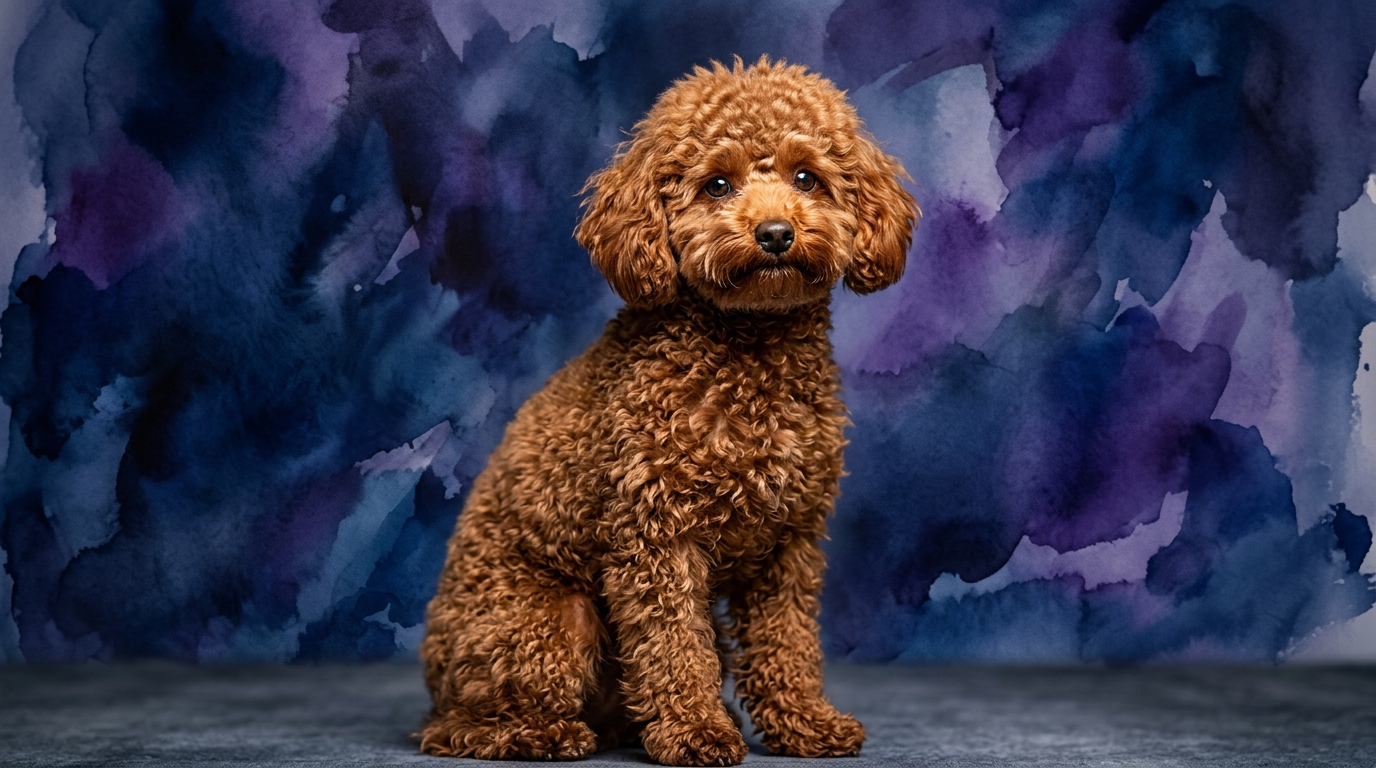
In stark contrast, the Toy Poodle presents a profile indicative of exceptional cognitive agility: problem Solving soars at 5/5, training Speed is equally impressive at 5/5, social Intelligence stands at 3/5, instinctive Drive at 3/5, and memory reaches a remarkable 5/5. This breed’s mental prowess is evident across multiple domains, highlighting a quick-thinking, highly retentive, and adaptable companion. Their Coren rank of #2 further underscores their reputation for rapid learning and sophisticated understanding.
Where the Greater Swiss Mountain Dog Excels Cognitively
While the Toy Poodle may exhibit faster processing, the Greater Swiss Mountain Dog's cognitive strengths lie in its steadfastness and practical application of moderate intelligence, especially concerning its working heritage. Its 3/5 scores across the board indicate a consistent, reliable level of understanding and capability. For tasks requiring sustained effort and a methodical approach, such as carting or livestock guarding where physical presence and steady decision-making are paramount, the Swissy's balanced problem-solving and instinctive drive shine. They are not easily flustered by novel situations, preferring to assess and react with measured deliberation.
The Swissy’s 3/5 social intelligence, combined with its protective instincts, translates into a discerning and loyal family member. They form deep bonds and are acutely aware of their family unit, making them excellent guardians who understand social cues within their trusted circle, even if they aren't as overtly people-pleasing as some other breeds. Their memory at 3/5 means they retain routines and learned behaviors effectively over time, contributing to their reliability in established roles without requiring constant refreshers, albeit taking longer to establish these initial patterns.
Where the Toy Poodle Demonstrates Cognitive Superiority
The Toy Poodle's cognitive profile is geared towards rapid acquisition, complex understanding, and exceptional adaptability. Their 5/5 problem-solving ability means they can quickly analyze new situations, devise novel solutions, and even manipulate their environment to achieve desired outcomes, making them adept at puzzle toys and navigating intricate spatial challenges. This quick mental processing allows them to learn complex sequences and understand abstract concepts with remarkable ease, often surprising owners with their ingenuity.
A training speed of 5/5 is a significant advantage, translating into fewer repetitions needed to grasp new commands and behaviors. This makes them highly responsive to shaping and chaining behaviors, excelling in dog sports like agility and obedience where precision and speed of execution are critical. Their 5/5 memory ensures that once a lesson is learned, it is retained, allowing for a vast repertoire of commands and tricks to be built over their lifetime, without significant decay. This combination of swift learning and strong retention makes them incredibly versatile and a joy to teach for those who enjoy engaging in advanced training.
Training Dynamics: Greater Swiss Mountain Dog vs. Toy Poodle
The ease of training is a prominent differentiator between these two breeds, primarily due to their disparate training Speed scores. The Toy Poodle, with its 5/5 training speed, is often described as a 'sponge,' absorbing new information and commands with minimal repetition. They are eager to engage in mental tasks and quickly connect actions with consequences, making positive reinforcement highly effective and training sessions often short, frequent, and rewarding for both dog and owner. Their quick understanding means they can progress rapidly through obedience levels and learn specialized tasks.
Conversely, the Greater Swiss Mountain Dog's 3/5 training speed indicates a more deliberate learning pace. While capable, they require more patience, consistency, and clear communication from their handler. They don't typically pick up new commands on the first few tries and may benefit from longer, more structured training sessions where concepts are thoroughly reinforced. Their training requires understanding their independent, sometimes stubborn, streak and motivating them through consistent positive reinforcement that appeals to their desire to work cooperatively rather than just for a quick treat. Owners should prepare for a longer, more gradual training journey, focusing on building strong foundational behaviors with unwavering consistency.
Matching Canine Cognition to Owner Lifestyles
The cognitive profiles of these breeds lend themselves to very different owner lifestyles. For active owners who appreciate a steadfast, robust companion and are prepared for a moderate but consistent training commitment, the Greater Swiss Mountain Dog is an excellent choice. Their moderate instinctive drive and problem-solving skills make them suitable for activities like hiking, carting, or simply being a durable, reliable presence during outdoor adventures. They thrive with owners who provide clear leadership and appreciate a dog that thinks through situations rather than reacting impulsively, even if it takes a moment longer.
Relaxed owners or those seeking a highly adaptable, mentally agile companion for varied activities might find the Toy Poodle to be an ideal match. Their superior problem-solving and training speed mean they require significant mental stimulation, which can come from puzzle toys, advanced obedience, agility, or even learning complex tricks. While physically small, their minds are vast, making them suitable for urban living as long as their cognitive needs are met. They can adapt well to a more relaxed pace provided they receive consistent mental challenges, preventing boredom-driven behaviors.
The Verdict
Choose a Greater Swiss Mountain Dog if you value a loyal, steady companion with a practical, methodical approach to tasks and are committed to patient, consistent training for a dog that matures deliberately.
Opt for a Toy Poodle if you seek a highly adaptable, quick-witted canine partner eager for mental challenges, excelling in rapid learning, and capable of mastering a vast array of complex behaviors.
🧠 Find Your Pet's IQ Score
Our Pet IQ Lab assessment covers 25+ tests across 5 cognitive dimensions — personalized to your breed.
Take the Full IQ Test →Frequently Asked Questions
Do Greater Swiss Mountain Dogs need a lot of mental stimulation?
While not requiring the constant, intense mental challenges of a Toy Poodle, Greater Swiss Mountain Dogs do benefit from moderate mental stimulation. This can include consistent training, puzzle toys, and engaging in activities that leverage their moderate problem-solving and instinctive drives, such as scent work or carting, to keep them engaged and prevent boredom.
Can a Toy Poodle be a good choice for a first-time dog owner?
Yes, a Toy Poodle can be an excellent choice for a first-time dog owner due to their exceptional training speed and eagerness to learn. Their quick understanding makes them responsive to instruction, though new owners must be prepared to provide consistent mental stimulation to channel their considerable cognitive abilities positively and prevent boredom-related issues.
Are there any shared cognitive strengths between these two breeds?
Both breeds share a moderate social intelligence and instinctive drive score of 3/5, indicating they are capable of understanding social cues and possess inherent drives that can be channeled. While their approaches differ, both can form strong bonds and possess natural inclinations that can be leveraged effectively in various roles, from companionship to specific tasks.