Side-by-Side IQ Profile: Greater Swiss Mountain Dog vs. Treeing Walker Coonhound
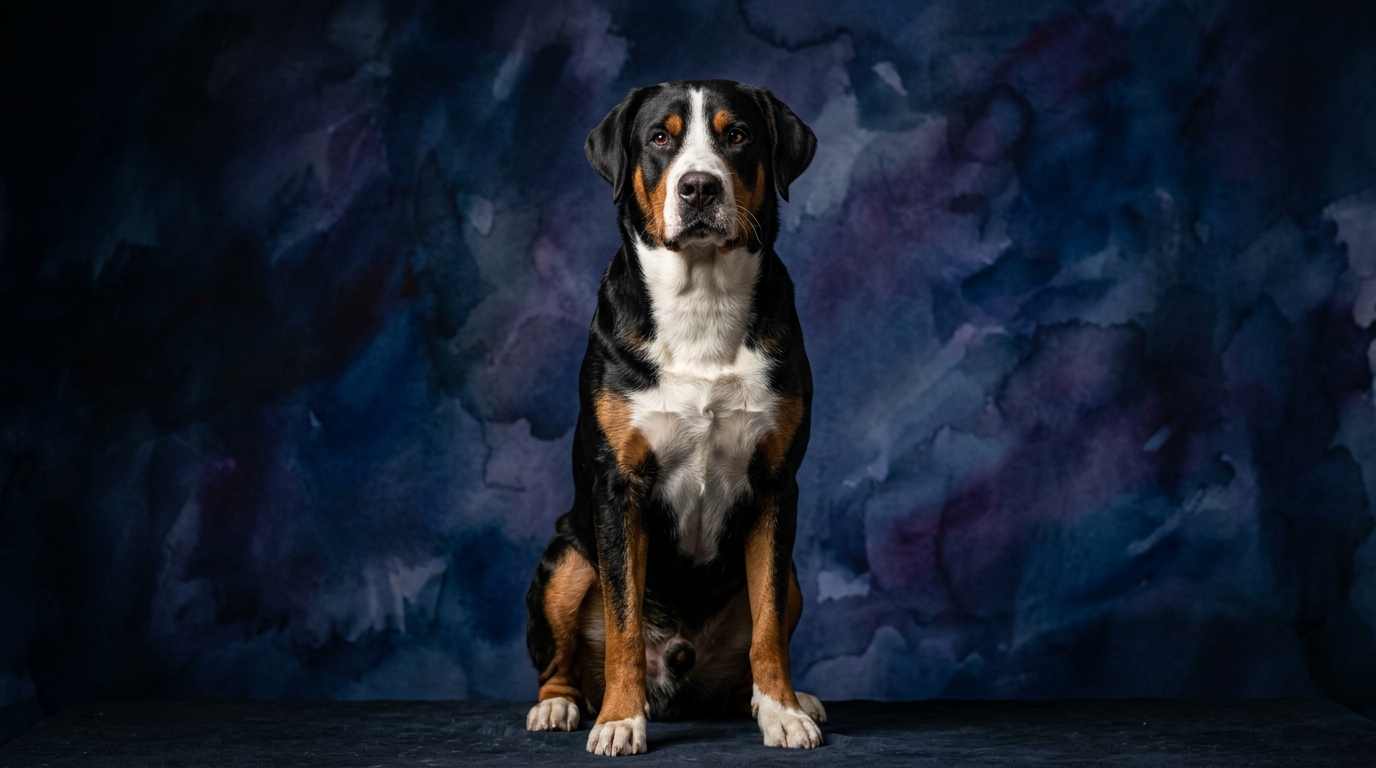
**Greater Swiss Mountain Dog (GSMD):** This breed, originating from the Swiss Alps, embodies a practical and devoted intelligence shaped by centuries of farm work.
**Problem Solving (3/5):** The GSMD demonstrates practical, utilitarian problem-solving. They might figure out how to open a gate to rejoin their human, or devise a strategy to move an obstacle, reflecting their history as versatile farm dogs. This isn't abstract puzzle-solving, but rather applying logic to physical challenges within their environment, often with a clear purpose related to their family or routine.
**Training Speed (3/5):** GSMDs are capable learners, absorbing commands with moderate repetition. However, their independent streak and strong will mean that while they can learn quickly, they might not always offer immediate compliance if they don't perceive the value or if an alternative, more appealing activity presents itself. Consistency and positive reinforcement are crucial to harness their learning potential.
**Social Intelligence (3/5):** These dogs possess a solid understanding of social dynamics within their family unit, often picking up on human moods and intentions. They are generally steady and devoted, expressing their social intelligence through loyalty and a watchful nature. With strangers, they tend to be reserved, evaluating situations before engaging, indicating a thoughtful approach to new social interactions.
**Instinctive Drive (3/5):** The GSMD's instinctive drive is rooted in their working heritage, manifesting as a desire to guard, draft, and sometimes herd. This drive is a powerful motivator for purposeful activity and can be channeled into tasks like pulling carts or participating in protection sports. It's a drive for utility and companionship, rather than an overwhelming prey instinct.
**Memory (3/5):** GSMDs exhibit good memory for commands, routines, and the people and places they encounter regularly. They generally retain learned behaviors well over time, contributing to their reliability as family companions. This memory aids in their predictable nature and their ability to integrate smoothly into household life.
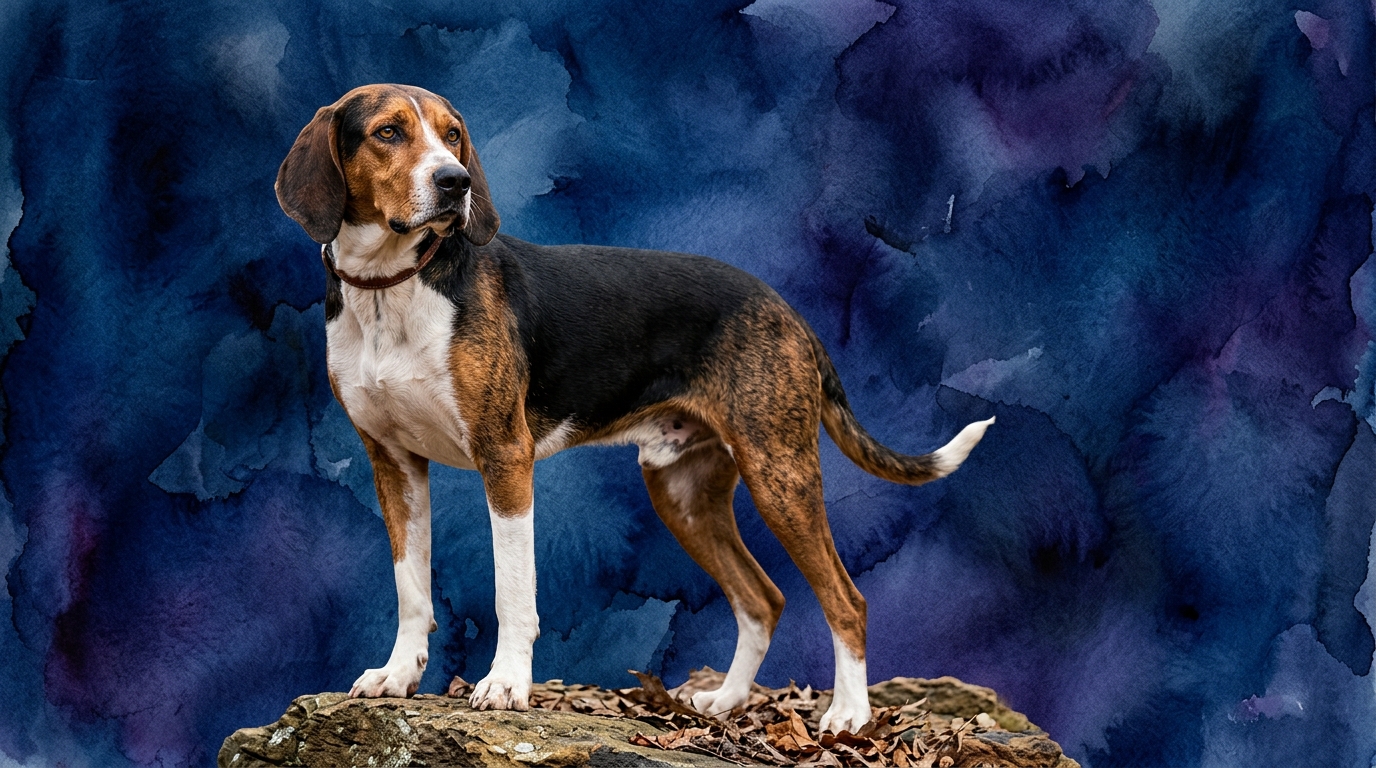
**Treeing Walker Coonhound (TWC):** Hailing from the American South, the TWC is a vibrant, scent-driven hound with a specialized cognitive toolkit.
**Problem Solving (3/5):** The TWC's problem-solving prowess shines brightest when a compelling scent trail is involved. They excel at figuring out complex routes, navigating obstacles, and persisting until they locate the source of an intriguing smell, embodying a highly specialized form of cognitive persistence. Their approach to non-scent related puzzles, however, might be less enthusiastic or direct.
**Training Speed (3/5):** Treeing Walker Coonhounds are certainly capable of learning commands, often picking them up with moderate effort. Yet, their formidable scent drive frequently presents a significant challenge to consistent obedience. They learn rapidly what yields a reward, but their intense focus on a smell can make them appear less responsive, requiring patient, engaging, and highly motivating training methods.
**Social Intelligence (3/5):** TWCs are typically outgoing and friendly, demonstrating good social awareness within their pack and with people. They understand social cues and enjoy interaction, often expressing their social nature through enthusiastic greetings and a desire to be part of family activities. Their sociability extends to other dogs, often enjoying canine companionship.
**Instinctive Drive (3/5):** The TWC's instinctive drive is overwhelmingly dominated by their keen sense of smell and the pursuit of quarry. Their "treeing" instinct is profound, compelling them to follow a scent and alert their handlers once the animal is located. This drive is incredibly powerful, dictating much of their behavior and requiring careful management and appropriate outlets.
**Memory (3/5):** These hounds possess an exceptional memory for scents, trails, and the locations where interesting smells were previously found. They also remember people and routines, yet their olfactory memory often takes precedence, sometimes leading them to "forget" a command if a tantalizing scent stimulus is present, highlighting a very specialized form of recall.
Where Greater Swiss Mountain Dog Wins Cognitively
Despite identical numerical scores, the Greater Swiss Mountain Dog often presents a more predictable and generally compliant cognitive profile in typical domestic settings. Their problem-solving (3/5) is geared towards practical, human-centric tasks and routines, making them adept at understanding household rules and contributing to a structured environment. For instance, a GSMD might more readily learn to retrieve specific items or understand complex multi-step commands related to home life, leveraging their desire for purpose and companionship. Their social intelligence (3/5) translates into a more nuanced understanding of human social cues and a strong desire to please their primary caregivers, leading to a more consistent responsiveness to training signals compared to a breed whose attention is frequently hijacked by external stimuli. The GSMD's instinctive drive (3/5) is also more readily channeled into cooperative tasks, such as drafting or obedience, as opposed to an all-consuming hunting pursuit, allowing their memory (3/5) for learned behaviors to be more consistently applied without intense environmental distractions. In essence, the GSMD's cognitive strengths lie in their grounded, family-oriented application of their intelligence, making them often appear more "tuneable" to human expectations.
Where Treeing Walker Coonhound Wins Cognitively
The Treeing Walker Coonhound's cognitive strengths, while scoring the same numerically, are exquisitely specialized for their original purpose. Their problem-solving (3/5) in the field of scent work is unparalleled, demonstrating an intricate ability to process complex olfactory information, differentiate trails, and strategize pursuit over varied terrain. No other breed can match their dedication and ingenuity when faced with a challenging scent puzzle; they will persist for hours, utilizing their memory (3/5) for scent patterns and their instinctive drive (3/5) to an extraordinary degree. While a GSMD might solve how to open a cupboard, a TWC solves the riddle of a 12-hour-old raccoon trail, a feat requiring a different, highly focused type of cognitive processing. Their social intelligence (3/5), though sometimes overshadowed by their nose, makes them exceptionally resilient and adaptable in pack dynamics, thriving in environments with multiple dogs and enjoying a wide range of human interaction. Their training speed (3/5), when applied to tasks that align with their natural drives, can be surprisingly quick, especially for scent discrimination or tracking games, where their motivation is intrinsically high.
Which is Easier to Train and Why
When considering ease of training in a general household context, the Greater Swiss Mountain Dog typically presents a more straightforward experience. Their training speed (3/5) is complemented by a fundamental desire to work alongside their human companions, a trait inherent to working breeds. While they possess an independent streak, their instinctive drive (3/5) is oriented towards purposeful cooperation and guardianship, meaning they are often more inclined to engage with human-initiated tasks and respond to commands. Their social intelligence (3/5) allows them to keenly observe and respond to their handler's cues, making them generally more attentive during training sessions. In contrast, the Treeing Walker Coonhound, despite possessing the same training speed (3/5) capacity, faces a constant internal battle against its overwhelming instinctive drive (3/5) for scent work. A TWC's nose is often "on," making external distractions, particularly novel scents, incredibly powerful. This means that while they can learn, their attention can be difficult to capture and maintain, requiring trainers to be exceptionally engaging, patient, and creative. Their problem-solving (3/5) and memory (3/5) are heavily biased towards olfactory stimuli, making consistent obedience in distracting environments a significant challenge, whereas a GSMD's focus is typically more human-centric.
Which Suits Active Owners vs. Relaxed Owners
For active owners who enjoy structured outdoor activities and seek a purposeful companion, both breeds can be suitable, but with distinct caveats. The Greater Swiss Mountain Dog thrives with owners who can provide consistent training, engage them in activities like hiking, carting, or obedience, and appreciate a steady, watchful presence. They need mental stimulation and physical exercise to prevent boredom, but their energy levels are generally manageable, making them suitable for active families who also enjoy periods of relaxation indoors. Their social intelligence (3/5) and memory (3/5) allow them to integrate well into family routines, provided their need for purpose is met. A Treeing Walker Coonhound, however, is unequivocally suited for highly active owners who are prepared to embrace their profound instinctive drive (3/5). These dogs require extensive daily exercise, preferably involving scent work or opportunities to run freely in secure areas. Their boundless energy and relentless pursuit of scent mean that "relaxed" ownership is not an option; they need an owner who can dedicate significant time to physical and mental engagement, often involving activities that allow them to use their nose. Their problem-solving (3/5) and memory (3/5) are best stimulated through hunting, tracking, or similar scent-based sports. For truly relaxed owners seeking a low-maintenance companion, neither breed is ideal, but the GSMD would be the comparatively easier choice due to its more adaptable energy and focus.
The Verdict
Choose the Greater Swiss Mountain Dog if you seek a steadfast, predictable companion for a structured family life, appreciating a dog whose practical intelligence and desire for purpose align with cooperative tasks and a watchful presence.
Opt for the Treeing Walker Coonhound if you are a highly active, dedicated owner eager to channel an unparalleled scent drive into extensive outdoor adventures, tracking sports, or hunting, and can manage a dog whose world revolves around its nose.
🧠 Find Your Pet's IQ Score
Our Pet IQ Lab assessment covers 25+ tests across 5 cognitive dimensions — personalized to your breed.
Take the Full IQ Test →Frequently Asked Questions
Are Greater Swiss Mountain Dogs prone to wandering off?
GSMDs generally possess a moderate instinctive drive to stay near their family, but their working dog curiosity and desire for exploration can lead them to wander if unsupervised or not properly contained. Consistent training and secure fencing are important to manage this tendency.
How do Treeing Walker Coonhounds behave around other pets, especially small ones?
Treeing Walker Coonhounds are often social with other dogs, but their strong prey drive (instinctive drive 3/5) means they may view smaller, non-canine pets as quarry. Early socialization and careful introductions are essential, and they may not be suitable for homes with cats or other small animals without significant management.
Do both breeds require a lot of mental stimulation?
Yes, both breeds benefit from mental stimulation, though the type differs: GSMDs thrive on purposeful tasks and learning new commands, while TWCs are most engaged by scent work, tracking, and activities that allow them to utilize their exceptional olfactory problem-solving. Providing appropriate outlets for their specific cognitive strengths is crucial for their well-being.