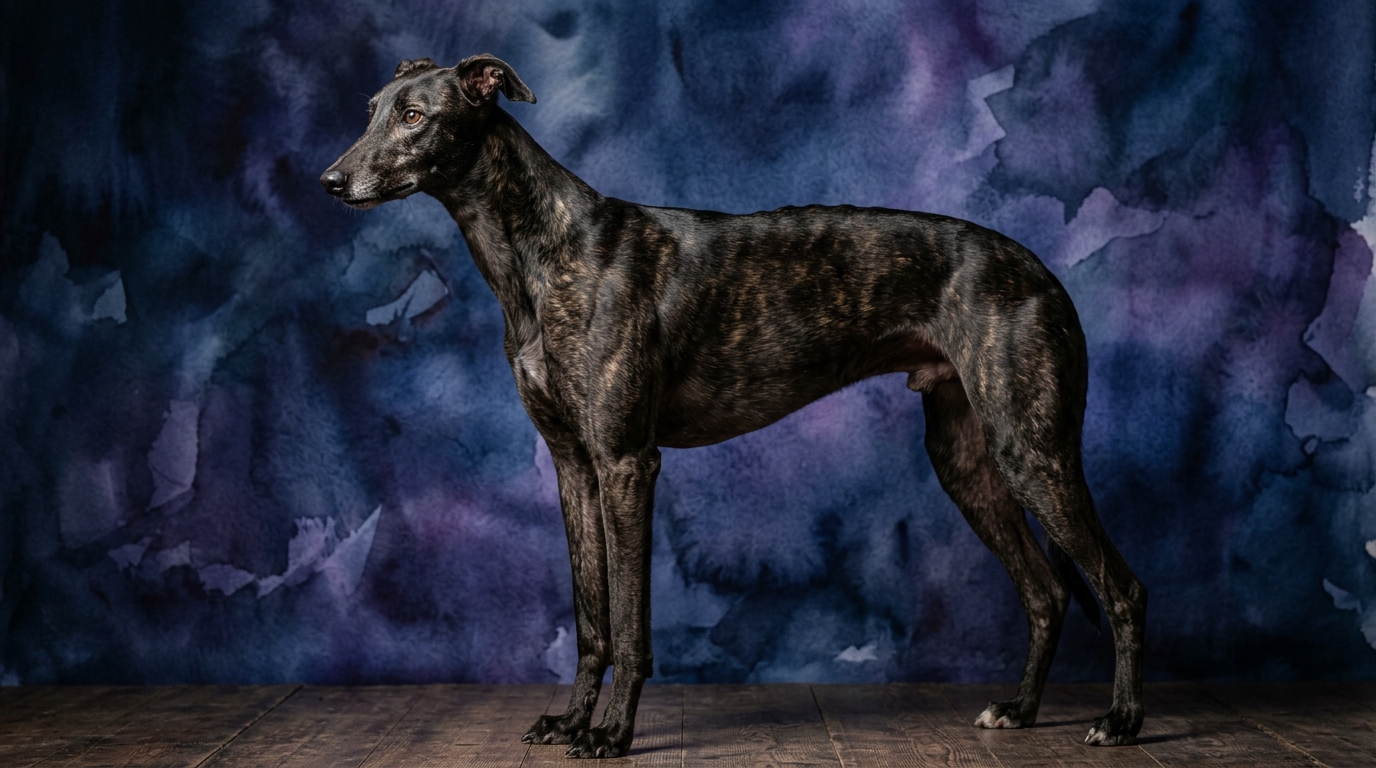
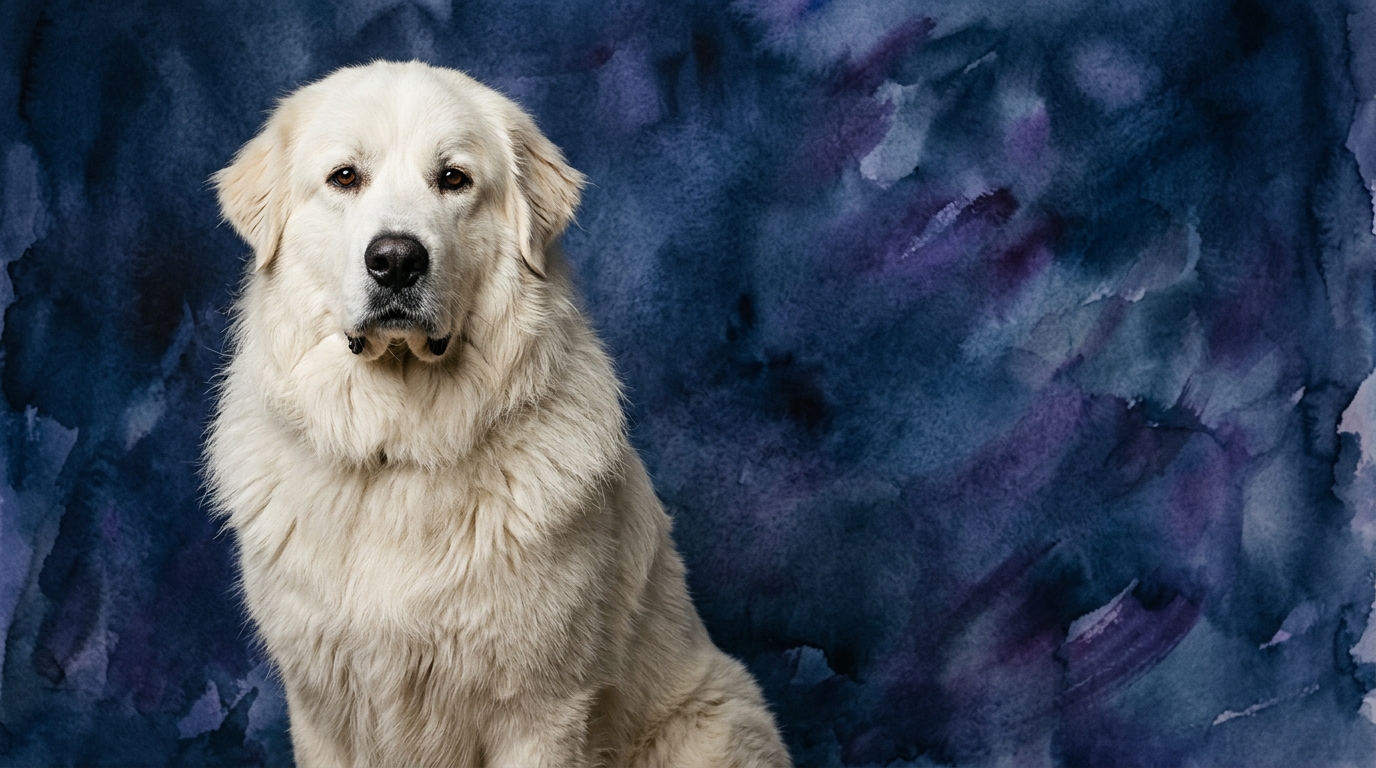
Side-by-Side Cognitive Profiles: Greyhound vs. Great Pyrenees
Greyhound (Coren Rank #46): This sighthound's cognitive profile is deeply rooted in its chase heritage. Its Problem Solving (3/5) centers on efficient navigation and trajectory calculation during pursuit, not abstract puzzles. Training Speed (2/5) means consistent, positive reinforcement is vital, as independent drive and prey instinct can distract. Their Social Intelligence (3/5) enables deep bonds with family, with sensitivity to human moods, though they are reserved with strangers. The Instinctive Drive (5/5) is an unparalleled urge to chase. Memory (3/5) is solid for routines, familiar faces, and home layout.
Great Pyrenees (Coren Rank #64): As a livestock guardian, the Pyrenees' intelligence is defined by its protective role. Its Problem Solving (3/5) excels in assessing environmental threats and devising protection strategies, a practical intellect. Training Speed (3/5) is moderate; they learn, but their independence means they need to understand the 'why' behind a command and may prioritize their own judgment. Their Social Intelligence (3/5) is expressed through protective devotion to their "flock," with discerning caution towards unfamiliar individuals. Instinctive Drive (3/5) is primarily powerful guarding, territorial vigilance, and protection. Memory (3/5) is robust for territory boundaries, family, and patterns of potential threats.
Where the Greyhound's Mind Excels
The Greyhound's cognitive strengths directly reflect its purpose: swift and efficient prey capture. Their minds process visual stimuli with astonishing rapidity, allowing instantaneous assessment of distance, speed, and trajectory during a chase. This isn't just physical speed; it's a cognitive quickness in reaction time and spatial reasoning in dynamic environments. For instance, in lure coursing, a Greyhound must not only run fast but anticipate the lure's path, adjust its body, and maintain focus, requiring sophisticated, in-the-moment problem-solving. Their intellect shines in the fluid, high-stakes context of a hunt, where split-second decisions dictate success, and they efficiently learn optimal routes.
The Great Pyrenees' Unique Cognitive Strengths
The Great Pyrenees' intelligence is about patient, independent, and strategic vigilance. Their cognitive triumphs lie in exceptional environmental awareness and autonomous decision-making without human instruction. A Pyrenees' mind constantly scans its territory, assessing subtle changes indicating a threat. This is continuous, low-level problem-solving: "Is this a threat? How should I respond?" They evaluate, determine, and act independently. This breed excels at long-term memory for territory boundaries, understanding their "flock's" routines, and identifying potential intruders. Their social intelligence, rated 3/5, is specifically tuned to their protective role, differentiating between a harmless visitor and a potential predator. Their patience is a vital cognitive strength, enabling prolonged alertness and watchfulness.
Training Challenges: Greyhound vs. Great Pyrenees
Both breeds present distinct training challenges rooted in their roles. The Greyhound, with a Training Speed of 2/5, can be sensitive and easily distracted by its powerful Instinctive Drive (5/5). Training sessions need to be short, engaging, and heavily reliant on positive reinforcement to channel their focus. Repetitive drills might be met with disinterest. Their sensitivity means harsh corrections are counterproductive. The Great Pyrenees, with a slightly higher Training Speed of 3/5, is not inherently difficult to teach, but its Instinctive Drive (3/5) for independent guarding means it often questions command necessity. A Pyrenees was bred to make its own decisions. Training requires patience, consistency, and a clear demonstration of purpose; if a command doesn't align with their perceived duty, they may appear stubborn. Their independence means they might ignore a command if their own judgment seems superior. Neither is "easy," but the Pyrenees' independence often requires a more nuanced owner approach, while the Greyhound's prey drive demands constant management. The Pyrenees might be marginally more responsive to training respecting their autonomy and protective instincts, giving them a slight edge in "trainability" for owners understanding their unique perspective.
Cognitive Fit: Active vs. Relaxed Owners
Matching a dog's cognitive needs to an owner's lifestyle is crucial. The Greyhound, despite racing prowess, is often a "45 mph couch potato." Their cognitive needs involve intense bursts of activity followed by long rest. They thrive with owners providing safe, off-leash running in fenced areas to satisfy their high instinctive drive for pursuit, and who also appreciate a calm, quiet indoor companion. For a relaxed owner, a Greyhound is an excellent fit, provided those short, intense exercise needs are met. They prefer predictable routines over constant complex mental stimulation.
The Great Pyrenees presents a different cognitive landscape. While not needing miles of running, their minds are constantly engaged in surveying and protecting their territory. They suit owners with ample space, like a large yard, where they can fulfill their innate drive to patrol and observe. Their independent problem-solving skills are exercised through constant threat assessment. A "relaxed" owner with a small apartment might find a Pyrenees' vigilance overwhelming. However, an owner relaxed about constant human interaction but providing a suitable environment for the Pyrenees' natural duties will find a deeply devoted, independent companion. Their mental engagement aligns with their purpose, not necessarily structured games.
The Verdict
Choose a Greyhound if you seek a gentle, quiet companion thriving on intense, brief exercise bursts and a calm indoor environment, prepared to manage their strong prey drive.
Choose a Great Pyrenees if you desire an independent, vigilant guardian for a property, understanding their protective instincts, and providing ample space for them to fulfill natural duties.
🧠 Find Your Pet's IQ Score
Our Pet IQ Lab assessment covers 25+ tests across 5 cognitive dimensions — personalized to your breed.
Take the Full IQ Test →Frequently Asked Questions
Are Greyhounds good at learning tricks?
Greyhounds can learn tricks, but their training speed of 2/5 suggests they might require more patience and high-value rewards than some breeds. They often perform best when tasks seem purposeful or are linked to play rather than repetitive drills.
Do Great Pyrenees need a lot of mental stimulation?
Great Pyrenees require mental stimulation primarily through fulfilling their innate guarding instincts, such as patrolling their territory and assessing their environment. They thrive on having a "job" to do, which for them is vigilance and protection, rather than complex puzzle toys or obedience challenges.
Which breed is more affectionate with family members?
Both breeds can be very affectionate with their families, but they express it differently. Greyhounds are often gentle and sensitive, enjoying quiet cuddles, while Great Pyrenees show devotion through their protective presence and steadfast guardianship, often being more reserved but deeply loyal.