Side-by-Side IQ Profile: Greyhound vs. Irish Wolfhound
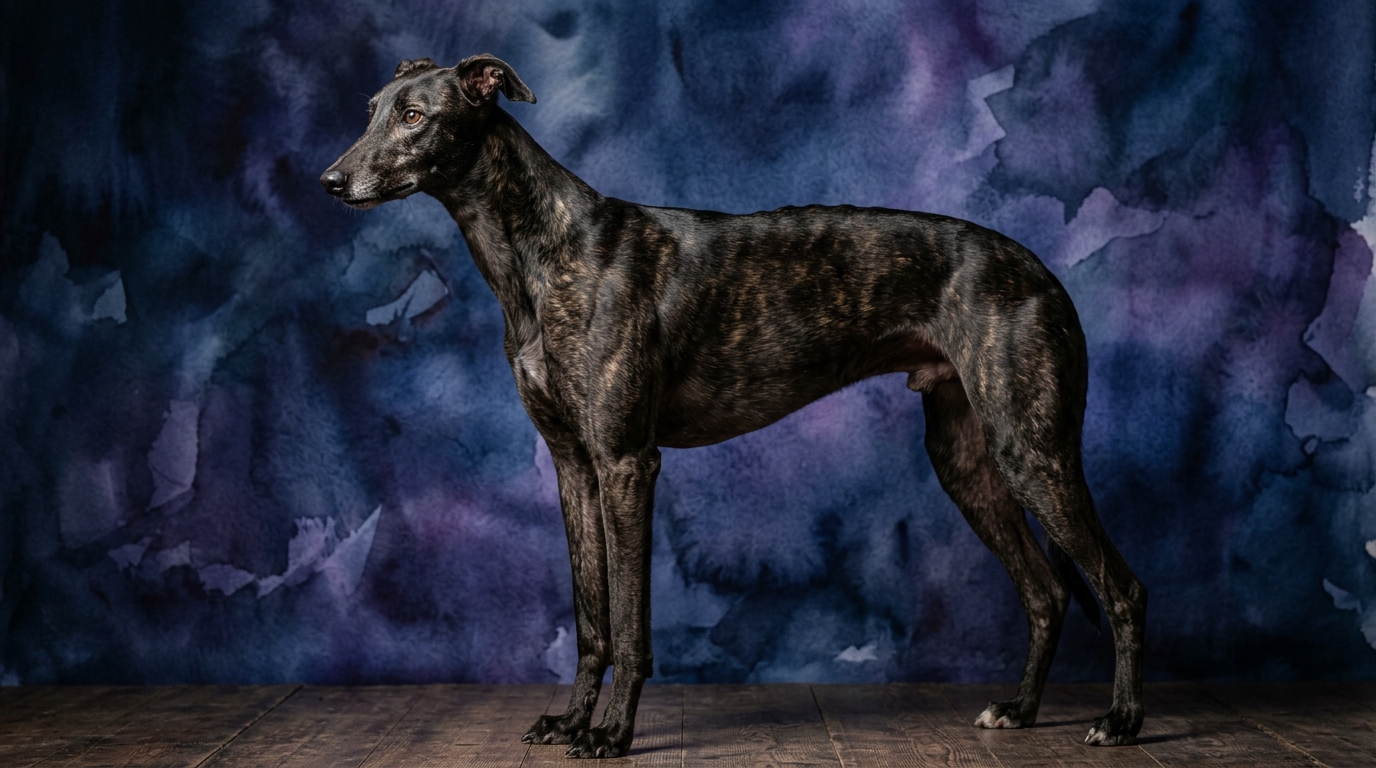
At The Cosmic Pet Pet IQ Lab, we dissect canine intelligence across five critical dimensions to offer a nuanced understanding of each breed's cognitive strengths. For the Greyhound, often recognized for its athletic prowess, its cognitive blueprint includes a Problem Solving score of 3/5, indicating practical, direct approaches to environmental challenges. Their Training Speed is rated 2/5, suggesting that while capable, they often require more repetition and patience due to their independent nature. Social Intelligence stands at 3/5, demonstrating an ability to read cues while maintaining a reserved demeanor. Notably, their Instinctive Drive is a perfect 5/5, reflecting an unparalleled focus on chase, and their Memory is an average 3/5, capable of retaining routines and commands.
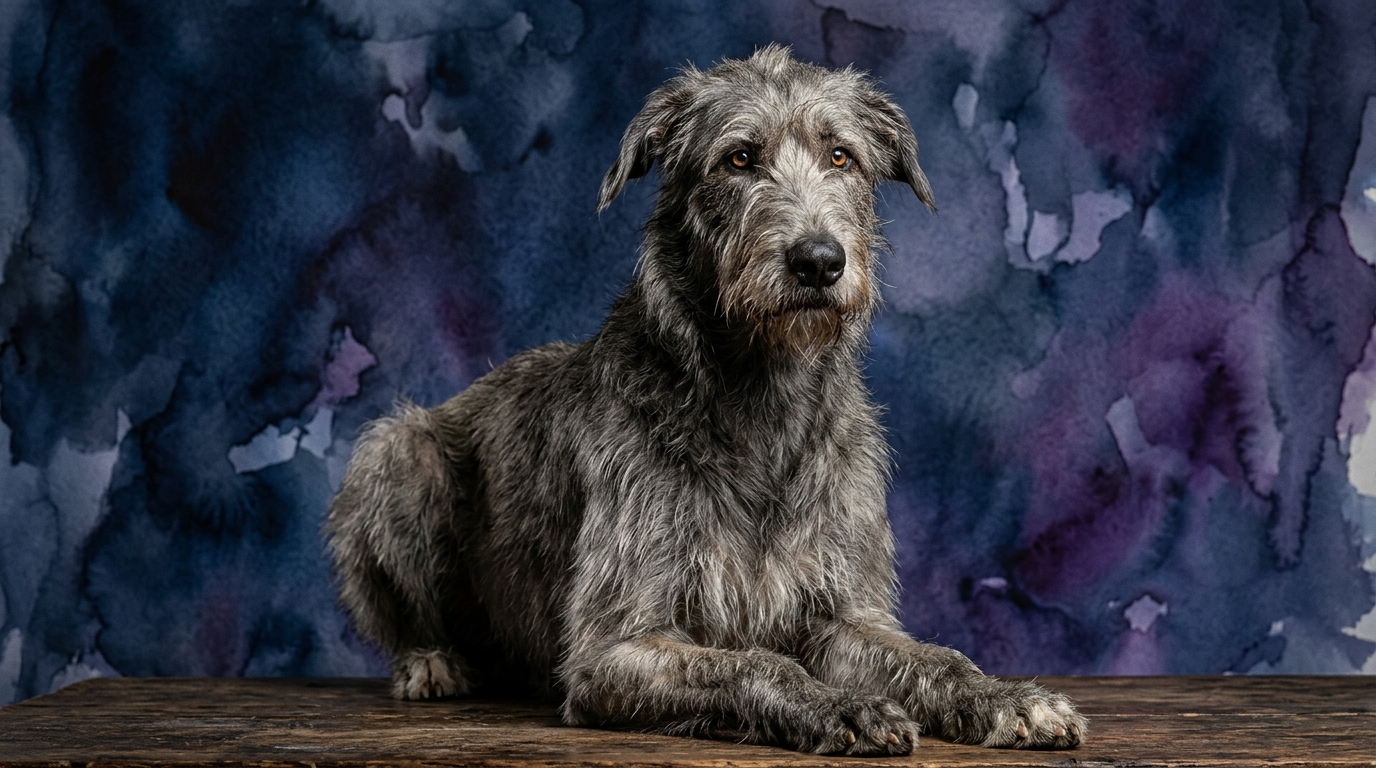
The Irish Wolfhound, a breed known for its impressive stature and gentle disposition, presents a slightly different cognitive profile. Similar to the Greyhound, their Problem Solving is rated 3/5, indicating a practical, rather than abstract, approach to obstacles. However, they achieve a slightly higher Training Speed of 3/5, suggesting a more moderate and perhaps more amenable pace for learning new commands. Their Social Intelligence is also 3/5, showing good attunement to human emotion, often with a deeply empathetic connection. Their Instinctive Drive, while present as a sighthound, is a more moderate 3/5, historically adapted for larger, slower quarry. Like the Greyhound, their Memory is an average 3/5, allowing for consistent recall of learned behaviors and familiar environments.
Where the Greyhound Wins Cognitively
The Greyhound's definitive cognitive superiority lies in its Instinctive Drive, rated an exceptional 5/5. This isn't merely a strong urge; it represents a highly specialized cognitive architecture honed for rapid target identification, precise pursuit, and explosive execution. This deep-seated drive manifests as an unparalleled ability to focus intensely on moving objects, making split-second decisions about trajectory and speed. In scenarios demanding immediate, focused action, such as lure coursing, a Greyhound's cognitive pathways fire with an efficiency that few other breeds can match, demonstrating a superior capacity for specialized problem-solving within its innate domain. This intense focus allows them to filter out distractions and dedicate all mental resources to the chase, a complex interplay of visual processing, spatial reasoning, and immediate motor planning.
Furthermore, the Greyhound's Coren ranking of #46 among dog breeds places it within the 'Average Working/Obedience Intelligence' category. While its Training Speed score of 2/5 might suggest otherwise for general obedience, this ranking indicates a solid underlying capacity for learning and executing tasks, particularly when they align with their natural aptitudes or when consistent, patient training is applied. This suggests that despite their independent streak, Greyhounds possess a foundational cognitive ability to understand and respond to human directives, even if the initial acquisition of new commands takes a bit more time and dedication than some other breeds.
Where the Irish Wolfhound Wins Cognitively
The Irish Wolfhound demonstrates a clear cognitive advantage in Training Speed, scoring a 3/5 compared to the Greyhound’s 2/5. This indicates that Irish Wolfhounds are generally more receptive and quicker to absorb new commands and routines, often displaying a greater willingness to engage in structured learning sessions. Their cognitive processing for novel information appears to be slightly more fluid, leading to a more efficient acquisition of desired behavioral patterns from their human companions. This difference is significantly influenced by their comparatively moderate Instinctive Drive (3/5). While still possessing a sighthound's natural inclination to chase, this drive doesn't dominate their cognitive landscape with the same intensity as it does in Greyhounds.
Consequently, Irish Wolfhounds often possess greater mental bandwidth to concentrate on human instructions, experiencing fewer internal distractions from an overwhelming prey drive during training. This allows them to remain more 'present' and less singularly fixated on external stimuli, resulting in more consistent responses to cues. Their Social Intelligence, also rated 3/5, combined with their generally gentle and eager-to-please temperament, further enhances their trainability. They are often highly motivated by positive human interaction and praise, which serves as a powerful cognitive reward during learning, facilitating a smoother and often faster training progression for many owners seeking a companionable giant.
Which Is Easier to Train and Why
Based on their specific cognitive profiles, the Irish Wolfhound is generally easier to train for typical household commands and obedience. Their Training Speed of 3/5 indicates they absorb new information and associate it with commands more readily than Greyhounds. This is significantly aided by their lower Instinctive Drive (3/5), which translates into fewer distractions from external stimuli like squirrels or distant movement during training sessions. An Irish Wolfhound is more likely to maintain focus on their handler, making recall and leash manners less of a constant battle. Real behavioral differences highlight this: a Greyhound, with its 5/5 Instinctive Drive, might 'selectively hear' a recall command if a small animal bolts across the park, their ancient hunting instincts overriding learned obedience. Conversely, an Irish Wolfhound, while still a sighthound, is less prone to such absolute tunnel vision, offering a more consistent response to cues.
Their social intelligence (3/5) also contributes to their trainability; they often enjoy the collaborative aspect of training and are motivated by the positive reinforcement and bond it strengthens. Greyhounds, with their 2/5 Training Speed and strong independence, require more repetition, patience, and creative motivation to embed new commands, often prioritizing their comfort or an interesting scent over immediate compliance. Training a Greyhound demands an understanding of their deep-seated drives and an approach that respects their independent spirit, making it a more challenging, though ultimately rewarding, endeavor for dedicated owners.
Cognitive Fit: Active vs. Relaxed Owners
The ideal match between these sighthounds and owner lifestyles hinges on the *nature* of activity and relaxation an owner seeks. For those who are 'active' in embracing bursts of intense physical output and enjoy managing a dog with a powerful, specialized drive, the Greyhound can be an excellent fit. An active owner might relish participating in lure coursing or finding safe, expansive environments for their Greyhound to sprint, understanding that this caters to their 5/5 Instinctive Drive and fulfills a profound cognitive need. However, Greyhounds are famously '45-mph couch potatoes' indoors; once their need for speed is met, they transition beautifully into a relaxed, quiet companion, making them surprisingly suitable for relaxed owners who appreciate calm indoor energy and are prepared to manage their powerful chase instinct during outdoor excursions.
Conversely, the Irish Wolfhound suits an 'active' owner who prefers consistent, moderate exercise like long, steady walks or hikes, rather than high-speed sprints. Their 3/5 Instinctive Drive is present but less overwhelming, allowing for more predictable outdoor adventures. For 'relaxed' owners, the Irish Wolfhound offers a gentle, calm presence indoors, but their sheer size demands adequate space and a commitment to regular, though not necessarily intense, daily walks to maintain their physical and mental well-being. Their slightly higher training speed and less intense prey drive make them a more straightforward companion for owners seeking a gentle giant without the management challenges of an extreme chase instinct, providing a calm and majestic presence that adapts well to a serene home environment.
The Verdict
For those seeking a canine companion with a highly specialized, intense instinctual drive and who appreciate bursts of incredible athleticism followed by profound calm, the Greyhound offers a unique cognitive and behavioral profile.
If you prioritize a dog that is generally quicker to train, possesses a less overwhelming chase instinct, and offers a consistently gentle, if large, presence, the Irish Wolfhound will likely be a more suitable match.
🧠 Find Your Pet's IQ Score
Our Pet IQ Lab assessment covers 25+ tests across 5 cognitive dimensions — personalized to your breed.
Take the Full IQ Test →Frequently Asked Questions
Do Greyhounds make good family pets despite their high instinctive drive?
Yes, Greyhounds can be wonderful family pets. While their instinctive drive is high, they are often gentle, quiet, and devoted indoors, especially with children and other pets, provided early socialization and careful management of their chase instinct outside.
Is the Irish Wolfhound's 'not Coren-ranked' status indicative of lower intelligence?
Not necessarily. The Coren ranking primarily evaluates working and obedience intelligence based on specific training criteria. A 'not Coren-ranked' status often means the breed hasn't been consistently evaluated in those specific contexts, rather than indicating a definitive lack of cognitive ability, especially given their moderate training speed score.
How does the memory of these sighthounds compare to other breeds?
Both Greyhounds and Irish Wolfhounds have an average memory score of 3/5. This means they are capable of remembering routines, commands, and experiences consistently, but they are not noted for exceptional recall or complex associative memory compared to breeds with higher scores in this dimension.