Side-by-Side IQ Profile: Greyhound vs. Miniature Pinscher
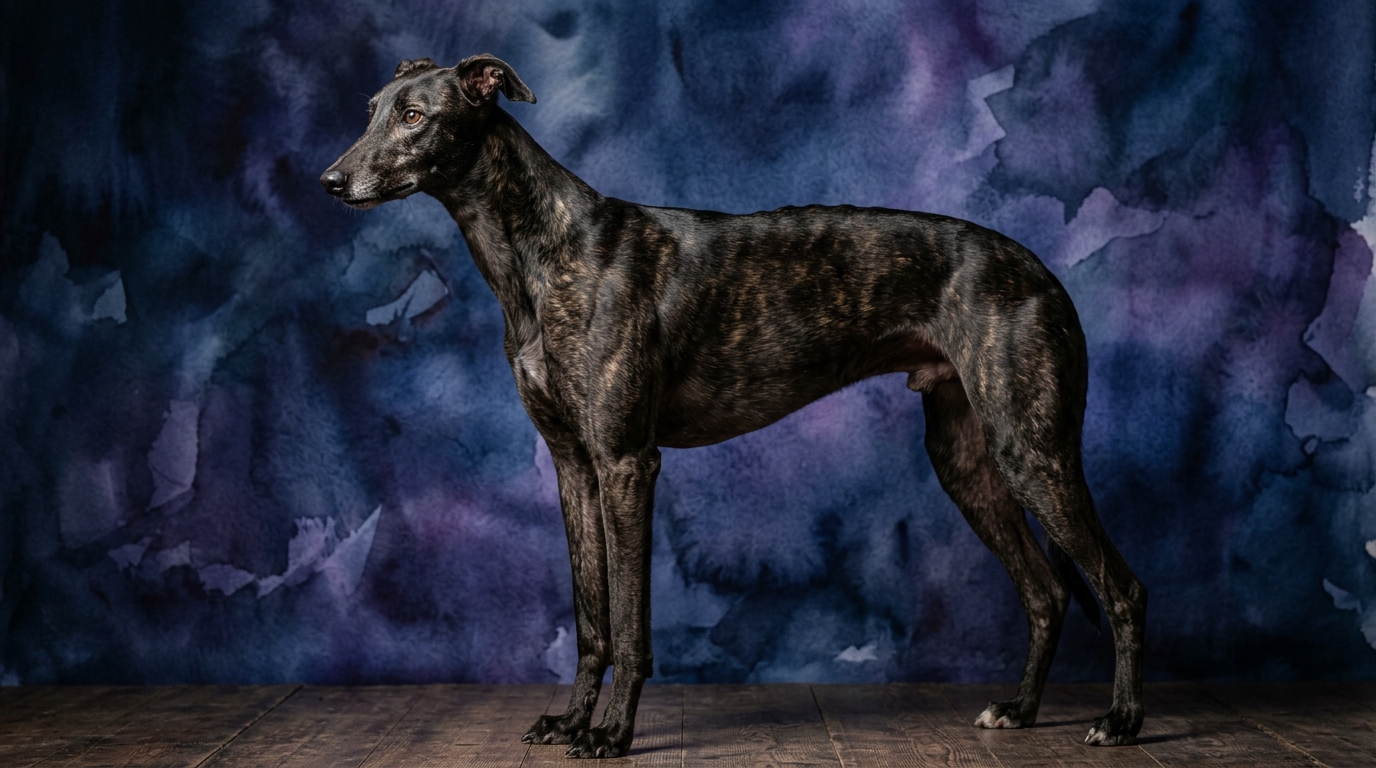
At The Cosmic Pet Pet IQ Lab, we delve into the multifaceted intelligence of our canine companions, moving beyond simple obedience to explore five key cognitive dimensions. For the Greyhound, an ancient sighthound ranked #46 by Coren's intelligence scale for obedience, we observe a particular set of strengths. Their Problem Solving is rated at 3/5, indicating an ability to navigate moderately complex situations, often geared towards efficiency in pursuit rather than abstract thought. Training Speed stands at 2/5, suggesting they may require more consistent repetition to internalize new commands, often prioritizing independent action. Social Intelligence is 3/5, reflecting an ability to form deep bonds and understand social cues within their trusted circle, though they can be reserved initially. Their Instinctive Drive is an exceptional 5/5, an overwhelming urge to chase anything that moves, central to their heritage. Memory is a solid 3/5, allowing them to retain routines and learned behaviors adequately.
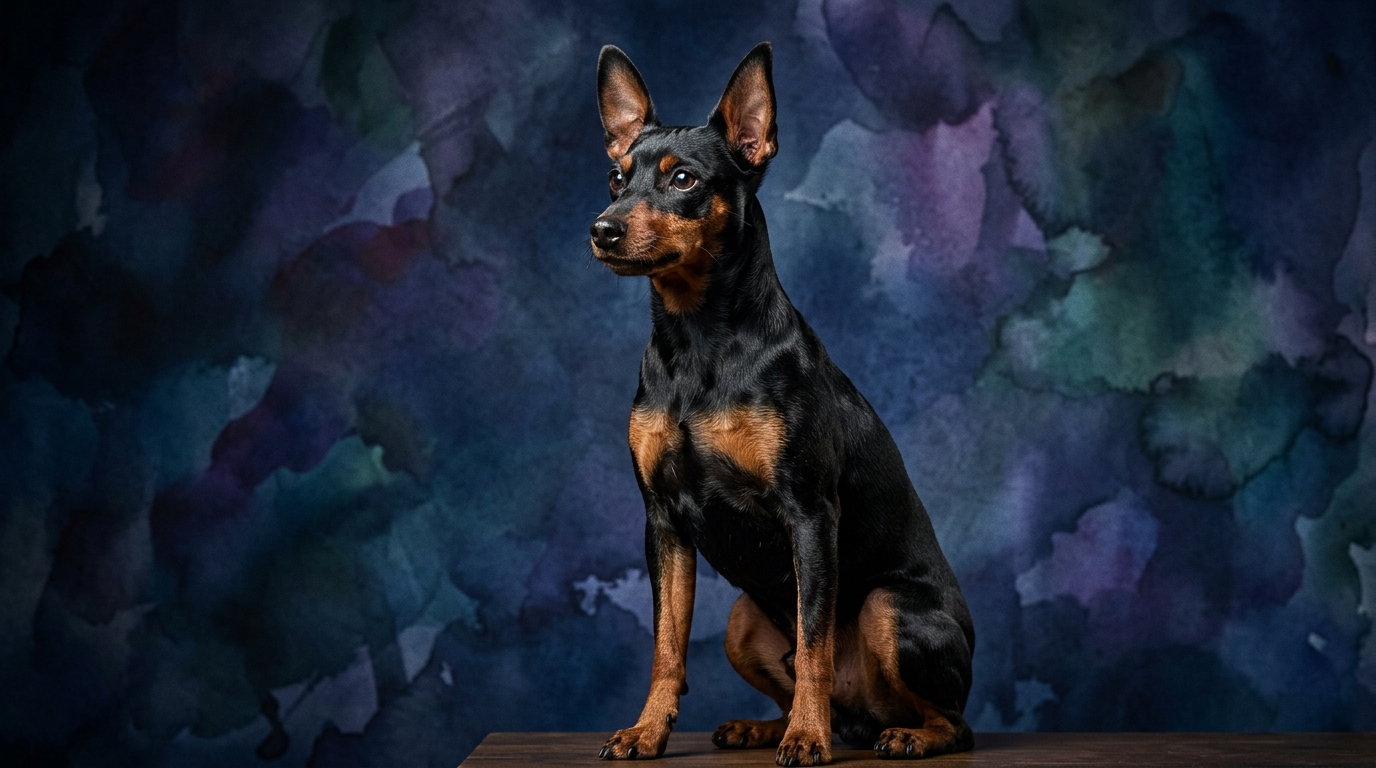
The Miniature Pinscher, a dynamic Toy breed not specifically ranked by Coren's scale, presents a different cognitive profile. Their Problem Solving is also 3/5, demonstrating a capacity to figure out challenges, especially when highly motivated by a desired outcome, such as accessing a toy or location. Training Speed is rated slightly higher at 3/5, suggesting a quicker initial grasp of new concepts compared to the Greyhound, though their independent streak still requires thoughtful training. Social Intelligence is 3/5, indicating an alert awareness of their environment and social dynamics, often asserting themselves within their household. Instinctive Drive is 3/5, a moderate drive often directed towards small prey or territorial defense, but not the relentless pursuit of a sighthound. Memory, like the Greyhound, is 3/5, allowing for good recall of routines and training.
Where the Greyhound Shines Cognitively
The Greyhound's cognitive advantages are deeply rooted in their specialized breed purpose. Their unparalleled Instinctive Drive, rated 5/5, is a profound cognitive strength, demonstrating an intense focus and dedication to high-speed pursuit. This isn't just physical prowess; it’s a mental calculation of trajectory, speed, and target acquisition that is almost automatic. They excel in what we might call 'kinetic problem-solving' – the instantaneous assessment and execution of complex maneuvers during a chase, showcasing exceptional spatial awareness.
Furthermore, their kinesthetic intelligence, while not a direct IQ dimension here, is a practical manifestation of their problem-solving ability. Their capacity to navigate varied terrain at incredible speeds, making precise turns and adjustments without hesitation, represents a sophisticated processing of environmental data and physical response. This highly specialized form of intelligence allows them to operate with seamless efficiency in their intended role, demonstrating a unique form of cognitive mastery over their physical environment and actions.
Where the Miniature Pinscher Holds a Cognitive Edge
The Miniature Pinscher exhibits distinct cognitive strengths that differentiate it from the Greyhound. Their Training Speed, at 3/5 compared to the Greyhound's 2/5, indicates a slightly quicker initial uptake of new commands and a potentially more direct engagement in structured learning sessions. This often translates to a more responsive learner in early obedience training, provided the methods are engaging and positive, leveraging their inherent curiosity.
Beyond training, the Miniature Pinscher's 'big dog in a small body' mentality often translates into a superior adaptability in varied social and environmental situations. Their alert nature and tendency to survey their surroundings contribute to a rapid assessment of new scenarios, allowing them to quickly adjust their behavior. Their problem-solving might be more broadly applied to navigating social hierarchies and asserting their presence effectively within diverse domestic settings, showcasing a generalized robustness in cognitive flexibility.
Training Dynamics: Greyhound vs. Miniature Pinscher
When considering ease of training, the data suggests a nuanced picture. The Miniature Pinscher, with a Training Speed of 3/5, often presents as a quicker study in initial obedience. Their alertness and desire for engagement, coupled with often strong food motivation, can make them receptive to learning new commands fairly rapidly. However, their independent and sometimes stubborn personality means consistency and positive reinforcement are paramount to maintain their focus and prevent them from deciding their own agenda.
The Greyhound, rated 2/5 for Training Speed, typically requires more patience and understanding. Their history as independent sighthounds means they are bred to make decisions on their own, often prioritizing a visual stimulus over a human directive. Their powerful 5/5 Instinctive Drive means a squirrel or distant movement can instantly override any command, making off-leash reliability a significant challenge in unsecured areas. While gentle and eager to please their trusted companions, their training needs to account for their strong natural impulses and independent thought process, relying on positive, reward-based methods and understanding their specific motivations.
Suitability: Active Owners vs. Relaxed Owners
For owners with an active lifestyle, both breeds can find their niche, but with distinct demands. An owner who enjoys short, intense bursts of activity, like lure coursing or secure off-leash sprints, will appreciate the Greyhound. They are not endurance athletes in the sense of long, slow jogs, but require proper outlets for their incredible speed. After these bursts, they transform into the ultimate '45 mph couch potato,' requiring minimal continuous activity, making them suitable for active owners who also value significant downtime.
The Miniature Pinscher, on the other hand, suits an owner who is consistently active with daily walks, play sessions, and mental stimulation. Their energetic and curious nature means they thrive when engaged in activities such as agility, trick training, or frequent outings that challenge their quick minds and bodies. They are less about explosive speed and more about sustained, moderate engagement throughout the day.
For truly relaxed owners, the Greyhound can be surprisingly suitable, provided their specific exercise needs for secure, high-speed running are met. They are calm, quiet, and low-maintenance companions indoors, content to lounge for hours. They are not demanding of constant attention or long, slow endurance walks. The Miniature Pinscher is less ideal for a truly relaxed owner without specific engagement. Their inherent energy and alert temperament mean they need regular physical and mental outlets to prevent boredom and potential behavioral issues like excessive barking or destructive chewing. An owner who values a lively, engaged companion over a consistently placid presence will find the Min Pin a rewarding match.
The Verdict
For owners seeking a quiet, elegant companion who excels in instinct-driven pursuits and appreciates short bursts of intense activity followed by deep relaxation, the Greyhound is an excellent choice.
Opt for the Miniature Pinscher if you desire an alert, spirited companion who thrives on consistent engagement, enjoys moderate daily activity, and offers a slightly quicker initial training response.
🧠 Find Your Pet's IQ Score
Our Pet IQ Lab assessment covers 25+ tests across 5 cognitive dimensions — personalized to your breed.
Take the Full IQ Test →Frequently Asked Questions
Are Greyhounds difficult to train due to their lower training speed score?
Greyhounds aren't inherently 'difficult' but require a patient approach that acknowledges their independent sighthound nature and strong prey drive. They respond best to positive reinforcement and consistency, understanding that their instincts can sometimes override commands, especially in stimulating environments.
Does the Miniature Pinscher's lack of a Coren rank mean it's less intelligent than a Greyhound?
Not at all; Coren's ranking primarily assesses obedience and working intelligence, which may not fully capture the Miniature Pinscher's cognitive strengths. The Min Pin's intelligence shines in their assertive problem-solving and adaptability within a domestic setting, which are valuable but not directly measured by Coren.
How does instinctive drive impact daily life for these breeds?
A Greyhound's 5/5 instinctive drive means an almost irresistible urge to chase, requiring secure leashes and strictly fenced areas for their safety. A Miniature Pinscher's 3/5 drive manifests as alertness and a tendency to 'hunt' small perceived threats, needing outlets for that energy but generally being more manageable in everyday situations.