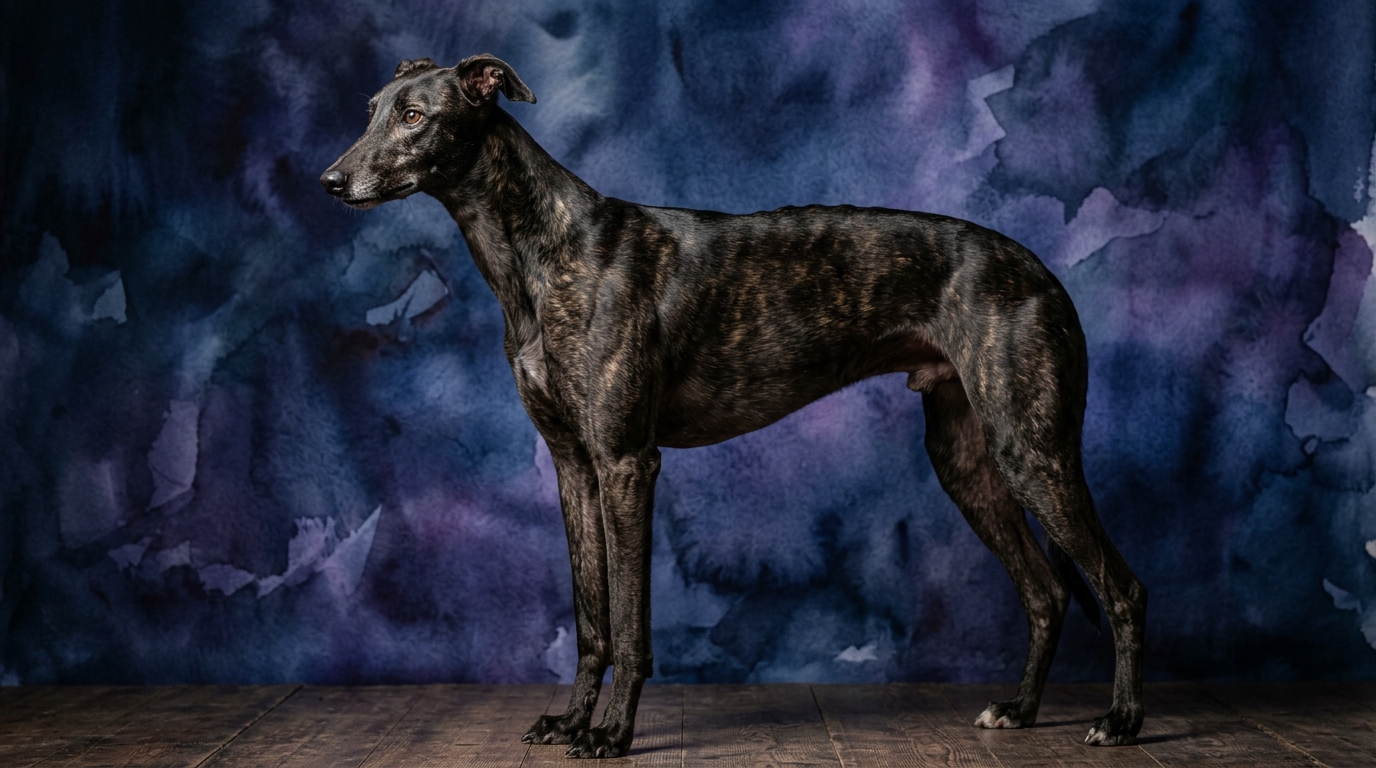
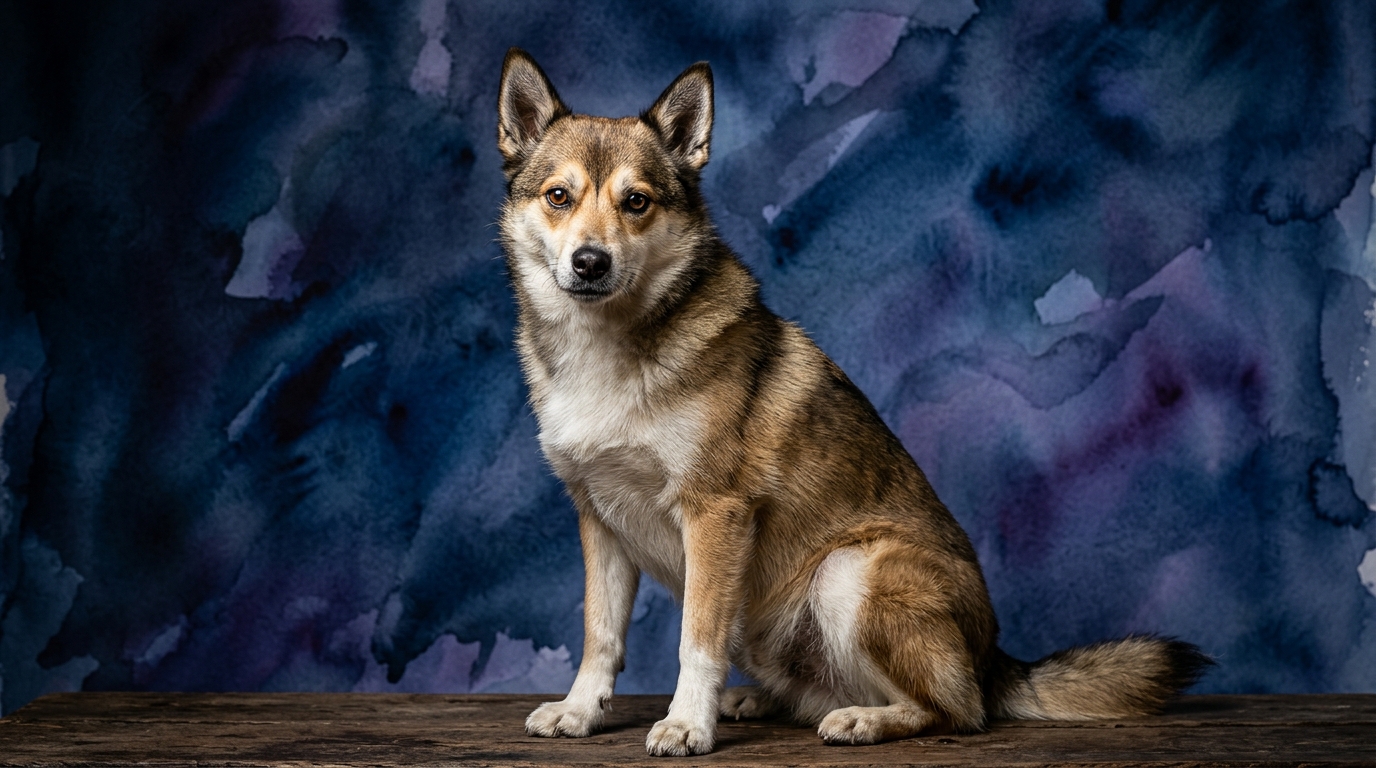
Side-by-Side Cognitive Profiles
The Pet IQ Lab assesses canine intelligence across five key dimensions, offering a nuanced view of how breeds process information and interact with their world. For the Greyhound, a member of the Hound group with a Coren ranking of #46, its profile highlights a balance of capabilities geared towards its sighthound heritage. Its Problem Solving score of 3/5 suggests an average capacity for navigating novel challenges, neither excelling nor struggling unduly with complex puzzles. Training Speed registers at 2/5, indicating that Greyhounds can require more patience and repetition to solidify new commands. Social Intelligence, at 3/5, reflects an average ability to interpret and respond to human and canine social cues, often displaying a reserved but gentle demeanor. Instinctive Drive is a notable 5/5, underscoring their powerful innate urge to chase and pursue, a hallmark of their breed purpose. Finally, Memory stands at 3/5, suggesting a typical recall capacity for learned tasks and experiences.
The Norwegian Lundehund, classified in the Non-Sporting group and not currently Coren-ranked, presents a slightly different cognitive blueprint, reflecting its unique history as a puffin hunter. Its Problem Solving ability also scores 3/5, indicating a similar average aptitude for figuring things out, often with a curious and adaptable approach to new situations. Where the Lundehund distinguishes itself slightly is in Training Speed, scoring 3/5, which suggests it may absorb new commands a bit more readily than the Greyhound, though still requiring consistent effort. Social Intelligence matches the Greyhound at 3/5, implying an average capacity for social awareness, often expressed through a watchful and somewhat independent nature. Instinctive Drive for the Lundehund is 3/5, a moderate level that reflects its historical role in navigating challenging terrain to retrieve birds, but without the explosive, singular chase focus of a sighthound. Its Memory also aligns with the Greyhound at 3/5, indicating an average ability to retain information and learned behaviors over time.
Where the Greyhound Excels Cognitively
The Greyhound's cognitive strengths are intrinsically linked to its supreme athletic prowess and historical role. Its standout score in Instinctive Drive, a perfect 5/5, is where this breed truly shines. This isn't merely a physical attribute; it's a deeply ingrained cognitive program that enables unparalleled focus and determination when pursuing a target. This intense drive allows Greyhounds to maintain incredible speeds and precise course corrections over distances, driven by a primal urge to chase. This specific cognitive advantage means a Greyhound can process visual stimuli at exceptionally high speeds, lock onto a moving object, and execute complex motor plans almost instantaneously to intercept it. Their cognitive architecture is optimized for rapid target acquisition and sustained pursuit, making them masters of the chase, whether on the track or in an open field, a testament to their specialized sensory processing and motor planning capabilities.
Where the Norwegian Lundehund Demonstrates Cognitive Strengths
The Norwegian Lundehund's unique evolutionary path has fostered a different set of cognitive strengths, particularly evident in its slightly higher Training Speed score of 3/5 compared to the Greyhound's 2/5. This subtle difference suggests the Lundehund might exhibit a marginally greater willingness or capacity to form associations between commands and actions more quickly. While not a dramatic lead, this can translate into a slightly smoother initial training experience. Their historical role required them to be agile and independent problem-solvers in rugged terrain, navigating complex environments to hunt puffins. This background likely contributed to a cognitive flexibility that, while not reflected in a higher Problem Solving score, makes them adaptable learners when given clear, consistent guidance. Their moderate Instinctive Drive also means they might be less distracted by overwhelming external stimuli during training, allowing for a more focused learning process in certain contexts.
Training Dynamics: Greyhound vs. Norwegian Lundehund
When it comes to training, the cognitive profiles of these two breeds dictate distinct approaches. The Greyhound, with its Training Speed of 2/5 and an overwhelming Instinctive Drive of 5/5, often presents a unique challenge. Their lower training speed means they require consistent, positive reinforcement methods and an abundance of patience. They are not dogs that rush to please; their independent nature, a characteristic of many sighthounds, means they weigh the benefit of compliance against their own desires. Their powerful chase instinct also means off-leash reliability can be a significant hurdle. A squirrel or a plastic bag blowing in the wind can trigger an instant, all-consuming pursuit, making early and continuous recall training critical, often necessitating a secure, fenced environment for free exercise.
Conversely, the Norwegian Lundehund's slightly higher Training Speed of 3/5 suggests they might be a bit more receptive to learning new commands. While still possessing an independent streak, their moderate Instinctive Drive of 3/5 means they are generally less prone to the sudden, uncontrollable chase impulses that define the Greyhound. This can make them potentially more manageable in varied environments during training sessions, though their curiosity can still lead to independent exploration. Lundehunds benefit from varied, engaging training sessions that leverage their problem-solving instincts, rather than purely repetitive drills. Their background as agile hunters navigating complex terrain implies a cognitive readiness for tasks that require physical and mental engagement, rather than just obedience. Both breeds thrive on positive reinforcement and clear communication, but the Lundehund's slightly greater amenability to structured learning, coupled with a less overwhelming prey drive, can make the initial stages of training feel more progressive for some owners.
Matching Breeds to Lifestyles: Active vs. Relaxed Owners
The Greyhound, despite its racing background, often surprises new owners with its '45 mph couch potato' persona. While they absolutely require opportunities for short, intense bursts of speed in a secure area to satisfy their 5/5 Instinctive Drive, they are remarkably calm and relaxed indoors. Their social intelligence of 3/5 means they are generally gentle and polite companions, often reserved with strangers but deeply affectionate with their families. They suit owners who appreciate a quiet, undemanding housemate, are committed to providing safe outlets for their running needs, and understand that their training speed of 2/5 means patience is paramount. They are ideal for individuals or families who lead a moderately active lifestyle, enjoying leisurely walks and the occasional sprint at a dog park, but primarily seeking a tranquil presence at home. Their lower training speed also means owners must be prepared for ongoing reinforcement, rather than expecting rapid mastery of complex commands.
The Norwegian Lundehund, with its 3/5 Instinctive Drive and 3/5 Training Speed, offers a different dynamic. They are generally more active and curious than Greyhounds, requiring regular mental and physical stimulation to prevent boredom. Their moderate drive means they enjoy exploring and engaging with their environment, making them a good fit for owners who enjoy consistent, varied activities like hiking, agility, or scent work. Their slightly better training speed suggests they might be more responsive to learning new tricks and commands, making them suitable for owners who enjoy active participation in their dog's mental development. While they can be social, their independence and historical role might lead to a more watchful, sometimes reserved, personality. They are best suited for owners who are active, enjoy consistent training and engagement, and appreciate a quirky, intelligent companion that thrives on interaction and exploration rather than prolonged periods of quiet rest.
The Verdict
Choose a Greyhound if you seek a calm, gentle companion who thrives on short bursts of intense speed and long periods of quiet relaxation, and you are prepared for patient, consistent training to manage their powerful chase instinct.
Opt for a Norwegian Lundehund if you desire a curious, adaptable, and moderately active companion who enjoys engaging in varied activities and benefits from consistent mental and physical stimulation, appreciating their unique blend of independence and responsiveness.
🧠 Find Your Pet's IQ Score
Our Pet IQ Lab assessment covers 25+ tests across 5 cognitive dimensions — personalized to your breed.
Take the Full IQ Test →Frequently Asked Questions
Are Greyhounds difficult to train due to their low training speed score?
Greyhounds are not necessarily 'difficult,' but they require a specific approach due to their 2/5 training speed and independent nature. They respond best to positive reinforcement, patience, and short, engaging sessions, rather than harsh methods. Consistency is key to success.
How does the Lundehund's moderate instinctive drive manifest in daily life?
A Lundehund's 3/5 instinctive drive means they are curious and enjoy exploring but typically lack the overwhelming prey drive seen in sighthounds. They will investigate interesting smells and sights but are generally less prone to bolting after perceived prey, making them potentially more manageable off-leash in secure areas.
Which breed is better for a first-time dog owner?
Neither breed is inherently 'easy,' but a Greyhound might be slightly more forgiving for a first-time owner seeking a relaxed housemate, provided they understand the need for secure exercise and patient training. A Lundehund's higher activity and mental stimulation needs might be a bit more demanding for someone new to dog ownership.