Side-by-Side Cognitive Profiles
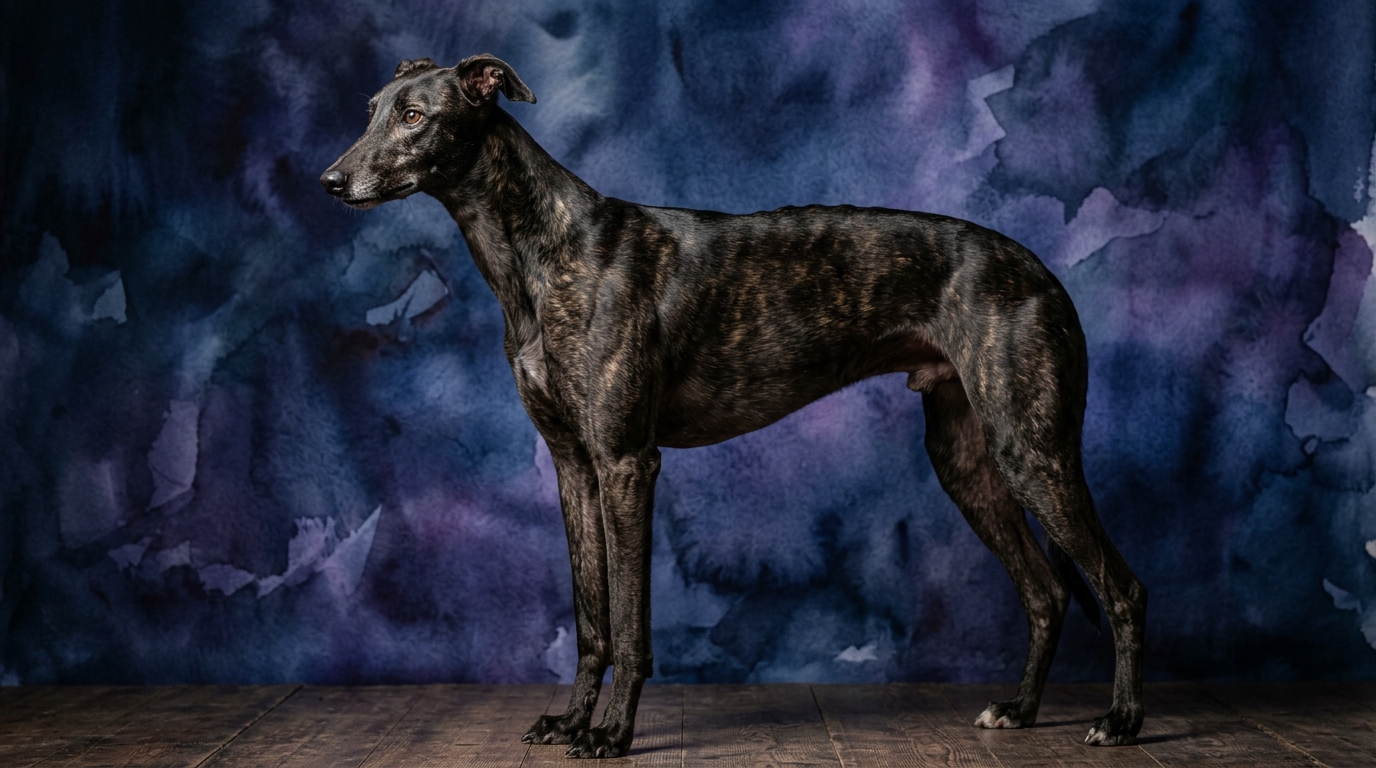
**Greyhound:** Problem Solving (3/5): Greyhounds exhibit practical problem-solving skills, particularly those related to navigating their environment efficiently during a chase or finding comfortable resting spots. Their cognitive strengths lie less in abstract puzzles and more in direct, sensory-driven solutions. Training Speed (2/5): While capable of learning, Greyhounds often require patient, consistent training methods, as their independent sighthound nature means they may prioritize an interesting scent or distant movement over human directives. They learn best when motivation is high and sessions are brief and engaging. Social Intelligence (3/5): Greyhounds possess a moderate level of social intelligence, forming deep bonds with their immediate family and understanding household routines. They tend to be reserved with strangers, observing new people and situations before engaging. Instinctive Drive (5/5): This is the Greyhound's defining cognitive trait, characterized by an exceptionally powerful prey drive and an innate urge to chase anything that moves quickly. Their minds are highly attuned to visual stimuli, processing speed and motion with remarkable efficiency. Memory (3/5): Greyhounds demonstrate a solid memory for routines, familiar people, and established commands, allowing them to adapt well to consistent household environments. Their recall for specific events or complex sequences is generally average.
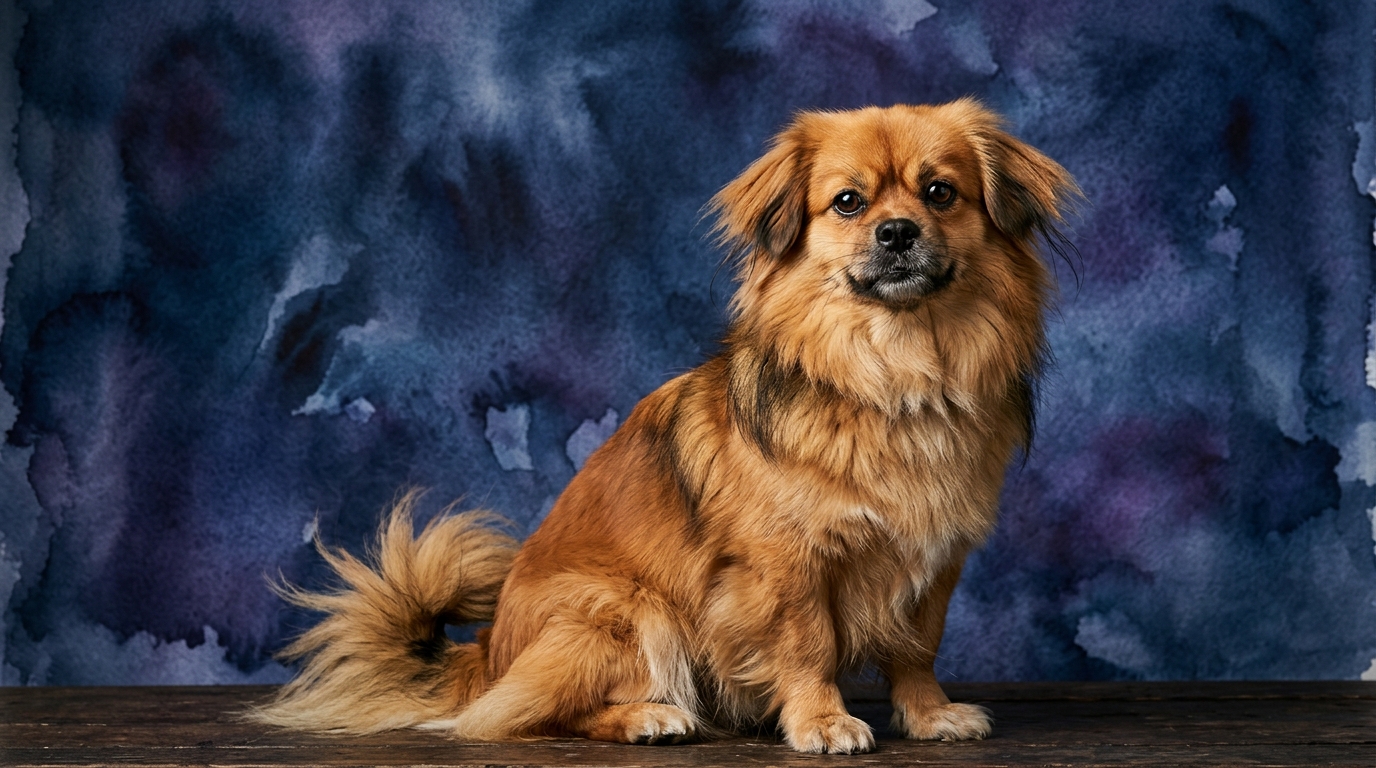
**Tibetan Spaniel:** Problem Solving (3/5): Tibetan Spaniels display practical problem-solving, adept at figuring out how to gain access to desired locations, manipulate objects for attention, or navigate complex household dynamics. Their solutions often revolve around their comfort and social needs. Training Speed (3/5): These companions typically learn at an average pace, responding well to positive reinforcement and clear, consistent instruction. While they can be spirited and have their own opinions, their desire for human interaction often makes them willing participants in training. Social Intelligence (3/5): Tibetan Spaniels possess a keen social intelligence, excellent at reading the moods and intentions of their family members. They are often discerning with strangers, preferring to observe from a distance before offering affection, a remnant of their watchful heritage. Instinctive Drive (3/5): The Tibetan Spaniel's instinctive drive is moderate, primarily expressed as a strong urge for vigilance and companionship. They have an innate desire to survey their surroundings from elevated positions and alert their humans to novel sights or sounds. Memory (3/5): Tibetan Spaniels exhibit good memory for people, places, and established routines, which contributes to their adaptability as household companions. They remember past interactions and learn from experience effectively.
Where the Greyhound's Cognition Excels
The Greyhound's cognitive architecture is fundamentally optimized for pursuit, a specialization reflected in its top-tier Instinctive Drive score of 5/5. This isn't merely a physical attribute; it's a profound cognitive advantage in target acquisition, spatial reasoning at high speeds, and the rapid processing of visual cues. Their minds are wired to detect the slightest movement across vast distances, compute trajectories, and react with split-second precision, making them unparalleled in tasks requiring focused, high-speed visual tracking. Furthermore, Greyhounds hold a Coren rank of #46, indicating a measurable capacity for learning and executing obedience commands and problem-solving tasks within a structured framework. While not always eager to comply, their ability to process and respond to these tasks, especially when motivated, surpasses many breeds, including the unranked Tibetan Spaniel, in traditional working intelligence metrics. Their problem-solving, rated 3/5, often manifests in efficient self-preservation or comfort-seeking behaviors, such as finding the optimal sunbeam or navigating obstacles to a favorite soft spot, demonstrating a practical, rather than abstract, application of their intellect.
Where the Tibetan Spaniel's Cognition Shines
The Tibetan Spaniel excels in areas that align with its historical role as a companion and vigilant observer. Their Training Speed, rated 3/5, gives them a slight edge over the Greyhound's 2/5, suggesting a generally greater amenability to structured learning. This is often fueled by their desire for interaction and positive reinforcement, making them more consistently engaged in training sessions. Their cognitive strengths are particularly evident in their nuanced Social Intelligence (3/5) and a distinct type of Instinctive Drive (3/5) focused on environmental awareness. Tibetan Spaniels demonstrate a sophisticated capacity for observing human behavior, anticipating needs, and discerning subtle changes in their surroundings, making them excellent, albeit vocal, watchdogs. Their problem-solving (3/5) often manifests in creative ways to achieve comfort or attention, like strategically placing themselves to block a path or finding clever routes to a forbidden lap, showcasing a practical, socially-oriented intelligence. This breed's cognitive focus is not on independent action but on intricate engagement with their human family and home environment.
Training Dynamics: Greyhound vs. Tibetan Spaniel
When it comes to ease of training, the Tibetan Spaniel generally presents a more straightforward experience for the average owner, primarily due to its higher Training Speed score (3/5 compared to the Greyhound's 2/5). Tibetan Spaniels are often highly motivated by food, praise, and the opportunity for close interaction, making them eager participants in positive reinforcement training. Their moderate instinctive drive means they are less likely to be overwhelmed by environmental distractions, allowing them to maintain focus on their handler during sessions. Real-world behavioral differences highlight this contrast: a Tibetan Spaniel is typically more inclined to check in with its human, making recall potentially more reliable in varied environments.
In contrast, the Greyhound's profound instinctive drive (5/5) to chase can be a significant training hurdle, particularly off-leash. A squirrel, a blowing leaf, or a distant running child can instantly override even well-established commands, as their minds are powerfully compelled by visual pursuit. Their independent nature, a hallmark of sighthounds, means they may weigh the perceived reward of following a command against the intense satisfaction of a chase, often opting for the latter. While Greyhounds are certainly trainable, their unique motivations and powerful instincts demand a more nuanced, patient, and highly secure approach, often requiring specialized containment or training environments to manage their chase drive safely.
Suiting Lifestyles: Active vs. Relaxed Owners
The cognitive and behavioral profiles of these two breeds naturally align with different owner lifestyles. Active owners who value bursts of intense physical activity and appreciate an independent yet affectionate companion will find the Greyhound an excellent match. Despite their “45 mph couch potato” moniker, Greyhounds possess an immense instinctive drive (5/5) for running, requiring access to securely fenced areas where they can safely express their incredible speed and chase instincts. Owners who enjoy long, brisk walks, have opportunities for lure coursing, or simply possess a large, safe yard will best cater to the Greyhound's need to stretch its legs and satisfy its primal urge for movement. Their quiet and calm demeanor indoors belies their powerful outdoor energy, making them ideal for someone who appreciates both a serene home presence and an exhilarating outdoor partner.
Conversely, the Tibetan Spaniel is perfectly suited for more relaxed owners who prioritize constant companionship, a watchful presence, and a moderate activity level. Their instinctive drive (3/5) leans towards vigilance and social interaction rather than high-speed pursuit, making them content with shorter, regular walks, indoor play, and ample lap time. Tibetan Spaniels thrive on being part of the family's daily activities, observing their surroundings with keen interest and offering alerts to anything new. Their adaptability allows them to fit seamlessly into smaller living spaces or less physically demanding routines, provided they receive consistent mental stimulation through training, puzzles, and plenty of affectionate interaction. Owners who prefer a charming, perceptive, and less physically demanding companion will find the Tibetan Spaniel a delightful addition to their home.
The Verdict
Choose the Greyhound if you are drawn to a serene, independent companion with an unparalleled drive for speed, and you can provide secure, expansive environments for them to safely express their innate chasing instincts.
Opt for the Tibetan Spaniel if you desire an attentive, charming, and highly adaptable companion who thrives on close interaction, offers a watchful presence, and fits well into a moderately active, family-focused lifestyle.
🧠 Find Your Pet's IQ Score
Our Pet IQ Lab assessment covers 25+ tests across 5 cognitive dimensions — personalized to your breed.
Take the Full IQ Test →Frequently Asked Questions
Are Greyhounds difficult to train due to their speed?
Greyhounds aren't inherently difficult, but their strong instinctive drive to chase means they require consistent, positive reinforcement training and secure environments, especially for off-leash activities like recall. Their independent nature means they might choose to follow a visual stimulus over a command if not properly motivated and managed.
Do Tibetan Spaniels need a lot of exercise?
Tibetan Spaniels have moderate exercise needs, enjoying daily walks and playtime but not requiring intense, prolonged activity. Their contentment often comes from being near their family, making them adaptable to various living situations as long as they receive mental stimulation and social interaction.
How do their social behaviors differ with strangers?
Both breeds tend to be reserved with strangers initially, a trait rooted in their respective histories. Greyhounds often observe new people calmly from a distance before engaging, while Tibetan Spaniels, true to their watchdog heritage, might be more vocal in alerting their family to new arrivals before warming up.