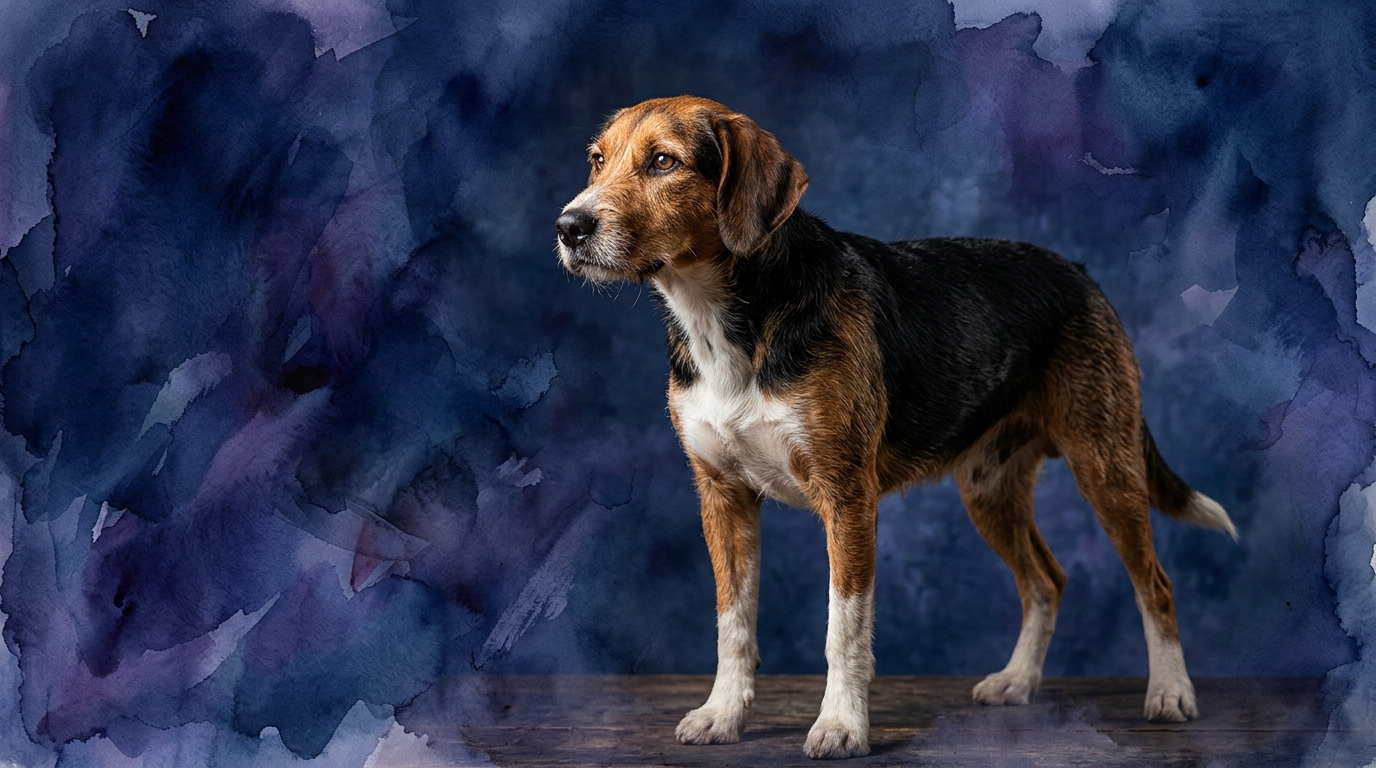
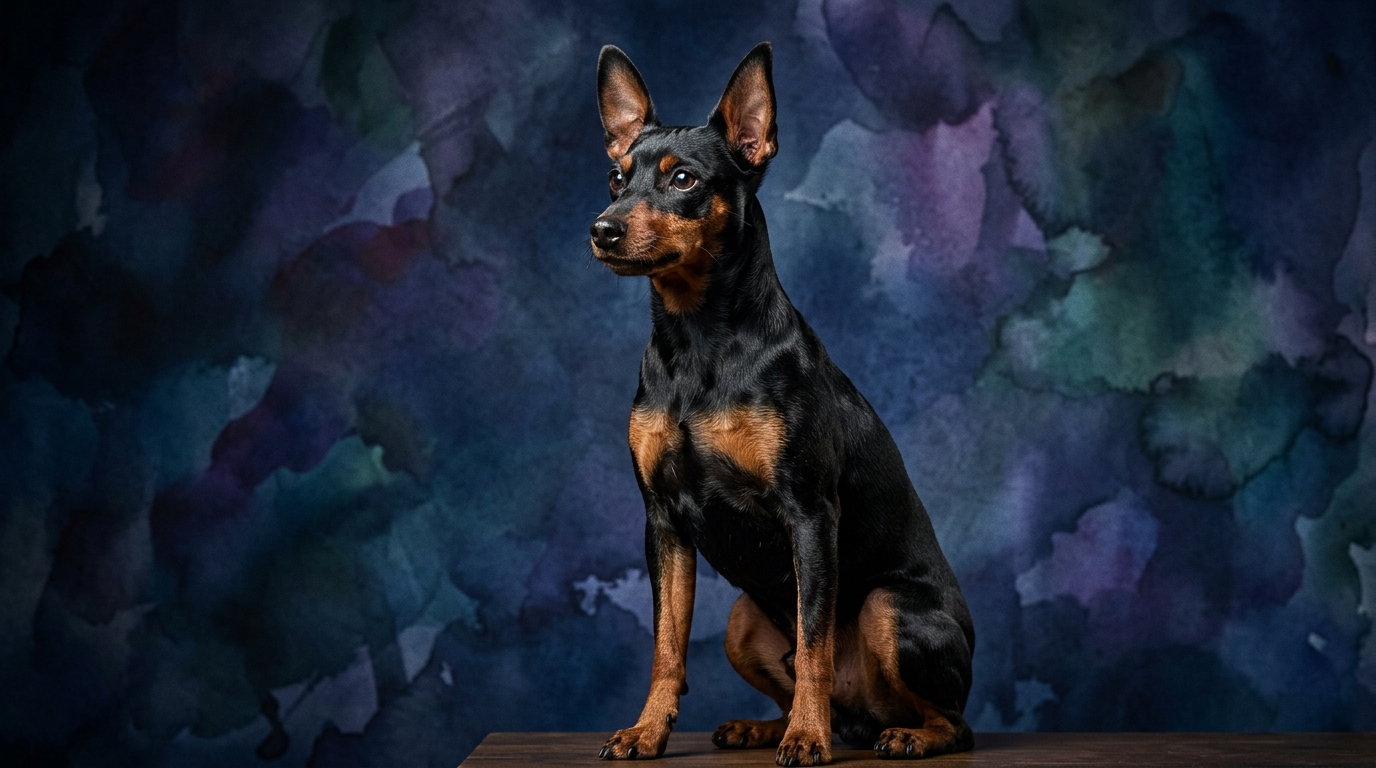
Side-by-Side IQ Profile: Harrier vs. Miniature Pinscher
At The Cosmic Pet Pet IQ Lab, we analyze canine intelligence across five crucial dimensions, offering a granular view of each breed's mental prowess. Both the Harrier and the Miniature Pinscher register a 3/5 across the board, suggesting a balanced, functional intelligence rather than a specialized genius in one area. However, the application of these scores varies dramatically between the two.
For the **Harrier**, its Problem Solving score of 3/5 is deeply rooted in its pack hunting heritage, manifesting as an ability to navigate complex outdoor terrain, decipher intricate scent trails, and strategize within a group to locate quarry. Its Training Speed, also 3/5, indicates a dog that can learn effectively, though often requiring patience and motivation that aligns with its strong instinctive drives. Social Intelligence at 3/5 reflects its capacity for cooperative behavior within a pack, reading other dogs and human handlers during a hunt, but perhaps less attuned to the subtle emotional shifts of a single human companion. The Harrier's Instinctive Drive, a robust 3/5, centers on its unwavering focus on scent and its endurance for long pursuits, while its Memory, 3/5, is particularly adept at recalling intricate routes, scent patterns, and the roles of pack members over time and distance.
The **Miniature Pinscher**, despite identical numerical scores, demonstrates these traits in a fundamentally different context. Its Problem Solving at 3/5 is often applied to more domestic challenges, such as figuring out how to access a forbidden treat, manipulating toys for sustained engagement, or navigating the intricacies of a home environment to achieve a desired outcome. A 3/5 in Training Speed means the Min Pin can pick up commands with reasonable pace, but its independent and often opinionated nature can make consistent execution a training challenge. Social Intelligence, 3/5, is expressed through its keen observation of human behavior, often using these insights to gain attention or resources, and a strong territorial awareness towards strangers. The Miniature Pinscher's Instinctive Drive, also 3/5, leans towards vigilant guarding, a powerful prey drive for small vermin, and a bold self-assuredness that belies its size. Its Memory, 3/5, excels at recalling routines, specific commands, and the dynamics of its human household, remembering who provides what and when.
Where the Harrier Wins Cognitively
The Harrier's cognitive strengths distinctly shine in environments that celebrate its hound heritage. Its sustained focus and determination in scent-driven tasks are unparalleled by the Miniature Pinscher. A Harrier can hold a complex scent trail in its mind for extended periods, processing environmental distractions while maintaining its primary objective. This isn't just about speed, but about a methodical, persistent form of problem-solving over long distances and varied terrain. Its memory for intricate outdoor routes and the nuances of a scent profile demonstrates a spatial and sensory intelligence that far surpasses the Min Pin's domestic-focused recall. Furthermore, the Harrier’s inherent cooperative intelligence, developed through generations of working in packs, gives it an edge in understanding and executing group strategies, a skill less emphasized in the independent Miniature Pinscher.
Where the Miniature Pinscher Wins Cognitively
Conversely, the Miniature Pinscher exhibits a quick-witted, adaptive intelligence perfectly suited to a domestic setting. Its problem-solving often involves creative strategies for navigating human rules or obtaining desired items, such as figuring out how to open a cabinet or outmaneuver a gate. This breed's social intelligence, while perhaps not geared for pack hunting, is remarkably adept at reading human emotions and intentions, often using these insights for attention or to subtly manipulate situations. Their vigilance and rapid assessment of perceived threats, though sometimes leading to excessive barking, showcase a sharp cognitive processing of their immediate surroundings. The Min Pin's memory for daily routines, specific human interactions, and the precise location of treats or toys within the home environment is often superior to the Harrier's broader, outdoor-centric recall, demonstrating a highly practical, localized intellect.
Which is Easier to Train and Why
When considering ease of training, both breeds present unique challenges that stem directly from their cognitive profiles and instinctive drives. The Harrier's strong independent scent drive means that once a compelling scent is engaged, its focus on human commands, particularly recall, can diminish significantly. Training a Harrier requires immense patience, consistent high-value rewards, and a deep understanding of its hound nature, often channeling its drive into activities like tracking or scent work rather than trying to suppress it entirely. Their endurance means they can be persistent in following a trail, making consistent boundaries and a secure environment crucial for their safety.
The Miniature Pinscher, while capable of learning quickly, often couples this ability with an opinionated and independent streak. They can become easily bored by repetition and may exhibit 'selective hearing' if a more stimulating activity or perceived threat captures their attention. Training a Min Pin demands engaging, varied methods, and firm, consistent boundaries from an early age to manage their bold personalities and potential for territorial behaviors. While their smaller size might make their physical management easier, their spirited mental engagement requires an owner who can maintain their interest and establish clear leadership. Neither breed is 'easy' in the sense of being passively compliant; both require an owner dedicated to understanding their specific motivations and cognitive quirks.
Suitability for Active vs. Relaxed Owners
The **Harrier** is unequivocally suited for active owners. This breed demands significant physical exercise and robust mental stimulation, ideally involving activities that engage its powerful scenting abilities. Long, vigorous walks, hikes, and participation in dog sports like tracking, agility, or even simulated hunting scenarios are essential for a Harrier's well-being. An owner who enjoys spending considerable time outdoors, can provide consistent, engaging activities, and understands the commitment required for a dog with substantial endurance and a strong prey drive will find a Harrier a rewarding companion. This is not a breed for a sedentary lifestyle; their pent-up energy without an outlet can lead to destructive behaviors.
The **Miniature Pinscher**, while compact, is far from a relaxed, low-energy companion. They possess a surprising amount of stamina and require regular physical activity, typically 30-60 minutes of brisk walks daily, combined with interactive play sessions. Their mental stimulation often comes from engaging with their environment, 'guarding' their home territory (even if from a window), and participating in playful, interactive games with their owners. They suit owners who appreciate a spirited, bold personality in a smaller package, are consistent with routines, and enjoy interactive play. While they might tolerate more indoor living than a Harrier, they are not for truly relaxed or sedentary individuals who cannot commit to their daily physical and mental enrichment.
The Verdict
Choose the Harrier if you are an active, outdoors-loving individual who understands and is prepared to channel a strong hound instinct into structured activities like scent work and endurance exercises, valuing a dog with robust physical and mental stamina.
Opt for the Miniature Pinscher if you desire a bold, spirited, and intelligent companion in a compact form, are prepared to provide consistent training to manage a strong personality, and enjoy engaging in interactive play and maintaining clear household routines.
🧠 Find Your Pet's IQ Score
Our Pet IQ Lab assessment covers 25+ tests across 5 cognitive dimensions — personalized to your breed.
Take the Full IQ Test →Frequently Asked Questions
Are Harriers good family dogs?
Harriers can be wonderful family dogs, especially if raised with children and other pets, as their pack orientation generally means they enjoy companionship. However, their strong scent drive necessitates a securely fenced yard and consistent training to prevent them from following their nose and wandering.
Do Miniature Pinschers bark a lot?
Miniature Pinschers can be prone to barking, particularly when alerting to perceived threats, strangers, or even unusual sounds near their territory. Consistent training, early socialization, and teaching appropriate vocalization cues can help manage this tendency effectively.
How much exercise do these breeds need daily?
Harriers require substantial daily exercise, typically an hour or more of vigorous activity like running or long walks where they can actively engage their noses. Miniature Pinschers, despite their size, are also active and benefit from 30-60 minutes of daily walks and interactive play to satisfy their energetic and curious nature.