Side-by-side IQ profile
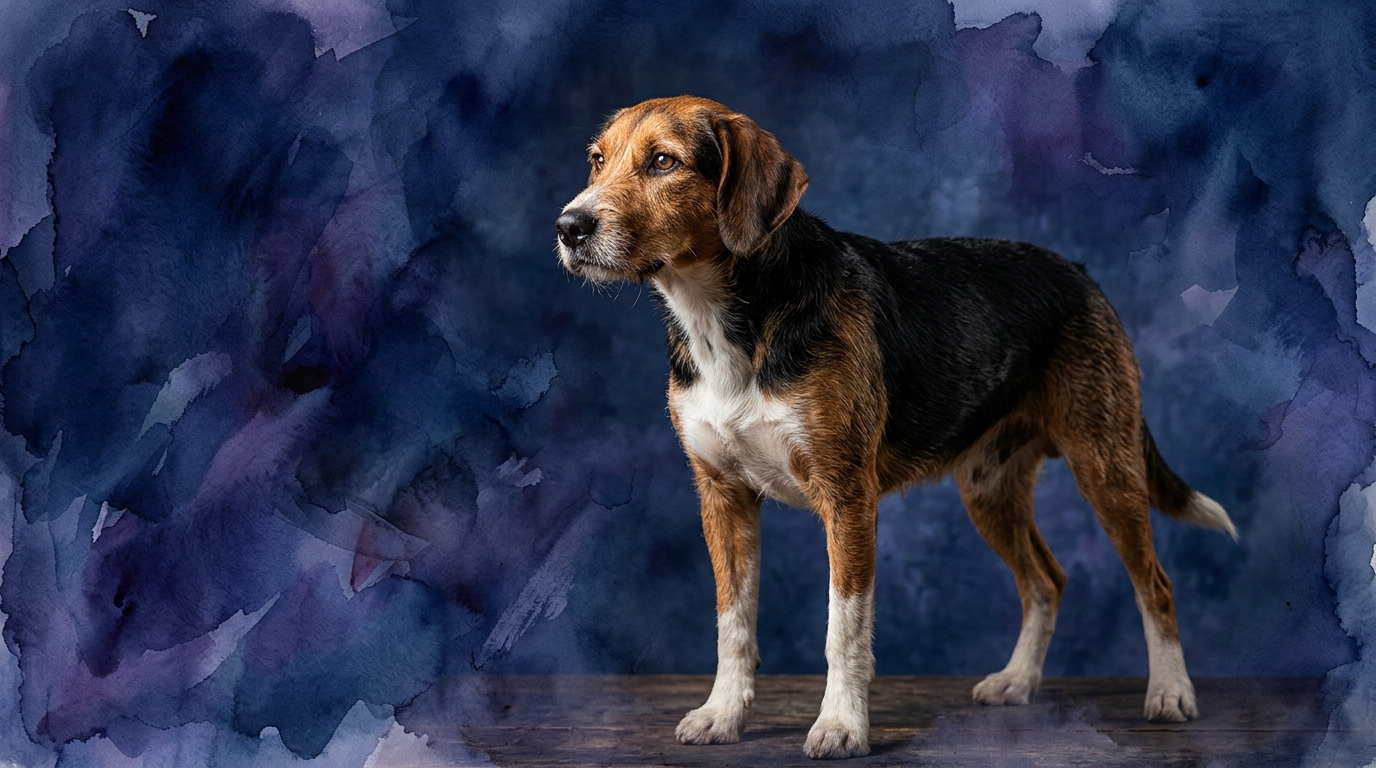
The Harrier's Cognitive Blueprint: Rooted in centuries of pack hunting, the Harrier's intelligence is finely tuned for cooperative pursuit. Their Problem Solving (3/5) manifests in dissecting complex scent trails and navigating varied terrain as part of a collective. Training Speed (3/5) reflects their capacity to learn commands crucial for group coordination, though their independent hound nature means consistency requires patience. Social Intelligence (3/5) is evident in their ability to integrate into a pack, understanding both canine and human cues within a hunting scenario. Instinctive Drive (3/5) is a powerful, persistent prey drive, focusing intensely on scent. Their Memory (3/5) is robust for recalling specific trails, familiar hunting grounds, and the routines associated with their work.
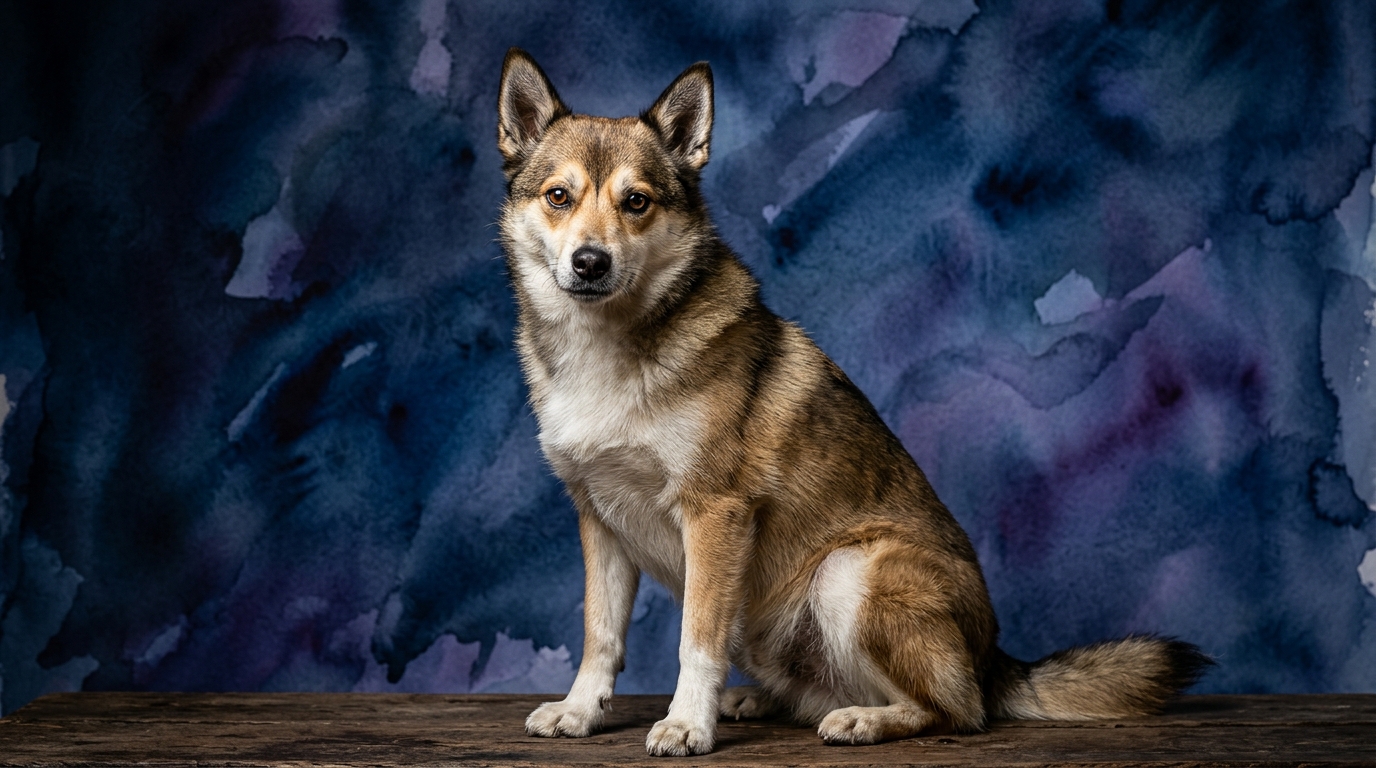
The Norwegian Lundehund's Cognitive Blueprint: The Lundehund’s cognitive abilities are sculpted by its unique history of hunting puffins in perilous coastal cliffs and caves. Their Problem Solving (3/5) shines in navigating incredibly confined, intricate spaces, extracting prey from crevices, and adapting to unforgiving environments. Training Speed (3/5) is marked by their aptitude for learning specific, often physical, tasks related to their hunting, but their profound independence and self-reliance can make general obedience a long-term project. Social Intelligence (3/5) is typically directed towards their immediate human companions, often displaying a reserved but loyal bond, rather than broad group social dynamics. Their Instinctive Drive (3/5) is a highly specialized hunting drive, paired with extraordinary agility and perseverance in challenging physical situations. Memory (3/5) is crucial for recalling complex pathways, specific hunting locations, and the intricate movements required for their specialized tasks.
Where Harrier wins cognitively
The Harrier's cognitive edge largely stems from its pack-hunting heritage, fostering strengths in collaborative intelligence. They exhibit superior cooperative problem-solving, particularly when a task, like tracking a scent, requires coordinated effort among multiple individuals. Harriers are generally more adept at reading human body language and vocal cues within a structured, goal-oriented context, making them responsive partners in activities that demand synchronized action. Their intelligence excels in sustained focus on a singular, broad objective, such as following an extensive scent line over long distances, demonstrating remarkable endurance in mental tracking. Furthermore, their cognitive framework is better suited to adapting to structured routines involving multiple participants, where each dog and handler plays a defined role in achieving a collective aim. This collective intelligence, forged over generations, allows them to process and react to environmental information in a way that benefits the entire group.
Where Norwegian Lundehund wins cognitively
The Norwegian Lundehund's unique evolutionary path has endowed it with distinct cognitive advantages, particularly in independent problem-solving and environmental mastery. They display exceptional spatial reasoning and navigation skills, crucial for maneuvering through the intricate, often three-dimensional, environments of rocky crevices and caves where they hunted puffins. Their cognitive processes are finely tuned for independent problem-solving when confronted with physical obstacles or the challenge of retrieving prey from difficult, isolated spots, often without direct human guidance. This breed possesses a remarkable ability to integrate its physical dexterity—like its extra toes and flexible neck—with its cognitive solutions, showcasing a unique form of applied intelligence. Furthermore, Lundehunds exhibit a stronger sense of self-preservation and an acute ability to assess risk in dangerous environments, a cognitive trait vital for their survival in treacherous hunting grounds. Their intelligence is geared towards autonomous decision-making and innovation in physically demanding situations.
Which is easier to train and why
When evaluating ease of training, both breeds score 3/5, indicating a moderate challenge, but the underlying reasons differ significantly. The Harrier, with its pack-oriented background, tends to be marginally easier to train for general obedience and cooperative tasks. Their desire to work as part of a group, even if that "pack" is a human family, provides a motivational lever; they respond well to positive reinforcement and consistent methods that leverage their natural inclination to follow a leader or work alongside a handler. However, their potent scent drive can easily override commands if an intriguing smell captures their attention, requiring diligent distraction management.
The Norwegian Lundehund, conversely, presents a more unique training landscape. Their historical role demanded profound self-reliance and autonomous decision-making in challenging environments, leading to a strong, independent streak. This means they are often less motivated by pleasing their handler and more by intrinsic reward or their own assessment of a situation. Training a Lundehund requires immense patience, creativity, and a deep understanding of their unique drives and motivations. They can be perceived as stubborn, but this is often a manifestation of their cognitive independence rather than defiance. A trainer must find ways to make learning intrinsically rewarding for the Lundehund, often through puzzle-solving or activities that mimic their natural hunting behaviors. Therefore, while both require dedicated effort, the Harrier's training often feels more like guiding a cooperative partner, whereas the Lundehund's requires engaging a highly independent thinker.
Which suits active owners vs relaxed owners
Neither the Harrier nor the Norwegian Lundehund is suited for a relaxed, sedentary owner; both require substantial engagement, though the nature of that engagement diverges. The Harrier thrives with active owners who can provide ample opportunities for sustained physical exercise, particularly long runs, hikes, or vigorous play. Their powerful scent drive also means they benefit immensely from mental stimulation through scent work, tracking games, or structured outdoor exploration. Owners who enjoy participating in dog sports like agility or obedience, and can commit to daily, robust physical activity, will find a Harrier a rewarding companion.
The Norwegian Lundehund also demands an active owner, but one who appreciates a different kind of activity. While they need regular exercise, their activity is often more about intricate exploration, climbing, and navigating complex environments rather than simply running for miles. Owners who enjoy agility, puzzle toys, or creating mentally stimulating "courses" in their backyard will engage a Lundehund's unique problem-solving and physical dexterity. Their independent nature also means they need significant mental stimulation to prevent boredom, which can otherwise lead to destructive behaviors. Therefore, while both require an active lifestyle, the Harrier suits endurance-focused activities, whereas the Lundehund thrives on challenges that engage their unique spatial and independent problem-solving skills.
The Verdict
Choose a Harrier if you are an active owner seeking a cooperative companion for long runs, scent work, and group activities, who appreciates a dog that can blend independent tracking with structured routines.
Opt for a Norwegian Lundehund if you are prepared for a highly independent, agile problem-solver, value engaging a dog in complex exploratory activities, and are committed to patient, creative training methods.
🧠 Find Your Pet's IQ Score
Our Pet IQ Lab assessment covers 25+ tests across 5 cognitive dimensions — personalized to your breed.
Take the Full IQ Test →Frequently Asked Questions
Do Harriers and Norwegian Lundehunds get along well with other pets?
Harriers generally do well with other dogs, especially if raised together, due to their pack heritage. Their strong prey drive, however, means small non-canine pets might be a challenge. Norwegian Lundehunds can coexist with other dogs and cats, but their independent nature often means they are more tolerant than overtly social; early socialization is key for both breeds.
Are these breeds suitable for apartment living?
Neither breed is ideally suited for apartment living without significant commitment to outdoor activity and mental stimulation. Harriers require space for running and scent exploration, needing robust daily exercise. Norwegian Lundehunds, while smaller, need outlets for their climbing and exploratory instincts, and can become destructive if confined and bored.
What are the primary health concerns for Harriers and Norwegian Lundehunds?
Harriers are generally a robust breed, but can be prone to hip and elbow dysplasia, eye conditions, and hypothyroidism. Norwegian Lundehunds have a unique set of concerns, including Lundehund Syndrome (intestinal lymphangiectasia and protein-losing enteropathy), patellar luxation, and eye issues. Prospective owners should research these breed-specific health challenges thoroughly.