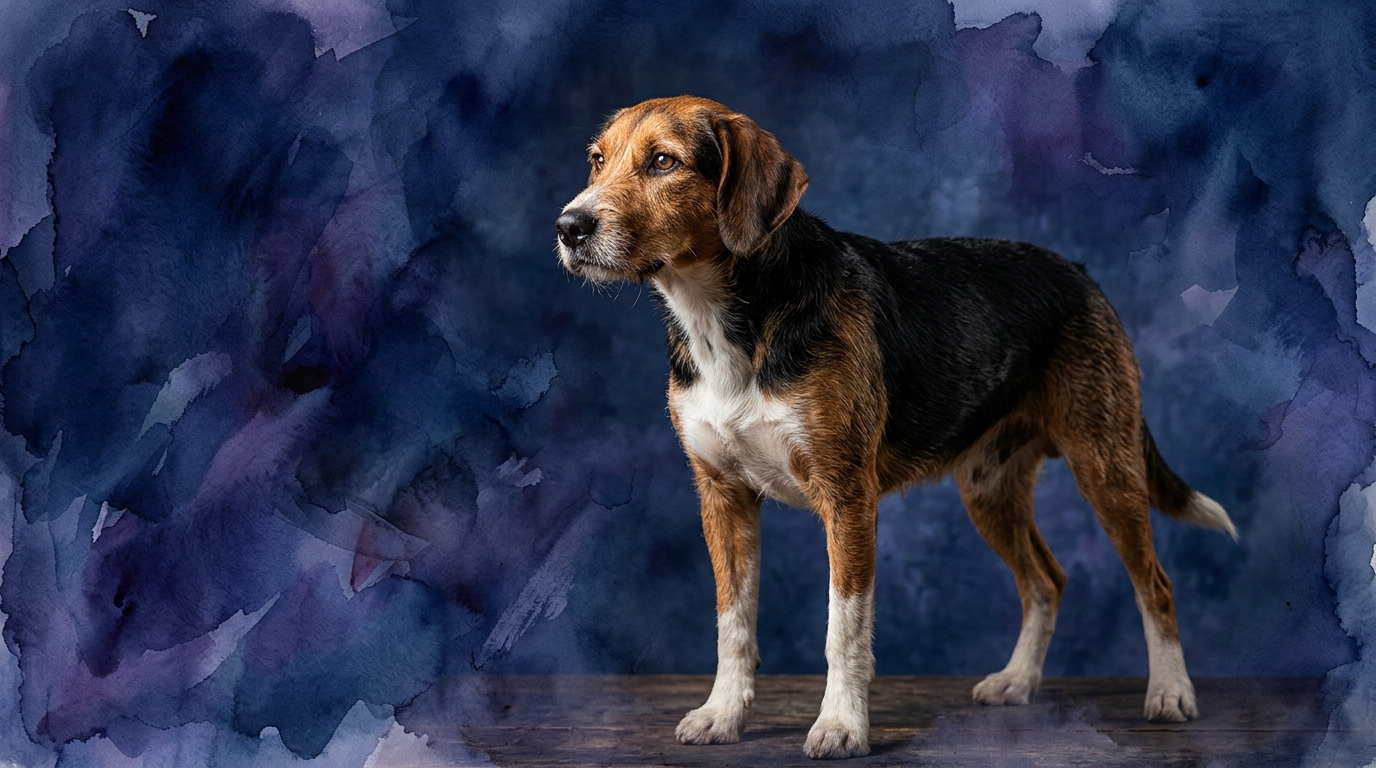
Side-by-Side IQ Profile: Harrier
The Harrier, a robust hound, embodies a practical, field-oriented intelligence. Their Problem Solving, rated 3/5, is deeply rooted in sequential reasoning for tracking. This isn't about abstract puzzles, but rather the intricate process of following a scent, making decisions at forks in a trail, and adapting to environmental shifts to pursue quarry. Their cognition is a testament to sustained focus in dynamic, often challenging, outdoor settings.
Training Speed, also 3/5, reflects a capacity to learn but with a caveat: their powerful Instinctive Drive (3/5) towards scent often takes precedence. A Harrier can grasp commands quickly, but an enticing scent can momentarily override compliance, requiring consistent, high-value reinforcement to maintain focus. This drive is not merely physical; it's a cognitive lens through which they interpret their world, making olfactory exploration a primary motivator.
Social Intelligence (3/5) for the Harrier is keenly developed within a pack context. They excel at understanding group dynamics, cooperating with other dogs, and forming strong, loyal bonds with their human 'pack.' Their Memory (3/5) is particularly adept at recalling scent patterns, familiar territories, and the routines associated with hunting or exercise, though a fresh, compelling scent can temporarily eclipse other recalled information.
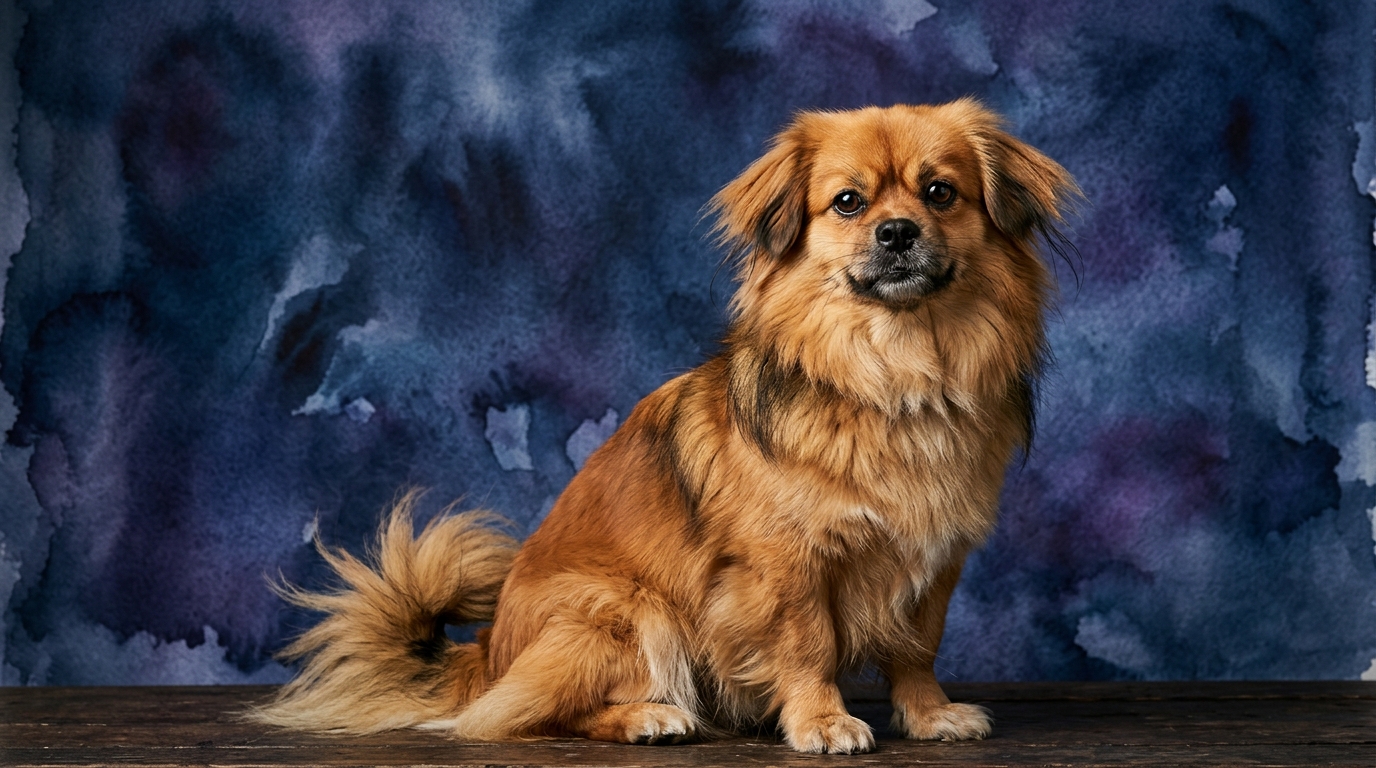
Side-by-Side IQ Profile: Tibetan Spaniel
The Tibetan Spaniel, a breed steeped in monastery life as a companion and watchdog, exhibits a more nuanced, socially-oriented intelligence. Their Problem Solving (3/5) tends to manifest in domestic contexts: figuring out how to gain a better vantage point, subtly communicating their needs or desires, or even manipulating situations to their advantage for comfort or attention. They are astute observers, often learning by watching human behavior and routines.
Their Training Speed (3/5) is good, but paired with an independent streak. Tibetan Spaniels learn readily when motivated, yet their 'cat-like' nature means they might choose to comply only if they perceive value in the command. Their Instinctive Drive (3/5) is less about physical pursuit and more about vigilance and companionship. They are driven to observe their environment, alert to changes, and maintain close proximity to their chosen humans, often from elevated positions.
Social Intelligence (3/5) is a hallmark, allowing them to read human moods and household dynamics with precision. They bond deeply and are discerning with strangers, demonstrating an innate understanding of social cues and boundaries. Their Memory (3/5) is excellent for recalling people, established routines, and the consequences of past actions, making them highly responsive to consistent positive reinforcement and sensitive to perceived unfairness.
Where the Harrier Wins Cognitively
While both breeds score identically, the Harrier's cognitive strengths shine in specific domains. Their problem-solving prowess, for instance, is unrivaled when it comes to sustained, single-minded focus on a complex sensory task. A Harrier can meticulously unravel a scent trail, ignoring distractions, and making continuous, real-time decisions based on subtle olfactory cues. This sustained cognitive effort over varying terrains and conditions is a testament to their specialized intelligence.
Furthermore, Harriers demonstrate superior cooperative intelligence within a dynamic group setting. Their history as pack hunters means they understand and execute roles within a collective effort, coordinating movements and communication with other dogs or handlers to achieve a shared goal. This ability to integrate individual action into a cohesive group strategy is a distinct cognitive advantage rooted in their ancestral purpose.
Where the Tibetan Spaniel Wins Cognitively
In contrast, the Tibetan Spaniel excels in areas demanding subtle observation and social acumen. Their social intelligence allows for an exceptional ability to read human body language, vocal inflections, and even moods, often anticipating needs or reacting to unspoken cues. This sophisticated understanding of human communication and household dynamics enables them to be remarkably attuned and responsive companions, a cognitive skill refined over centuries of close interaction.
Their problem-solving within a domestic setting also demonstrates a unique flair. Tibetan Spaniels frequently employ clever strategies to achieve comfort or attention, whether by finding the warmest sunbeam, strategically placing themselves for maximum interaction, or using vocalizations and nudges to communicate their desires. This adaptive environmental problem-solving, coupled with their keen memory for routines, allows them to navigate and influence their home world with considerable finesse.
Which is Easier to Train and Why
Assessing 'easier to train' between these two breeds requires understanding their distinct motivations and challenges, despite both having a 3/5 Training Speed. The Harrier's primary training hurdle is its powerful, often all-consuming, instinctive drive to follow scent. This means that while they can quickly learn commands in a controlled environment, consistent recall in an open, stimulating outdoor setting can be a significant challenge. Training requires immense patience, creativity in making compliance more rewarding than the thrill of the chase, and a deep understanding of their hound nature.
The Tibetan Spaniel, conversely, presents training challenges rooted in its independent and sometimes discerning nature. They are not always eager to please for its own sake and may question the necessity of a command or offer an alternative behavior if it suits them better. They respond best to positive reinforcement, variety, and trainers who earn their respect through fair and consistent methods. Repetitive drills can quickly lead to boredom or stubbornness, requiring engaging, reward-based approaches that tap into their desire for companionship and mental stimulation.
Which Suits Active Owners vs. Relaxed Owners
For owners seeking an active companion, the Harrier is undoubtedly the more fitting choice. Their cognitive profile is intrinsically linked to sustained physical activity, exploration, and mental engagement through scent work. They thrive when given ample opportunities to run, track, and investigate, channeling their instinctive drives into productive outlets. Owners who enjoy long hikes, scent games, or even dog sports like tracking and agility will find the Harrier to be a fulfilling and energetic partner, whose mental and physical needs align perfectly with an adventurous lifestyle.
The Tibetan Spaniel, while appreciative of regular walks and mental engagement, is better suited for owners who prefer a more relaxed home environment. Their cognitive strengths lie in observation, social interaction, and navigating domestic spaces. They benefit from puzzle toys, short training sessions, and opportunities to survey their surroundings from a comfortable perch. Owners who enjoy a watchful, affectionate companion that is highly attuned to the nuances of home life and values subtle communication will find the Tibetan Spaniel to be an ideal match, offering companionship without the demand for strenuous daily exercise.
The Verdict
Choose the Harrier if you are an active individual or family who thrives outdoors, can provide consistent, engaging training to channel a powerful scent drive, and appreciates a robust, cooperative companion for adventurous pursuits.
Choose the Tibetan Spaniel if you seek a watchful, independent yet devoted companion for a more relaxed home environment, value subtle communication and a keen observer, and are prepared to engage their clever minds with varied, positive reinforcement and enriching domestic interactions.
🧠 Find Your Pet's IQ Score
Our Pet IQ Lab assessment covers 25+ tests across 5 cognitive dimensions — personalized to your breed.
Take the Full IQ Test →Frequently Asked Questions
Are Harriers good apartment dogs?
Harriers can adapt to apartment living if their significant exercise and mental stimulation needs are met. They require daily vigorous exercise, including opportunities for scent work and long walks, to prevent boredom and destructive behaviors.
Do Tibetan Spaniels bark a lot?
Tibetan Spaniels are known for being excellent watchdogs and will bark to alert their owners to new arrivals or perceived threats. While they can be trained to moderate their barking, their innate vigilance means they are naturally vocal.
How much exercise do Harriers need daily?
Harriers require a substantial amount of daily exercise, typically at least one to two hours of vigorous activity. This should include opportunities for running, exploring, and engaging their powerful sense of smell through activities like scent games or tracking.