Side-by-Side Cognitive Profiles: Havanese and Great Pyrenees
The Cosmic Pet Pet IQ Lab provides a structured framework to evaluate canine intelligence across five key dimensions: Problem Solving, Training Speed, Social Intelligence, Instinctive Drive, and Memory. While both the Havanese and Great Pyrenees share identical scores in several areas, their overall cognitive landscape is profoundly shaped by their breed histories and inherent predispositions, offering a rich tapestry for comparison.
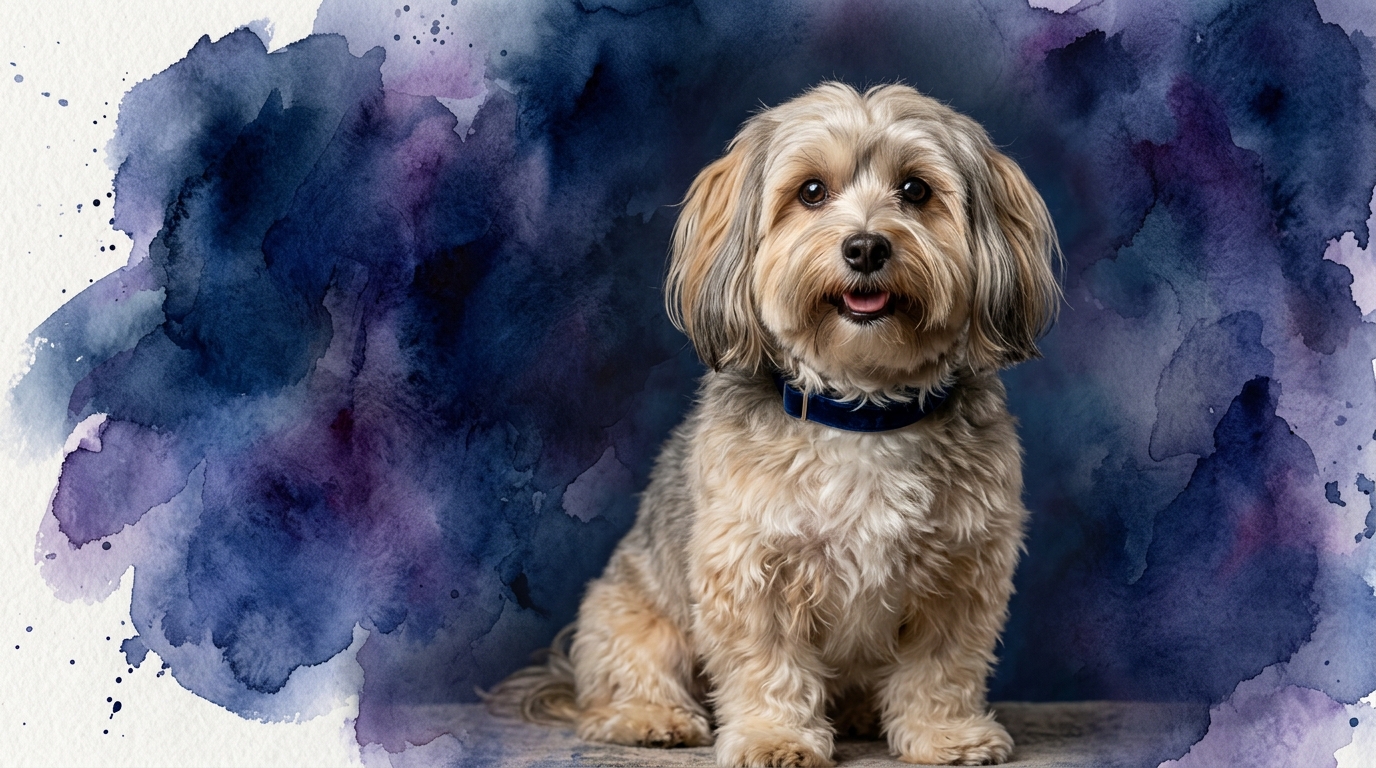
The Havanese, a delightful Toy breed, presents a cognitive profile indicating a moderate capacity for Problem Solving (3/5) and Training Speed (3/5). Their Social Intelligence stands out remarkably at a perfect 5/5, suggesting an exceptional ability to read and interact with human emotions and social cues. Instinctive Drive is relatively low (2/5), reflecting a breed primarily developed for companionship rather than independent tasks, and their Memory is rated at a solid 3/5. This blend points to a dog whose mental strengths are deeply intertwined with their desire for connection.
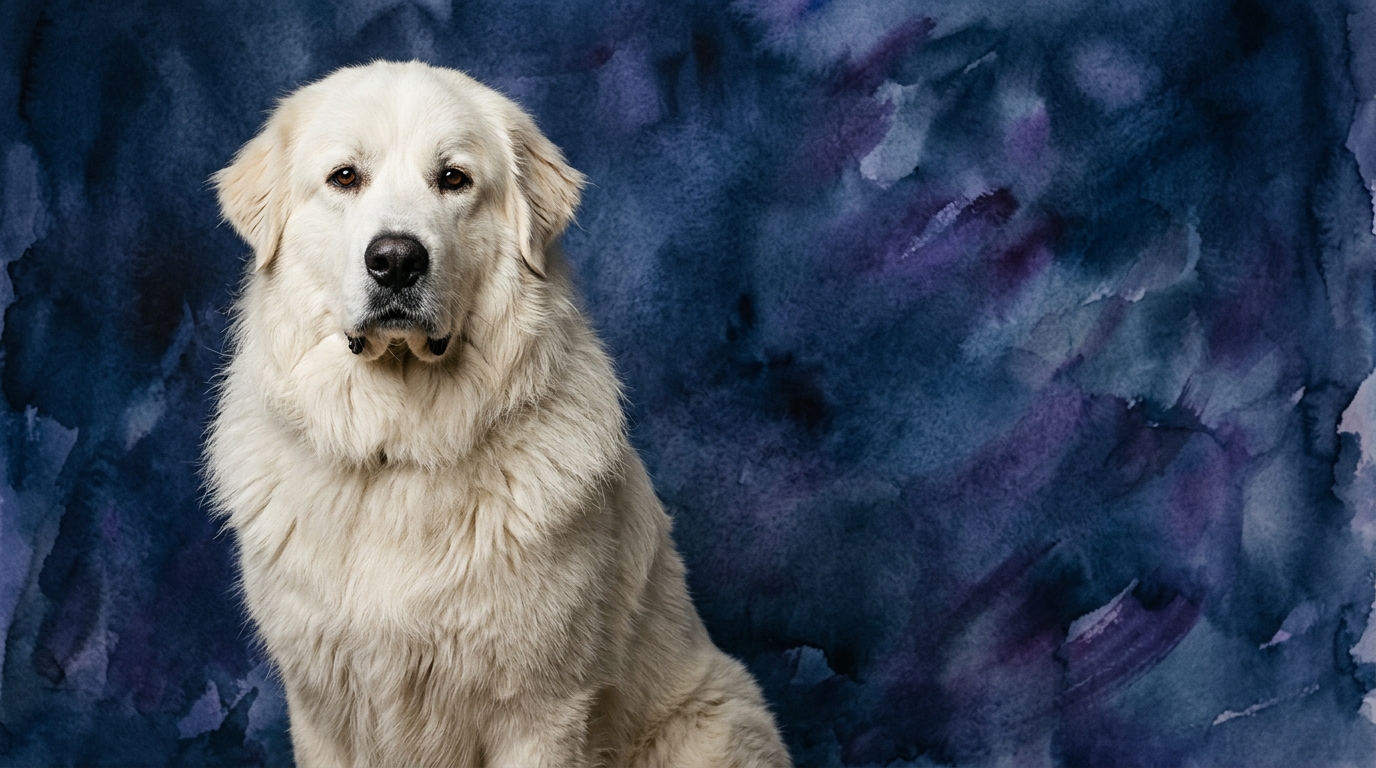
In contrast, the Great Pyrenees, a formidable Working breed, also scores 3/5 in Problem Solving, Training Speed, and Memory, aligning with the Havanese in these specific metrics. However, their Social Intelligence is rated at 3/5, indicating a more measured approach to human interaction compared to the Havanese's exuberance. Critically, their Instinctive Drive is higher at 3/5, a clear nod to their historical role as independent livestock guardians. This breed's cognitive architecture is built for self-sufficiency and vigilance, reflected in their Coren ranking of #64 among breeds for working and obedience intelligence, a measure absent for the Havanese.
Where the Havanese Shines Cognitively
The Havanese's standout cognitive advantage lies unequivocally in their Social Intelligence, scoring a rare 5/5. This isn't merely about being friendly; it signifies a profound capacity to understand, interpret, and adapt to human social dynamics. A Havanese can often anticipate an owner's mood or intentions, responding with tailored behaviors—offering comfort, initiating play, or simply settling quietly nearby.
This exceptional social acumen means a Havanese often forms incredibly tight, intuitive bonds with their human companions. They excel in activities that require close cooperation and a keen awareness of human cues, such as advanced trick training, therapy work, or even just navigating complex social situations like crowded public spaces with ease. Their ability to seamlessly integrate into family life and respond to subtle social signals makes them exceptionally perceptive and adaptable companions, thriving on reciprocal emotional engagement rather than independent tasks.
Where the Great Pyrenees Excels Cognitively
While sharing similar scores in Problem Solving, Training Speed, and Memory, the Great Pyrenees' cognitive strengths are best understood through the lens of their Instinctive Drive (3/5) and historical purpose. Their problem-solving abilities are often geared towards autonomous decision-making in the absence of human direction, a critical trait for a livestock guardian. This means they are adept at assessing environmental threats, discerning friend from foe, and acting independently to protect their charges.
Their cognitive wins are rooted in vigilance and self-reliance. A Great Pyrenees might not be quick to learn a complex trick in a structured class, but their problem-solving truly shines when they need to strategically deter a predator or navigate a large pasture to check on their flock. Their memory supports this by retaining knowledge of their territory and the individuals within it. While their Social Intelligence is a moderate 3/5, it's sufficient for forming bonds with their family while maintaining the necessary detachment for their working role, ensuring they don't become overly reliant on human directives when on guard.
Training Dynamics: Havanese vs. Great Pyrenees
Despite both breeds scoring 3/5 in Training Speed, the *experience* of training a Havanese versus a Great Pyrenees can feel remarkably different due to their divergent social intelligence and instinctive drives. A Havanese, with their 5/5 Social Intelligence, is often highly motivated by praise, positive reinforcement, and the sheer joy of engaging with their human. They are eager to please and quick to pick up on what elicits a positive response from their owner, making training sessions feel collaborative and rewarding. Their lower instinctive drive means fewer innate distractions stemming from independent urges, allowing them to focus more readily on human-led tasks.
The Great Pyrenees, on the other hand, presents a different training landscape. Their independent nature, stemming from a higher Instinctive Drive (3/5) and a history of making their own decisions in the field, means they often require a different approach. While they are capable of learning, their motivation isn't solely rooted in pleasing their human. They may evaluate a command and decide if it aligns with their own perceived purpose or if there's a more pressing 'guardian' task at hand. This independence can be misinterpreted as stubbornness. Effective training for a Great Pyrenees often involves patience, consistency, and making the 'right' choice inherently rewarding and relevant to their natural inclinations, rather than relying solely on their desire for human approval.
Lifestyle Match: Active vs. Relaxed Owners
The cognitive profiles of the Havanese and Great Pyrenees directly influence their suitability for different owner lifestyles. The Havanese, with their high social intelligence and moderate problem-solving, thrives in environments where they are central to family activities and receive consistent social interaction. They are adaptable to various living situations, including apartments, provided their cognitive and social needs are met through regular engagement, play, and short, stimulating walks. They are ideal for owners who enjoy a constant companion, someone to share quiet moments or engage in lively indoor games.
The Great Pyrenees, while capable of forming strong family bonds, is better suited for owners who understand and appreciate their independent nature and protective instincts. Their cognitive strengths are best utilized when they have a sense of purpose and space, often preferring a yard to patrol or a property to oversee. While not requiring intense, high-impact exercise, they do need consistent, moderate activity and mental stimulation that taps into their innate guarding behaviors. They are an excellent fit for owners who can provide a calm, confident leadership and appreciate a dog that operates with a degree of self-sufficiency, often observing rather than constantly interacting.
The Verdict
Choose the Havanese if you prioritize a deeply socially attuned companion who thrives on close interaction and adapts readily to your family's emotional landscape, offering perceptive and responsive affection. Their cognitive strengths make them ideal for integrated family life and those who enjoy a dog motivated by connection.
Opt for the Great Pyrenees if you value an independent, watchful presence whose cognitive strengths are geared towards autonomous decision-making and protective instincts, requiring an owner who respects their self-sufficiency. They are best for those seeking a majestic guardian with a calm demeanor and a need for space and purpose.
🧠 Find Your Pet's IQ Score
Our Pet IQ Lab assessment covers 25+ tests across 5 cognitive dimensions — personalized to your breed.
Take the Full IQ Test →Frequently Asked Questions
Do Havanese dogs learn tricks quickly?
While their Training Speed is rated 3/5, their exceptional Social Intelligence (5/5) means Havanese are highly motivated to engage with their owners and respond well to positive reinforcement. This often makes them appear to learn tricks quickly, as their desire to please and interact enhances their focus during training sessions.
Is a Great Pyrenees difficult to train?
The Great Pyrenees' training speed is 3/5, similar to the Havanese, but their independent nature and strong instinctive drive (3/5) can make them challenging. They are not necessarily difficult, but they require consistent, patient training methods that respect their self-reliant tendencies and show them the value of compliance rather than simply relying on a desire to please.
Which breed is better with children?
Both breeds can be good with children, but their approaches differ. The Havanese's high Social Intelligence makes them naturally perceptive and adaptable to family dynamics, often seeking to engage playfully. The Great Pyrenees, while generally gentle and protective, interacts with a more measured social intelligence (3/5) and may prefer to observe rather than be constantly involved in boisterous play, making supervision important for both.