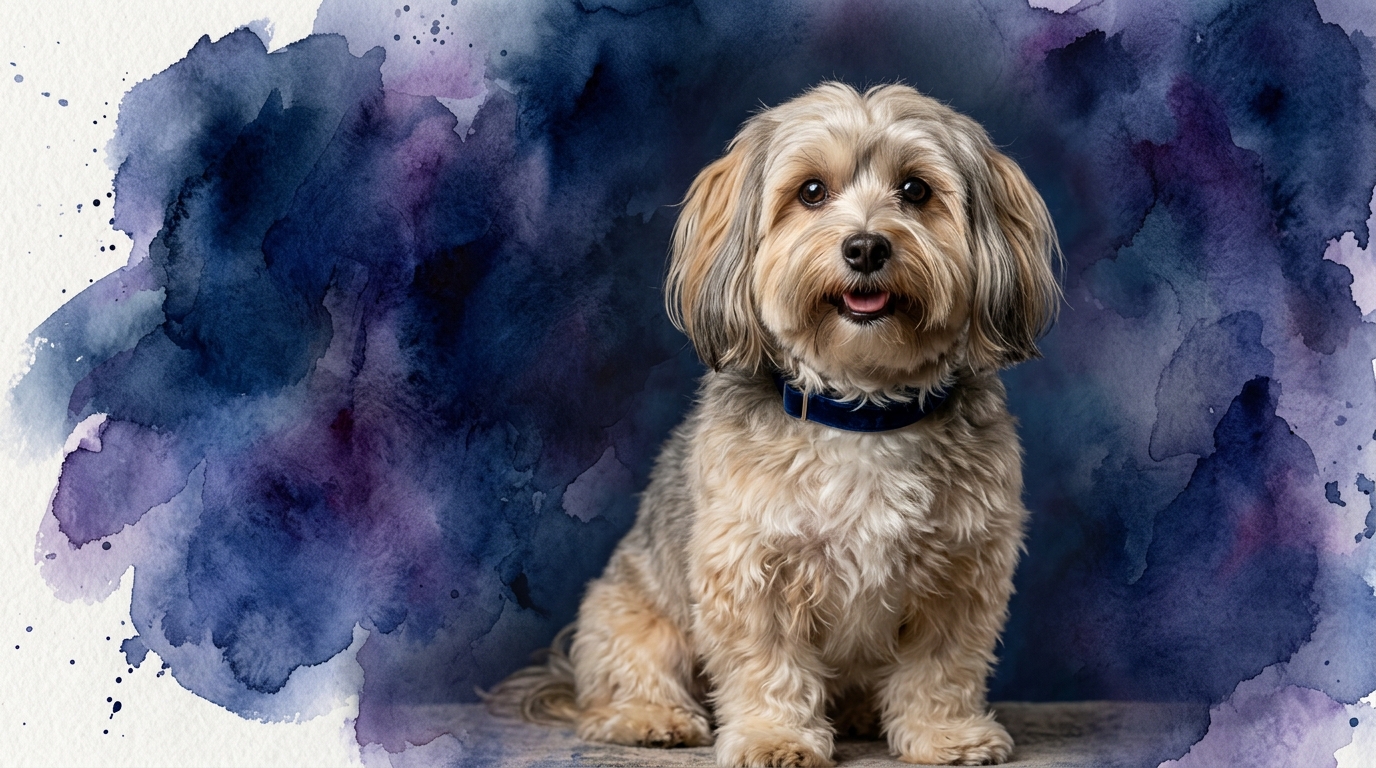
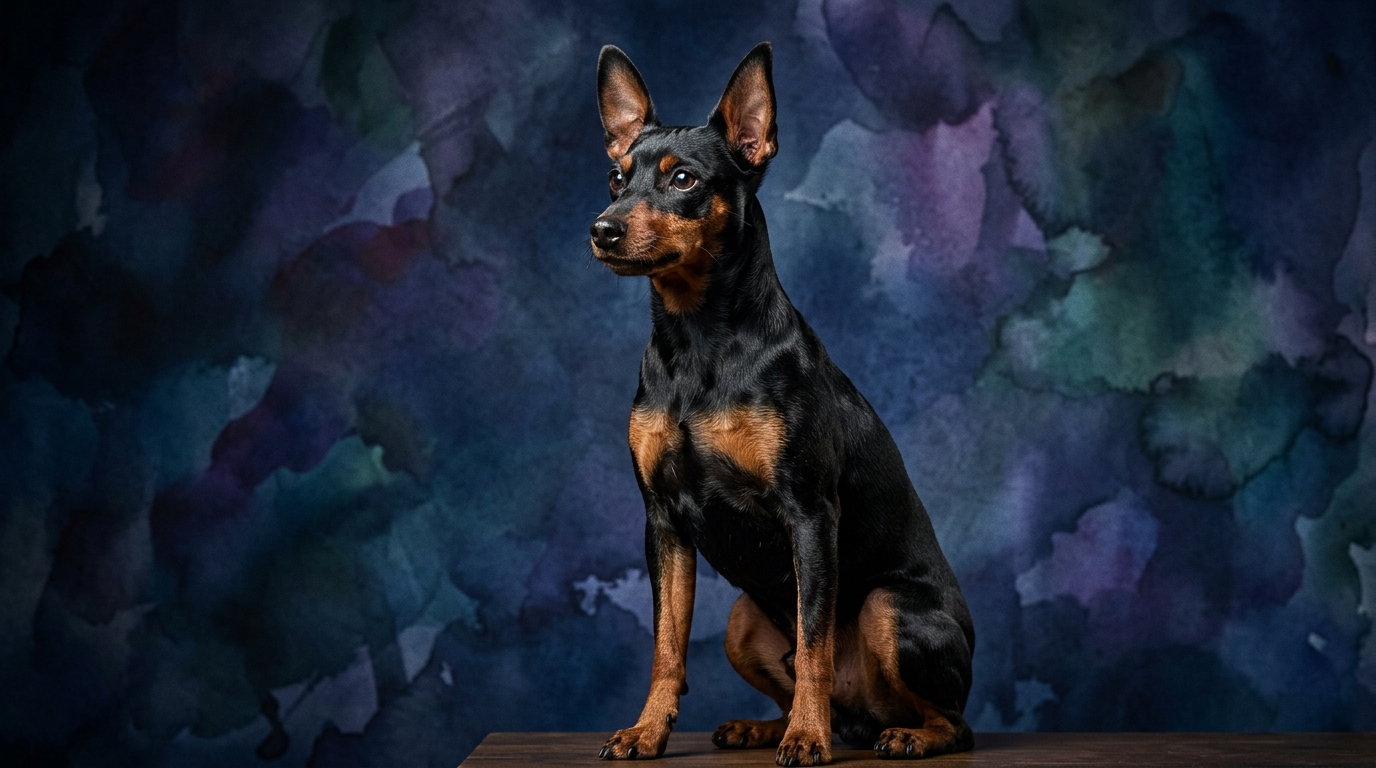
Side-by-Side IQ Profile: Havanese vs. Miniature Pinscher
At The Cosmic Pet Pet IQ Lab, we assess canine intelligence across five key dimensions, providing a nuanced understanding beyond simple labels. For the Havanese, this analysis reveals a distinct lean towards social and emotional awareness, while the Miniature Pinscher presents a different set of cognitive strengths rooted in vigilance and independence.
The Havanese demonstrates a moderate capacity for navigating novel challenges, earning a Problem Solving score of 3/5. They often employ observation and trial-and-error, capable of figuring out basic puzzle toys or simple barriers, but complex, multi-step tasks might require significant guidance. Their approach to problems often benefits from their social awareness, sometimes leading them to seek human assistance. Their Training Speed is also rated 3/5; this breed picks up new commands at a moderate pace, typically requiring a fair number of repetitions to solidify a behavior. They are receptive to positive reinforcement and enjoy the interaction, though their attention can sometimes wander, necessitating engaging and varied training sessions to maintain focus. Where the Havanese truly shines is in Social Intelligence, scoring an exceptional 5/5. They exhibit profound awareness of human emotions and social cues, adept at reading body language, understanding tone of voice, and responding empathetically, making them highly attuned companions. This deep social connection often influences their learning and behavior, as they thrive on pleasing their people. Their Instinctive Drive is lower at 2/5, meaning they are less prone to strong prey drives, territorial guarding, or independent hunting behaviors, with their primary instincts leaning towards companionship. Finally, their Memory is solid at 3/5; they recall familiar people, places, and routines readily, retaining learned behaviors over time.
The Miniature Pinscher also shows a moderate ability to solve problems, scoring 3/5, often with a more independent and determined approach than the Havanese. They can be inventive in finding ways to get what they want, whether it's opening a cabinet or navigating an obstacle, though their solutions might sometimes prioritize persistence over intricate planning. Their Training Speed is likewise 3/5; Min Pins learn at a moderate pace, but their training can be influenced by their independent streak. They understand commands, but their willingness to comply might depend on their motivation and the perceived value of the reward, making consistency and clear boundaries crucial. In Social Intelligence, the Miniature Pinscher receives a 3/5. While they bond closely with their families, they might be more reserved or discerning with strangers compared to the effusive Havanese. They read their immediate human companions well but may not possess the same broad empathetic understanding or desire to please extended social circles. Their Instinctive Drive is slightly higher at 3/5, often manifesting as a keen awareness of their surroundings, a propensity for "alert barking," and a more pronounced prey drive towards small scurrying creatures. They possess a natural vigilance and a desire to patrol their territory, reflecting their historical working background. Their Memory is also rated 3/5, indicating a good retention of commands, routines, and environmental details, remembering past experiences that influence future interactions.
Where Havanese Wins Cognitively
The Havanese distinctly outpaces the Miniature Pinscher in the realm of social intelligence, scoring a perfect 5/5 compared to the Min Pin's 3/5. This means they possess an exceptional capacity to interpret human emotions, nuances in vocal tone, and subtle body language. A Havanese will often instinctively understand when their owner is upset, happy, or needs comfort, responding with an uncanny empathy. This profound social awareness fosters a deep, intuitive bond, making them highly responsive to their family's needs and moods. Their cognitive strengths lie in their ability to integrate seamlessly into the human social fabric, often anticipating desires or reacting to unspoken cues with remarkable accuracy. This trait makes them particularly suited for roles where emotional support and companionship are paramount, as they are inherently wired to connect and communicate on a deeply personal level.
Furthermore, their lower instinctive drive (2/5) compared to the Min Pin's 3/5 means they are less distracted by environmental stimuli like chasing small animals or territorial guarding. This cognitive predisposition allows them to dedicate more mental energy to social engagement and less to primal urges, contributing to their adaptability in various home environments. Their intelligence is channeled into understanding and interacting with their human world, rather than independently exploring or reacting to external triggers, making them particularly adept at forming deep, reciprocal relationships with their human companions.
Where Miniature Pinscher Wins Cognitively
While the Havanese excels in social empathy, the Miniature Pinscher carves out its own cognitive niche, particularly concerning its instinctive drive and the application of its problem-solving skills. With an instinctive drive rating of 3/5, the Min Pin possesses a more pronounced awareness of its surroundings and a greater inclination towards independent action. This manifests as a sharp vigilance, a quickness to alert their household to novel sounds or sights, and a more robust prey drive compared to the Havanese. Their cognitive processing is often geared towards assessing and reacting to environmental changes, making them natural little watchdogs.
This higher drive means their problem-solving (rated 3/5, similar to Havanese) often comes with a determined, self-directed edge. They might persist longer at tasks that align with their innate curiosity or desire to explore, such as figuring out how to access an interesting scent or investigating a new object. Their cognitive approach is less about seeking human collaboration and more about independent exploration and assertive engagement with their environment. This doesn't mean they are less capable learners, but rather that their mental energy is channeled differently, focusing on autonomy and environmental mastery. This foundational difference in their cognitive wiring allows them to excel in situations where a degree of independence, vigilance, and persistence is valued, making them formidable little personalities in their own right.
Which is Easier to Train and Why
When evaluating ease of training, both Havanese and Miniature Pinschers share a 3/5 rating for training speed, indicating they learn at a moderate pace. However, the underlying cognitive profiles create distinct training experiences. The Havanese, with its exceptional social intelligence (5/5) and lower instinctive drive (2/5), often presents as the 'easier' dog to train for most owners. Their strong desire to please and their innate ability to read human cues mean they are highly motivated by positive reinforcement and social praise. They actively seek to understand what is expected of them and respond well to clear, consistent direction because of their deep connection to their human companions. Their lower instinctive drive means fewer distractions from environmental stimuli like chasing squirrels or barking at passersby, allowing them to focus more readily on the task at hand.
In contrast, the Miniature Pinscher, while equally capable of learning (3/5 training speed), can be more challenging due to its moderate social intelligence (3/5) and higher instinctive drive (3/5). Min Pins are independent thinkers with a strong will; they learn quickly but might choose to comply only if they perceive sufficient motivation or if the command aligns with their current interests. Their vigilance and higher prey drive mean they can be more easily distracted and may require more effort to maintain focus in stimulating environments. Training a Min Pin often demands a more assertive, consistent, and creative approach to convince them that following commands is always more rewarding than pursuing their own agenda. Therefore, while both breeds learn, the Havanese's cognitive predisposition for social engagement generally makes their training journey smoother and more intuitive for the average owner.
Which Suits Active Owners vs. Relaxed Owners
The cognitive profiles of the Havanese and Miniature Pinscher paint a clear picture of which breed aligns better with different owner lifestyles. For individuals or families seeking a more relaxed, socially integrated companion, the Havanese is often the more suitable choice. Their high social intelligence (5/5) means they thrive on constant human interaction and are content to be involved in all aspects of family life, whether it's a quiet evening on the couch or a gentle stroll. Their lower instinctive drive (2/5) translates to fewer demands for intense physical exertion or complex mental tasks geared towards 'work.' They are adaptable and derive immense satisfaction from companionship, making them ideal for owners who enjoy a dog that is deeply attuned to their emotional state and happy to simply 'be' with them.
Conversely, the Miniature Pinscher's cognitive makeup, characterized by a moderate social intelligence (3/5) but a higher instinctive drive (3/5), tends to suit more active and experienced owners. Their independent streak and natural vigilance mean they require consistent mental stimulation and physical activity to prevent boredom and channel their energy constructively. They are not content to merely observe; they want to engage with their surroundings, explore, and often take on a 'managerial' role in the household. Owners who enjoy structured training, consistent exercise routines, and providing clear leadership will find the Min Pin a rewarding, albeit demanding, companion. Their cognitive need for purpose and engagement makes them a better fit for those who are prepared to actively direct their innate drive and sharp senses.
The Verdict
Choose the Havanese if you prioritize a deeply empathetic, socially attuned companion who thrives on close human connection and offers an intuitive, adaptable presence in your home. Their lower instinctive drive makes them generally easier to integrate into a relaxed family routine.
Opt for the Miniature Pinscher if you appreciate an independent, vigilant companion with a robust personality and a natural zest for engaging with their environment. They suit active owners prepared to provide consistent direction and ample mental stimulation to channel their innate drive.
🧠 Find Your Pet's IQ Score
Our Pet IQ Lab assessment covers 25+ tests across 5 cognitive dimensions — personalized to your breed.
Take the Full IQ Test →Frequently Asked Questions
Are Havanese good with children due to their social intelligence?
Yes, their high social intelligence (5/5) means Havanese are often remarkably patient and empathetic with children, understanding their cues and generally enjoying interaction. Supervision is always key, but their natural inclination is towards gentle companionship.
Does the Miniature Pinscher's instinctive drive make them difficult to live with?
The Miniature Pinscher's instinctive drive (3/5) means they are alert and can have a strong prey drive, but it's manageable with appropriate training and mental stimulation. Owners who provide consistent leadership and outlets for their energy find them engaging companions, not difficult.
Do Havanese and Miniature Pinschers differ in their ability to learn tricks?
Both breeds have a 3/5 training speed, indicating moderate learning ability, so they can certainly learn tricks. The Havanese might be more eager to perform for social praise, while the Min Pin might require more enticing rewards and a trainer who can engage their independent spirit.