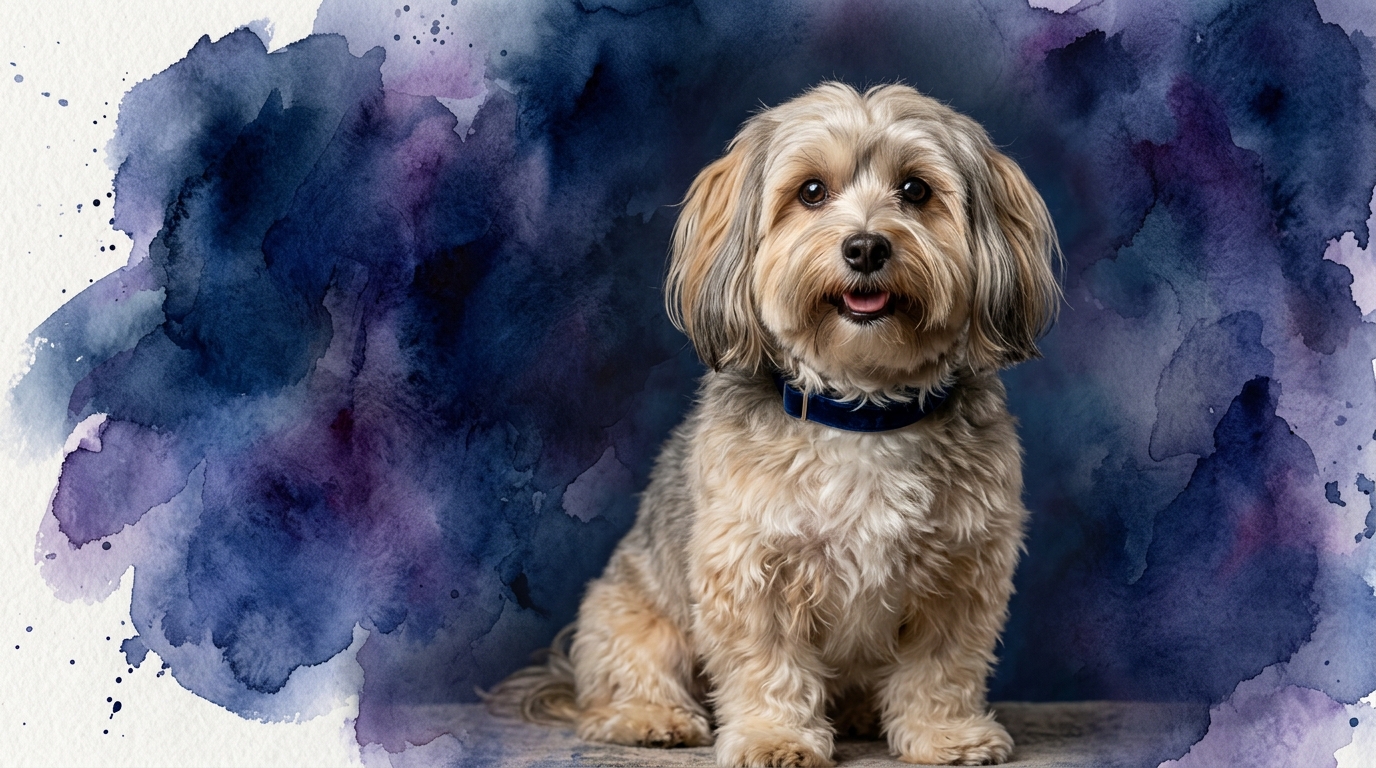
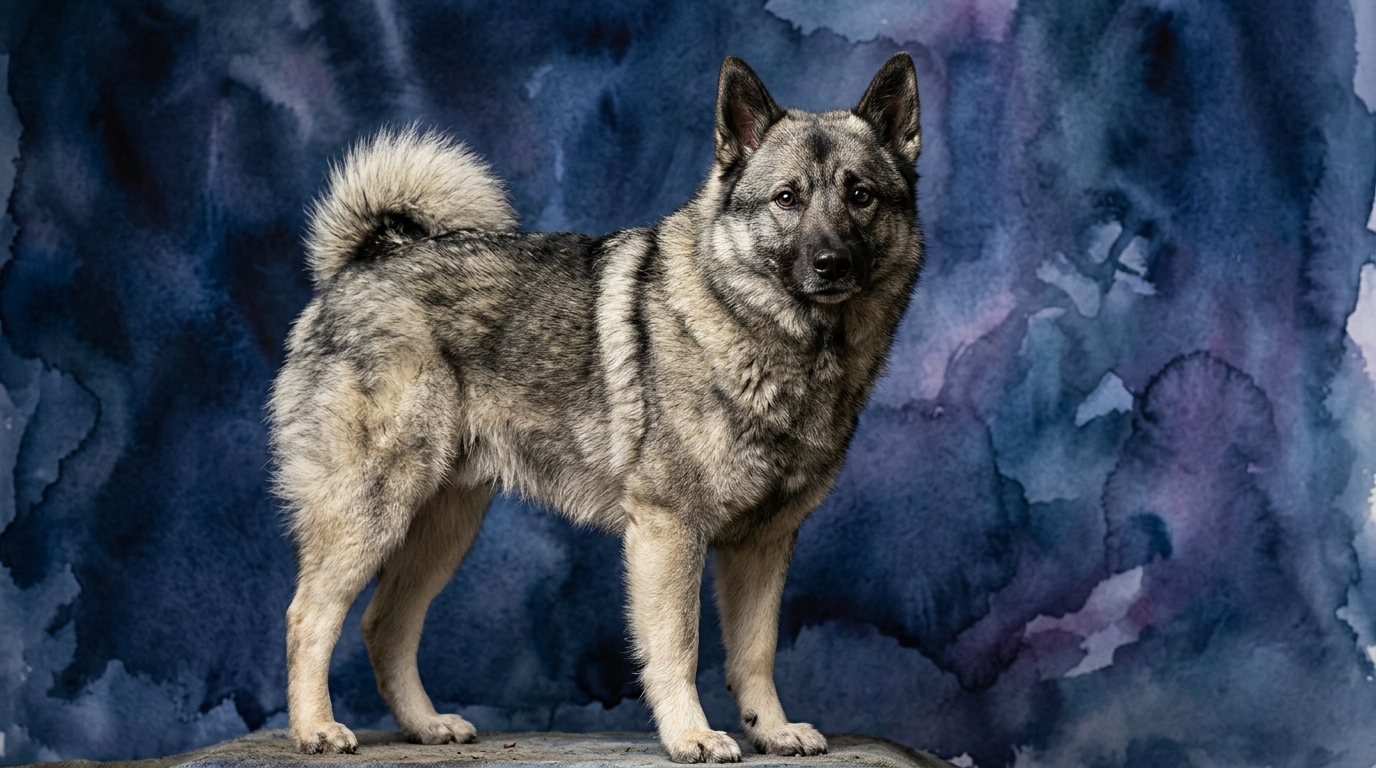
Side-by-Side IQ Profile: Havanese vs. Norwegian Elkhound
The Cosmic Pet Pet IQ Lab employs a five-dimensional framework to assess canine intelligence, providing a nuanced view beyond simple rankings. For the Havanese, we observe a Problem Solving score of 3/5, indicating an ability to navigate moderate challenges and learn from experience, though perhaps not inclined towards complex, multi-step tasks independently. Their Training Speed registers at 3/5; while responsive to positive reinforcement and eager to please, they thrive on consistency and clear communication rather than instant mastery of intricate commands. A standout feature is their Social Intelligence, earning a perfect 5/5, reflecting an exceptional capacity to read human emotions, adapt to social cues, and form deep, empathetic bonds. Instinctive Drive is lower at 2/5, meaning less inclination towards independent hunting or guarding behaviors, making them generally less driven by primal urges. Their Memory is rated 3/5, sufficient for retaining routines, commands, and familiar faces, but not for exceptionally complex sequences or long-term, intricate recall.
In contrast, the Norwegian Elkhound presents a different cognitive blueprint, reflecting its heritage as a hardy hunting companion. Their Problem Solving ability is strong at 4/5, demonstrating a capacity for strategic thinking, independent decision-making in challenging environments, and adeptness at figuring out how to achieve a goal, such as tracking prey or navigating difficult terrain. Training Speed also scores 4/5; Elkhounds learn new commands and tasks with impressive alacrity, processing information swiftly. However, this quick learning is often paired with an independent streak, meaning they understand quickly but may choose to comply based on their own assessment of the situation. Social Intelligence sits at 3/5, indicating they form strong, loyal bonds with their families but might not possess the same outward people-pleasing demeanor or nuanced emotional reading as the Havanese. Their Instinctive Drive is 3/5, a moderate score reflecting their heritage as scent hounds and guard dogs, possessing a natural inclination to track, explore, and protect. Finally, their Memory is rated 4/5, enabling them to retain complex information, remember past experiences vividly, and recall intricate scent trails or learned pathways with accuracy, crucial for their working roles.
Where Havanese Wins Cognitively
The Havanese truly shines in the realm of Social Intelligence, earning a perfect 5/5, a score unmatched by the Elkhound's 3/5. This isn't merely about being friendly; it reflects a profound ability to understand and respond to human emotional states, subtle body language, and vocal inflections. A Havanese can often anticipate an owner's mood or needs, offering comfort or initiating play with remarkable precision. Their cognitive strength lies in navigating the complex social landscape of a human home, making them exceptionally adaptable and harmonious companions.
This superior social cognition also feeds into their problem-solving within a domestic context. While their Problem Solving score is 3/5 generally, they excel at 'social problem-solving,' such as figuring out how to gain attention, manipulate situations for a cuddle, or use charming antics to get what they want. They are masters of communication with their human counterparts, employing a nuanced repertoire of barks, nudges, and gazes to convey their desires. Their cognitive efforts are largely directed towards fostering connection and maintaining social equilibrium, making them highly attuned to their family's dynamics.
Where Norwegian Elkhound Wins Cognitively
The Norwegian Elkhound demonstrates a clear cognitive advantage in problem-solving and memory when tasks involve independent thought and navigating the physical world. With a Problem Solving score of 4/5 compared to the Havanese's 3/5, Elkhounds possess a robust capacity for strategic thinking, especially when faced with environmental challenges or tracking tasks. Their historical role as hunters of large game required them to make independent decisions, assess risks, and persist in complex scenarios, traits that are deeply embedded in their cognitive makeup.
Furthermore, the Elkhound's Memory, rated 4/5 against the Havanese's 3/5, is a significant asset for retaining intricate information related to their environment. This isn't just about remembering commands; it encompasses recalling complex scent patterns, intricate routes through varied terrain, and previous experiences that inform future actions. This superior memory, combined with their instinctive drive, allows them to excel in activities that require sustained focus, long-term recall of spatial information, and the ability to connect past learning to present challenges, such as advanced scent work or agility courses.
Which Is Easier to Train and Why
Determining which breed is 'easier' to train depends heavily on the training goals and the trainer's approach, given their distinct cognitive profiles. The Havanese, with a Training Speed of 3/5, often appears easier to train for basic obedience and house manners due to their exceptional Social Intelligence (5/5). They possess an inherent desire to please their human companions and are highly motivated by praise and affection. This strong social drive means they are generally eager to engage in training sessions, respond well to positive reinforcement, and are quick to understand what is expected of them in a cooperative context. Their lower Instinctive Drive (2/5) also means fewer distractions from external stimuli, allowing for more focused attention during lessons.
Conversely, the Norwegian Elkhound, with a Training Speed of 4/5, learns commands and complex tasks very quickly. However, their independent nature and moderate Instinctive Drive (3/5) mean that while they grasp concepts swiftly, their compliance can be more conditional. An Elkhound might understand a command perfectly but choose not to execute it if a more compelling scent or activity presents itself, or if they don't perceive a clear purpose. Training an Elkhound requires consistency, clear leadership, and making the training feel like a collaborative task rather than a series of orders. Their robust problem-solving skills mean they might try to 'outsmart' or test boundaries, demanding a firm yet fair approach that respects their independent spirit and provides ample mental stimulation.
Which Suits Active Owners vs. Relaxed Owners
For owners leading a more relaxed, indoor-centric lifestyle, the Havanese is generally a more harmonious fit. Their lower Instinctive Drive (2/5) means they are less compelled by intense outdoor exploration or demanding physical tasks. Instead, their high Social Intelligence (5/5) thrives on consistent human interaction, cuddles, and companionship within the home environment. They are content with moderate daily walks, indoor play, and being an integral part of family activities, making them ideal for individuals or families who prioritize comfort and close emotional bonds over strenuous outdoor adventures.
The Norwegian Elkhound, in contrast, is better suited for active owners who can provide consistent mental and physical stimulation. Their combined Problem Solving (4/5), Training Speed (4/5), Memory (4/5), and moderate Instinctive Drive (3/5) indicate a dog that needs more than just a casual stroll. Elkhounds excel in activities like hiking, scent work, agility, or even competitive obedience, where their cognitive abilities and physical stamina are challenged. Owners who appreciate a dog with an independent streak and are prepared to engage in regular, stimulating activities will find the Elkhound a rewarding and capable partner for outdoor exploration and task-oriented engagement.
The Verdict
Choose the Havanese if your priority is a deeply empathetic, socially attuned companion who thrives on close emotional connection and indoor family life, offering subtle communication and charm.
Opt for the Norwegian Elkhound if you seek an independent, robust partner for outdoor adventures and mental challenges, valuing a dog that learns quickly and thinks strategically in a task-oriented environment.
🧠 Find Your Pet's IQ Score
Our Pet IQ Lab assessment covers 25+ tests across 5 cognitive dimensions — personalized to your breed.
Take the Full IQ Test →Frequently Asked Questions
Do Havanese dogs get bored easily without constant mental stimulation?
Havanese dogs do appreciate mental engagement, but their high social intelligence means much of their stimulation comes from interacting with their family. While they enjoy learning tricks and playing puzzle toys, their primary need is for companionship and being involved in daily household activities, rather than constant, intense problem-solving tasks.
Can a Norwegian Elkhound thrive in an apartment setting?
A Norwegian Elkhound can potentially adapt to apartment living, but it requires a highly dedicated owner committed to providing ample daily exercise and mental stimulation outside the home. Their strong instinctive drive and need for activity mean short walks won't suffice; they require rigorous physical outlets like long runs or hikes, and engaging mental work to prevent boredom and destructive behaviors.
Which breed is better with children?
The Havanese, with its exceptional social intelligence and gentle nature, often excels with children, particularly if properly socialized and supervised. They tend to be patient and enjoy being part of family play. The Norwegian Elkhound can be good with older, respectful children due to their loyalty, but their independent streak means they may be less tolerant of boisterous toddler behavior and might prefer calmer interactions.