Side-by-Side IQ Profile: Havanese vs. Scottish Deerhound
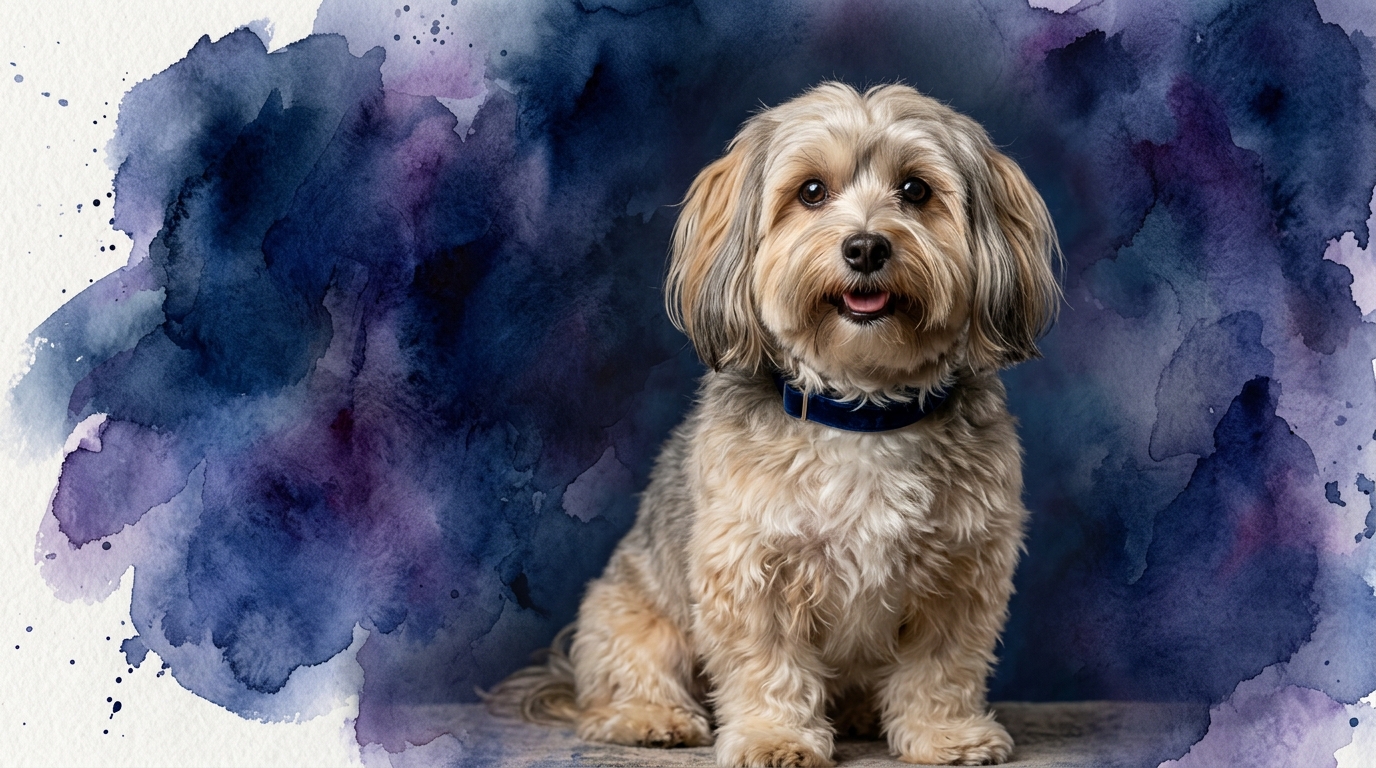
The Cosmic Pet Pet IQ Lab employs a multi-dimensional approach to assess canine cognition, moving beyond simple obedience to understand the nuances of each breed's mind. For the Havanese, a toy breed celebrated for its companionship, we see a Problem Solving score of 3/5, indicating an average capacity for navigating novel situations or figuring out puzzles. Their Training Speed also sits at 3/5, suggesting they learn new commands at a moderate pace, requiring consistent reinforcement. Where the Havanese truly shines is in Social Intelligence, earning a remarkable 5/5, demonstrating an exceptional ability to read human cues, empathize, and integrate seamlessly into family dynamics. Their Instinctive Drive is a low 2/5, meaning their natural urges like chasing or guarding are generally subdued, while their Memory is a solid 3/5, allowing them to retain learned behaviors and routines effectively.
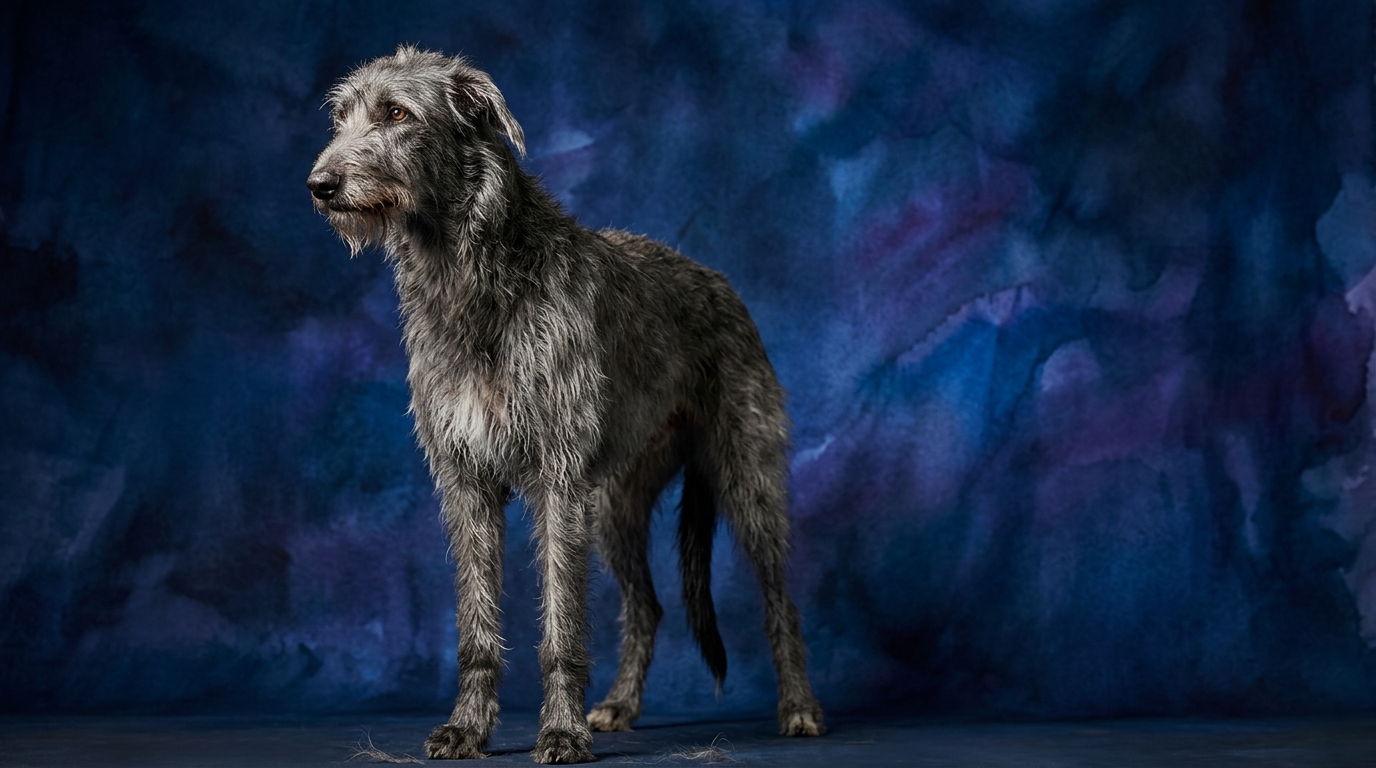
In contrast, the Scottish Deerhound, a large sighthound, presents a different cognitive landscape. Like the Havanese, they score 3/5 in Problem Solving, capable of independent thought but not typically seeking out complex mental challenges. Their Training Speed matches the Havanese at 3/5, implying a similar need for patient and consistent training methods. However, their Social Intelligence is a 3/5, indicating they are affectionate and connected to their families but generally less outwardly expressive or acutely attuned to subtle human emotional shifts than the Havanese. A key difference lies in their Instinctive Drive, rated 3/5, reflecting their powerful prey drive and historical purpose as hunters, which can influence their focus. Their Memory also registers at 3/5, similar to the Havanese, enabling them to recall past experiences and learned behaviors.
Where the Havanese Excels Cognitively
The Havanese demonstrates a profound strength in social cognition, scoring a perfect 5/5 in Social Intelligence. This isn't just about being friendly; it's a sophisticated capacity to perceive and interpret human emotions, intentions, and social cues with remarkable accuracy. A Havanese often seems to anticipate its owner's mood, offering comfort or initiating play at just the right moment. This acute awareness allows them to adapt effortlessly to various social settings, making them exceptionally versatile companions in different households or public environments. Their ability to form deep, empathetic bonds stems directly from this cognitive aptitude, enabling them to communicate their needs and desires in ways that are easily understood by their human counterparts.
This elevated social understanding means the Havanese excels in roles requiring sensitive interaction, such as therapy work or simply being a remarkably intuitive family member. They learn the routines and dynamics of a household not just through repetition, but by understanding the social context and the people within it. Their cognitive focus is on connection and harmonious interaction, making them adept at navigating the intricate world of human relationships.
Where the Scottish Deerhound Shines Cognitively
The Scottish Deerhound's cognitive strengths are rooted in its ancestral purpose, particularly highlighted by its 3/5 Instinctive Drive. While this score might not appear as high as the Havanese's social intelligence, for a sighthound, it represents a finely tuned set of sensory and motor skills that are a form of practical intelligence. Their minds are wired to detect movement at great distances, process visual information rapidly, and execute a swift, coordinated chase. This isn't just a physical act; it involves quick decision-making, spatial awareness, and a focused determination that overrides other distractions.
This drive manifests as an independence in problem-solving related to their environment, especially outdoors. A Deerhound might not solve a puzzle box, but it will cleverly navigate a landscape to pursue a perceived target, demonstrating a unique form of situational awareness and strategic thinking in motion. Their memory, also 3/5, supports their ability to recall hunting grounds or preferred running paths, further demonstrating an intelligence tied to their intrinsic drives and physical capabilities rather than purely social interaction.
Ease of Training: Behavioral Differences Unpacked
Comparing the Havanese and Scottish Deerhound on ease of training reveals how inherent drives and social aptitude influence the learning process, despite both scoring 3/5 in Training Speed and Problem Solving. The Havanese, with its superior Social Intelligence (5/5) and lower Instinctive Drive (2/5), tends to be more amenable to training. They possess a strong desire to engage with and please their human companions, making them highly motivated by social rewards, praise, and interaction. Their low instinctive drive means they are less likely to be distracted by external stimuli like scents or distant movement, allowing them to focus more readily on the task at hand.
The Scottish Deerhound, while capable of learning at a similar pace (3/5 Training Speed), presents a different training dynamic due to its 3/5 Social Intelligence and 3/5 Instinctive Drive. Their sighthound nature means their attention can be powerfully diverted by visual stimuli, making consistent recall a significant challenge in open spaces. They are independent thinkers, and while affectionate, they may not possess the same fervent desire to please that drives a Havanese. Training a Deerhound requires immense patience, understanding of their sighthound instincts, and often a focus on making training fun and rewarding to overcome their inherent drive to chase. They respond best to positive reinforcement and a trainer who respects their somewhat aristocratic and independent temperament, rather than expecting eager subservience.
Matching Breeds to Lifestyles: Active vs. Relaxed Owners
When considering an owner's lifestyle, the Havanese and Scottish Deerhound present distinct matches. The Havanese, with its moderate instinctive drive (2/5) and high social intelligence (5/5), adapts wonderfully to a more relaxed home environment. They thrive on companionship and mental stimulation through interactive play, trick training, and being an integral part of family activities. While they enjoy walks, their exercise needs are modest, making them suitable for owners who prefer indoor engagement and shorter outdoor excursions. They are ideal for individuals or families seeking a constant, affectionate presence that doesn't demand extensive athletic commitment.
Conversely, the Scottish Deerhound, despite its calm indoor demeanor, requires owners who are prepared for significant bursts of activity. Their 3/5 instinctive drive, inherent to their sighthound heritage, necessitates regular opportunities to run at full speed in a safe, securely fenced area. These aren't dogs content with just a leash walk; they need to gallop and stretch their long legs. Therefore, they are best suited for active owners with access to large, private spaces or who are committed to daily trips to a dog park or open field. While they are relaxed and dignified companions indoors, their need for vigorous physical release means they are not a match for truly sedentary lifestyles, making them a fit for those who appreciate their majestic athleticism.
The Verdict
Choose the Havanese if you prioritize a highly interactive, socially intelligent companion who thrives on deep emotional connection and adapts readily to a more relaxed, indoor-centric lifestyle.
Opt for the Scottish Deerhound if you appreciate a dignified, independent companion with a strong instinctive drive, and you can provide ample, safe opportunities for vigorous physical exercise.
🧠 Find Your Pet's IQ Score
Our Pet IQ Lab assessment covers 25+ tests across 5 cognitive dimensions — personalized to your breed.
Take the Full IQ Test →Frequently Asked Questions
Do Havanese dogs need a lot of exercise?
Havanese dogs have moderate exercise needs; they enjoy daily walks and indoor play, but do not require extensive athletic activities. Their 2/5 instinctive drive means they are generally content with being close to their people rather than needing to constantly explore or chase.
Are Scottish Deerhounds difficult to train?
Scottish Deerhounds are not inherently difficult to train, scoring 3/5 in Training Speed, but their 3/5 instinctive drive and independent nature require patience and consistency. They respond best to positive reinforcement and understanding their sighthound tendencies, especially regarding recall around distractions.
Which breed is better with children?
The Havanese, with its 5/5 social intelligence, generally adapts very well to children, showing patience and understanding in interactions. Scottish Deerhounds can be gentle with children, but their large size and lower social intelligence (3/5) mean supervision is always recommended, especially with very young children, to ensure respectful interactions.