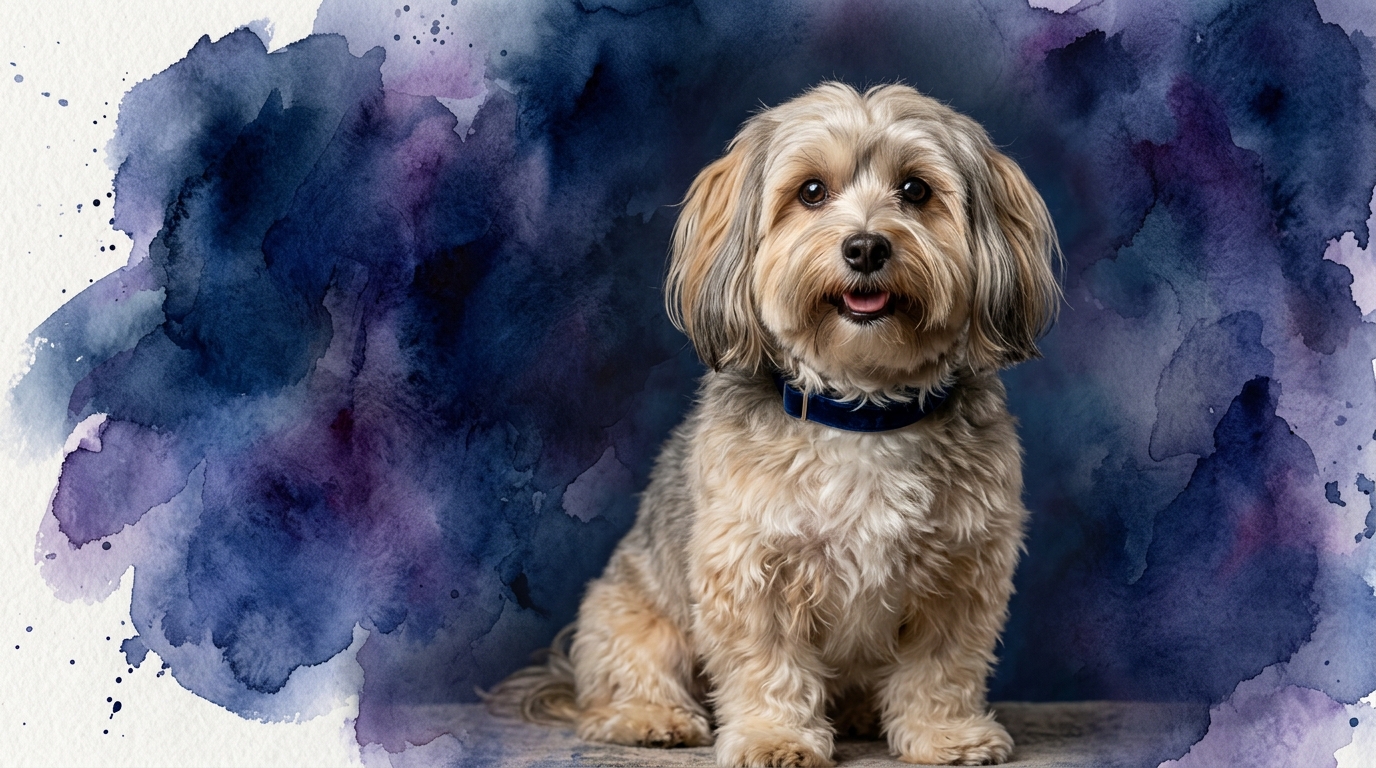
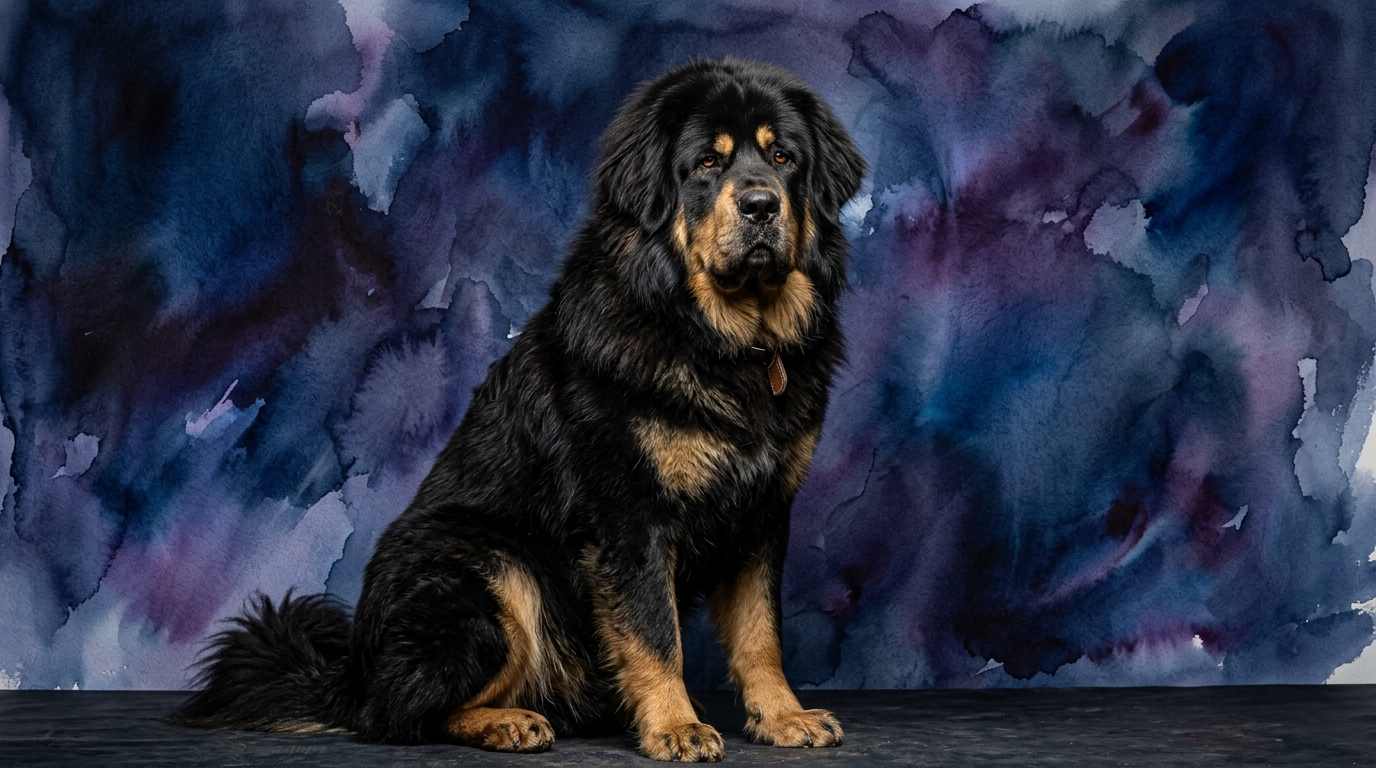
Side-by-Side IQ Profile: Havanese vs. Tibetan Mastiff
The Cosmic Pet Pet IQ Lab assesses canine intelligence across five key dimensions, offering a nuanced view beyond traditional metrics. For the Havanese, a Toy breed, we observe a Problem Solving score of 3/5, indicating an adeptness at navigating everyday challenges and learning simple tasks. Its Training Speed is also 3/5, suggesting it learns new commands at a moderate pace, benefiting from consistent guidance. Where the Havanese truly shines is in Social Intelligence, earning a perfect 5/5, reflecting its profound attunement to human emotions and social cues. Its Instinctive Drive is a low 2/5, meaning it has minimal inherent urges for tasks like hunting or guarding, prioritizing companionship instead. Finally, its Memory stands at 3/5, allowing it to retain learned information and experiences reasonably well.
The Tibetan Mastiff, a powerful Working breed, presents a different cognitive landscape. Its Problem Solving score matches the Havanese at 3/5, indicating a capacity for independent thought to overcome obstacles, though its approach might be less people-focused. Its Training Speed is also 3/5, signifying it learns at a steady pace, often requiring strong motivation and patience due to its independent nature. In Social Intelligence, it scores 3/5; while capable of deep family bonds, it is generally reserved with strangers and less overtly expressive. The Tibetan Mastiff's Instinctive Drive is 3/5, a moderate score reflecting its inherent inclination towards guarding and territorial protection. Its Memory, like the Havanese, is 3/5, allowing it to remember commands and experiences, though its self-reliant streak can sometimes make its recall seem selective.
Where the Havanese Excels Cognitively
The Havanese unequivocally shines in the realm of social intelligence, scoring a perfect 5 out of 5, a significant lead over the Tibetan Mastiff's 3. This high score isn't just about being friendly; it signifies a profound capacity to understand and respond to human emotions, intentions, and social dynamics. A Havanese is exceptionally adept at reading subtle cues from its owners, often anticipating needs or moods without explicit commands. This makes them remarkably empathetic companions, capable of forming incredibly strong, intuitive bonds with their human families.
Their strong social awareness allows them to adapt seamlessly to various household routines and social situations, making them excellent therapy dogs or companions for individuals who appreciate a deeply connected pet. Furthermore, their social acumen helps them navigate interactions with other pets and strangers with grace, often diffusing potential tensions through their naturally amiable disposition. This cognitive strength translates into a dog that not only wants to be with you but genuinely understands you on a nuanced level, making communication feel almost telepathic at times, fostering a harmonious living environment.
Where the Tibetan Mastiff Shows Distinct Cognitive Strengths
While the Havanese excels in social nuances, the Tibetan Mastiff's cognitive strengths lean into its ancient heritage, particularly its instinctive drive. With a score of 3 out of 5 for instinctive drive, compared to the Havanese's 2, the Tibetan Mastiff possesses a robust, inherent inclination towards guarding and territorial protection. This isn't just a learned behavior; it's a deeply ingrained cognitive program that enables them to independently assess potential threats and act as vigilant guardians.
Their problem-solving (3/5) often manifests differently too; rather than solving puzzles for human approval, a Tibetan Mastiff might apply its problem-solving skills to figure out how to best patrol its property or identify perceived intruders, making independent decisions based on its assessment of a situation. This cognitive independence, coupled with its strong drive, means it doesn't always look to humans for every directive, a trait essential for a breed historically tasked with protecting livestock and homes without constant human oversight. This self-reliance and inherent protective instinct are invaluable for owners seeking a watchful, formidable presence, demonstrating a distinct cognitive advantage in specific, historically relevant domains.
Training Dynamics: Which Breed is Easier and Why?
When considering which breed is generally easier to train, the Havanese holds a discernible advantage, primarily due to its superior social intelligence and lower instinctive drive. A Havanese, with its 5/5 social intelligence, is inherently motivated to please its human companions and thrives on positive interaction. This keen desire to engage and cooperate makes them highly receptive to training cues and eager to participate in learning sessions. Their lower instinctive drive (2/5) means they are less likely to be distracted by strong innate urges to hunt or guard, allowing them to focus more intently on the task at hand.
Behavioral differences are clear: a Havanese often seeks eye contact and actively tries to understand what is being asked, responding well to praise and treats. In contrast, the Tibetan Mastiff, while sharing the same 3/5 training speed, presents a different training challenge. Its moderate instinctive drive (3/5) for guarding and its independent problem-solving approach mean it often makes its own decisions. A Tibetan Mastiff might understand a command but choose not to execute it if it perceives another task as more pressing, such as monitoring its territory.
This breed requires an owner with immense patience, consistency, and a deep understanding of canine psychology, focusing on building a respectful partnership rather than simply issuing commands. While both breeds learn, the Havanese typically offers a more straightforward, cooperative training experience, whereas the Tibetan Mastiff demands a nuanced approach that respects its formidable independence and ancient purpose.
Matching Breeds to Lifestyles: Active vs. Relaxed Owners
The choice between a Havanese and a Tibetan Mastiff also hinges significantly on an owner's lifestyle, particularly their activity level and tolerance for independence. The Havanese, with its lower instinctive drive (2/5) and moderate problem-solving (3/5), is an excellent fit for more relaxed owners. Their exercise needs are relatively modest; daily walks and indoor play suffice to keep them content. They are highly adaptable to apartment living and prefer to be involved in their family’s daily activities, whether that means curling up on the couch or a gentle stroll around the block.
Their high social intelligence means they thrive on companionship and are happiest when they are close to their people, making them perfect for those who want a constant, affectionate shadow. They are generally low-impact companions, content with a comfortable routine and consistent human presence, fitting seamlessly into quieter households or those with less strenuous outdoor pursuits.
Conversely, the Tibetan Mastiff, with its moderate instinctive drive (3/5) and independent nature, is better suited for active owners who possess a profound understanding of large, guardian breeds. While not hyperactive, they require significant outdoor space, ideally a securely fenced yard, where they can patrol and satisfy their innate territorial instincts. Their problem-solving (3/5) often leads them to find creative ways to manage their environment, which requires a vigilant owner. These dogs need consistent mental stimulation and socialization from a young age to channel their protective instincts appropriately.
Owners must be prepared for a dog that is self-reliant and often prefers to observe rather than constantly engage, requiring a commitment to managing a powerful, independent animal rather than seeking constant effusive affection. They are not for the faint of heart or those seeking a low-maintenance companion; they thrive with owners who appreciate their majestic independence and are equipped to meet their specific needs for space, security, and experienced handling.
The Verdict
Choose a Havanese if you desire a deeply connected, empathetic companion who thrives on social interaction and offers a relatively cooperative training journey within a more relaxed lifestyle.
Opt for a Tibetan Mastiff if you are an experienced owner with ample space, prepared to manage a majestic, independent guardian with a strong protective instinct, valuing its self-reliance and formidable presence.
🧠 Find Your Pet's IQ Score
Our Pet IQ Lab assessment covers 25+ tests across 5 cognitive dimensions — personalized to your breed.
Take the Full IQ Test →Frequently Asked Questions
Are Havanese good with children and other pets?
Yes, Havanese typically excel with children and other pets due to their exceptional social intelligence (5/5). They are naturally gentle, adaptable, and eager to please, making them wonderful family companions when properly socialized. Their amiable nature helps them integrate smoothly into multi-pet households, often seeking out interaction.
How much exercise does a Tibetan Mastiff need daily?
A Tibetan Mastiff requires moderate exercise, typically 30-60 minutes of activity per day, such as walks or supervised yard time. However, their physical activity is less about high-intensity bursts and more about allowing them to patrol and survey their territory, satisfying their instinctive drive for guarding. Mental stimulation and a large, secure space are equally important for this breed's well-being.
Do Tibetan Mastiffs bark a lot due to their guarding instincts?
Tibetan Mastiffs are known for their deep, resonant bark, which they use to alert their family to perceived threats, aligning with their moderate instinctive drive (3/5). While they are not incessant barkers, they will vocalize when they feel their territory or family is in danger, making early training and socialization crucial to manage this natural protective behavior and ensure appropriate responses.