Side-by-Side Cognitive Profiles: Havanese vs. Whippet
At The Cosmic Pet Pet IQ Lab, we evaluate canine intelligence across five key dimensions. Let's break down how the Havanese and Whippet stack up, revealing their unique mental blueprints.
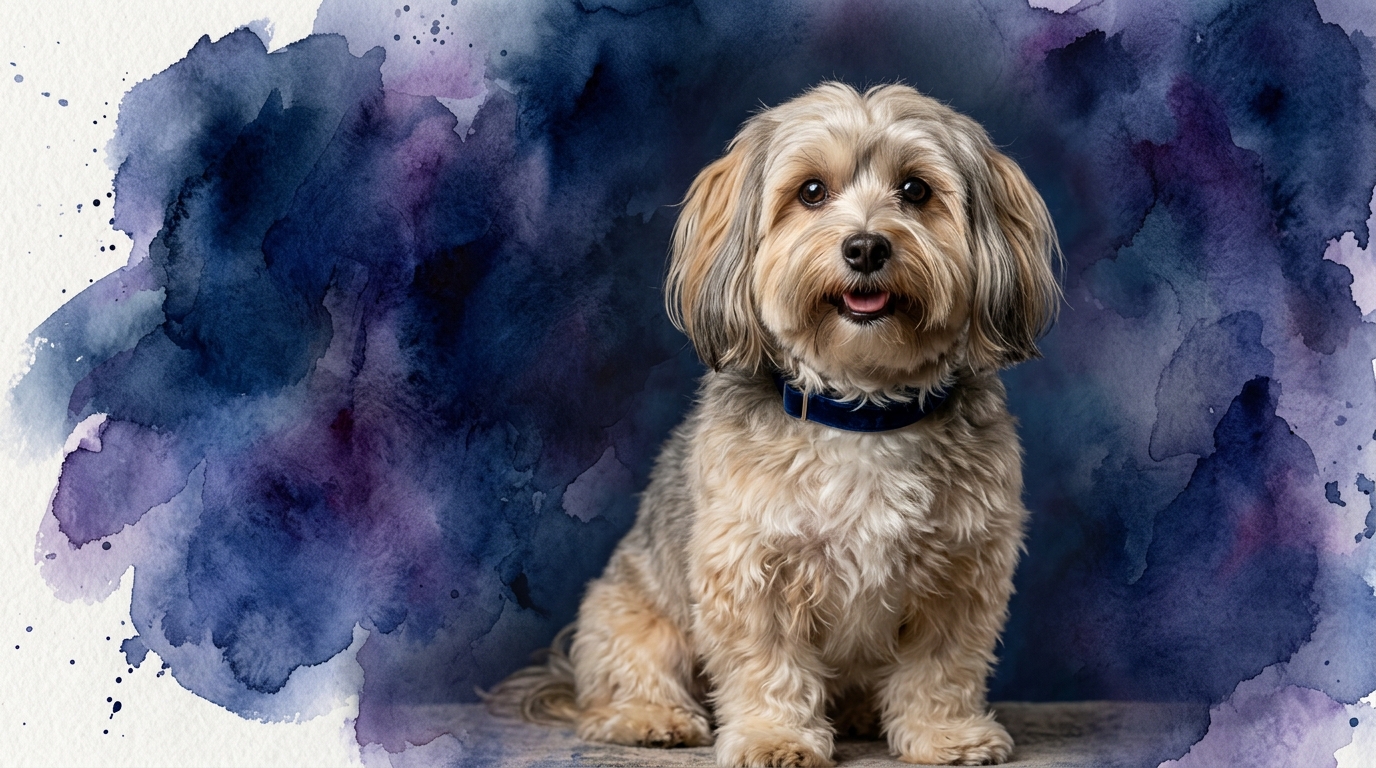
The Havanese, a charming Toy breed not ranked by Coren, presents a profile centered on interaction and adaptability. Their Problem Solving is rated 3/5, indicating a moderate capacity for navigating novel challenges and figuring out basic puzzle toys, often motivated by engaging with their human. Training Speed also sits at 3/5; they learn new commands and routines at a steady pace, receptive to positive reinforcement and eager to please. Where the Havanese truly shines is in Social Intelligence, earning a perfect 5/5. They possess an extraordinary ability to read and respond to human emotions, subtle body language, and vocal inflections, making them incredibly intuitive companions. Their Instinctive Drive is low at 2/5, meaning minimal interest in activities like hunting or herding, with focus almost entirely directed towards their human family. Finally, their Memory is a solid 3/5, demonstrating good retention for routines, people, and learned commands.
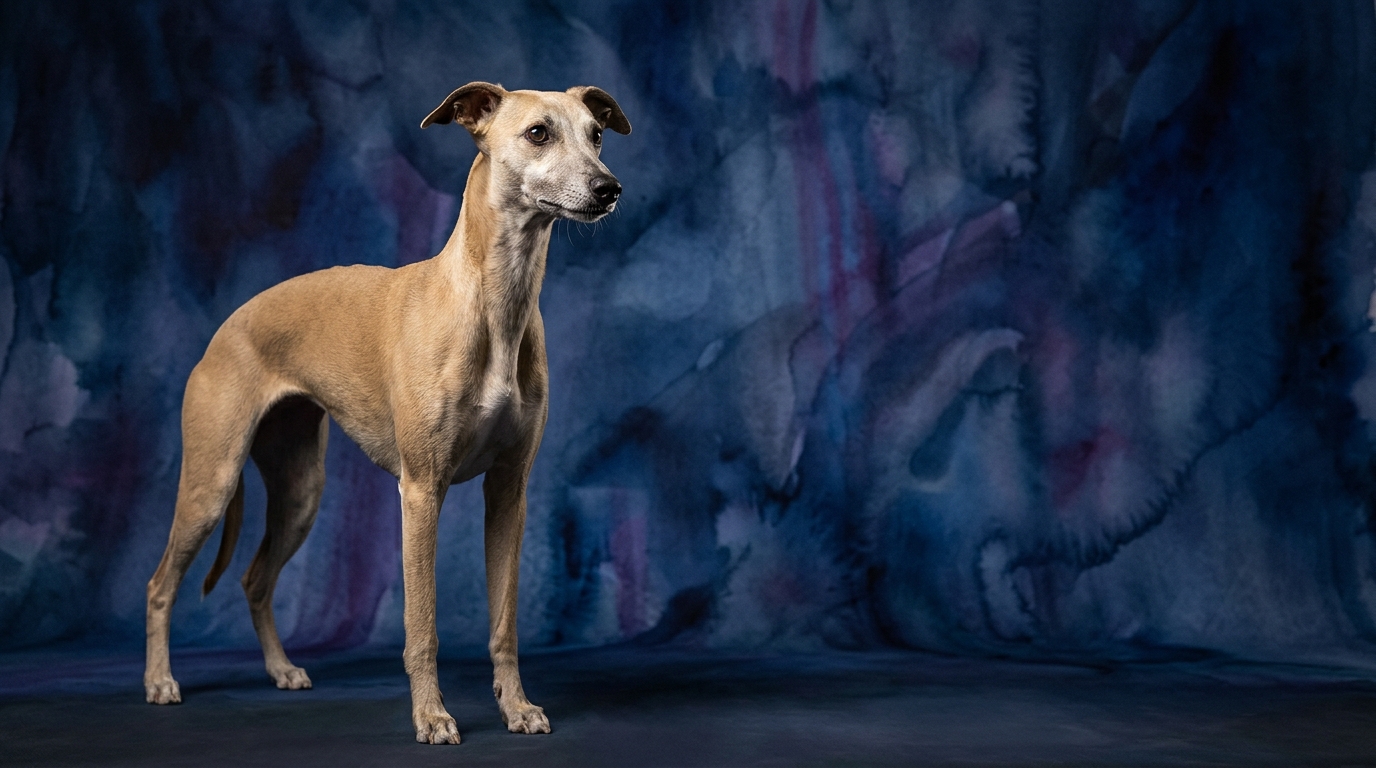
The Whippet, a graceful Hound breed ranked #51 by Coren, offers a different cognitive emphasis. Their Problem Solving mirrors the Havanese at 3/5; they display a moderate aptitude for navigating simple obstacles, though their approach tends to be direct and efficient, and they might quickly lose interest if a solution isn't immediately apparent. Training Speed is rated 2/5, indicating they generally require more repetition and patience; their independent sighthound nature can sometimes make them less consistently focused on human directives. Whippets demonstrate good Social Intelligence at 4/5, forming strong, affectionate bonds and understanding social dynamics, though they may express affection with quiet dignity rather than effusive enthusiasm. Their standout trait is an exceptionally high Instinctive Drive at 5/5, primarily centered around the chase; their minds are constantly scanning for movement, wired for bursts of speed and pursuit. Like the Havanese, their Memory is rated 3/5, providing reliable recall for routines, people, and past experiences.
Where the Havanese Wins Cognitively: The Social Maestro
The Havanese undeniably takes the lead in social intelligence, scoring a perfect 5/5. This isn't just about being friendly; it reflects a profound cognitive ability to interpret human emotions, body language, and subtle vocal cues. A Havanese can often anticipate an owner's mood or needs, offering comfort during sadness or initiating playful antics to lighten the atmosphere. They excel at adapting their behavior to social contexts, making them incredibly intuitive and responsive companions who thrive on mutual understanding. For instance, they might nudge a hand when sensing stress or bring a toy to cheer up a quiet moment, demonstrating a deep cognitive grasp of social dynamics within their human family. This superior social processing allows them to integrate seamlessly into family life, often acting as a highly perceptive emotional barometer for their humans.
Where the Whippet Wins Cognitively: The Instinctive Dynamo
Conversely, the Whippet's cognitive strengths are most pronounced in their instinctive drive, earning a 5/5. This isn't merely a physical attribute but a complex cognitive program for processing sensory input related to movement, assessing distances, and executing lightning-fast, precise chase sequences. Their minds are constantly engaged in an intricate dance of observation and potential pursuit, a specialized form of intelligence honed over centuries. This deep-seated drive means their cognitive focus outdoors is often on detecting and reacting to stimuli like squirrels or distant movements, showcasing a specialized intelligence for independent, rapid action and environmental awareness that is far more developed than in the Havanese. It's a testament to their sighthound heritage, where quick decision-making and swift execution were paramount for survival and purpose.
Training Dynamics: Which Breed is Easier to Guide?
When it comes to ease of training, the Havanese generally presents a more straightforward experience. Their Training Speed of 3/5, combined with their exceptional Social Intelligence (5/5), means they are highly motivated to please their human companions and are acutely attuned to human feedback. They respond well to positive reinforcement and consistent methods, often learning new commands with moderate repetition because they understand the social contract of training – cooperation leads to positive outcomes and strengthens their bond. Their low instinctive drive also means they are less likely to be distracted by environmental stimuli during training sessions, allowing for better focus on the task at hand.
The Whippet, with a Training Speed of 2/5, can be more challenging. While capable of learning, their lower training speed coupled with a very high instinctive drive (5/5) means they can be easily distracted by anything that triggers their chase instinct. A Whippet might learn a command perfectly indoors, but the sight of a leaf blowing across the park can override any learned behavior in an instant, as their cognitive focus shifts entirely to the pursuit. Training a Whippet requires significant patience, consistency, and a deep understanding of their sighthound nature. Owners must work to make training more rewarding than the pull of instinct, often utilizing high-value treats and engaging games to maintain their attention and compliance against the backdrop of their independent spirit.
Matching Lifestyles: Active vs. Relaxed Owners
The Havanese is an ideal match for owners who prefer a more relaxed lifestyle and desire a constant, interactive companion. While they enjoy play and short walks, their exercise needs are moderate, and their cognitive strengths truly shine in a home environment focused on social interaction and gentle engagement. They are content with indoor games, cuddles on the couch, and being an integral part of daily family activities, thriving on the mental stimulation derived from social connection. Their low instinctive drive means less worry about escape artists or chasing wildlife, making them excellent apartment dwellers or companions for less physically active individuals.
The Whippet, conversely, is best suited for active owners who can provide consistent outlets for their powerful instinctive drive. This means regular opportunities for safe, off-leash running in a securely fenced area where they can truly stretch their legs and satisfy their need for speed. While they are famously calm and quiet indoors, often described as '45 mph couch potatoes,' their outdoor needs are significant. Owners must appreciate their independent spirit and integrate their need for bursts of intense physical activity and chase into their lifestyle. A Whippet owner should be prepared for exhilarating sprints in safe environments, understanding that fulfilling this physical and cognitive need contributes significantly to their overall well-being and contentment.
The Verdict
Choose the Havanese if you prioritize a highly socially attuned companion who thrives on close interaction, reads emotions with exceptional sensitivity, and offers consistent affection within a less physically demanding lifestyle.
Opt for the Whippet if you appreciate an independent spirit, can provide ample opportunities for exhilarating bursts of speed in secure environments, and enjoy a generally calm yet instinctively driven companion.
🧠 Find Your Pet's IQ Score
Our Pet IQ Lab assessment covers 25+ tests across 5 cognitive dimensions — personalized to your breed.
Take the Full IQ Test →Frequently Asked Questions
Do Havanese get along well with children?
Yes, their exceptional social intelligence and gentle nature often make Havanese excellent companions for respectful children. They are adept at understanding social cues and can adapt their play, making them patient and loving family members.
Are Whippets prone to wandering off if not leashed?
Due to their very high instinctive drive and prey drive, Whippets are indeed prone to chasing perceived prey and can wander significantly if not securely leashed or contained in a well-fenced area. Their focus shifts entirely to the chase, often ignoring calls.
How do their problem-solving skills compare in a practical home setting?
Both breeds have a 3/5 problem-solving rating. A Havanese might 'solve' a problem like an inaccessible toy by appealing to its owner for help, leveraging its social intelligence, while a Whippet might try a few direct, agile approaches before seeking an alternative or simply giving up if it's not easily overcome.