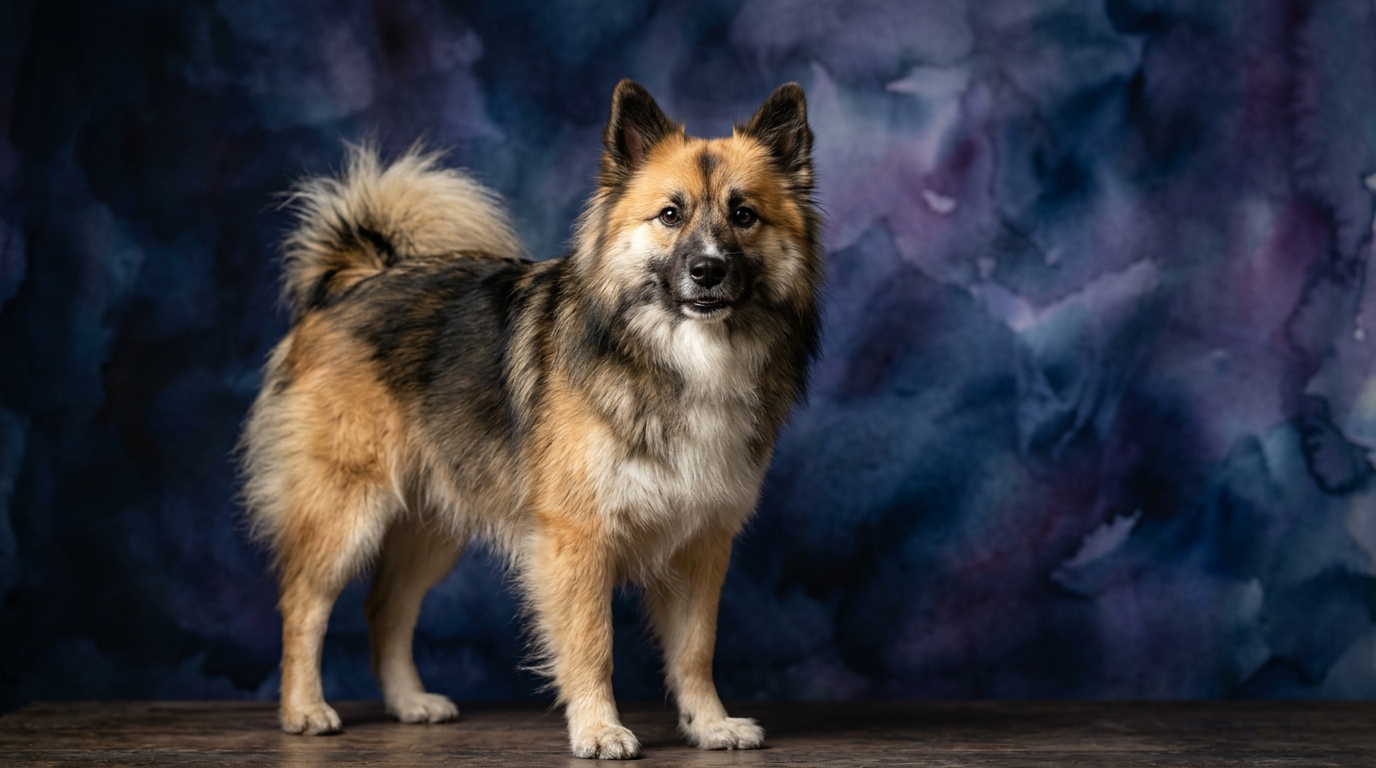
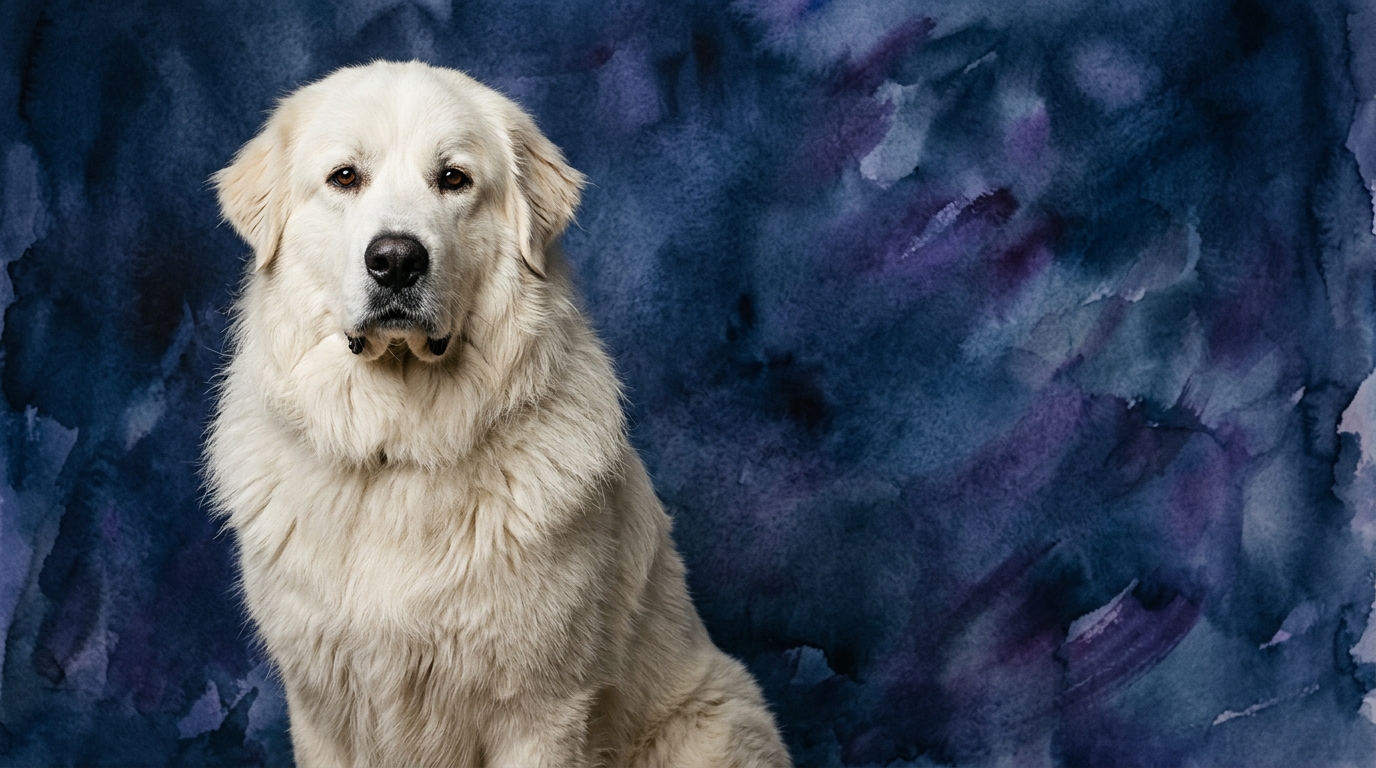
Side-by-Side IQ Profile: Herder vs. Guardian Cognition
The Cosmic Pet Pet IQ Lab assesses canine intelligence across five key dimensions, with both the Icelandic Sheepdog and the Great Pyrenees registering a consistent 3/5 rating across the board. For the Icelandic Sheepdog, this 3/5 in Problem Solving reflects its capacity for practical, on-the-fly decision-making when maneuvering livestock, demonstrating an adaptive mind in dynamic environments. Its Training Speed at 3/5 suggests a moderate pace of learning new commands, often driven by a desire to engage with its handler, while Social Intelligence at 3/5 points to its adeptness at reading flock dynamics and human cues. An Instinctive Drive of 3/5 highlights its inherent desire to gather and manage, and its Memory at 3/5 allows it to retain complex herding patterns and recall specific instructions effectively for its collaborative role.
The Great Pyrenees also earns a 3/5 in each cognitive dimension, though applied differently. Its Problem Solving at 3/5 manifests as a discerning, often independent, evaluation of its territory and potential threats, exhibiting a thoughtful approach to security. A 3/5 in Training Speed indicates it can learn commands, but its inherent self-reliance often means it processes instructions through the lens of its guarding imperatives, influencing immediate compliance. Social Intelligence at 3/5 for the Pyrenees speaks to its profound understanding of its flock or family unit, discerning routines from anomalies. Its Instinctive Drive at 3/5 is a powerful, unwavering commitment to guardianship, and its Memory at 3/5 is crucial for remembering vast patrol routes, its charges, and environmental patterns over extended periods, contributing to its steadfast vigilance.
Where the Icelandic Sheepdog Wins Cognitively
While both breeds share a 3/5 rating, the Icelandic Sheepdog's cognitive strengths lean towards a dynamic, interactive form of intelligence, particularly within a partnership. Its herding legacy cultivates a mind that excels at rapid assessment and quick, agile responses to fluid situations. This breed often demonstrates a superior capacity for processing multiple, simultaneous inputs – the movement of sheep, handler commands, and environmental factors – synthesizing them into immediate, effective actions. Its Problem Solving isn't deep contemplation, but rather pragmatic, real-time adjustments and creative manipulation. Furthermore, its Social Intelligence often manifests as heightened biddability and eagerness to cooperate with a human partner, making it adept at tasks requiring precise, coordinated effort and a strong handler-dog bond. This responsiveness gives it an edge in learning complex sequences that require active participation and feedback.
Where the Great Pyrenees Wins Cognitively
In contrast, the Great Pyrenees' cognitive advantages are rooted in profound, independent vigilance and a deep, patient understanding of its domain. Its Problem Solving at 3/5 excels in situations demanding sustained, autonomous judgment, particularly in threat assessment and deterrence. This breed is not designed for rapid, handler-directed action, but for calm, self-assured evaluation, often making decisions based on subtle environmental cues and an innate understanding of its charges' safety. Its Instinctive Drive for guardianship is so potent it often overrides immediate human commands if it perceives a genuine threat, showcasing a unique cognitive priority. The Pyrenees' Memory, also at 3/5, shines in its ability to map and retain vast territories, recognizing familiar routines, and discerning deviations over long periods. This long-term, spatial, and social memory is critical for its role as a sentinel, enabling consistent, protective presence without constant human oversight.
Training Dynamics: Biddability vs. Independence
Evaluating 'easier to train' requires understanding each breed's inherent motivations. The Icelandic Sheepdog, with its herding background, generally presents as more biddable and eager to please its human handler. Their 3/5 Training Speed is often supported by a strong desire for interaction and a natural inclination to work collaboratively. They tend to respond well to positive reinforcement and can pick up new commands and routines with moderate repetition, especially if training engages their natural instincts for movement and problem-solving. Their attentiveness to human cues makes them generally more straightforward to teach traditional obedience and dog sports, as they actively seek to understand and comply with directives. However, their high energy and vocal nature can sometimes be a distraction if not channeled properly.
The Great Pyrenees, while also rated 3/5 in Training Speed, approaches training with distinct independence. Their primary drive is to guard and protect, and they often weigh commands against their own assessment of a situation. This means they learn, but their compliance can be less immediate or enthusiastic than a breed wired for cooperative herding. Training a Great Pyrenees requires immense patience, consistency, and an understanding that their self-reliant nature means they may not always prioritize human instruction over what they perceive as their job. They excel when commands align with their protective instincts or when they understand the 'why' behind a request. Their training often feels more like negotiation than eager submission, requiring an owner to build trust and respect.
Lifestyle Match: Active Engagement vs. Calm Vigilance
The choice between these breeds significantly depends on an owner's lifestyle and activity levels. The Icelandic Sheepdog is undoubtedly better suited for active owners. Its herding heritage demands both physical and mental engagement; these dogs thrive on consistent activity, whether it's long hikes, agility training, or even simulated herding games. They are not content to be couch potatoes and can develop undesirable behaviors if their significant energy reserves and sharp minds are not adequately stimulated. Owners who enjoy outdoor adventures, dog sports, or who are committed to daily interactive play and training will find the Icelandic Sheepdog a rewarding and engaging companion. Their need for a 'job' translates into a desire for purpose and activity.
Conversely, the Great Pyrenees, while requiring adequate space and regular exercise, generally suits a more relaxed owner, particularly in terms of high-intensity, structured activities. Once mature, these dogs are known for their calm, patient demeanor, often content to observe and patrol their territory. They are not typically high-energy dogs seeking constant vigorous activity, but rather prefer a steady, watchful presence. They need space to roam and fulfill their guarding instincts, making them a better fit for owners with larger yards or properties. A 'relaxed' owner for a Great Pyrenees appreciates a steadfast, independent companion who finds fulfillment in protecting its home and family, rather than constantly seeking dynamic engagement. Daily walks and mental stimulation through patrolling are important, but they don't typically demand the same level of intense, structured physical output as the Icelandic Sheepdog.
The Verdict
Choose the Icelandic Sheepdog if you are an active, engaged owner seeking a responsive, biddable partner for dynamic activities like dog sports, or if you appreciate a dog that thrives on collaborative problem-solving and consistent interaction.
Opt for the Great Pyrenees if you value a calm, independent, and steadfast guardian for your home or family, and you are prepared for a dog that makes its own judgments, preferring patient vigilance over constant high-energy engagement.
🧠 Find Your Pet's IQ Score
Our Pet IQ Lab assessment covers 25+ tests across 5 cognitive dimensions — personalized to your breed.
Take the Full IQ Test →Frequently Asked Questions
Are Icelandic Sheepdogs easier to live with for first-time dog owners?
Generally, yes. Their eagerness to please and responsiveness can make them more forgiving for new owners learning training techniques. However, their energy and vocal tendencies still require commitment to proper socialization and exercise.
Can a Great Pyrenees adapt to apartment living if given enough walks?
While possible with extreme dedication to exercise and mental stimulation, apartment living is typically not ideal for a Great Pyrenees. Their strong guarding instinct and need to patrol a territory are better suited to homes with larger yards, as they thrive on having space to observe and protect.
Do both breeds bark a lot, given their roles?
Both breeds have a propensity for barking, but for different reasons. The Icelandic Sheepdog barks as part of its herding communication and alertness, often expressing excitement or warning. The Great Pyrenees barks as a primary deterrent and alarm system to potential threats within its guarded territory, often with a deep, resonant tone.