Side-by-Side Cognitive Profile
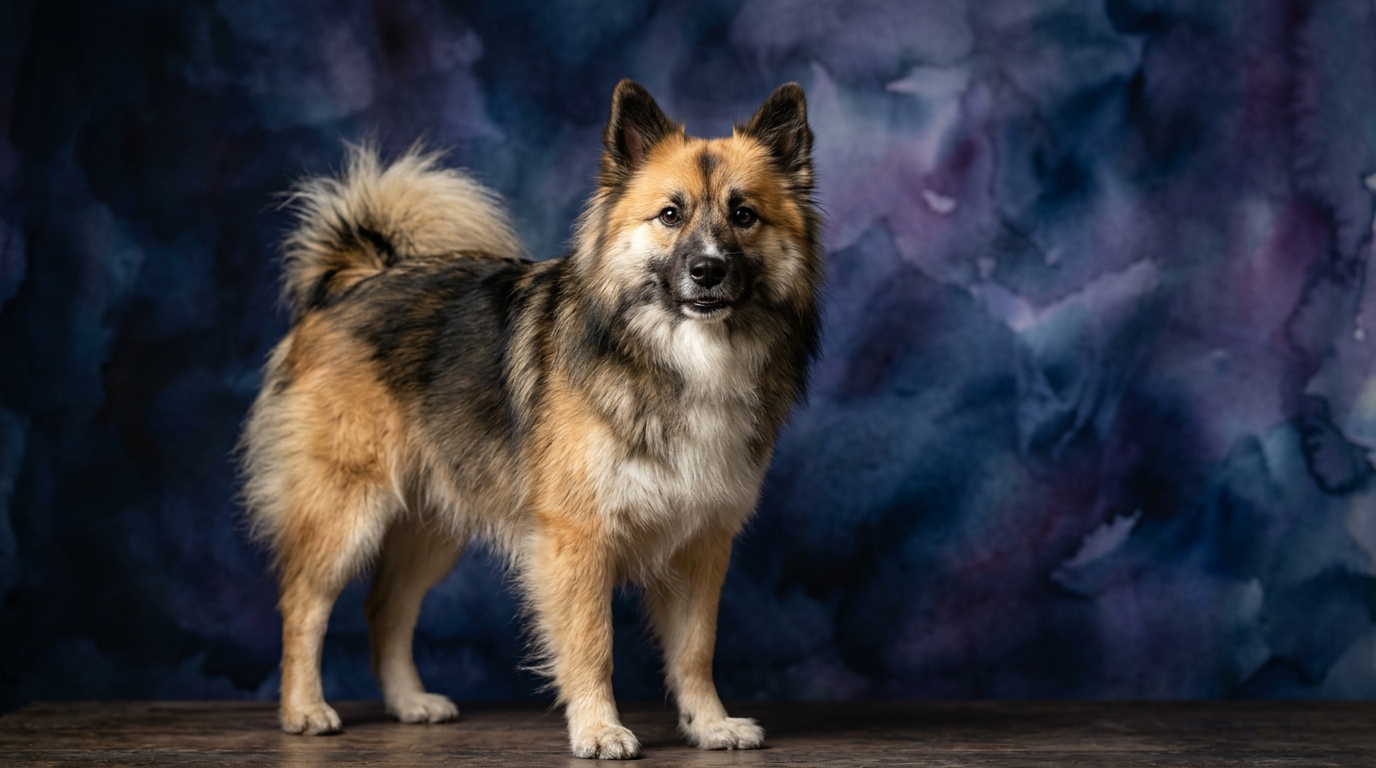
The Cosmic Pet Pet IQ Lab evaluates canine intelligence across five key dimensions, offering a granular view beyond general perceptions. For the Icelandic Sheepdog, a breed steeped in herding tradition, its cognitive profile reflects a balanced, adaptive intellect. Its Problem Solving is rated at 3/5, indicating a capacity for practical solutions to environmental challenges, often tied to managing livestock or navigating familiar terrain rather than abstract puzzles. Training Speed also stands at 3/5; these dogs learn steadily and are eager to please their human partners, though their innate herding drives can sometimes require patient redirection. Social Intelligence is a strong 3/5, demonstrating a keen awareness of human cues and group dynamics, essential for their collaborative work. Its Instinctive Drive, also 3/5, is a purposeful herding impulse, expressed through gathering and guiding. Finally, Memory at 3/5 suggests a reliable recall for routines, commands, and familiar individuals, aiding their daily functions.
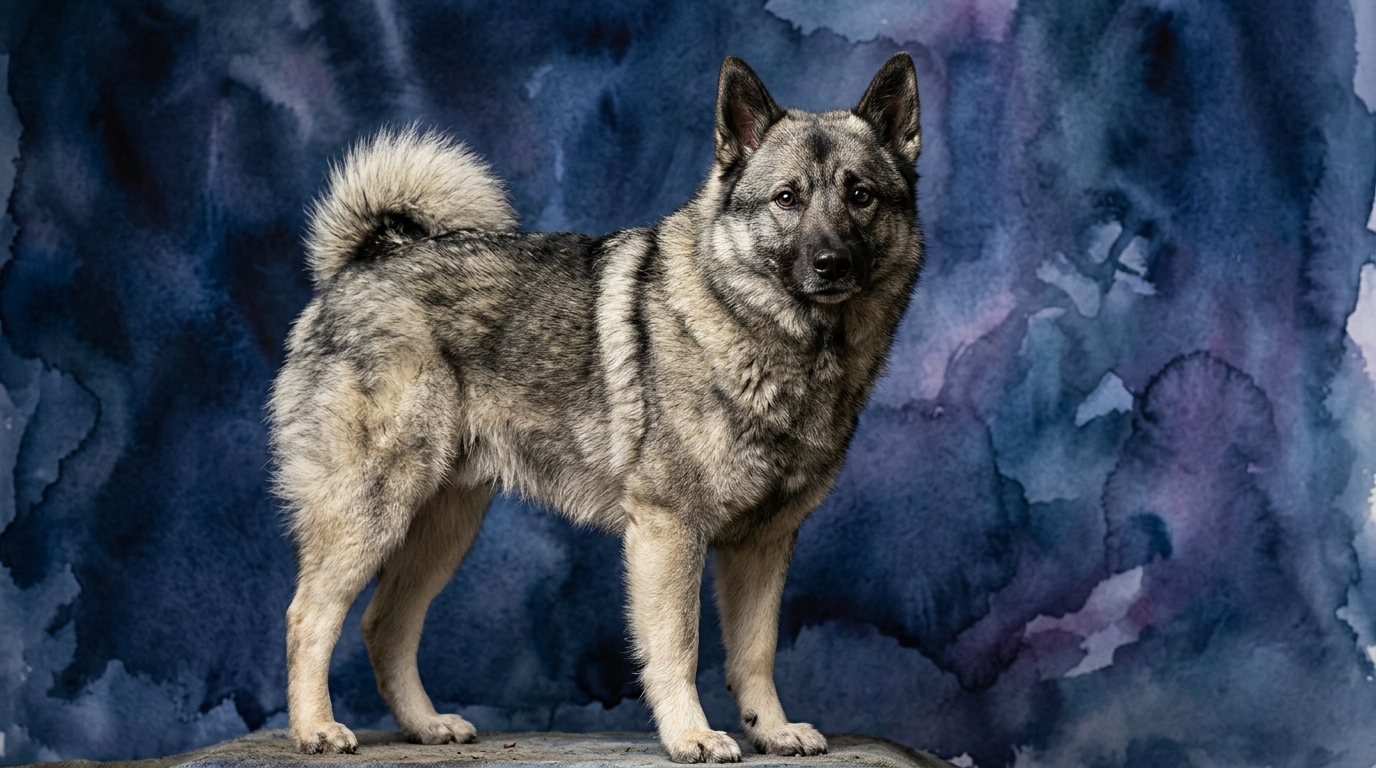
In contrast, the Norwegian Elkhound, a formidable hound breed with a history of tracking game, presents a slightly different cognitive emphasis. Its Problem Solving scores higher at 4/5, reflecting an independent spirit and an ability to strategize in challenging outdoor environments, like following complex scent trails or overcoming obstacles during a hunt. Training Speed is also rated 4/5, indicating a quicker grasp of new commands and concepts, though their independent nature means motivation and engagement are key to consistent performance. Social Intelligence aligns with the Icelandic Sheepdog at 3/5; these dogs are loyal and affectionate within their family unit, adept at understanding household dynamics. Their Instinctive Drive, also 3/5, is a powerful hunting and tracking impulse, characterized by endurance and vocalization during pursuit. However, the Norwegian Elkhound’s Memory shines at 4/5, critical for recalling extensive scent paths, hunting territories, and a wide array of learned behaviors over time.
Where the Icelandic Sheepdog Excels Cognitively
While its numerical scores might not always surpass the Elkhound, the Icelandic Sheepdog's cognitive strengths lie in its nuanced social engagement and collaborative problem-solving. Their 3/5 Social Intelligence, combined with their herding background, means they excel at reading subtle human body language and vocal tones, fostering deep partnerships. This aptitude for 'reading the room' allows them to anticipate needs and respond appropriately in dynamic family or social settings. Their 3/5 Problem Solving is often manifest in adaptable thinking within a group context, such as managing the movement of a 'flock' of children or adjusting their approach based on handler feedback. They thrive on tasks that require teamwork and understanding complex, interactive scenarios, making them exceptional at activities like trick training or agility where coordination with their human is paramount. Their intelligence is deeply integrated with their desire to work alongside and for their people, making them profoundly responsive companions.
Where the Norwegian Elkhound Excels Cognitively
The Norwegian Elkhound's cognitive prowess is evident in its independent problem-solving and impressive retention of information. With a 4/5 in Problem Solving, these dogs demonstrate a robust capacity for navigating complex environments and devising strategies to achieve a goal, whether it's locating a hidden scent or finding the best path through varied terrain. This translates into a dog that can think for itself and persist in challenges. Their 4/5 Training Speed means they can pick up new commands and routines quickly, making them efficient learners in structured settings, provided the training is engaging and consistent. Furthermore, their 4/5 Memory is a significant advantage, allowing them to remember intricate details like scent patterns, spatial layouts, and a broad repertoire of learned behaviors over extended periods. This makes them highly reliable for tasks requiring precision and recall, such as advanced obedience or scent work, where they can leverage their keen senses and mental mapping abilities.
Training: Ease and Engagement
When considering ease of training, the data suggests a slight edge for the Norwegian Elkhound with its 4/5 Training Speed compared to the Icelandic Sheepdog’s 3/5. Elkhounds typically grasp new commands more quickly, often requiring fewer repetitions to understand a concept. However, their independent hound nature means that while they learn fast, they also need compelling motivation and a clear 'why' behind the command. An Elkhound might quickly learn 'sit' but choose not to comply if a more interesting scent or activity presents itself, requiring consistent, high-value rewards and an engaging approach to maintain their focus. Their training benefits from making tasks feel purposeful and rewarding their inherent drive.
The Icelandic Sheepdog, while learning at a steady pace (3/5 Training Speed), is often more motivated by the desire to work cooperatively with their human. Their herding background instills a strong desire for partnership and purpose, which can be channeled effectively into training. They may take slightly longer to master a new command, but once learned, their willingness to perform for their handler is often high. Their herding instinct, however, can sometimes lead to distractions by movement or sound, requiring patient redirection and positive reinforcement to maintain focus. Ultimately, both breeds benefit from positive, consistent training, but the Elkhound's speed requires engagement to prevent stubbornness, while the Sheepdog's partnership-orientation thrives on clear communication and consistency.
Lifestyle Match: Active vs. Purpose-Driven Owners
Neither the Icelandic Sheepdog nor the Norwegian Elkhound is suited for a truly 'relaxed' or sedentary owner; both breeds possess inherent drives that necessitate regular physical and mental engagement. The Icelandic Sheepdog, with its herding heritage, thrives with owners who can provide consistent, interactive mental stimulation and purposeful activity. They excel in structured activities like agility, obedience, or even 'herding' toys, where they can engage their problem-solving and social intelligence in partnership with their human. They need companionship and a role within the family, making them ideal for owners who enjoy daily, collaborative engagement and can provide outlets for their desire to 'manage' their environment in a positive way. Their activity needs are often met through varied, interactive play sessions and consistent walks that offer new sensory experiences.
The Norwegian Elkhound, originating as a hunting companion, is better suited for owners who relish robust outdoor adventures and can provide outlets for their powerful endurance and tracking instincts. They are excellent partners for long hikes, trail running, or scent work, where their independent problem-solving and exceptional memory can be put to good use. While affectionate, their activity often involves more independent exploration and sustained physical exertion. Owners who enjoy rugged outdoor pursuits, and can provide ample opportunities for their Elkhound to follow its nose and cover ground, will find a truly content companion. Neither breed is content with just a quick walk around the block; both require thoughtful engagement tailored to their unique cognitive and physical drives.
The Verdict
Choose the Icelandic Sheepdog if you seek a highly interactive, socially astute companion who thrives on collaborative tasks and close partnership, eager to engage in shared activities.
Opt for the Norwegian Elkhound if you desire an independent, quick-learning, and resilient partner for vigorous outdoor adventures, excelling at focused, goal-oriented pursuits.
🧠 Find Your Pet's IQ Score
Our Pet IQ Lab assessment covers 25+ tests across 5 cognitive dimensions — personalized to your breed.
Take the Full IQ Test →Frequently Asked Questions
Are Icelandic Sheepdogs good family dogs?
Yes, Icelandic Sheepdogs are generally considered excellent family dogs. Their high social intelligence and desire for companionship mean they bond closely with their human family members, often excelling with children and other pets, provided they receive appropriate socialization and training.
Do Norwegian Elkhounds bark a lot?
Norwegian Elkhounds do have a tendency to be vocal, using their bark to alert to intruders or to express excitement, a trait stemming from their hunting heritage where they would bay at game. Consistent training from a young age can help manage excessive barking, but owners should expect a degree of vocalization.
What kind of mental stimulation do these breeds need?
Both breeds require significant mental stimulation, though their preferences differ. Icelandic Sheepdogs thrive on interactive games, trick training, and activities that involve partnership and problem-solving, like agility. Norwegian Elkhounds benefit from scent work, puzzle toys, and extensive outdoor exploration that challenges their tracking abilities and independent thinking.