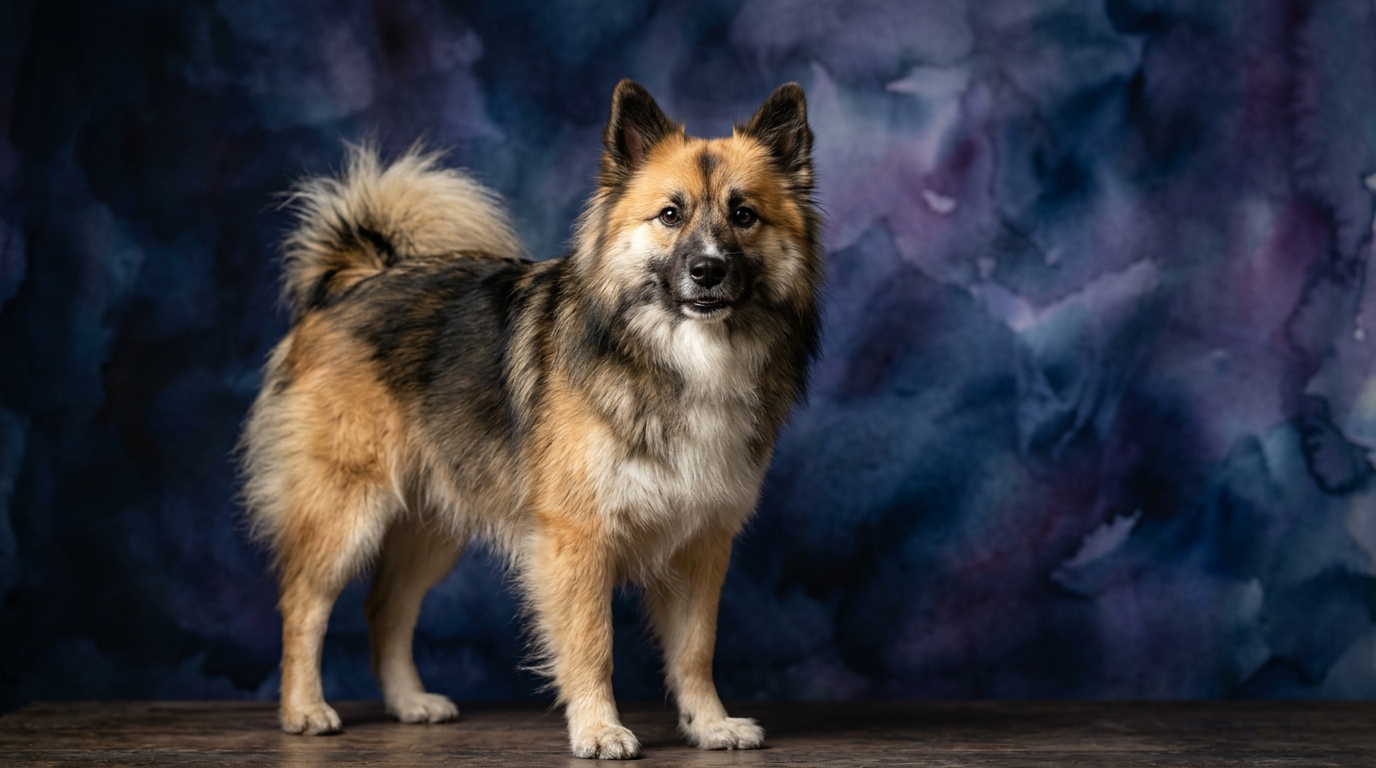
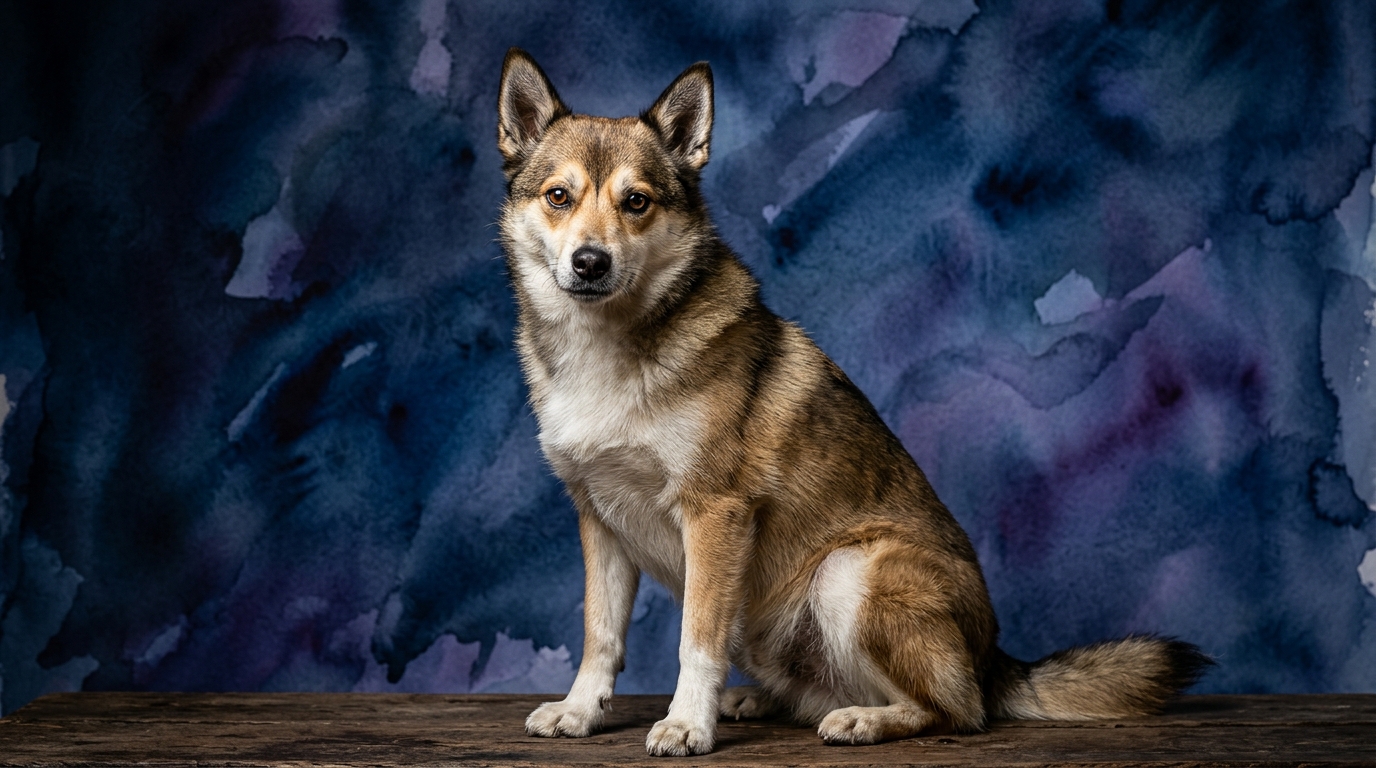
Side-by-Side IQ Profile: Unpacking Their 3/5 Scores
**Problem Solving (3/5):** For the Icelandic Sheepdog, their 3/5 problem-solving acumen manifests in practical, on-the-spot decisions crucial for livestock management. This involves assessing terrain, anticipating flock movements, and finding lost sheep in challenging environments, often requiring quick adaptation to changing weather or obstacles.
Also scoring 3/5, the Norwegian Lundehund's problem-solving is rooted in its historical role as a puffin hunter. This means navigating complex, slippery cliff faces, squeezing into tight rock crevices to retrieve prey, and strategizing how to outmaneuver agile birds in their natural habitat, relying on unique anatomical adaptations.
**Training Speed (3/5):** With a 3/5 for training speed, the Icelandic Sheepdog demonstrates a solid capacity for learning commands and routines, particularly when tasks align with their herding instincts. They respond well to positive reinforcement and consistent methods, eager to form a cooperative working partnership with their handler.
The Lundehund's 3/5 in training speed reflects a capable learner, though their independent nature, honed by solitary hunting, means they might require more patience and creative motivation. They grasp concepts effectively but may choose to apply them on their own terms if not properly motivated, often responding best to reward-based training.
**Social Intelligence (3/5):** Their social intelligence, a 3/5, is characterized by a strong desire for companionship and an ability to read human emotions and intentions within a family or working unit. They are attuned to their human companions and other animals, often acting as vigilant communicators within their social group.
Also at 3/5, the Lundehund's social intelligence is more nuanced. While deeply attached to their families, their history of solitary work means they can be more reserved or observant around strangers, assessing situations before engaging. They form strong, loyal bonds but may not display the overt eagerness of a traditional companion breed.
**Instinctive Drive (3/5):** The 3/5 instinctive drive of the Icelandic Sheepdog is dominated by their innate herding tendencies, which includes a strong desire to gather, control, and protect their 'flock' – be it sheep or human family members. This also encompasses a notable vocalization drive, often barking to alert or communicate.
The Lundehund's 3/5 instinctive drive is distinctly predatory, focused on exploring, climbing, and hunting small prey, particularly birds. Their drive manifests as intense curiosity, a need to investigate nooks and crannies, and a remarkable agility for navigating challenging environments, often exhibiting a strong independent streak.
**Memory (3/5):** Scoring 3/5 in memory, these dogs effectively recall commands, routes, and the intricate patterns of their flock. They remember faces and experiences, which aids in their herding duties and reinforces their bond with their human family.
With a 3/5 memory, the Lundehund retains information critical to its environment and routines. This includes remembering specific hunting spots, the layout of their territory, and learned behaviors, allowing them to efficiently navigate complex physical spaces and recall successful strategies.
Where the Icelandic Sheepdog Wins Cognitively
The Icelandic Sheepdog demonstrates a cognitive edge in areas demanding collaborative problem-solving and immediate responsiveness within a structured social context. Their 3/5 problem-solving score is particularly effective in dynamic situations requiring coordination with a human partner, such as guiding livestock through changing conditions or adapting to unforeseen obstacles on a trail. This collaborative intellect allows them to quickly process and react to handler cues, making them adept at tasks requiring precise timing and teamwork.
Furthermore, their 3/5 social intelligence shines in situations where understanding subtle human emotional states and intentions is paramount. This breed excels at forming deep, communicative bonds, often anticipating their owner's needs or moods, which is invaluable for a dog intended to be a family companion and working partner. Their strong memory (3/5) for specific commands and routines, coupled with their desire to please, contributes to a reliable and predictable working relationship.
Where the Norwegian Lundehund Wins Cognitively
The Norwegian Lundehund, while sharing a 3/5 problem-solving rating, uniquely excels in independent, self-directed cognitive challenges, particularly those involving spatial reasoning and physical dexterity. Their intellect is finely tuned for navigating complex, three-dimensional environments, such as scaling rocky terrain or maneuvering through tight spaces to achieve a goal. This manifests as an exceptional ability to map out and remember intricate pathways, making them masters of environmental puzzle-solving.
Their 3/5 instinctive drive, focused on exploration and hunting, translates into a heightened curiosity and persistence that often outpaces more traditionally biddable breeds in certain contexts. This independent drive, combined with their solid 3/5 memory, means they are adept at remembering specific locations and successful strategies for solitary tasks, making them uniquely suited for activities that reward individual initiative and cleverness in complex environments. Their social intelligence (3/5) allows for strong family bonds, but their cognitive 'win' lies in their self-reliance.
Which is Easier to Train and Why
Given their identical 3/5 training speed, the 'easier to train' distinction between these breeds hinges on the nature of the training and the trainer's approach. The Icelandic Sheepdog generally presents as easier for owners seeking a cooperative partner in traditional obedience and task-oriented training. Their inherent herding drive and social intelligence make them eager to engage with their human, viewing training as a shared activity. They thrive on clear direction and positive reinforcement, quickly grasping commands that align with their desire to work alongside their people.
The Norwegian Lundehund, while equally capable of learning at a 3/5 speed, can be more challenging for conventional obedience due to their deeply ingrained independence and self-directed problem-solving. Their historical role as solitary hunters means they are less innately driven to seek human approval for every action. Training a Lundehund requires creativity, patience, and making the training feel like a game or a puzzle they choose to solve. Owners must understand that a Lundehund might 'know' a command but choose not to execute it if there's no perceived benefit or if their instinctive drive to explore takes precedence. This isn't a lack of intelligence, but a difference in motivational structure.
Which Suits Active Owners vs. Relaxed Owners
Both breeds require active engagement, but their ideal activity levels and types diverge significantly. The Icelandic Sheepdog, with its herding background and robust physical constitution, is best suited for active owners who can provide consistent mental and physical stimulation. They excel in activities like agility, obedience, herding trials, and long hikes, thriving on having a 'job' to do. Their need for companionship also means they integrate well into busy family lives, but they are not content with being couch potatoes. Owners who enjoy outdoor adventures and interactive play will find a perfect match.
The Norwegian Lundehund also requires active owners, but their activity is often characterized by bursts of intense exploration and climbing rather than sustained, repetitive tasks. They need opportunities to satisfy their instinctive drive to investigate and navigate challenging terrains, making them suitable for owners who enjoy unique outdoor adventures, puzzle toys, and exploring new environments. While they are affectionate companions, their energy is often directed towards independent investigation rather than constant human interaction. Relaxed owners, seeking a low-maintenance dog, would likely find both breeds more demanding than anticipated, but the Lundehund's specific activity needs lean towards a more 'explorer' type of active owner rather than a 'worker' type.
The Verdict
Choose the Icelandic Sheepdog if you seek a highly cooperative, communicative companion eager to partner in activities and integrate deeply into family life, thriving on clear direction and shared purpose. They excel for owners who appreciate a dog that is attuned to human emotions and readily participates in structured training and active family adventures.
Opt for the Norwegian Lundehund if you are an independent explorer yourself, valuing a dog with unparalleled agility and a clever mind for navigating complex environments. This breed suits owners who appreciate a self-reliant companion, willing to engage in unique physical challenges and mental puzzles, and who can provide creative, patient training.
🧠 Find Your Pet's IQ Score
Our Pet IQ Lab assessment covers 25+ tests across 5 cognitive dimensions — personalized to your breed.
Take the Full IQ Test →Frequently Asked Questions
Do Icelandic Sheepdogs make good family pets?
Yes, Icelandic Sheepdogs are generally excellent family pets, known for their affectionate nature and strong bonds with their human companions. Their social intelligence and desire for companionship make them well-suited to households that can provide consistent interaction and activity.
Are Norwegian Lundehunds good with children?
Norwegian Lundehunds can be good with children, especially if raised with them from a young age and properly socialized. Their independent nature means they might not always seek out interaction, but they are generally patient and form strong bonds with their family members.
What are the unique physical traits of a Norwegian Lundehund that relate to its intelligence?
The Norwegian Lundehund possesses unique anatomical features, like six toes on each foot and extremely flexible joints in the neck and shoulders, which are directly linked to their problem-solving intelligence for navigating treacherous cliffs and tight spaces during puffin hunting. These physical adaptations enable their specific environmental problem-solving abilities.