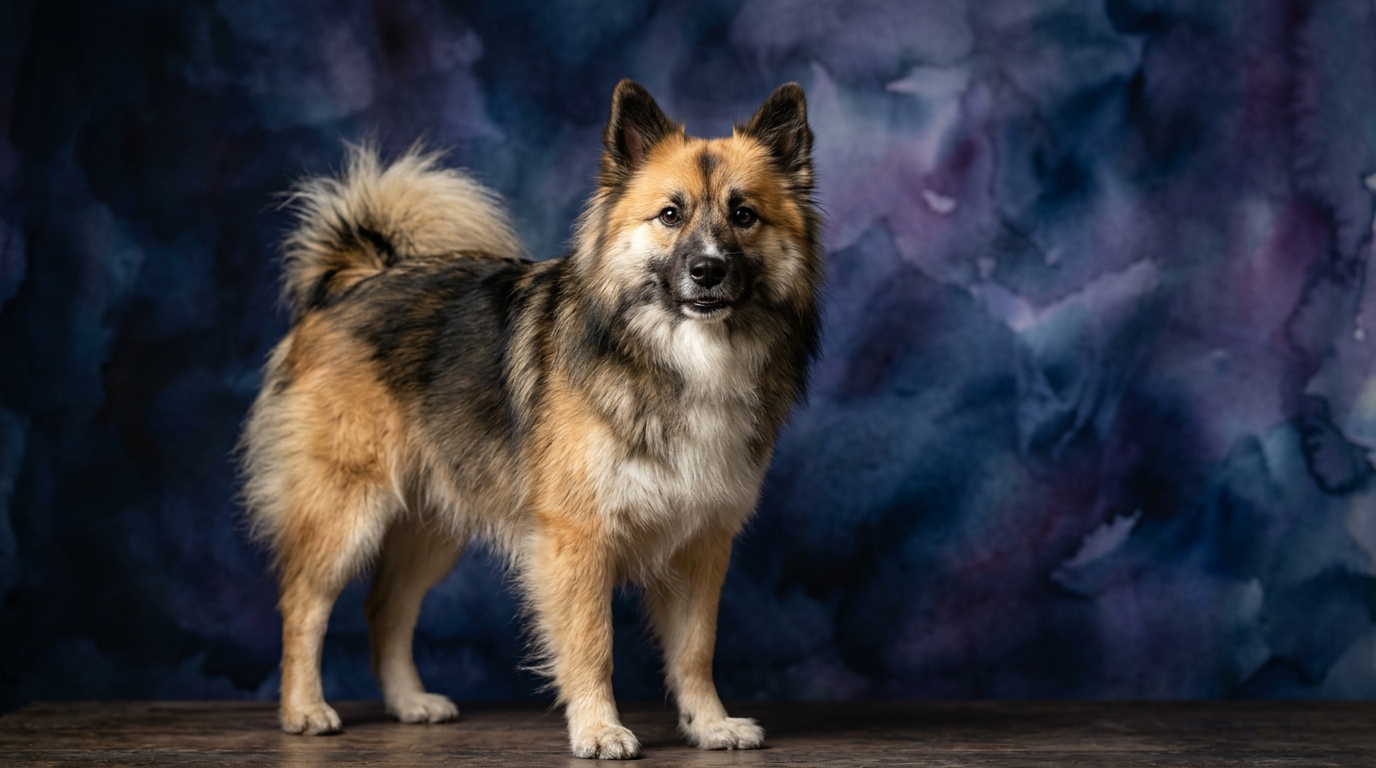
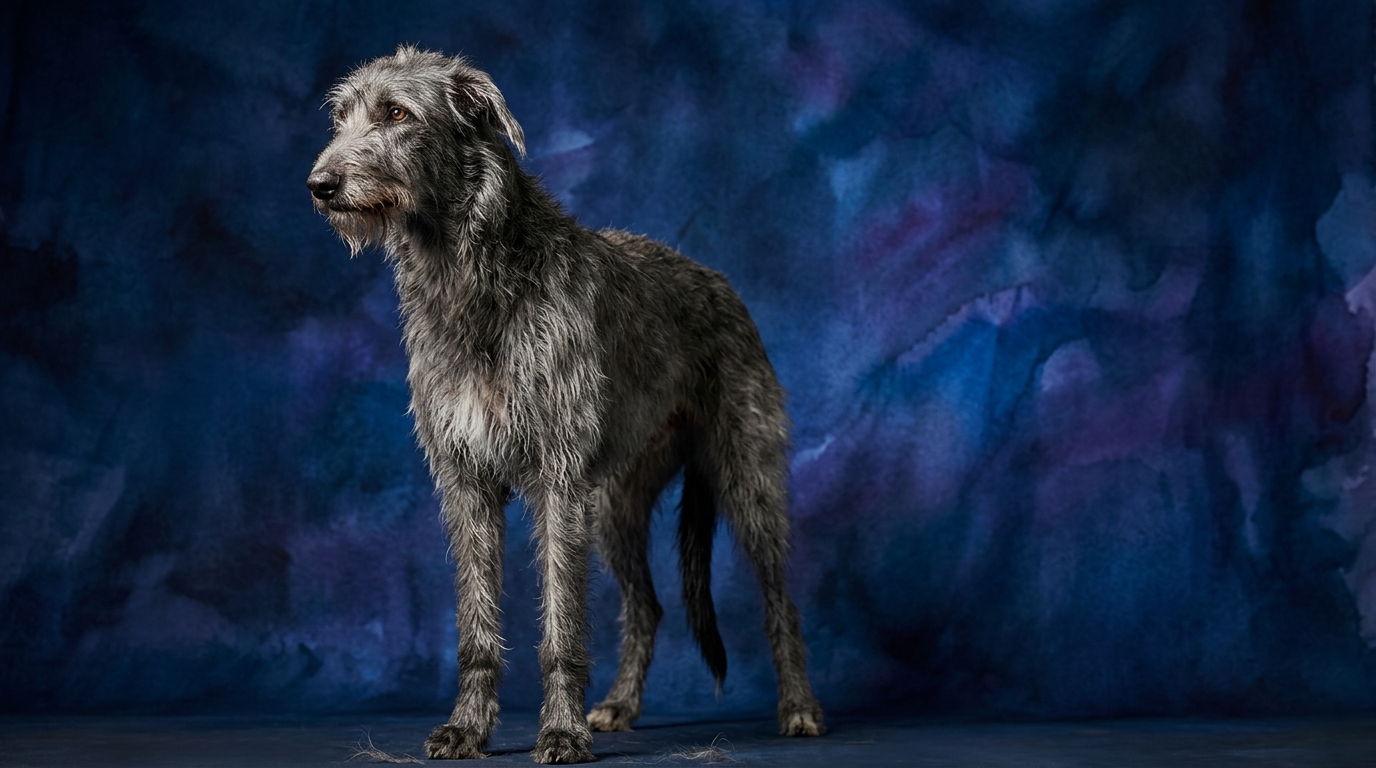
Side-by-Side Cognitive Profile: Herder vs. Sighthound
While both the Icelandic Sheepdog and the Scottish Deerhound register a consistent 3/5 across the five key intelligence dimensions in The Cosmic Pet Pet IQ Lab, understanding the nuances within these scores is crucial. Their respective breed groups – Herding and Hound – dictate how these cognitive abilities manifest in their daily lives and interactions. A moderate score doesn't imply a lack of mental capacity, but rather a specific application of their intellect, shaped by centuries of selective breeding for distinct purposes.
For the Icelandic Sheepdog, a Herding breed, their intelligence is intrinsically tied to their function as a livestock guardian and mover in challenging Nordic environments. Their cognitive profile reflects the need for partnership and adaptability in a working context. The Scottish Deerhound, a majestic Hound, showcases an intelligence honed for independent pursuit of large game across vast landscapes. Their mental faculties are geared towards self-reliance and acute sensory processing during the hunt, rather than constant human direction.
Icelandic Sheepdog: The Cooperative Problem-Solver
The Icelandic Sheepdog's Problem Solving (3/5) is often applied to managing livestock, quickly assessing situations to move or gather animals, or navigate challenging terrain during herding tasks. Their solutions are typically cooperative, involving communication with their human handler, indicating a strong desire to work as a team. Their Training Speed (3/5) benefits from their eagerness to engage with human partners; while not instant learners, their willingness and focus on cooperation make training a rewarding process with consistent, positive reinforcement. Social Intelligence (3/5) in this breed means they are attuned to their handler's moods and intentions, often seeking to please and maintain harmony within their 'flock,' whether that's livestock or their human family. Their Instinctive Drive (3/5) is pronounced in their intrinsic herding behaviors, manifesting as a desire to gather and manage, sometimes extending to family members or other pets, requiring appropriate outlets. Finally, their Memory (3/5) is reliable for commands, routines, and the layout of their environment, aiding in their consistency and ability to perform learned tasks over time, reinforcing their role as a steadfast working companion.
Scottish Deerhound: The Independent Strategist
The Scottish Deerhound's Problem Solving (3/5) is often rooted in its sighthound heritage, involving independent decisions during a chase—calculating angles, anticipating prey movement, and navigating obstacles at high speed. Their solutions are typically self-directed and goal-oriented, focused on the hunt. Regarding Training Speed (3/5), Deerhounds learn at a moderate rate, but their independent nature as sighthounds means they may not always perceive immediate value in human-initiated training exercises. Consistency, patience, and making training feel like a game are key to unlocking their learning potential. Social Intelligence (3/5) for Deerhounds means they are generally observant and can read social situations, though they may express their understanding with a more reserved demeanor. They often form deep bonds with their immediate family, showing sensitivity to their emotions, but can be more aloof with strangers. Their Instinctive Drive (3/5) is significant, centered around sighting and chasing, a powerful instinct that dictates much of their outdoor behavior, demanding secure environments and careful management around smaller animals. Their Memory (3/5) is good for places, routines, and specific commands, especially those associated with positive experiences, demonstrating a practical application of their recall abilities relevant to their hunting lineage.
Where the Icelandic Sheepdog Excels Cognitively
The Icelandic Sheepdog often excels in tasks requiring cooperative problem-solving and a strong partnership with a human. Their historical role demanded quick assessment of dynamic situations within a flock, often under the direct guidance of a shepherd. This fostered a mental aptitude for reading human cues, anticipating instructions, and adapting their actions to collective goals. Their cognitive strength lies in their biddability and eagerness to engage in shared tasks, making them particularly adept at learning complex sequences of commands that contribute to a larger objective, such as agility courses or advanced obedience. They demonstrate a nuanced social intelligence geared towards maintaining group cohesion and responding to leadership, which is a hallmark of their herding heritage. They process environmental and social information with an eye towards collaboration, making them highly responsive partners in various activities.
Where the Scottish Deerhound Excels Cognitively
The Scottish Deerhound's cognitive strengths shine in areas demanding independent decision-making, acute sensory processing, and sustained focus during high-speed pursuit. Bred to hunt large game across open terrain, they developed an exceptional ability to process visual information rapidly, calculate trajectories, and make split-second choices without direct human intervention. Their problem-solving is often individualistic, focused on the immediate task of the chase, requiring superb spatial awareness and an understanding of physical mechanics. This breed's memory is particularly robust for environmental details relevant to hunting, such as terrain features, scent trails, and optimal routes for pursuit, showcasing a practical, self-reliant intelligence. Their ability to maintain intense focus on a distant moving target, while filtering out other distractions, is a testament to their specialized sensory and cognitive processing.
Training Dynamics: Biddability vs. Independence
When considering ease of training, the Icelandic Sheepdog generally presents a more straightforward experience for the average owner. This is primarily due to their ingrained herding instincts, which predispose them to work in close partnership with humans. Their social intelligence is geared towards understanding and responding to human direction, often finding satisfaction in pleasing their handler and contributing to a shared goal. While their training speed is rated 3/5, their inherent desire to cooperate and their focus on their human's cues mean they are often more receptive to learning and more consistent in performing commands. They thrive on positive reinforcement and structured lessons, viewing training as an engaging interaction rather than an imposition, and excel in activities that require a strong handler-dog bond.
The Scottish Deerhound, while possessing the same 3/5 training speed, approaches training with a different mindset. As a sighthound, their primary drive is often self-directed, focused on visual stimuli and the thrill of the chase. They learn, but often require more compelling motivation and may not exhibit the same level of consistent eagerness to please. Their independence means they might question the purpose of a command if it doesn't align with their immediate instincts or perceived self-interest. Training a Deerhound often involves making exercises fun, short, and highly rewarding, understanding that their compliance stems more from a bond of trust and mutual respect than an innate desire for constant direction. Therefore, while both breeds can be trained effectively, the Icelandic Sheepdog's cooperative nature often translates to an “easier” and more consistently responsive training partner, whereas the Deerhound requires a trainer who appreciates and works with their inherent autonomy.
Lifestyle Match: Engaged Partnership vs. Relaxed Independence
The Icelandic Sheepdog is best suited for active owners who relish an engaged partnership and can provide consistent mental and physical stimulation. Their herding background means they thrive on having a 'job' to do, whether it's participating in dog sports like agility, herding trials, or even complex obedience routines. They require daily exercise beyond a simple walk, often enjoying activities that involve problem-solving and interaction, such as puzzle toys or training sessions. Their social intelligence and desire for companionship mean they do not fare well with extended periods of solitude and prefer to be integrated into family activities. For owners who enjoy an interactive, communicative, and busy canine companion, the Icelandic Sheepdog is an ideal match, offering constant engagement and a cheerful disposition.
The Scottish Deerhound, conversely, can suit owners who appreciate a more relaxed indoor companion but are prepared for intense bursts of activity. While they are known for being calm and graceful indoors, often described as 'velcro hounds' who enjoy lounging near their people, their sighthound heritage demands significant opportunities for off-leash running in a securely fenced area. These aren't dogs for casual strolls as their prey drive can be instantly triggered, requiring a dedicated space where they can truly stretch their legs and satisfy their need for speed. They are not typically suited for highly structured, repetitive training like some herding breeds, preferring a more independent approach to exercise. Owners who can provide a quiet home life coupled with regular, vigorous, and safe opportunities for a full-throttle run will find a wonderful companion in the Scottish Deerhound, appreciating their noble presence and gentle nature.
The Verdict
Choose the Icelandic Sheepdog if you seek a highly interactive, cooperative canine partner eager for shared tasks and consistent mental engagement within a family setting.
Opt for the Scottish Deerhound if you appreciate a calm, independent companion indoors, yet can provide ample, secure space for exhilarating, instinct-driven bursts of running and exploration.
🧠 Find Your Pet's IQ Score
Our Pet IQ Lab assessment covers 25+ tests across 5 cognitive dimensions — personalized to your breed.
Take the Full IQ Test →Frequently Asked Questions
Do Icelandic Sheepdogs bark a lot due to their herding instinct?
Yes, Icelandic Sheepdogs often use their voice as a communication tool, a trait stemming from their herding role where barking helped manage livestock. While not excessive, potential owners should be prepared for their vocal nature, which can be managed with consistent training and redirection.
Are Scottish Deerhounds good with children and other pets?
Scottish Deerhounds are generally gentle and tolerant with children they are raised with, often forming strong bonds. However, due to their strong prey drive, careful introductions and supervision are necessary with smaller pets, as their instinct to chase can be powerful and requires management.
What kind of mental stimulation do these breeds need given their 3/5 problem-solving scores?
Both breeds benefit from mental stimulation tailored to their instincts: Icelandic Sheepdogs thrive on puzzle toys, obedience training, and interactive games that simulate herding, while Scottish Deerhounds enjoy scent work, exploring new environments, and opportunities for independent decision-making during safe, off-leash runs.