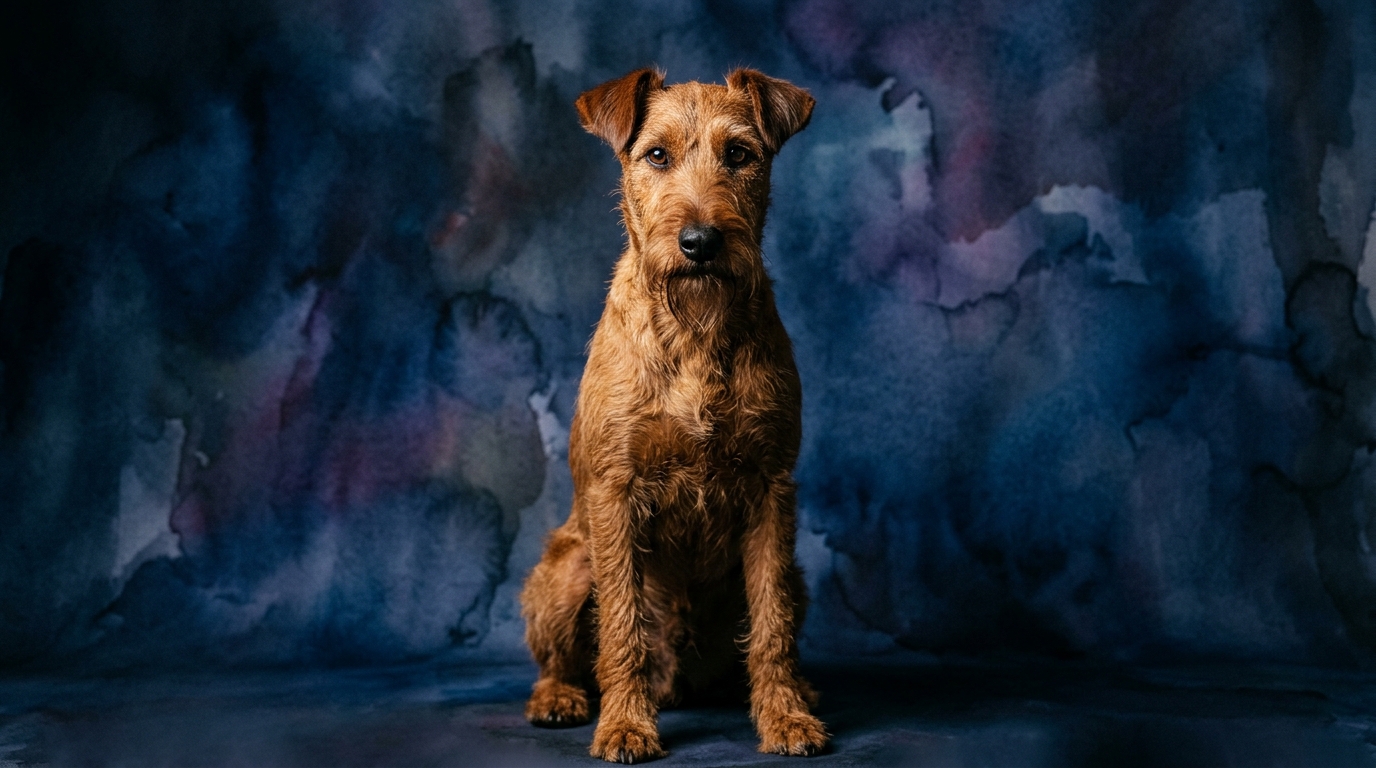
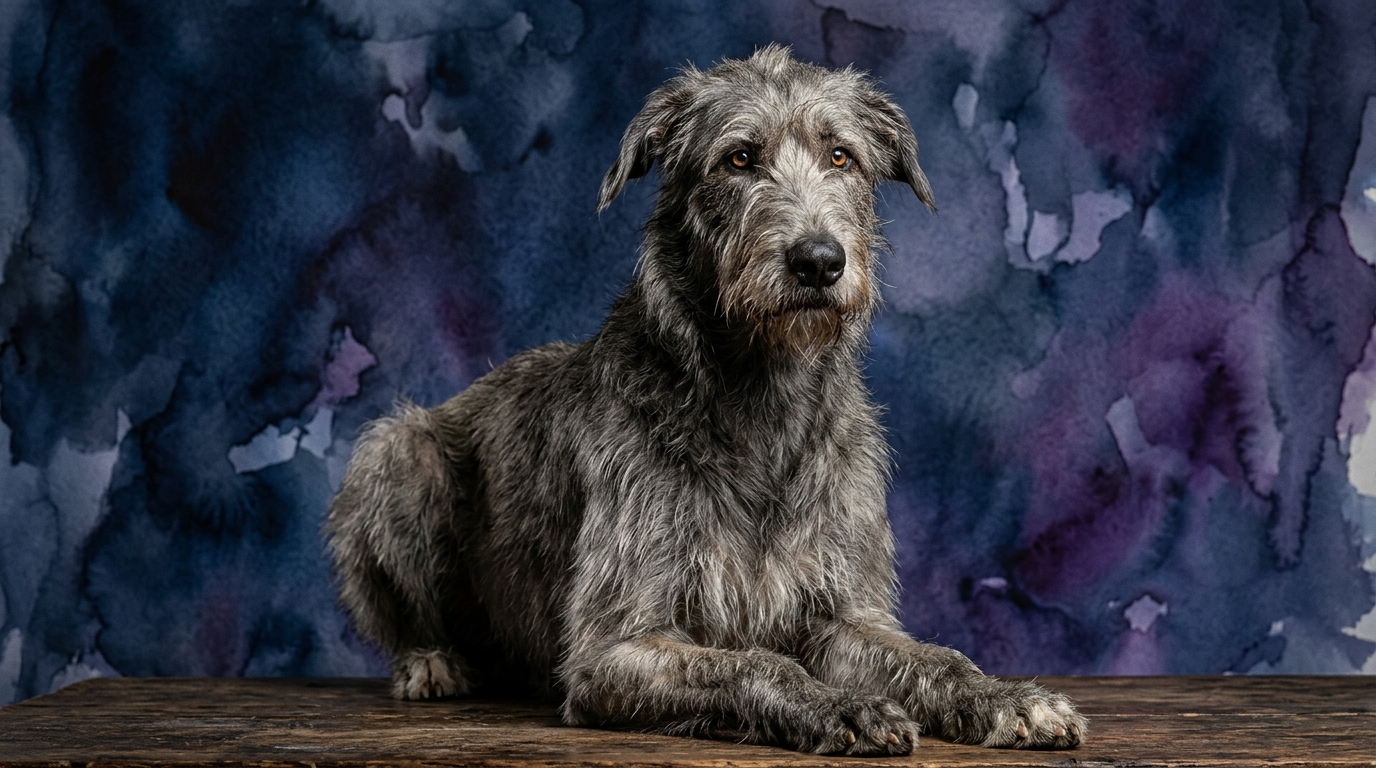
Side-by-side IQ Profile: Unpacking Identical Scores
**Problem Solving (3/5):** The Irish Terrier, a classic 'earth dog', exhibits problem-solving rooted in tenacity and independence, often focused on overcoming physical barriers or outsmarting small prey. This manifests as a determined approach to puzzles or finding creative ways to reach desired objects, driven by an inherent "can-do" attitude that doesn't easily give up. In contrast, the Irish Wolfhound's 3/5 in problem-solving often relates to spatial awareness and strategy in open environments, reflecting their history of tracking and pursuing large game over vast distances. Their solutions might involve navigating complex terrains or understanding the movement patterns of targets, rather than intricate manipulation, showcasing a more observational and strategic cognitive style.
**Training Speed (3/5):** For the Irish Terrier, a 3/5 training speed signifies a quick grasp of new commands, but this agility can be tempered by their independent spirit and a tendency to question the necessity of a task. They learn rapidly when motivated and engaged, but their progress can be inconsistent if training becomes repetitive or clashes with their strong will. The Irish Wolfhound's identical 3/5 reflects a different learning curve; while they are generally eager to please and less overtly stubborn, their sheer size means commands must be ingrained consistently from puppyhood for safety and manageability. They absorb information steadily and reliably, often motivated by affection and a desire for harmony within their family unit, making their learning process more about gentle reinforcement than overcoming resistance.
**Social Intelligence (3/5):** The Irish Terrier's social intelligence at 3/5 often centers on a profound bond with their immediate family, exhibiting a keen sensitivity to their owner's moods and intentions. They can be discerning with strangers and other dogs, reading situations quickly and sometimes reacting with a characteristic terrier assertiveness if they perceive a threat or challenge. Conversely, the Irish Wolfhound's 3/5 social intelligence manifests as a calm, watchful presence, often displaying remarkable patience and tolerance, especially with children and other pets within their established household. They are typically astute observers of group dynamics, acting as gentle, benevolent guardians who prefer peace and harmony, using their imposing size more as a deterrent than an aggressive tool.
**Instinctive Drive (3/5):** The Irish Terrier's 3/5 instinctive drive is powerfully channeled into their classic terrier traits: a relentless prey drive, a love for digging, and an innate desire to investigate and "work" with their mouth. This drive means they are naturally inclined to chase small, fast-moving objects and can be persistent in their pursuit, making secure environments and leash training paramount. The Irish Wolfhound's 3/5 instinctive drive, however, is a legacy of their sighthound heritage, primarily focused on spotting and pursuing game over long distances. Their drive is less about close-quarters interaction and more about the thrill of the chase, triggered by visual stimuli and requiring vast, safe spaces to express these natural galloping instincts responsibly.
**Memory (3/5):** Both breeds share a 3/5 memory rating, but its application varies. The Irish Terrier's memory is robust for routines, learned tricks, and past experiences, both positive and negative; they will remember where a hidden toy is or a specific person who offered a treat, and equally, they'll recall unpleasant encounters. This contributes to their consistency in learned behaviors but also means early positive experiences are crucial. The Irish Wolfhound's memory is similarly strong, particularly for people, places, and established household rules. They remember their family members even after long absences and can recall complex routes or specific locations, a trait valuable for a breed historically tasked with navigating large territories during a hunt.
Where the Irish Terrier Wins Cognitively
Despite identical scores, the Irish Terrier exhibits a distinct cognitive edge in scenarios demanding sustained, focused persistence and ingenious problem-solving in confined or complex spaces. Their terrier tenacity means they excel at tasks requiring repeated attempts or creative detours, such as figuring out how to retrieve a toy from an awkward corner or bypassing a small barrier. This isn't just about raw determination; it's a specific type of problem-solving that involves iterative trial and error, often accompanied by a vocal commentary, making them adept at 'working' a situation until a solution is found. Furthermore, their quick, reactive decision-making in immediate, localized situations, particularly those involving unexpected small movements, showcases a sharp, on-the-spot cognitive agility that is a hallmark of their breed type.
Where the Irish Wolfhound Wins Cognitively
The Irish Wolfhound's cognitive strengths shine brightest in areas requiring broad spatial reasoning, observational intelligence, and a capacity for calm, measured judgment over vast distances. Their sighthound heritage endows them with an unparalleled ability to scan and process environments, understanding complex movement patterns and anticipating trajectories, making them masters of their surroundings in a way that differs from the Terrier's close-range focus. This allows them to navigate large properties or open fields with an almost preternatural understanding of space. Moreover, their social intelligence, while rated the same, manifests as a profound, gentle understanding of household dynamics; they often act as a serene, watchful presence, subtly influencing the mood of a room and exhibiting a nuanced awareness of family members' emotional states, providing a calming anchor rather than a reactive spark.
Training Dynamics: Terriers vs. Hounds
Training an Irish Terrier often feels like a negotiation with a charming, opinionated partner. While they grasp concepts quickly (3/5 training speed), their independent streak and high instinctive drive (3/5) mean they require consistent, engaging, and highly rewarding positive reinforcement to ensure compliance. They are not dogs that will blindly obey; they need to understand 'why' or be convinced that the reward is worth the effort, and they can become bored or defiant if training is repetitive or lacks novelty. Their problem-solving skills might even be applied to finding ways around commands. Conversely, the Irish Wolfhound, despite their immense size, is generally more biddable and eager to please their human companions. Their 3/5 training speed translates to a steady learning pace, and they respond best to gentle, patient, and consistent methods, shying away from harsh corrections due to their sensitive nature. While they may be easily distracted by visual stimuli (their strong instinctive drive), their inherent desire to cooperate often makes them more straightforward to guide through basic obedience, provided training starts early and leverages their affection for their family. The key difference lies in the *nature* of the training challenge: managing Terrier independence versus guiding Wolfhound sensitivity and managing their sheer physical presence.
Lifestyle Compatibility: Active vs. Relaxed Owners
For owners seeking an active, mentally stimulating companion, the Irish Terrier is an ideal match. Their robust instinctive drive (3/5) and tenacious problem-solving (3/5) mean they thrive on regular physical exercise, such as long walks, hikes, or engaging dog sports like agility, earthdog trials, or flyball. They require consistent mental engagement through puzzle toys, training sessions, and opportunities to 'work' their minds, otherwise, their considerable energy and curiosity can lead to mischievous behaviors. They are best suited for individuals or families who embrace an outdoor lifestyle and enjoy interacting with a dog that possesses a strong, inquisitive personality and a perpetual readiness for adventure. In contrast, while the Irish Wolfhound is a giant, they are not a hyperactive breed. They certainly require regular, substantial exercise—long walks, the opportunity for a good gallop in a securely fenced area, and daily outdoor time are essential for their health and well-being. However, once their exercise needs are met, they are typically calm, dignified companions indoors, content to lounge near their family. They suit owners who can provide ample space, commit to their exercise requirements, but also appreciate a serene, observant presence at home. They are not dogs that demand constant high-intensity play, making them suitable for owners who enjoy a blend of structured activity and peaceful companionship.
The Verdict
Opt for an Irish Terrier if you desire a spirited, tenacious companion for active adventures and enjoy engaging with a dog that brings a sharp wit and independent problem-solving to every interaction. They thrive with owners who appreciate their spirited personality and can channel their considerable drive into productive activities.
Select an Irish Wolfhound if you seek a gentle, dignified giant who offers calm companionship and profound loyalty, provided you can accommodate their need for space and consistent, gentle training. They are perfect for owners who appreciate a serene presence and are prepared for a dog with a massive heart and an equally massive physical presence.
🧠 Find Your Pet's IQ Score
Our Pet IQ Lab assessment covers 25+ tests across 5 cognitive dimensions — personalized to your breed.
Take the Full IQ Test →Frequently Asked Questions
How do their hunting instincts typically manifest in a modern home environment?
The Irish Terrier's instinct often translates to chasing squirrels, digging in the yard, and a keen interest in small, moving objects, requiring secure fencing and leash discipline. The Irish Wolfhound's sighthound drive means they might suddenly bolt after anything moving quickly in the distance, necessitating a truly secure, large yard and strict recall training when off-leash.
Are either breed generally good with children and other pets?
Irish Wolfhounds are renowned for their gentle, patient nature with children and often coexist well with other pets, though their size requires supervision to prevent accidental bumps. Irish Terriers can be excellent family dogs but may require more careful socialization with children and other animals due to their spirited nature and potential for terrier "rough play" or prey drive towards smaller pets.
What kind of mental enrichment is most effective for each breed given their IQ profiles?
For the Irish Terrier, puzzle toys that require manipulation, scent work, and varied obedience training keep their problem-solving minds engaged and prevent boredom-induced mischief. Irish Wolfhounds benefit from activities that leverage their observational skills and spatial memory, such as 'hide and seek' with family members, gentle tracking games, and consistent, positive reinforcement for obedience, which reinforces their desire to please.