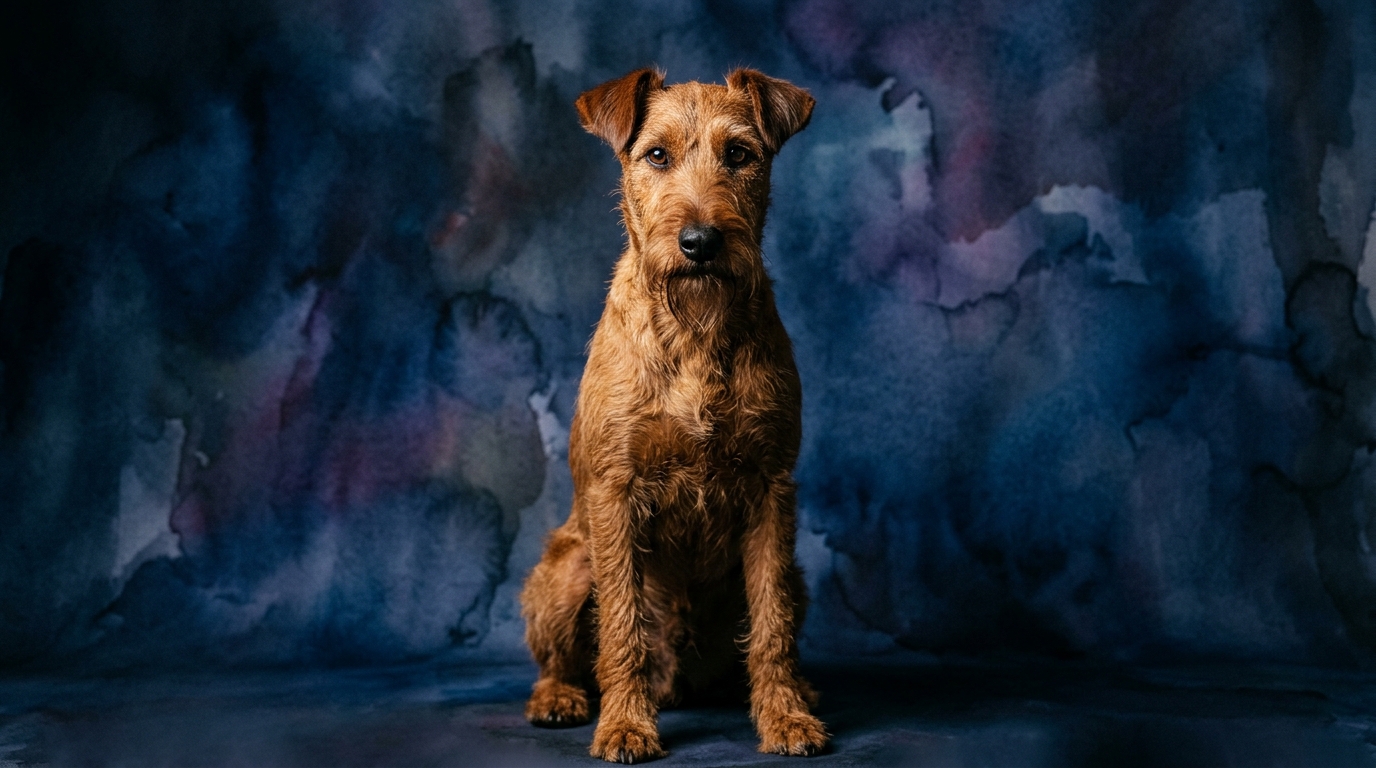
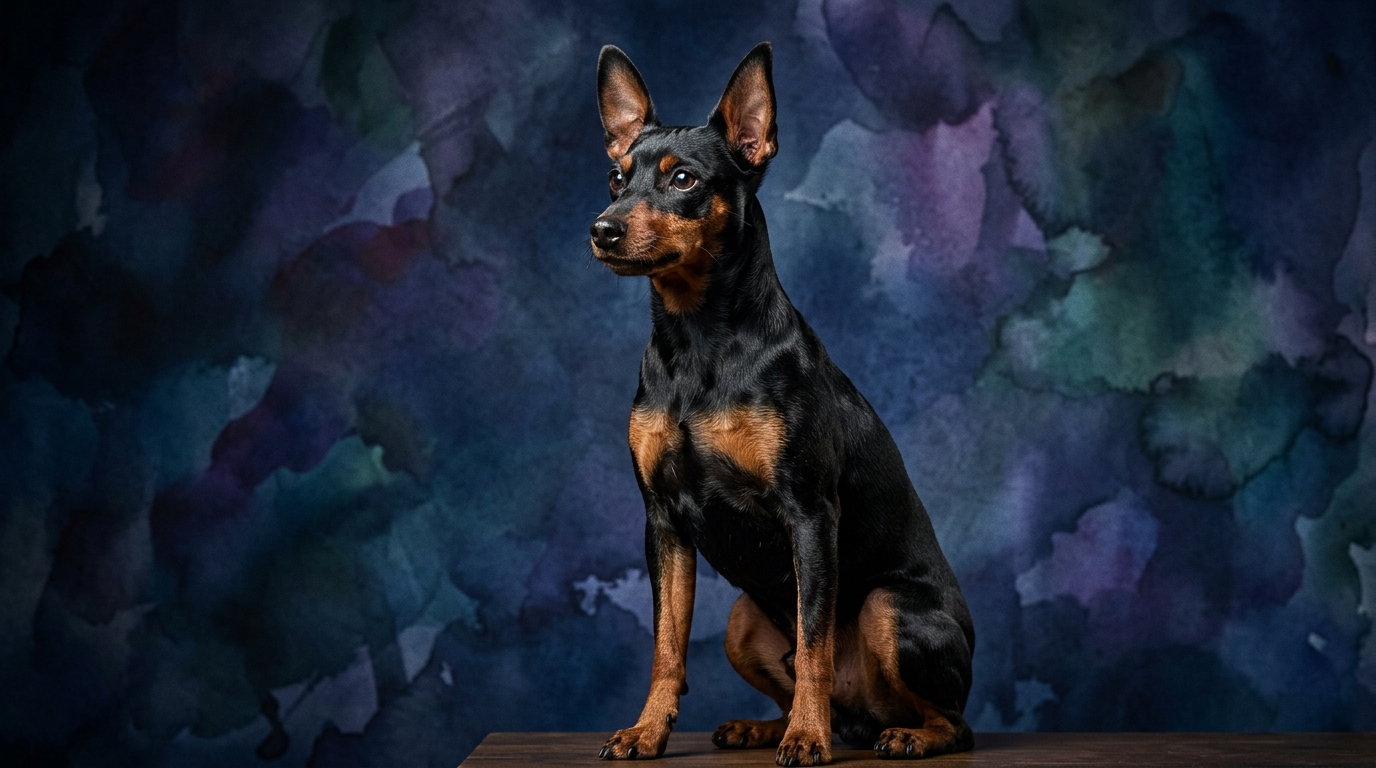
Side-by-Side IQ Profile: Unpacking the 3/5 Score
The Cosmic Pet Pet IQ Lab assesses canine intelligence across five key dimensions: Problem Solving, Training Speed, Social Intelligence, Instinctive Drive, and Memory. Intriguingly, both the Irish Terrier and the Miniature Pinscher register a consistent 3 out of 5 across every single category. This uniform score doesn't suggest a lack of mental capacity; rather, it indicates a moderate, balanced cognitive profile, capable of learning and adapting, but perhaps without the extreme specialization seen in some other breeds. The real insight comes from understanding how this moderate capability is expressed through their unique breed characteristics.
For the Irish Terrier, a 3/5 in Problem Solving means they are clever and resourceful, particularly when it comes to achieving their own goals, often related to their terrier heritage like investigating scents or navigating challenging terrain. Their 3/5 Training Speed suggests they can learn new commands and routines effectively, but their independent spirit means engagement and consistency are paramount. Social Intelligence at 3/5 indicates they are generally good at understanding human cues and integrating into a family, though they can be discerning with strangers or other animals. Their 3/5 Instinctive Drive is robust, manifesting as a strong prey drive, a desire to dig, and a watchful territorial nature. Finally, a 3/5 in Memory means they retain learned behaviors and experiences well, both positive and negative.
The Miniature Pinscher, despite its smaller stature, also presents a 3/5 across the board. Its 3/5 Problem Solving often manifests as resourcefulness in a domestic setting, figuring out how to get attention, access forbidden treats, or navigate complex household dynamics. A 3/5 Training Speed means they are capable learners, but their confident, sometimes stubborn nature requires patient and consistent methods to keep them focused. Their Social Intelligence at 3/5 makes them attuned to their family's emotions and routines, yet they can be quite assertive or wary with outsiders, embodying a 'big dog in a small body' mentality. The 3/5 Instinctive Drive in a Min Pin is surprisingly strong, often expressed as an alert barker, a vigilant guard of their territory, and a keen interest in chasing small, fast-moving objects. Their 3/5 Memory ensures they remember routines, commands, and household rules, for better or worse.
Where the Irish Terrier's Cognition Shines
The Irish Terrier's 3/5 problem-solving ability is particularly evident in contexts that demand persistence and a certain gritty ingenuity. This isn't about solving abstract puzzles, but rather demonstrating practical cleverness in real-world scenarios, such as finding the weak spot in a fence, locating a hidden toy through scent, or navigating a complex path to reach a desired object. Their cognitive strengths lie in their determined approach to challenges, using their mental faculties to overcome obstacles with a terrier's typical resolve, a characteristic deeply ingrained from their working origins.
Furthermore, the Irish Terrier’s 3/5 social intelligence, while not overtly effusive, often manifests as a deep, intuitive bond with their primary caregivers. They excel at reading the moods and intentions of their closest human companions, often anticipating needs or reacting sensitively to emotional states. This isn't broad social adaptability, but a focused, perceptive connection within their trusted 'pack,' supported by their 3/5 memory which allows them to recall specific interactions and cues that strengthen these intimate relationships over time.
Where the Miniature Pinscher's Cognition Excels
The Miniature Pinscher's 3/5 problem-solving often shines in its capacity for strategic maneuvering within a home environment. They are adept at observing household routines and finding clever ways to influence outcomes, whether it's learning which family member is most likely to give in to their demands or figuring out how to access a favorite nap spot. This practical intelligence is often coupled with a quick, opportunistic streak, allowing them to seize moments for their advantage with surprising efficiency for a small dog.
Moreover, the Min Pin's 3/5 social intelligence, combined with its strong 3/5 instinctive drive, makes it an exceptionally vigilant and effective household alert system. They possess a keen awareness of their immediate surroundings, rapidly processing environmental cues and using their vocalizations and body language to communicate perceived threats or unusual occurrences. This demonstrates an astute understanding of their role as a guardian within the family unit, with their 3/5 memory aiding them in recalling specific 'threat' patterns or strangers, making them surprisingly effective watchdogs despite their size.
Training Dynamics: A Study in Motivation and Persistence
Both the Irish Terrier and Miniature Pinscher score a 3/5 in training speed, indicating they are capable of learning at a moderate pace, but the underlying mechanisms and challenges differ significantly. Irish Terriers, with their independent terrier nature and strong instinctive drives, require training that is consistent, engaging, and varied to prevent boredom and maintain their focus. They are not always driven by a desire to simply please; instead, their motivation often stems from the satisfaction of accomplishing a task or solving a problem, meaning trainers must tap into their innate curiosity and drive.
Miniature Pinschers, despite their diminutive size, also possess a strong will and can be quite self-directed, presenting their own set of training challenges. Their 3/5 training speed means they can pick up commands, but their motivation often hinges on high-value rewards and ensuring the training remains interesting. They are prone to 'selective hearing' if something more stimulating captures their attention, or if they perceive a command as not sufficiently rewarding. Their confident personality means they can test boundaries, requiring firm yet fair handling.
For both breeds, positive reinforcement methods are crucial, but the specific type of reinforcement might need tailoring. Irish Terriers might respond exceptionally well to puzzle toys, scent work, or short bursts of intense activity as rewards, which tap into their problem-solving and instinctive drives. Miniature Pinschers, on the other hand, might be more overtly food-motivated or seek specific forms of attention or play. Early and thorough socialization is vital for both to help them channel their moderate social intelligence and instinctive drives into positive interactions rather than wary or overly assertive behaviors.
Matching Breeds to Lifestyles: Active Explorers vs. Spirited Companions
The Irish Terrier, with its balanced 3/5 in instinctive drive and problem-solving, is an excellent match for active owners who enjoy outdoor adventures and engaging in dog sports. Their terrier heritage means they thrive when given a 'job' or mental stimulation that taps into their natural curiosity and determination, such as agility, earthdog trials, or long, exploratory hikes. Their moderate social intelligence means they appreciate a close, active family bond but are not necessarily reliant on constant group interaction, often content with focused one-on-one engagement with their chosen human.
The Miniature Pinscher, while also energetic, often finds its 3/5 instinctive drive and problem-solving capabilities adequately satisfied within a stimulating home environment, complemented by regular walks and interactive playtime. They excel as vigilant, spirited companions, using their social intelligence and memory to form strong bonds with their family and act as effective, though vocal, guardians of the household. They are well-suited for owners who appreciate a confident, lively, and sometimes opinionated small dog that brings a dynamic presence to their daily life.
It is important to note that neither breed is suitable for extremely sedentary owners who expect a purely decorative or low-maintenance pet. Both the Irish Terrier and the Miniature Pinscher require consistent mental engagement, clear boundaries, and sufficient physical activity to prevent the development of unwanted behaviors that can arise from their moderate but present drives and problem-solving capabilities. Their similar IQ scores belie distinct approaches to life, demanding owners who understand and cater to their unique breed-specific needs.
The Verdict
Choose the Irish Terrier if you seek a resilient, resourceful companion for active outdoor adventures and enjoy a dog with a determined, independent streak that thrives on practical challenges and a strong bond with its primary human.
Opt for the Miniature Pinscher if you desire a confident, spirited companion that brings a lively, alert presence to your home and appreciate a smaller dog with a surprisingly big personality and a knack for domestic strategy.
🧠 Find Your Pet's IQ Score
Our Pet IQ Lab assessment covers 25+ tests across 5 cognitive dimensions — personalized to your breed.
Take the Full IQ Test →Frequently Asked Questions
Do Irish Terriers and Miniature Pinschers learn commands at the same rate?
While both breeds score 3/5 in training speed, their learning styles and motivations differ. Irish Terriers respond best to engaging, varied training that respects their independent nature, while Miniature Pinschers can learn quickly but require consistent positive reinforcement to overcome their occasional stubbornness and maintain focus.
Which breed is better at adapting to new environments?
Both breeds, with their 3/5 social intelligence and problem-solving, can adapt well to new environments, though their approach may vary. Irish Terriers might cautiously assess new surroundings with a terrier's watchfulness and resourcefulness, while Miniature Pinschers might quickly establish their territory and alert to new stimuli, asserting their presence.
How do their instinctive drives manifest similarly or differently?
Both breeds have a 3/5 instinctive drive, but its focus differs significantly. The Irish Terrier's drive leans towards traditional terrier tasks like hunting small game, digging, and exploration, whereas the Miniature Pinscher's drive often manifests as alert barking, territoriality, and a keen eye for small, fast-moving objects within its domestic sphere.