Side-by-Side Cognitive Profiles
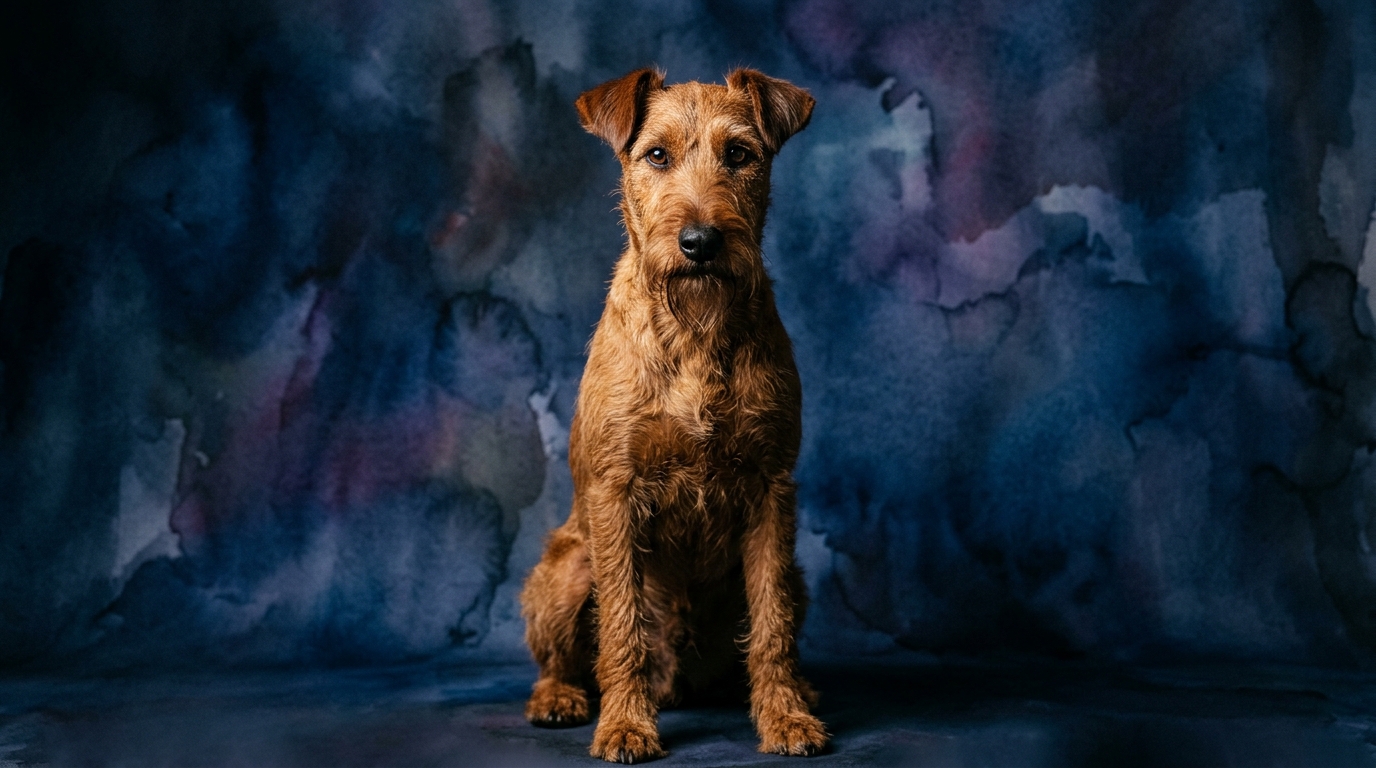
The Cosmic Pet Pet IQ Lab provides a nuanced framework for understanding canine cognition, assessing five key dimensions. For the Irish Terrier, a breed not ranked by Coren, its profile shows a consistent '3/5' across the board: Problem Solving, Training Speed, Social Intelligence, Instinctive Drive, and Memory. This indicates a dog with solid, average capabilities in these areas, exhibiting a balanced set of mental faculties that serve its terrier heritage.
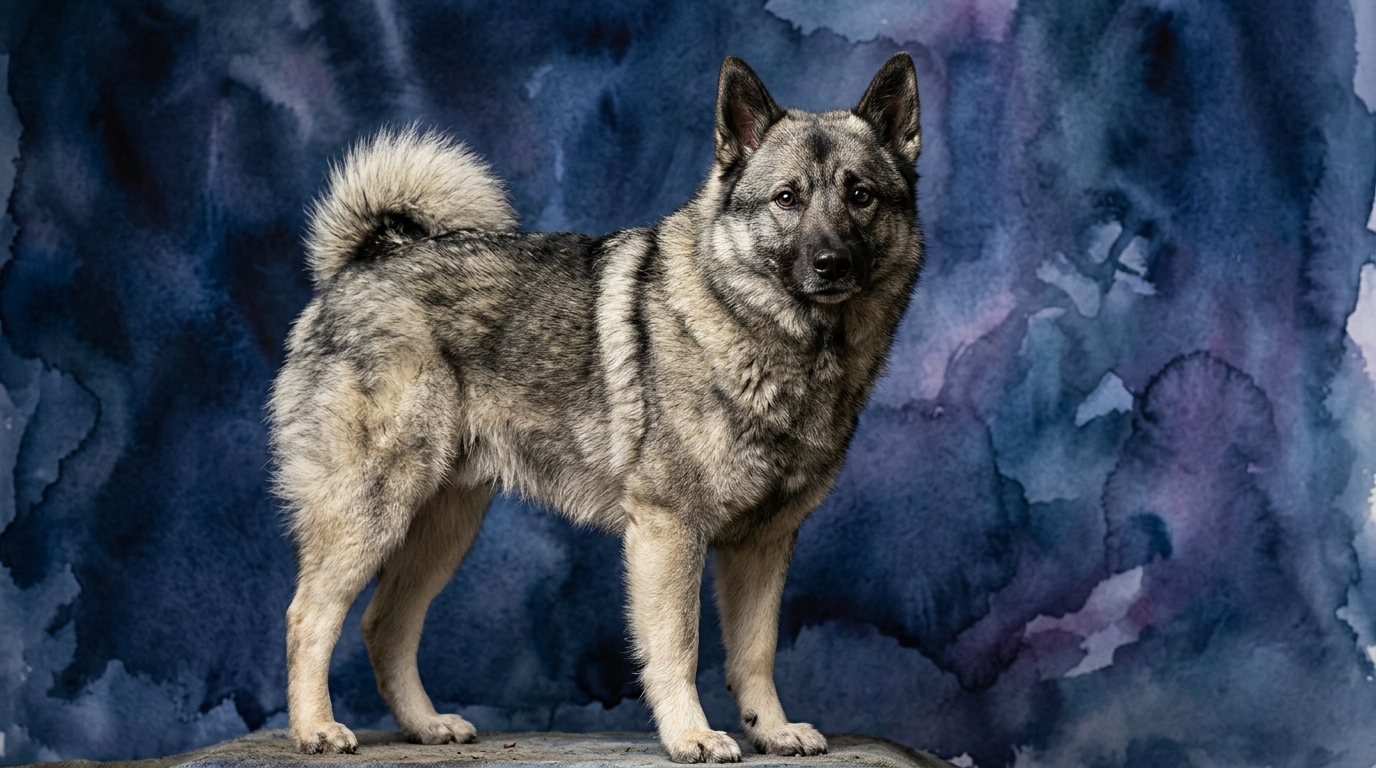
In contrast, the Norwegian Elkhound, holding a Coren rank of #36, presents a different cognitive blueprint. It achieves a '4/5' in Problem Solving, Training Speed, and Memory, suggesting a more pronounced aptitude in these specific domains. Its Social Intelligence and Instinctive Drive, however, mirror the Irish Terrier's at '3/5'. This distinction points to an Elkhound that generally processes information and learns tasks with greater alacrity, while sharing a similar baseline for social awareness and inherent drives.
Where the Irish Terrier's Cognition Shines
While the Irish Terrier's scores are consistently 3/5, their cognitive strengths lie in the *application* of these moderate abilities, shaped by their terrier temperament. Their Problem Solving at 3/5 often manifests as tenacious persistence; rather than quick analytical leaps, they will methodically, and sometimes stubbornly, work through an obstacle until a solution is found, making them adept at tasks requiring grit and determination. This isn't a deficiency but a different style of engagement.
Their Instinctive Drive, also at 3/5, is a powerful asset for specific roles. This drive translates into an unwavering focus on scent and movement, crucial for their historical purpose of vermin control. It’s a cognitive commitment to their inherent job, directing their attention and energy with purpose. Similarly, their Social Intelligence at 3/5, while not as broadly adaptable as some, allows for deep, loyal bonds within their immediate family, where they are keenly attuned to familiar human cues and emotional states, often asserting their presence and needs with a characteristic terrier directness.
The Irish Terrier's Memory (3/5) and Training Speed (3/5) indicate a capacity for learning and retention that, while not rapid, is reliable. They form strong, lasting associations with experiences and commands through consistent reinforcement. This means once a lesson is ingrained, it tends to stick, contributing to their reputation as dependable companions within their established routines. Their cognitive profile supports a dog that becomes a deeply integrated, if sometimes independently minded, member of its human pack, excelling in roles that value steadfastness and a focused, energetic pursuit of a goal.
Where the Norwegian Elkhound's Cognition Excels
The Norwegian Elkhound's higher cognitive scores paint a picture of a more readily adaptable and efficient learner. Their Problem Solving at 4/5 indicates a strong capacity for abstract thought and strategic thinking. They are more likely to analyze a situation, understand cause and effect, and adjust their approach swiftly, making them proficient at navigating complex environments or understanding multi-step commands. This analytical edge is a hallmark of their intelligence.
Their Training Speed, also at 4/5, directly translates to a quicker grasp of new commands and routines. Elkhounds typically require fewer repetitions to learn a new behavior and can generalize lessons to different contexts more effectively. This efficiency in learning makes them responsive partners in structured training settings and various dog sports. Coupled with a Memory score of 4/5, they retain these learned behaviors and complex sequences over extended periods, making them reliable and consistent performers once a skill is mastered.
The Elkhound's Instinctive Drive (3/5) is highly specialized for their original purpose: tracking and holding large game. This drive is not merely physical but deeply cognitive, requiring sustained focus, independent decision-making in the field, and an ability to navigate vast terrains using scent and memory. While their Social Intelligence matches the Irish Terrier at 3/5, their overall cognitive package, particularly in problem-solving and memory, equips them for sophisticated cooperative tasks and independent work that demands mental stamina and strategic thought, making them highly capable working companions.
Trainability: Elkhound's Efficiency vs. Terrier's Tenacity
When it comes to trainability, the Norwegian Elkhound generally presents a smoother path for most owners due to its 4/5 Training Speed and 4/5 Problem Solving. They are often quick to understand what is being asked of them, processing new information efficiently and retaining it well. Their historical role as independent hunters still required cooperative efforts with humans, fostering a foundational willingness to engage in tasks that make sense to them. Success with an Elkhound often hinges on clear, consistent communication and ensuring their physical and mental needs are met, as boredom can lead to independent, less desirable activities.
The Irish Terrier, with a 3/5 Training Speed, requires a more patient and creative approach. Their strong terrier instincts and independent nature mean they might not always see the immediate value in complying with a human directive, especially if it conflicts with an interesting scent or perceived 'job.' Training an Irish Terrier means engaging their cleverness and channeling their natural drives rather than trying to suppress them. Positive reinforcement, varied training sessions, and a sense of fun are crucial to keeping their attention. While they learn, it's at a steadier pace, and their problem-solving often involves finding ways to achieve *their* goals, which may not always align with the handler's without thoughtful guidance.
Matching Canine Cognition to Owner Lifestyles
Choosing between these two breeds based on lifestyle means considering not just energy levels, but also how their cognitive profiles align with an owner's capacity for engagement. For active owners seeking a highly capable partner for adventures and structured activities, the Norwegian Elkhound’s cognitive strengths make it an excellent fit. Its 4/5 Problem Solving and Memory mean it can excel in dog sports like obedience, agility, or tracking, and will thrive on challenging hikes and outdoor exploration where its endurance and independent thinking can be utilized. Owners who enjoy teaching complex skills and appreciate a dog that quickly grasps concepts will find the Elkhound rewarding.
The Irish Terrier, with its consistent 3/5 scores, is also for active owners, but ones who appreciate a different kind of engagement. Owners who are drawn to a dog with a robust personality, a touch of independent thought, and a zest for life will appreciate the Irish Terrier. Their innate drives and problem-solving tenacity mean they need purposeful activity – be it earthdog trials, engaging puzzle toys, or vigorous play that satisfies their chasing instincts. They are less suited for truly 'relaxed' owners, as their mental and physical energy requires consistent direction, but they thrive with owners who enjoy a dog that offers a spirited challenge and a unique perspective on the world.
The Verdict
Choose the Irish Terrier if you appreciate a spirited, independently thinking companion who thrives on purposeful engagement and consistent, creative guidance, and you value a dog with tenacious problem-solving and deep family loyalty.
Opt for the Norwegian Elkhound if you seek a highly trainable, intelligent partner for outdoor adventures and structured activities, valuing a dog with superior problem-solving, quick learning, and excellent memory for cooperative tasks.
🧠 Find Your Pet's IQ Score
Our Pet IQ Lab assessment covers 25+ tests across 5 cognitive dimensions — personalized to your breed.
Take the Full IQ Test →Frequently Asked Questions
How does the Coren rank relate to the Pet IQ Lab scores?
The Coren rank primarily assesses a breed's working intelligence and obedience trainability. The Pet IQ Lab offers a more granular view, breaking down intelligence into specific dimensions. The Elkhound's #36 Coren rank aligns with its higher scores in Training Speed and Problem Solving, reflecting its general ease of training compared to the unranked Irish Terrier, which requires a different training approach.
What does a '3/5 Instinctive Drive' mean for these breeds?
For both breeds, a 3/5 Instinctive Drive signifies a strong, inherent inclination towards their breed-specific tasks. For the Irish Terrier, this often means a powerful drive for chasing and digging, rooted in vermin control. For the Norwegian Elkhound, it points to a compelling drive for tracking, scent work, and independent hunting, requiring owners to understand and appropriately channel these natural tendencies through training and activities.
Are either of these breeds recommended for first-time dog owners?
Both breeds require committed owners, but the Norwegian Elkhound's higher Training Speed and Problem Solving (4/5) might make initial training slightly less challenging for a dedicated first-timer. The Irish Terrier's independent nature and 3/5 Training Speed mean a first-time owner would need to be exceptionally patient, consistent, and willing to invest significant time in understanding and channeling its unique terrier personality.