Side-by-Side Cognitive Profiles: Decoding Identical Scores
Both breeds achieve a consistent 3/5 across all five Pet IQ Lab dimensions: Problem Solving, Training Speed, Social Intelligence, Instinctive Drive, and Memory. This uniform scoring points to a moderate, well-rounded cognitive capacity, yet the way these traits manifest is profoundly shaped by their distinct ancestral roles and temperaments. Understanding these nuances is crucial for appreciating their individual forms of brilliance.
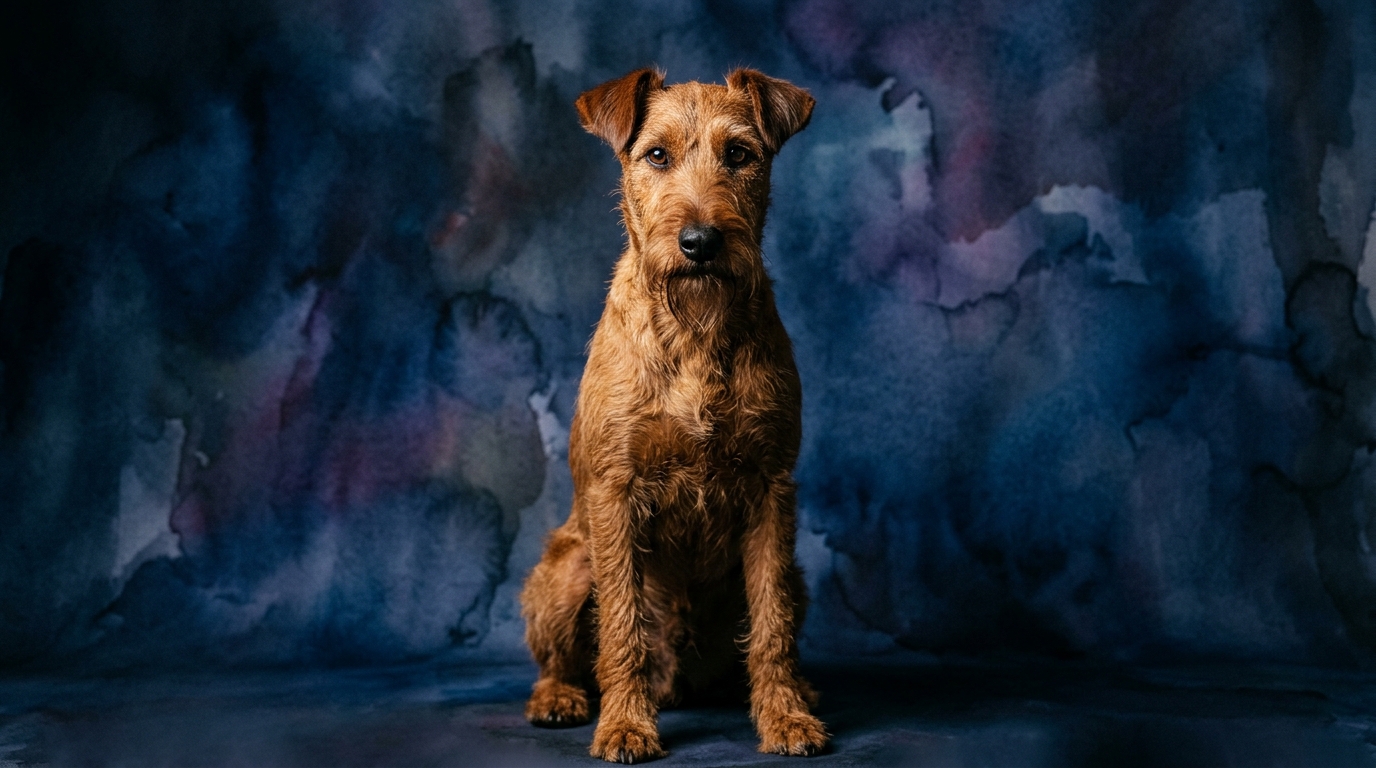
The Irish Terrier's 3/5 Problem Solving reflects a quick-witted nature, often directed at navigating their environment or achieving self-serving goals, like accessing a forbidden treat. Their 3/5 Training Speed indicates they grasp concepts readily, though their independent streak means compliance is a matter of motivation and consistency. A 3/5 Social Intelligence highlights their affectionate yet sometimes boisterous engagement with family, while their Instinctive Drive of 3/5 is a potent blend of prey drive, territoriality, and a desire for action. Their 3/5 Memory means they recall routines, commands, and experiences effectively, contributing to their adaptable nature.
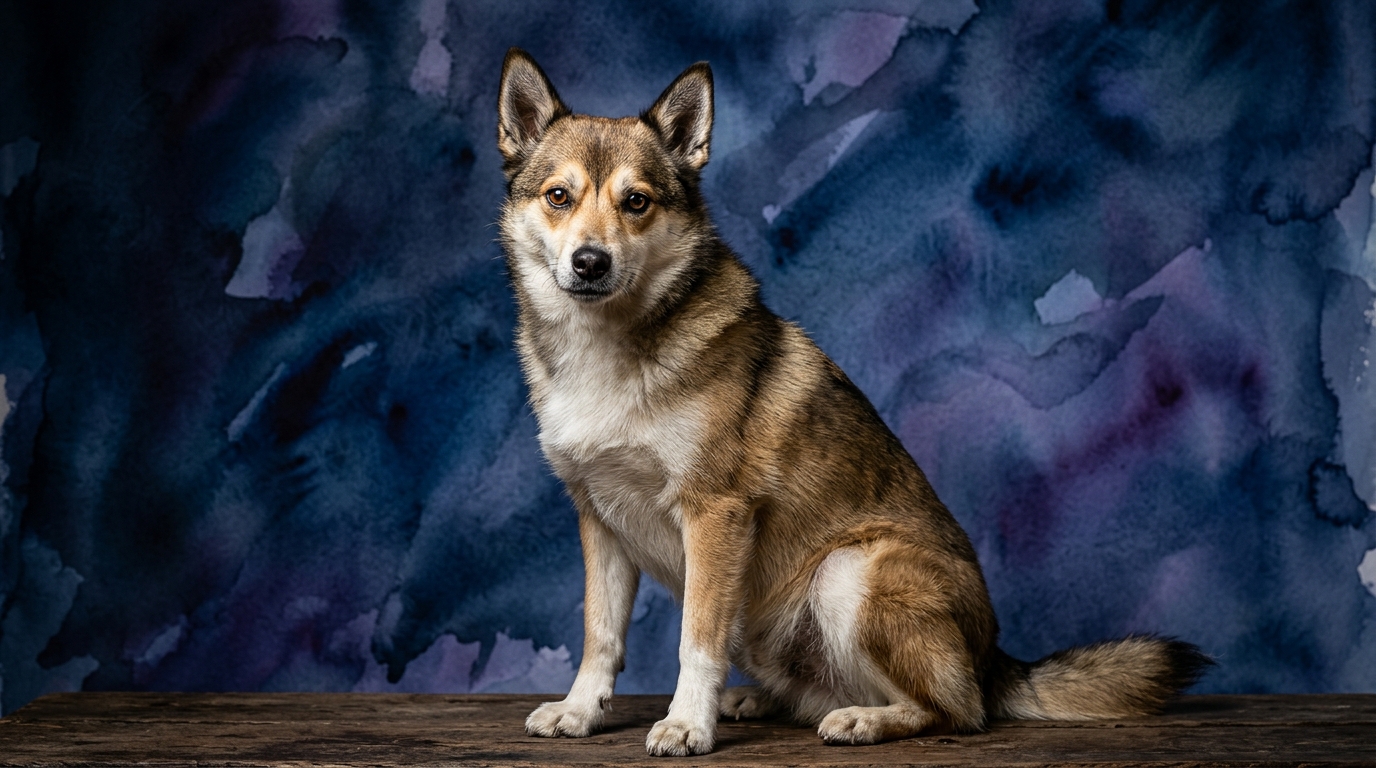
For the Norwegian Lundehund, 3/5 Problem Solving speaks to an exceptional ability to navigate complex, three-dimensional spaces, a legacy of their puffin-hunting past on treacherous cliffs. Their 3/5 Training Speed signifies they are capable learners, but their independent, self-reliant working style means they are not inherently eager to please and require patient, understanding methods. Social Intelligence at 3/5 manifests as deep loyalty to their chosen family, often expressed with a reserved demeanor towards strangers. Their 3/5 Instinctive Drive is centered around exploration, climbing, and an independent hunting instinct, complemented by a 3/5 Memory particularly strong for spatial recognition, recalling intricate routes and locations with impressive accuracy.
Where the Irish Terrier’s Cognitive Strengths Shine
While both breeds share similar numerical scores, the Irish Terrier often demonstrates a more direct and assertive application of their cognitive abilities, particularly in areas requiring spirited engagement. Their 3/5 Problem Solving frequently involves ingenious methods to achieve desired outcomes, whether outsmarting a puzzle toy or finding a way to join in family activities. This isn't just about figuring things out; it's about a tenacious, 'never say die' attitude applied to mental challenges.
The Irish Terrier’s 3/5 Social Intelligence often translates into a more overtly communicative and interactive style within their family unit. They are adept at reading their owners' moods and often respond with a comforting nudge or an invitation to play, showing a deep emotional attunement within their chosen pack. This active participation in the family dynamic often makes them the energetic heart of the home, with their 3/5 Memory solidifying these social interactions and favored routines.
Where the Norwegian Lundehund’s Cognitive Strengths Excel
The Norwegian Lundehund's intelligence is uniquely tailored to its historical role, making its 3/5 scores shine in very specific, specialized ways. Their 3/5 Problem Solving, while numerically identical, is profoundly different in execution, manifesting as unparalleled spatial reasoning and adaptability in complex, vertical environments. A Lundehund can assess a climbing route, identify potential footholds, and navigate tight spaces with an almost preternatural understanding of physics and balance, a skill unique to the breed.
The Lundehund’s 3/5 Instinctive Drive is a testament to their ancient purpose, focused on independent exploration and a unique physical dexterity that allows them to contort their bodies in ways other dogs cannot. This drive isn't just about chasing; it's about methodically searching, climbing, and maneuvering through difficult terrain. Their 3/5 Memory complements this, allowing them to retain detailed mental maps of their environment, remembering intricate paths and the precise locations of interest or potential challenges, crucial for their survival-oriented problem-solving.
Which is Easier to Train and Why
Both the Irish Terrier and the Norwegian Lundehund score 3/5 in Training Speed, indicating they are capable of learning, but 'easier' is subjective and heavily influenced by an owner's approach. The Irish Terrier, with its spirited and sometimes willful nature, requires consistent, engaging training that makes learning feel like a fun game. They can pick up commands quickly, but their independent terrier mindset means they might weigh whether to obey based on their own perceived benefit or if a more exciting distraction presents itself. Owners must be firm, fair, and creative to channel their energy and intelligence effectively.
The Norwegian Lundehund, despite the same 3/5 Training Speed, presents different training considerations due to their independent thinking, a legacy of solitary work. They are not naturally inclined to be 'eager to please' in the traditional sense, and rote obedience can feel arbitrary to them. Training a Lundehund requires immense patience, positive reinforcement, and a deep understanding of their unique motivations, as they learn best when tasks make sense to them or mimic natural instincts like scent work. An owner expecting instant, flawless recall might find the Lundehund more challenging, as their independent decision-making often overrides immediate commands.
Suiting Active vs. Relaxed Owners
For active owners, both breeds offer engagement, but their ideal activities diverge. The Irish Terrier thrives with owners who can provide consistent mental and physical stimulation through varied activities like long walks, structured play, and dog sports such as agility or earthdog trials. Their energy is often expressed through enthusiastic bursts and a desire to be at the center of the action, making them a good fit for families who enjoy an energetic, interactive canine presence and can channel their boisterous spirit, requiring an owner who understands their need for purpose.
The Norwegian Lundehund also requires an active owner, but their needs are often more nuanced and less about intense, sustained exertion. They excel with owners who appreciate exploration, climbing, and unique physical challenges like long hikes in varied terrain or opportunities for safe climbing on sturdy outdoor structures. Their energy can be deceptive; they might not run for miles but will meticulously explore every nook and cranny. They suit owners who enjoy quiet, observant companionship during adventures and who respect a dog's need for independent discovery, rather than constant high-impact activity.
The Verdict
Choose the Irish Terrier if you seek an outgoing, spirited companion who thrives on interactive engagement and can be a lively, vocal participant in family life, provided you can consistently channel their sharp wit and energetic drive.
Opt for the Norwegian Lundehund if you appreciate a unique, independent thinker with specialized physical abilities, valuing a deep, reserved bond and enjoying outdoor adventures that challenge their exceptional spatial intelligence and exploratory instincts.
🧠 Find Your Pet's IQ Score
Our Pet IQ Lab assessment covers 25+ tests across 5 cognitive dimensions — personalized to your breed.
Take the Full IQ Test →Frequently Asked Questions
Do identical IQ scores mean Irish Terriers and Lundehunds are equally "smart"?
Identical 3/5 scores indicate a similar level of cognitive ability, but the expression of that intelligence differs significantly due to their breed histories. The Irish Terrier's problem-solving might be direct and persistent, while the Lundehund's is highly specialized for complex spatial navigation.
Are either of these breeds good for first-time dog owners?
Both breeds can be challenging for first-time owners due to their independence and specific needs. They require consistent training, early socialization, and owners willing to understand and cater to their distinct temperaments and historical drives.
How do their instincts differ despite both scoring 3/5?
The Irish Terrier's 3/5 instinctive drive leans towards traditional terrier traits like prey drive, digging, and territoriality. The Lundehund's 3/5 drive is uniquely focused on climbing, exploring, and independent foraging in challenging, often vertical, environments.