Side-by-Side Cognitive Profiles
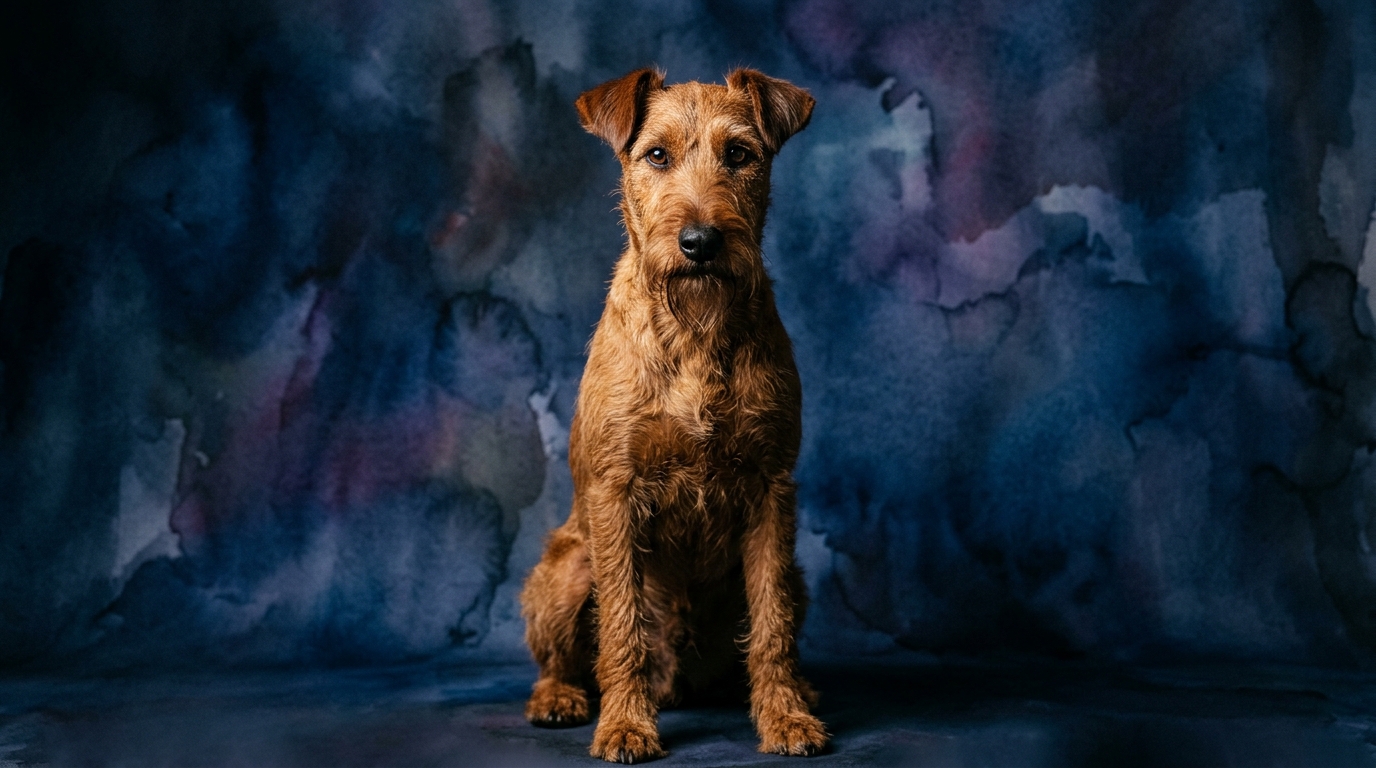
The Cosmic Pet Pet IQ Lab assesses canine intelligence across five key dimensions, and for both the Irish Terrier and the Scottish Deerhound, each dimension registers a score of 3 out of 5. While numerically identical, the manifestation of these scores is deeply rooted in their breed-specific temperaments and historical roles. For the Irish Terrier, a '3/5' in problem-solving often translates to ingenious, often tenacious, approaches to achieving their desires, whether it's outsmarting a gate latch or creatively acquiring a dropped treat. Their training speed at 3/5 reflects an ability to grasp concepts quickly, but often with an independent streak that means they'll comply when they see the value or if the motivation is compelling. Social intelligence at 3/5 for the Irish Terrier typically involves an astute reading of human emotions, often used to their advantage, coupled with a confident, sometimes assertive, engagement with their environment. Their instinctive drive at 3/5 is a potent blend of chase, dig, and vocalization, a direct legacy of their vermin-hunting heritage. Memory, also 3/5, allows them to recall specific interactions, routines, and the locations of interesting scents or objects with good accuracy.
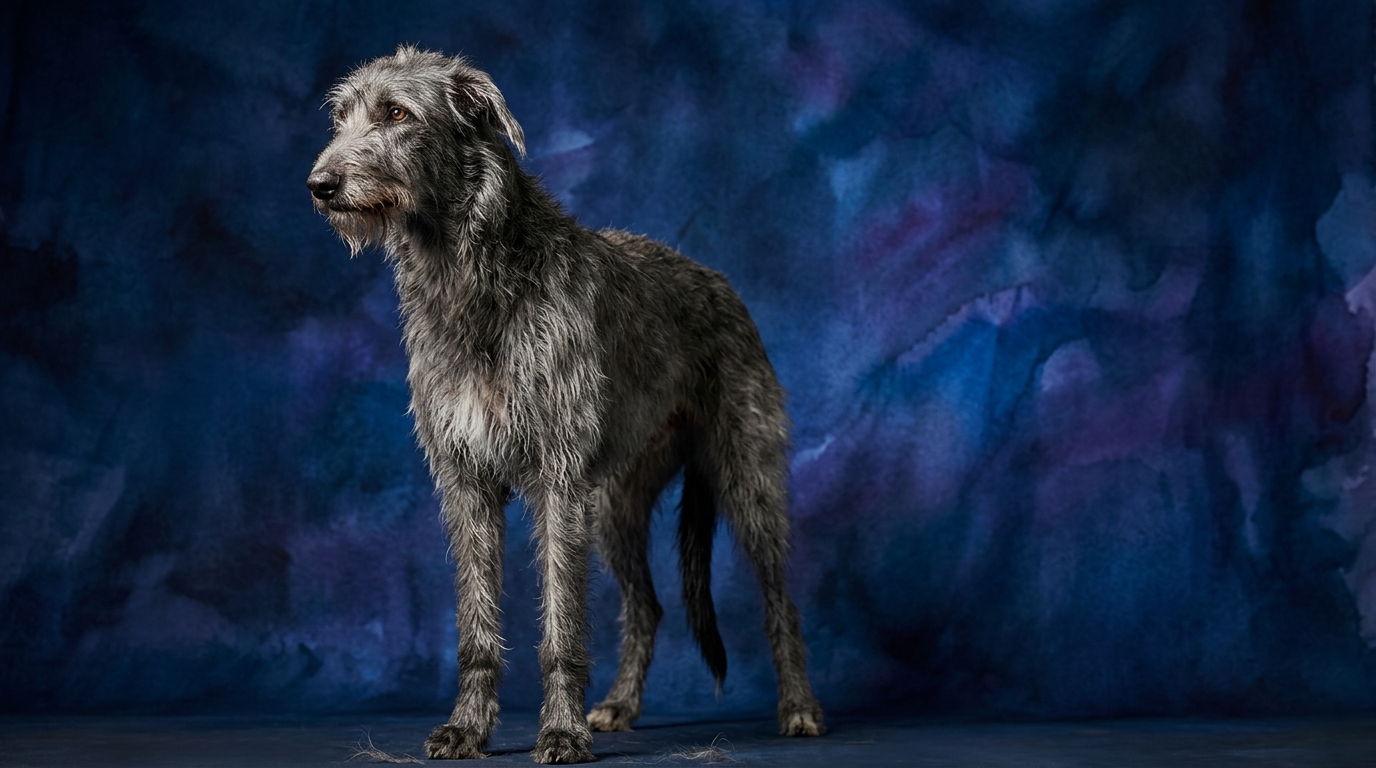
The Scottish Deerhound, conversely, interprets the same '3/5' scores through the lens of a noble sighthound. Their problem-solving at 3/5 often manifests as a calm, observant approach, particularly effective in spatial reasoning or navigating complex outdoor environments during a pursuit, rather than intricate puzzle-solving. Training speed at 3/5 suggests they learn commands efficiently, but their independent sighthound nature means they might choose to respond based on their own assessment of the situation or if a strong motivation is present, rather than immediate obedience. Social intelligence at 3/5 for a Deerhound is typically characterized by a reserved dignity; they are discerning observers of human and canine behavior, forming deep bonds with their inner circle and often displaying a quiet, perceptive understanding of their family's moods. Their instinctive drive at 3/5 is profoundly tied to their heritage of coursing deer, exhibiting an intense focus on movement and a powerful, silent chase instinct. Their memory, also 3/5, is often excellent for recalling specific landscapes, the nuances of familiar routines, and the subtle cues of their preferred companions.
Where the Irish Terrier Shines Cognitively
The Irish Terrier's cognitive strengths, despite sharing identical numerical scores with the Scottish Deerhound, often lean into their tenacious and adaptable nature. Their 3/5 problem-solving skill is frequently demonstrated through a clever, persistent drive to overcome immediate physical obstacles or to achieve a tangible goal. This isn't about abstract thought, but rather an inventive approach to practical challenges, like figuring out how to open a cupboard door or strategically positioning themselves to gain access to a forbidden sofa. Their social intelligence, while rated 3/5, is often more direct and communicative; they excel at making their desires known and can be quite persuasive in their interactions, using a range of vocalizations and body language to express themselves clearly to their human companions. This assertive communication style can make them appear more 'quick-witted' in social negotiation.
Furthermore, their instinctive drive, also at 3/5, is coupled with a remarkable tenacity. Once an Irish Terrier fixates on a task, whether it's digging a hole or pursuing a small critter, their focus is unwavering. This sustained mental engagement, fueled by their problem-solving and drive, allows them to 'win' in situations where a less persistent dog might give up. Their memory (3/5) often serves this tenacity well, allowing them to recall past successful strategies or the precise location of a burrow they were investigating yesterday, enabling them to pick up where they left off with impressive recall for specific, goal-oriented tasks.
Where the Scottish Deerhound Excels Cognitively
The Scottish Deerhound's cognitive strengths, while numerically mirroring the Irish Terrier, manifest differently, particularly in areas requiring calm observation and expansive recall. Their 3/5 problem-solving often involves a more strategic, less impulsive, approach, especially when navigating complex environments or assessing situations from a distance. They are adept at spatial reasoning, quickly mapping out the most efficient path across varied terrain, a skill honed by generations of coursing through diverse landscapes. This quiet observational intelligence allows them to anticipate movements and make calculated decisions rather than relying on brute force or sheer persistence.
Their social intelligence, rated 3/5, is characterized by a profound, yet often understated, empathy and discernment. Deerhounds are skilled at reading subtle human cues, understanding emotional states without requiring overt displays. They often choose to offer comfort or presence with a quiet dignity, rather than boisterous engagement, indicating a deep, perceptive understanding of their social environment. This makes them highly attuned to the nuances of their family's emotional landscape. Furthermore, their memory (3/5) excels in recalling vast details of their surroundings, including the layout of large fields, the location of specific landmarks, or the subtle shifts in wind patterns—information critical for a sighthound relying on visual and environmental cues during a chase. This expansive memory for their environment often gives them an edge in navigating unfamiliar territories with confidence.
Training: A Matter of Motivation and Temperament
Despite both breeds scoring 3/5 in training speed, the practical experience of training an Irish Terrier versus a Scottish Deerhound can feel quite different due to their inherent temperamental variations. The Irish Terrier, with its independent, often spirited nature, can learn commands quickly but may choose to 'negotiate' or simply ignore a command if a more stimulating distraction arises or if they don't perceive the immediate benefit. Their intelligence is coupled with a strong will and a high prey drive, meaning consistent, engaging, and reward-based training is essential to maintain their focus. They thrive on variety and challenge, but repetitive drills can lead to boredom and a decision to 'opt out.' Owners often describe them as clever and quick to understand, but also as needing a firm, fair, and consistent hand to channel their energy and intelligence effectively.
The Scottish Deerhound, on the other hand, also scores 3/5 in training speed, indicating they grasp concepts well. However, their sighthound nature means they can be easily distracted by movement in the distance, and their more reserved, sometimes 'what's in it for me?' attitude requires a different training approach. They are generally sensitive and do not respond well to harsh methods; positive reinforcement works best. While they aren't stubborn in the same assertive way a terrier might be, they can appear aloof or uninterested if the training isn't engaging or if their environment is too stimulating. Their independent hunting instinct means recall can be a significant challenge if they spot something to chase. Training a Deerhound often requires patience, understanding their subtle responses, and making training feel like a collaborative effort rather than a command-and-obey dynamic.
Lifestyle Match: Active Engagement vs. Calm Companionship
When considering which breed aligns best with an owner's lifestyle, their cognitive profiles and inherent drives play a crucial role. The Irish Terrier, with its robust instinctive drive (3/5) and tenacious problem-solving (3/5), is an excellent match for active owners who enjoy consistent engagement and can provide ample mental and physical stimulation. They thrive in environments where they have opportunities to explore, 'work' on puzzles, or participate in dog sports like agility or earthdog trials. Their assertive social intelligence means they enjoy being at the center of family life and require owners who appreciate their spirited nature and can provide clear boundaries and consistent training. A relaxed owner who prefers minimal interaction might find the Irish Terrier's need for engagement overwhelming.
Conversely, the Scottish Deerhound, while capable of incredible bursts of speed and possessing a strong instinctive drive (3/5), often suits owners who appreciate a more relaxed indoor presence combined with opportunities for expansive outdoor exercise. Their calm, discerning social intelligence (3/5) means they are wonderful, gentle companions who bond deeply with their families, often content to observe quietly rather than demand constant attention. While they require regular opportunities to stretch their long legs in a secure, large area, they are typically low-energy indoors, making them suitable for owners who enjoy a serene home environment. An owner seeking a dog for high-intensity, structured activities may find the Deerhound's independent spirit and reserved demeanor less suited to their expectations, preferring instead a companion for long, free-running walks rather than repetitive drills.
The Verdict
Choose the Irish Terrier if you seek an active, spirited companion who thrives on mental challenges and direct engagement, and you appreciate a dog with a strong, communicative personality.
Opt for the Scottish Deerhound if you desire a calm, dignified companion who enjoys quiet companionship indoors but needs space for expansive, free-running exercise, and you appreciate subtle, perceptive social intelligence.
🧠 Find Your Pet's IQ Score
Our Pet IQ Lab assessment covers 25+ tests across 5 cognitive dimensions — personalized to your breed.
Take the Full IQ Test →Frequently Asked Questions
Are Irish Terriers good with children?
Irish Terriers can be excellent family dogs and good with children, particularly if raised with them and properly socialized. Their spirited nature means they enjoy playtime, but supervision is always recommended to ensure respectful interactions from both dog and child.
Do Scottish Deerhounds require a lot of grooming?
Scottish Deerhounds have a shaggy, wiry coat that requires moderate grooming. Regular brushing, typically once or twice a week, helps to remove loose hair and prevent matting, keeping their coat healthy and tidy.
Which breed is more prone to separation anxiety?
Both breeds can develop separation anxiety if not properly conditioned or if left alone for excessive periods. Irish Terriers, with their strong desire for engagement, might express their distress more vocally, while Deerhounds, though reserved, can also suffer from loneliness, often showing it through more subtle behavioral changes.