Side-by-Side IQ Profile: Understanding the Nuances of a 3/5 Score
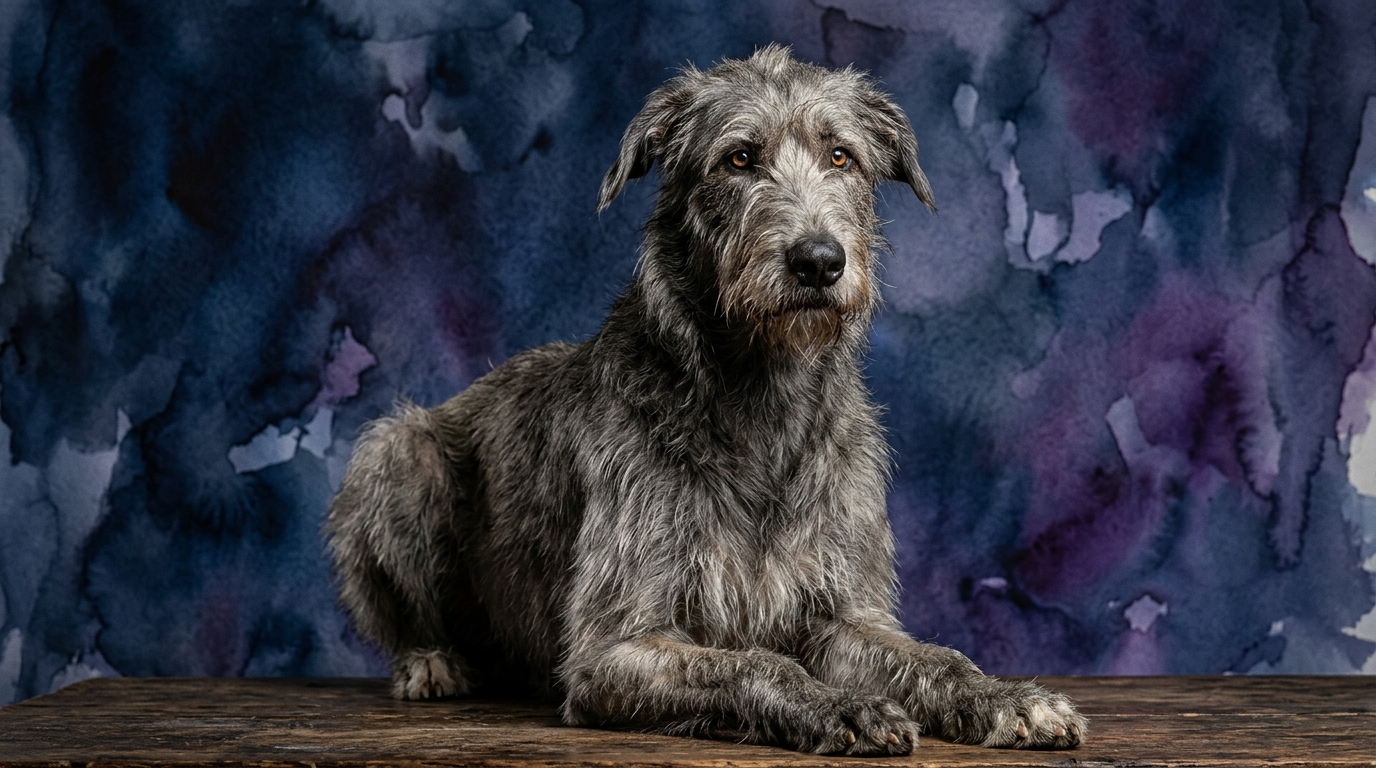
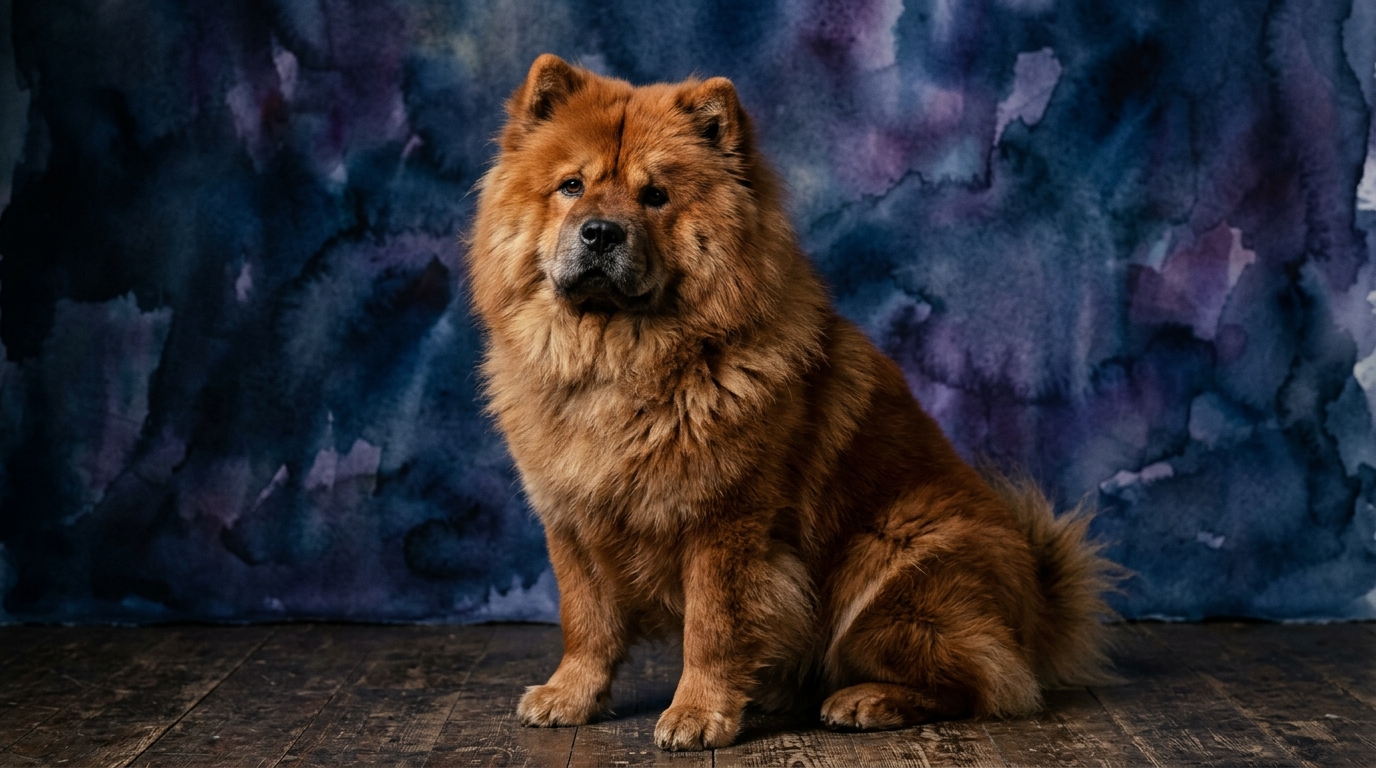
At first glance, the identical 3/5 scores across five cognitive dimensions for both the Irish Wolfhound and the Chow Chow might suggest an absence of distinction in their cognitive make-up. However, these scores represent a baseline that manifests profoundly differently when filtered through each breed's historical purpose and inherent temperament. The Cosmic Pet Pet IQ Lab's framework allows us to delve deeper into what a '3' signifies for these unique canines.
For the **Irish Wolfhound**, a 3/5 in **Problem Solving** indicates a capacity to navigate complex environments and strategize during tasks, often in pursuit of a perceived goal or during exploratory endeavors. Their history as sighthounds chasing fast-moving prey means they can quickly assess distances, terrain, and obstacles. A 3/5 in **Training Speed** reflects their ability to grasp new commands and routines with consistent positive reinforcement, though their independent hound nature means they might choose to comply based on perceived value or engagement, rather than sheer obedience. **Social Intelligence** at 3/5 signifies their capacity to read human emotions and cues, fostering deep bonds with their family, though they can be reserved or imposing with strangers due simply to their immense size. Their **Instinctive Drive** is strongly rooted in their sighthound heritage, manifesting as a powerful urge to chase, scan horizons, and react to movement. Finally, a 3/5 in **Memory** allows them to recall learned commands, routines, and the layout of familiar environments, aiding in both training and navigating their world.
The **Chow Chow**, in contrast, expresses the same 3/5 scores through a distinct lens. Their **Problem Solving** ability (3/5) often centers around assessing social situations, understanding boundaries, and devising ways to maintain their personal space or guard their territory. This is not about chasing prey, but about evaluating and managing their immediate environment. A 3/5 in **Training Speed** means they are capable of learning, but their famously independent and self-possessed nature often translates into a deliberate, rather than eager, response to commands; they learn at their own pace and often require a compelling reason to comply. Their **Social Intelligence** (3/5) is expressed through keen observation of their family unit, understanding dynamics within their trusted circle, but they are profoundly aloof and often indifferent to strangers, which can be misinterpreted as a lack of social understanding. The Chow Chow's **Instinctive Drive** (3/5) is strongly tied to guarding, territoriality, and a deep sense of self-preservation, stemming from their ancient origins as temple guardians and hunting dogs. Their **Memory** (3/5) is robust for remembering established routines, household rules, and distinguishing between familiar and unfamiliar individuals, contributing to their consistent and watchful nature.
Where the Irish Wolfhound Excels Cognitively
While both breeds share identical scores, the Irish Wolfhound's cognitive strengths lean towards cooperative engagement and dynamic environmental interaction. Their sighthound heritage instills a remarkable ability to process visual stimuli rapidly and make quick, independent decisions during movement. This means their problem-solving often involves spatial reasoning and agility in action, such as navigating a varied landscape or anticipating the movement of a distant object. Their social intelligence, while a 3/5, often manifests as a more overtly affectionate and responsive connection with their human companions, making them more transparent in their emotional expressions and generally more amenable to direct communication and partnership in activities.
Furthermore, their instinctive drive, focused on chase and pursuit, can be channeled into activities like lure coursing or long walks in secure areas, providing a natural outlet that aligns with their cognitive wiring for scanning and reacting. This inherent drive, coupled with their memory for routes and past successes, means they can thrive in environments that offer opportunities for exploration and engagement alongside their human partners. They excel in situations where a shared goal or activity fosters collaboration, even if they occasionally display typical hound independence.
Where the Chow Chow Excels Cognitively
The Chow Chow's cognitive advantages lie in their independent assessment, keen observational skills, and unwavering self-possession. Their problem-solving (3/5) is less about dynamic pursuit and more about strategic evaluation of their immediate surroundings and social situations. They are adept at discerning threats, understanding boundaries, and maintaining order within their perceived territory, often without requiring direct human intervention. This makes them exceptionally discerning and capable of independent decision-making when it comes to safeguarding their space and family.
Their social intelligence (3/5), though expressed differently, gives them an astute understanding of their family's dynamics and expectations. They are masters of subtle communication, often conveying their needs or discomfort through body language rather than overt displays. This reserved nature means they are not easily swayed or distracted by external stimuli, making them highly focused on their primary duties of companionship and guardianship within their trusted circle. Their strong instinctive drive for protection and their excellent memory for established rules and individuals contribute to their consistent and reliable presence as a watchful companion, capable of making sound judgments in their own reserved manner.
Which is Easier to Train, and Why?
Despite both breeds scoring a 3/5 in Training Speed, the Irish Wolfhound generally presents a more straightforward training experience than the Chow Chow. The Irish Wolfhound, while possessing a sighthound's independent streak, typically seeks to engage and partner with their human. They respond well to positive reinforcement and clear communication, often eager to please when they understand the task and find it rewarding. Their desire for companionship and their less complex social interactions with humans make them more openly receptive to instruction and guidance. Behavioral differences include their willingness to follow a lead and their enjoyment of collaborative activities, even if their attention might occasionally drift to a distant movement.
The Chow Chow, conversely, is famously independent and often described as having a 'cat-like' personality. Their 3/5 in Training Speed means they *can* learn, but their readiness to comply is often contingent on their own assessment of the command's value or necessity. Training a Chow Chow demands immense patience, consistency, and a deep understanding of their self-possessed nature. They do not respond well to harsh methods and require a respectful, firm approach that establishes clear boundaries and expectations without breaking their spirit. Their reluctance to blindly obey stems from their strong independent drive and their historical role where they made their own decisions as guardians, rather than being solely directed. This means while they learn, they often choose whether and when to demonstrate that learning.
Which Suits Active Owners vs. Relaxed Owners?
The choice between an Irish Wolfhound and a Chow Chow heavily depends on the owner's lifestyle and activity level. The Irish Wolfhound, despite their calm demeanor indoors, requires significant outdoor activity. Their sighthound heritage dictates a need for space to stretch their long legs and engage their keen senses. Active owners who enjoy long walks, secure off-leash running in fenced areas, or even light hiking will find a willing companion in the Irish Wolfhound. They thrive on being an integrated part of family adventures and require mental stimulation through varied environments and engagement.
The Chow Chow, while needing regular, moderate exercise, is generally better suited for more relaxed owners. They are not built for endurance running or high-intensity sports. Their exercise needs are met with daily walks and opportunities for mental engagement within their territory. They are often content to observe and guard their home from a comfortable spot. Owners who appreciate a quiet, dignified companion who is not constantly demanding attention or intense physical output will find the Chow Chow a better fit. However, 'relaxed' does not mean 'hands-off'; they require consistent training and socialization from an early age to manage their independent nature effectively.
The Verdict
Choose the Irish Wolfhound if you seek an affectionate, cooperative giant who thrives on shared adventures and open spaces, and you are prepared for a dog that engages actively with the world around them.
Opt for the Chow Chow if you value a dignified, independent companion who offers quiet loyalty and discerning guardianship, and you appreciate a dog with a reserved demeanor and strong sense of self.
🧠 Find Your Pet's IQ Score
Our Pet IQ Lab assessment covers 25+ tests across 5 cognitive dimensions — personalized to your breed.
Take the Full IQ Test →Frequently Asked Questions
Do Irish Wolfhounds and Chow Chows have similar temperaments?
No, their temperaments are quite different despite similar IQ scores. Irish Wolfhounds are generally known for being gentle, affectionate, and relatively easygoing with their families, though they retain a sighthound's independence. Chow Chows are typically more reserved, independent, and discerning, often forming strong bonds with their immediate family but remaining aloof with strangers.
Which breed is better for first-time dog owners?
Neither breed is typically recommended for novice owners without significant research and commitment, but the Irish Wolfhound might be slightly more forgiving due to their more overt desire to please and engage. The Chow Chow's strong independence and need for consistent, firm-but-gentle handling can be challenging for those new to dog ownership.
How do their grooming needs compare?
Both breeds require regular grooming. Irish Wolfhounds have a rough, wiry coat that needs weekly brushing and occasional stripping. Chow Chows have a dense double coat that requires frequent, thorough brushing, often several times a week, to prevent matting and manage shedding, especially if they have the rough coat variety.