Side-by-Side IQ Profile: Unpacking Identical Scores
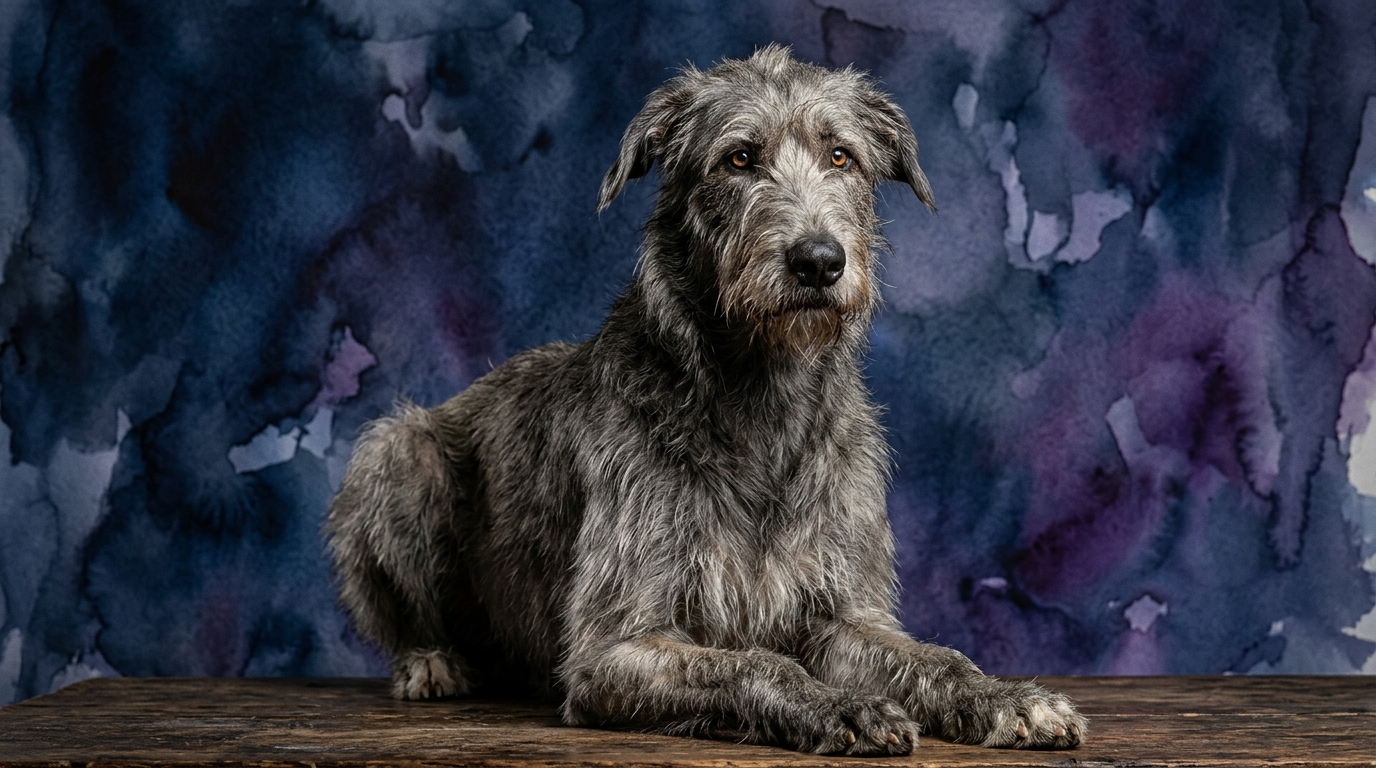
**Problem Solving (3/5):** The Irish Wolfhound's 3/5 score suggests a moderate capacity for independent thought in novel visual situations. Their problem-solving often manifests in assessing physical environments or strategizing a pursuit, leveraging keen observation and self-reliance rather than complex multi-step puzzles. Their solutions tend to be direct and practical, reflecting their sighthound heritage.
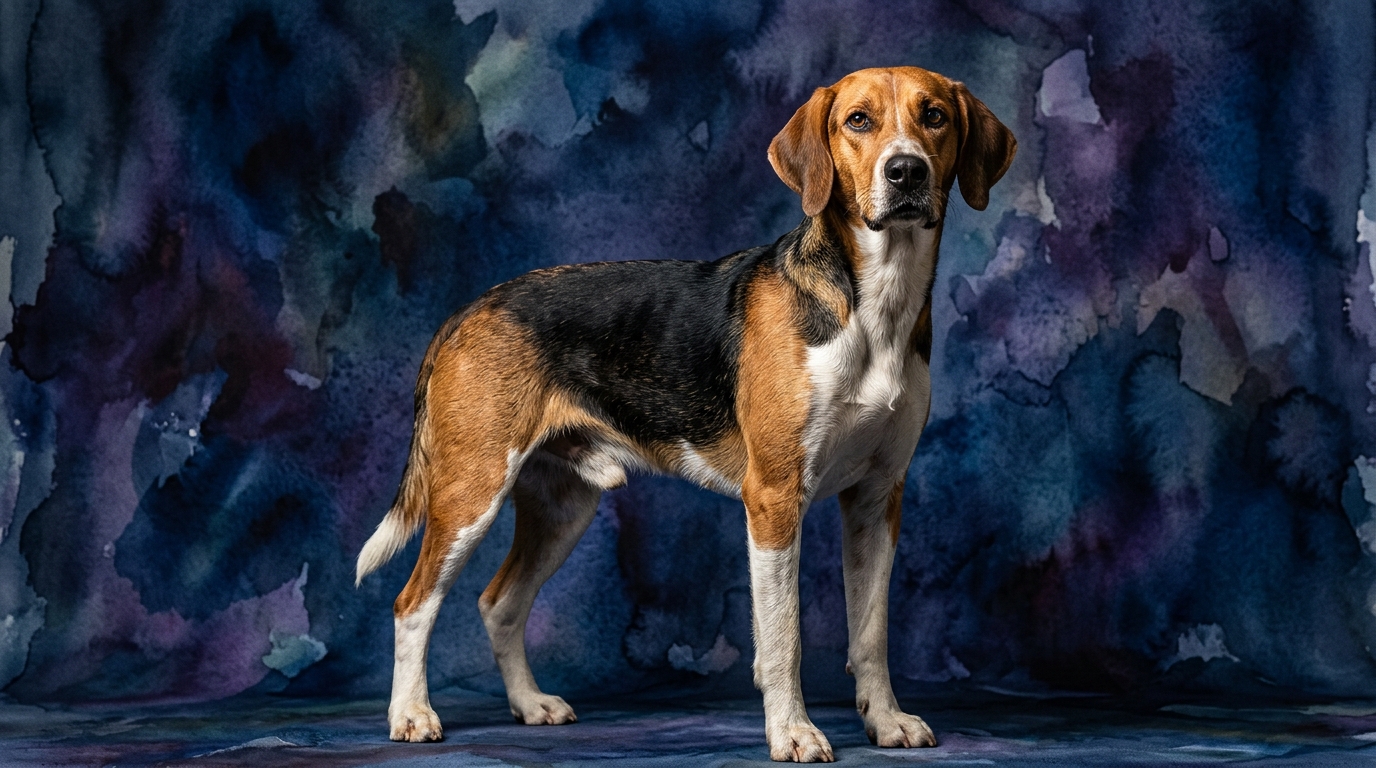
For the English Foxhound, a 3/5 in problem-solving reflects a practical, task-oriented intelligence geared towards their hunting heritage. Their cognitive strength lies in interpreting intricate scent trails, navigating complex landscapes during a hunt, and collaborating within a pack. This is about persistent, methodical deduction within their specific domain, demonstrating a specialized form of cognitive agility.
**Training Speed (3/5):** An Irish Wolfhound's moderate training speed indicates they are capable learners but might not pick up new commands with lightning speed. Their independent nature, a remnant of working at a distance from handlers, requires patient, consistent, and positive reinforcement. Their motivation is often internal or tied to a strong bond, making clear communication and repetition crucial.
A 3/5 training speed for the English Foxhound reflects their focus-driven personality. While trainable, their primary motivation often revolves around their powerful scent drive. Commands are learned, but adherence can be highly context-dependent, especially with compelling scent distractions. Training demands consistency, clear expectations, and high-value rewards to compete with environmental stimuli.
**Social Intelligence (3/5):** The Irish Wolfhound's 3/5 social intelligence suggests they are generally well-adjusted to interacting with humans and animals, displaying a calm, tolerant demeanor. They form deep family bonds and read human emotions reasonably well, showing empathy. However, their independence means they appreciate companionship but also value quiet space, not overly relying on constant social validation.
For the English Foxhound, a 3/5 in social intelligence points to a breed that thrives within a social structure, particularly with other dogs. Bred to work in packs, they understand canine hierarchies and communication cues exceptionally well. With humans, they are amiable and enjoy companionship, responding well to clear, consistent social signals within their 'pack' (family).
**Instinctive Drive (3/5):** The Irish Wolfhound's 3/5 instinctive drive is heavily weighted towards their sighthound heritage; their primary instinct is to chase anything that moves quickly. This strong prey drive, honed for hunting large game, requires careful management, especially off-leash. Their drive is often 'on' or 'off'; when they see something to chase, it can be all-consuming, but otherwise, they are often calm.
The English Foxhound's 3/5 instinctive drive is overwhelmingly dominated by their scenting ability. Their nose is their world, and their drive to follow a compelling scent trail is incredibly powerful and persistent, a profound biological imperative. They also possess a strong pack drive, wanting to be with other dogs or their human 'pack.' Managing this pervasive scent drive is central to living with a Foxhound.
**Memory (3/5):** A 3/5 memory suggests the Irish Wolfhound retains learned information and experiences moderately well. They remember routines, people, and places, recalling commands, especially those frequently reinforced. Their memory for past events is solid, enabling them to build upon previous learning. However, their recall might sometimes be influenced by immediate environment or motivation.
The English Foxhound's 3/5 memory is particularly strong when recalling scent associations and learned hunting patterns. They remember specific trails, interesting smell locations, and routines associated with outdoor activities with remarkable accuracy. Their memory is practical and functional, designed to aid in tracking and pack work, making them reliable in established routines but potentially selective when their nose takes precedence.
Where the Irish Wolfhound Wins Cognitively
Given their identical scores, the Irish Wolfhound's cognitive strengths manifest uniquely. Their 3/5 problem-solving leans towards individual decision-making in novel visual situations, a legacy of sighthound hunting where they operated independently over vast distances. They might excel at assessing their physical environment and devising direct solutions to immediate obstacles, leveraging their size and observation skills. Their social intelligence, also 3/5, often presents as a more nuanced, empathetic connection with individual family members, demonstrating a quiet understanding of human emotions rather than just pack dynamics, translating to a deeply personal form of companionship.
Where the English Foxhound Wins Cognitively
The English Foxhound's cognitive strengths, while sharing the 3/5 rating, are profoundly specialized. Their problem-solving excels within the domain of scent work, where they demonstrate an unparalleled ability to analyze and follow complex olfactory trails—a highly sophisticated form of deduction. Their social intelligence, rated 3/5, is optimized for cooperative pack dynamics, making them exceptional team players in a multi-dog household or structured group activities. Their memory is particularly sharp for scent-related details and established routines, allowing them to consistently perform tasks within their specialized sphere.
Which is Easier to Train and Why
Neither breed is inherently "easier" to train in a universal sense, given their identical 3/5 training speed; rather, their training challenges differ significantly. The Irish Wolfhound, with its independent sighthound nature, requires patient, consistent, and positive reinforcement. Their sheer size necessitates early leash manners and basic obedience for safety, but their motivation can be internal, making them less outwardly eager to please. Distractions for a Wolfhound are often visual. The English Foxhound, conversely, is profoundly driven by scent, making recall and off-leash reliability extremely challenging. Their focus on a trail can override any learned command, demanding exceptionally high-value rewards and environmental management. Training a Foxhound means constantly competing with their nose, whereas training a Wolfhound means engaging their independent spirit.
Which Suits Active Owners vs. Relaxed Owners
The Irish Wolfhound, despite its imposing size, is often described as a "gentle giant" indoors. While they require consistent exercise and room to stretch their long legs, they are typically relaxed and calm within the home once their needs are met. They suit owners who appreciate a dignified, serene companion, are prepared for their substantial presence, and can provide regular, moderate outdoor activity. They are for those who prefer a less frenetic energy level indoors after their exercise needs are satisfied.
The English Foxhound, conversely, is built for endurance and requires significant physical and mental stimulation. Their powerful scent drive and pack heritage mean they thrive on long runs, extended hikes, and activities that engage their nose. They are best suited for truly active owners who can dedicate substantial time daily to exercise, participate in canine sports like tracking or agility, or have a large, securely fenced property where they can run and explore. A relaxed owner would struggle to meet the Foxhound's intrinsic need for activity, potentially leading to frustration and undesirable behaviors.
The Verdict
Opt for an Irish Wolfhound if you seek a calm, dignified companion who forms deep bonds, appreciates a serene home environment, and can accommodate their substantial size and moderate exercise needs.
Select an English Foxhound if you are an exceptionally active individual or family, eager to engage in vigorous outdoor activities, canine sports, and are prepared to manage a powerful scent drive.
🧠 Find Your Pet's IQ Score
Our Pet IQ Lab assessment covers 25+ tests across 5 cognitive dimensions — personalized to your breed.
Take the Full IQ Test →Frequently Asked Questions
Do Irish Wolfhounds and English Foxhounds have similar problem-solving abilities?
Both breeds score 3/5 in problem-solving, but its manifestation differs significantly. Irish Wolfhounds tend towards individual assessment of visual environments, while English Foxhounds excel at intricate scent-based deduction within their specialized hunting context.
Which breed is easier to train for basic obedience?
Neither is inherently "easier" with a 3/5 training speed, as their challenges diverge. Irish Wolfhounds require patience for their independent streak, while English Foxhounds demand consistent effort to overcome their powerful, distracting scent drive.
How do their social intelligence scores of 3/5 compare in practice?
Irish Wolfhounds often display their social intelligence through empathetic bonds with individual family members, showing quiet understanding. English Foxhounds, conversely, exhibit their 3/5 social intelligence primarily through excellent cooperative pack dynamics with other dogs and clear communication with their human "pack."