Side-by-Side IQ Profile: Unpacking Identical Scores
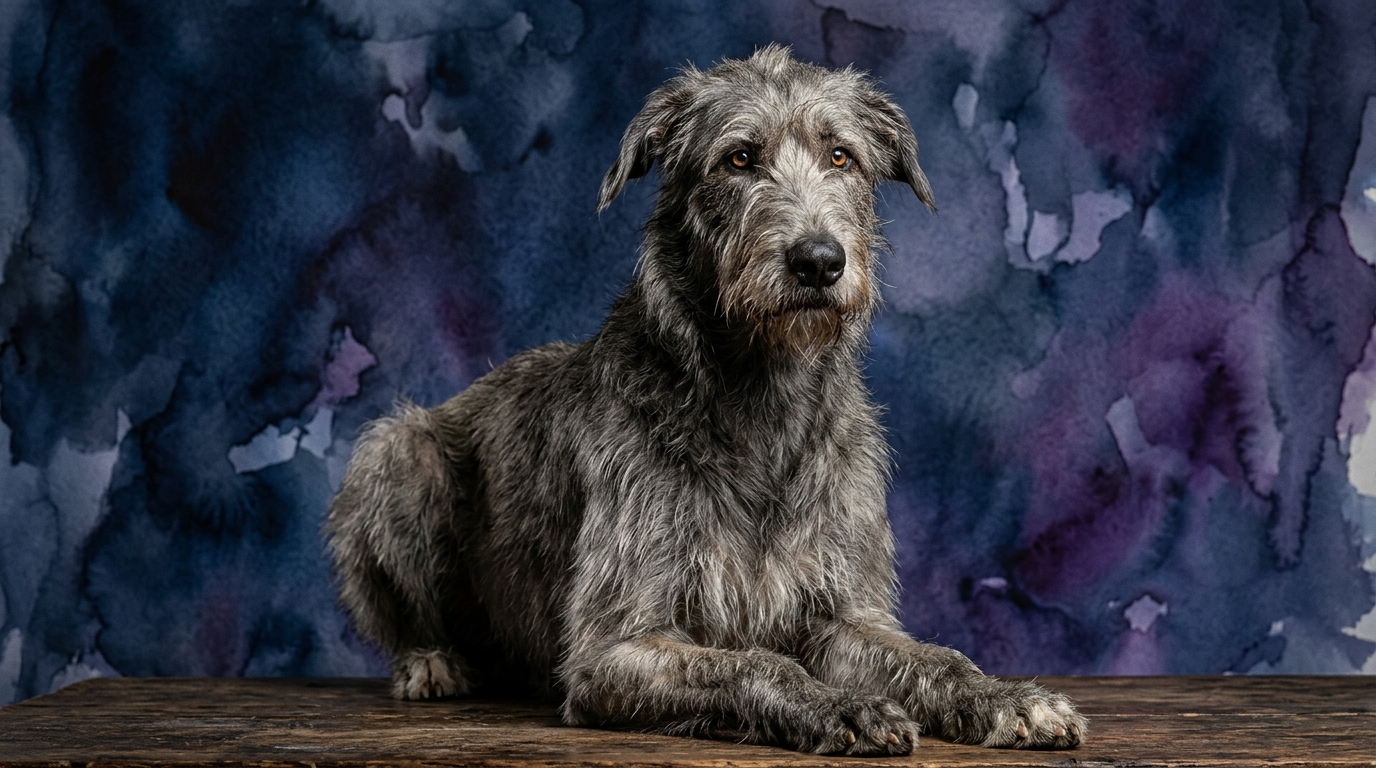
At first glance, the Pet IQ Lab scores for both the Irish Wolfhound and the German Pinscher present an intriguing identical spread: Problem Solving 3/5, Training Speed 3/5, Social Intelligence 3/5, Instinctive Drive 3/5, and Memory 3/5. This doesn't suggest an identical cognitive experience, but rather a similar *level* of capability that expresses itself uniquely within each breed's specialized context. For the Irish Wolfhound, a Problem Solving score of 3/5 often translates to a thoughtful approach to navigating its environment, perhaps figuring out the most comfortable spot to recline or a gentle way to get attention. Its Training Speed at 3/5 reflects a hound's independent spirit; while capable of learning, it often requires patient, consistent, and positive reinforcement, rather than rote drills. Social Intelligence at 3/5 manifests as a generally calm and observant demeanor, often empathetic to its family’s moods, though potentially reserved with strangers. The Instinctive Drive of 3/5 is deeply rooted in its sighthound heritage, focusing on the pursuit of fast-moving objects, but not necessarily a constant, high-alert state. Lastly, its Memory at 3/5 means it recalls familiar faces, places, and routines reliably, forming strong bonds over time.
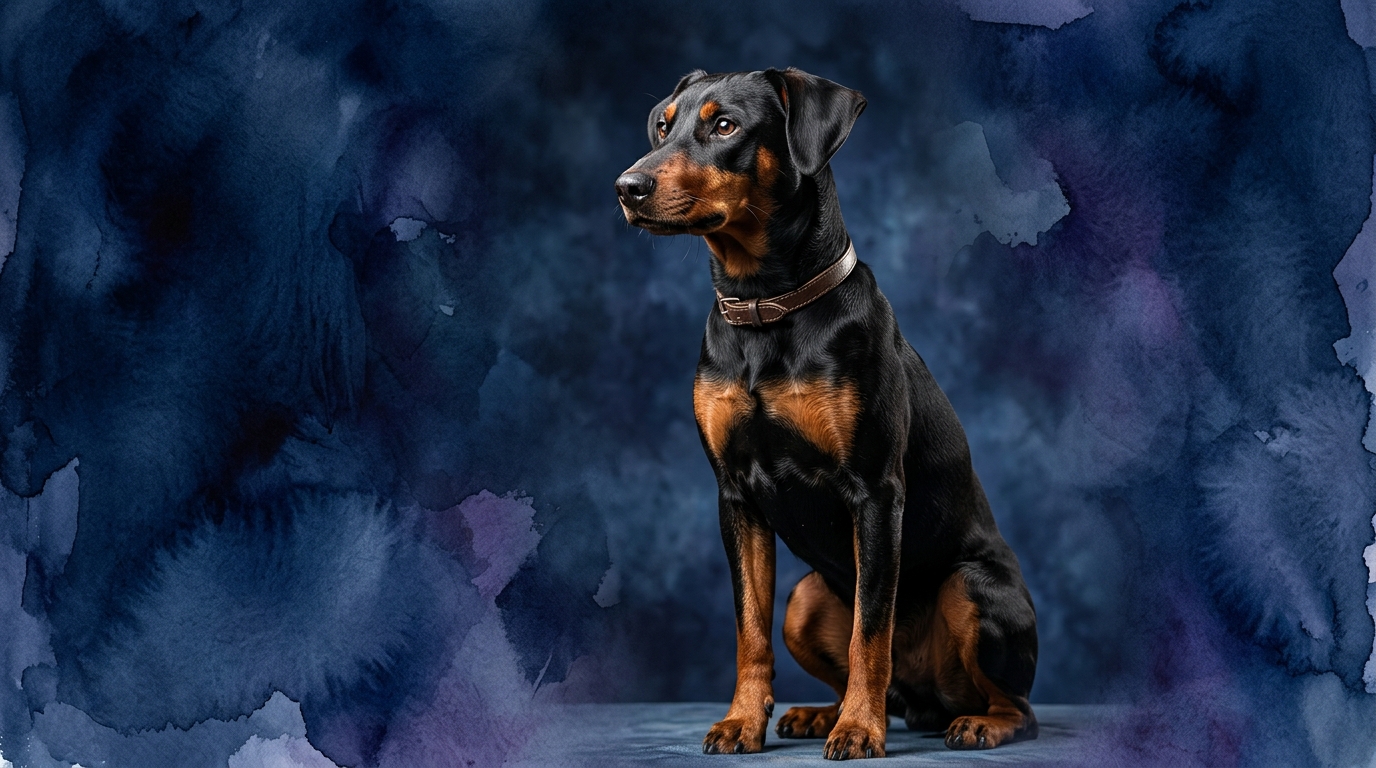
The German Pinscher, with the same 3/5 scores across the board, showcases these cognitive dimensions through a distinctly different lens. Its Problem Solving at 3/5 is often expressed through resourcefulness and tenacity, such as figuring out how to access a desired toy or outmaneuver small prey. Training Speed at 3/5 for a Pinscher implies a quick grasp of commands when engaged, but also a potential for stubbornness if bored or unconvinced, demanding an owner who can make training stimulating. Social Intelligence at 3/5 is characterized by an alert and vigilant nature, quickly assessing its surroundings and often displaying protective instincts towards its family. Its Instinctive Drive at 3/5 is a potent blend of vermin hunting prowess and territorial guardianship, manifesting as focused energy and watchfulness. Finally, a Memory score of 3/5 means the German Pinscher retains training well, especially when positive, and can also remember past interactions, sometimes holding a long memory for both pleasant and unpleasant experiences.
Where the Irish Wolfhound Excels Cognitively
The Irish Wolfhound's cognitive strengths often lie in its measured, gentle approach to the world. Its Problem Solving, while not geared towards intricate puzzles, excels in tasks requiring a calm assessment of space and comfort. For instance, an Irish Wolfhound might thoughtfully maneuver its large frame through a tight doorway without bumping, or subtly communicate a need with a soft nudge rather than an insistent bark. This reflects a particular kind of spatial and social awareness. Its Social Intelligence, while scoring the same as the Pinscher, leans into a profound, quiet empathy, making it exceptionally attuned to the emotional states of its human companions. This isn't about quick reactions, but rather a deep, reflective understanding and a gentle presence that offers comfort without being overtly demonstrative. The breed's memory often contributes to this bond, recalling shared moments and routines that strengthen its connection to its family, making it a reliable and comforting presence.
Where the German Pinscher Takes the Lead Cognitively
In contrast, the German Pinscher's cognitive prowess shines in its alertness, agility of thought, and focused intensity. Its Problem Solving, even at 3/5, often manifests as a more active and immediate strategy, such as devising ways to retrieve a dropped item under furniture or anticipating the movements of a ball during play. This is a dog that thinks on its feet, driven by purpose. The Pinscher's Instinctive Drive, also at 3/5, is a versatile and persistent force, making it adept at tasks requiring vigilance and quick action, whether guarding the home or engaging in dog sports. Its Social Intelligence, while similarly rated, involves a sharp ability to read intentions, particularly from strangers, making it an excellent natural watchdog. The breed’s training speed, when coupled with its eagerness and drive, can feel particularly responsive, especially when the tasks are engaging and varied, harnessing its natural enthusiasm for activity and challenge.
Training Dynamics: A Tale of Two Temperaments
While both breeds score 3/5 in Training Speed, the practical experience of training them diverges significantly due to their inherent temperaments. Training an Irish Wolfhound requires immense patience and a deep understanding of the sighthound mentality. They learn steadily, but often with a thoughtful pause before executing a command, and may not offer the quick, enthusiastic responses of some working breeds. Their independent nature means they respond best to positive reinforcement, gentle guidance, and building a strong, trusting relationship. Forcing an Irish Wolfhound into compliance is rarely effective and can damage their sensitive spirit. Given their immense size, early and consistent training in manners, leash walking, and basic obedience is not just beneficial, but crucial for safe cohabitation.
The German Pinscher, conversely, can appear to learn faster due to its inherent eagerness and high energy, but this comes with its own set of training challenges. Their strong will and quick minds mean they can get bored easily and may try to outsmart their handler if training isn't stimulating and consistent. They thrive on variety, firm but fair leadership, and tasks that engage both their bodies and minds. Their strong instinctive drive can be a powerful asset in training, especially for activities like agility or obedience, but it also means owners must be prepared to channel that energy and provide clear boundaries. Without consistent mental and physical engagement, a German Pinscher might develop unwanted behaviors out of boredom or a desire to create its own 'work'.
Matching Canine Companions to Lifestyles
Choosing between these two breeds also hinges on an owner's lifestyle. The Irish Wolfhound, despite its imposing size, often suits owners who appreciate a calmer, more relaxed home environment. While they do require regular, moderate exercise – bursts of running in a secure area, followed by ample rest – they are generally known for their laid-back indoor demeanor. They are not dogs that demand constant activity; instead, they are content to lounge nearby, observing and participating in family life quietly. However, 'relaxed owner' doesn't mean 'low maintenance.' Their sheer size means significant commitments in terms of space, food, grooming, and managing potential health issues. An owner who enjoys a tranquil home, has space for a giant breed, and values a gentle, observant companion will find the Irish Wolfhound a rewarding match.
The German Pinscher, on the other hand, is unequivocally a breed for active, engaged owners. Their high energy levels, keen intellect, and strong working drive demand consistent mental and physical stimulation. They thrive with owners who enjoy daily vigorous walks, runs, dog sports like agility or obedience, or even simply engaging in regular training sessions and puzzle toys. A German Pinscher left without sufficient outlets for its energy and mind is prone to boredom, which can manifest as destructive behaviors or excessive barking. They need an owner who is prepared to be an active participant in their dog's life, providing structure, challenge, and plenty of opportunities to 'work' and explore. This breed suits those who live an energetic lifestyle and want a vigilant, enthusiastic, and highly interactive canine partner.
The Verdict
Choose the Irish Wolfhound if you seek a gentle, thoughtful giant companion with a calm indoor presence, appreciating a hound's independent spirit and prepared for significant size and specific care needs.
Opt for the German Pinscher if you are an active, experienced owner desiring a vigilant, energetic, and engaging companion eager for consistent training and mental challenges, capable of managing a strong-willed personality.
🧠 Find Your Pet's IQ Score
Our Pet IQ Lab assessment covers 25+ tests across 5 cognitive dimensions — personalized to your breed.
Take the Full IQ Test →Frequently Asked Questions
Do identical IQ scores mean these breeds are equally 'smart'?
No, identical scores mean they possess a similar *level* of cognitive ability in each dimension, but how those abilities manifest and what type of 'smartness' they display differs greatly based on their breed history and temperament. The context and expression of their cognitive traits are unique.
How does breed history influence their cognitive expression?
Breed history profoundly shapes their cognitive expression; the Irish Wolfhound's background as a sighthound means its problem-solving and drive are geared towards independent pursuit and observation, while the German Pinscher's working and vermin-hunting heritage primes it for alert vigilance, quick reactions, and tenacious problem-solving in a more active, task-oriented manner.
What role does an owner play in developing these breeds' intelligence?
An owner plays a crucial role in nurturing and guiding their dog's cognitive development. For both breeds, consistent positive reinforcement, appropriate mental and physical stimulation, and understanding their unique breed-specific motivations are key to helping them reach their full cognitive potential and express their inherent abilities constructively.