Side-by-Side IQ Profile: Unpacking Identical Scores
At first glance, the Irish Wolfhound and the Xoloitzcuintli exhibit identical scores across our five cognitive dimensions, each registering a solid 3 out of 5. This score indicates a competent, functional level of intelligence, suggesting that neither breed is cognitively deficient, nor are they outliers in terms of exceptional, specialized brainpower. However, the true insight lies in understanding how these identical scores manifest through the lens of their unique breed histories, physical attributes, and inherent temperaments.
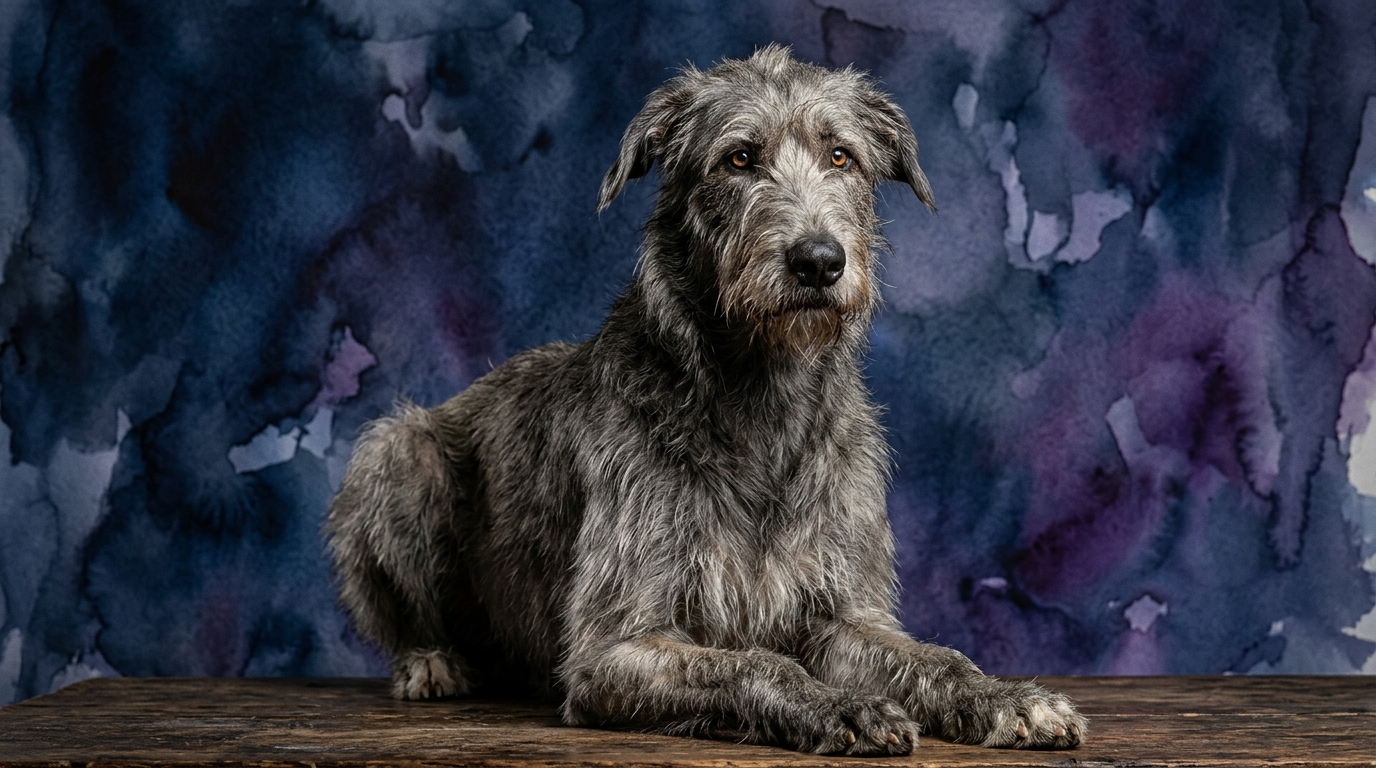
For the **Irish Wolfhound**, a breed steeped in history as a formidable sighthound, their cognitive profile reflects their original purpose:
**Problem Solving (3/5):** This rating for the Irish Wolfhound speaks to a practical, independent problem-solving ability, particularly in open environments. Their ancestors needed to assess a hunting situation, strategize a pursuit, and make independent decisions without constant human direction. This isn't about solving complex puzzles, but rather about effective, self-directed navigation and action within their environment.
**Training Speed (3/5):** Irish Wolfhounds are capable learners, but their training speed is often described as steady rather than rapid. Their hound heritage means they possess a thoughtful nature and can be easily diverted by interesting scents or distant movements. Consistency, patience, and positive reinforcement are paramount, as they process information and respond at a moderate, deliberate pace.
**Social Intelligence (3/5):** These gentle giants are known for their calm demeanor and deep bonds with their families. Their social intelligence allows them to read human emotions and intentions within their established social circle, often displaying a quiet empathy. While generally reserved with strangers, they are observant and respond appropriately to familiar social cues.
**Instinctive Drive (3/5):** The Irish Wolfhound’s instinctive drive is intrinsically linked to their sighthound origins. A strong impulse to chase moving objects, particularly over long distances, is a fundamental aspect of their cognitive makeup. This drive, while not overwhelming, is a consistent force shaping their interaction with the world and requires thoughtful management.
**Memory (3/5):** Irish Wolfhounds possess a competent memory for routines, learned commands, and positive or negative experiences. They remember their training cues and household rules, especially when reinforced consistently. This memory supports their general adaptability and ability to integrate into a stable home environment.
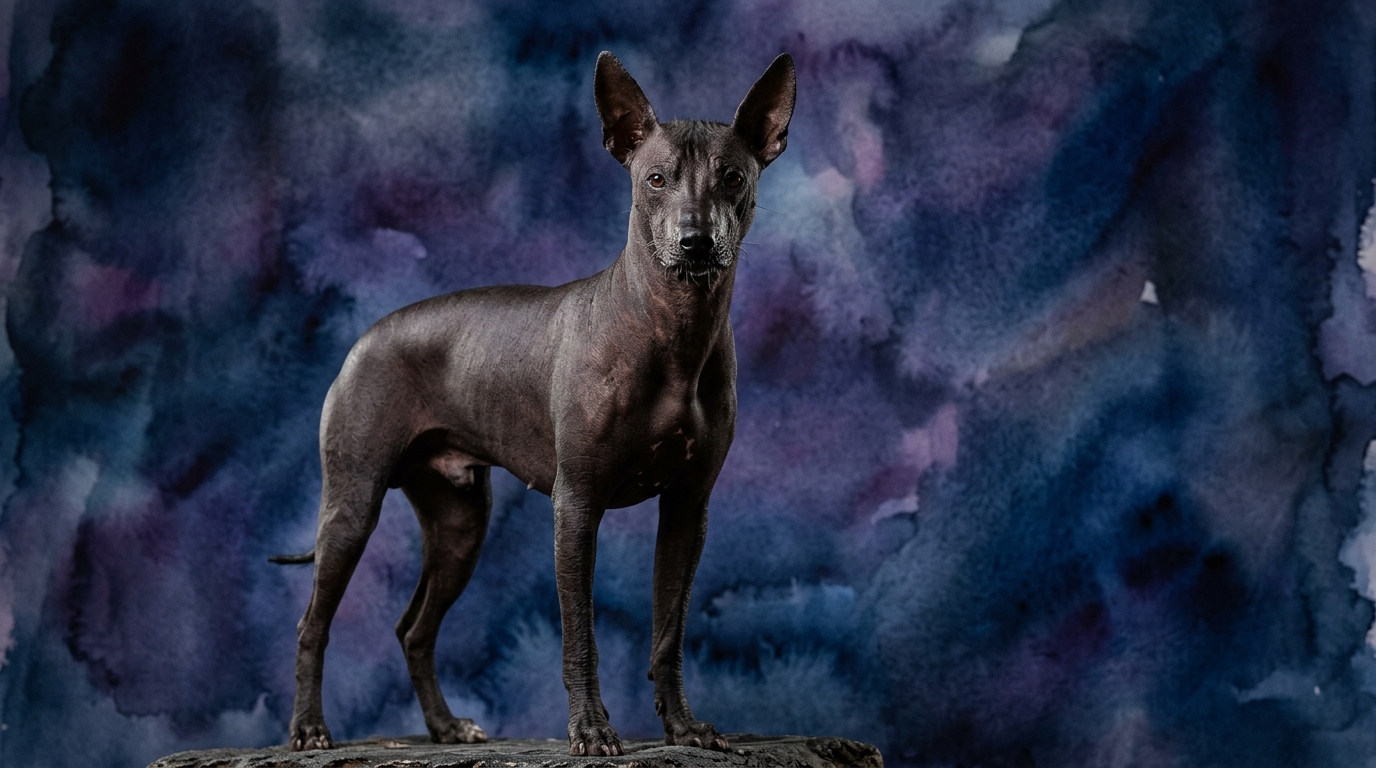
The **Xoloitzcuintli**, with its ancient lineage as a companion and guardian, expresses its 3/5 cognitive scores in distinct ways, often reflecting its close ties to human domestic life:
**Problem Solving (3/5):** For the Xolo, problem-solving often manifests in resourcefulness within a domestic setting. This might involve subtly communicating their needs, finding the most comfortable spot, or devising clever ways to gain attention or access to desired items. Their intellect is often practical and focused on their immediate comfort and social interactions.
**Training Speed (3/5):** Xolos are intelligent and certainly capable of learning, but their training speed is moderated by their independent streak and inherent sensitivity. They respond best to gentle, consistent, and positive reinforcement methods. Building trust is key, as they learn effectively when they feel secure and motivated by a strong bond with their trainer.
**Social Intelligence (3/5):** Xoloitzcuintli are renowned for their profound social intelligence, forming incredibly deep and often exclusive bonds with their primary caregivers. They are highly attuned to human emotions and subtle cues, often described as 'velcro dogs' due to their desire for close proximity. This score reflects a sophisticated understanding of their specific human companions' emotional states and social dynamics within their chosen family.
**Instinctive Drive (3/5):** The Xolo possesses a natural guarding instinct, coupled with a moderate prey drive for small game. This drive contributes to their watchful nature and alertness, making them excellent, albeit sometimes vocal, home guardians. While not a relentless drive, it is a significant part of their temperament and requires appropriate outlets and socialization.
**Memory (3/5):** Xolos exhibit a robust memory for people, places, and past interactions. They remember specific commands, routines, and can form strong, lasting associations – both positive and negative. This strong memory underpins their deep attachments and their ability to navigate the social intricacies of their family unit.
Where the Irish Wolfhound Excels Cognitively
The Irish Wolfhound's cognitive strengths, while scoring identically, shine in areas demanding independent judgment and sustained focus in open, expansive environments. Their 3/5 problem-solving is particularly suited to situations requiring them to assess a large area, such as during a long walk or in a field, making decisions about direction or interaction with their surroundings without constant human input. This capacity for self-directed action over vast distances, stemming from their sighthound heritage, is a unique cognitive advantage.
Furthermore, their 3/5 instinctive drive, focused on pursuit, translates into a cognitive ability to maintain attention on a distant, moving target. This isn't just about raw speed, but the mental fortitude to track, anticipate, and sustain focus on a task that requires patience and calculated effort. Their memory, also 3/5, supports this by allowing them to recall successful strategies or safe routes in familiar large spaces, contributing to their dignified, self-reliant presence.
Where the Xoloitzcuintli Excels Cognitively
The Xoloitzcuintli's cognitive strengths lie deeply within the social and domestic sphere, showcasing a different kind of sophistication. Their 3/5 social intelligence is expressed through an exceptional attunement to human emotion and subtle non-verbal cues. This allows them to anticipate their owner's needs and moods, making them remarkably empathetic companions. Their problem-solving (3/5) often manifests in clever, resourceful ways to achieve comfort or communicate desires within the home, demonstrating a nuanced understanding of their immediate environment and how to manipulate it to their advantage.
A Xolo's 3/5 memory is particularly potent in remembering social interactions, whether positive or negative. This contributes to their deep bonds and their discerning nature with strangers, as they can recall past experiences with individuals or situations. This blend of social acuity and memory makes them adept at navigating the intricate dynamics of a family unit, often becoming the emotional anchors of their households.
Training Dynamics: A Study in Different Motivations
When considering ease of training, the identical 3/5 training speed scores for both breeds don't tell the whole story; the *approach* and *motivations* differ significantly. The Irish Wolfhound, despite its size, is generally a thoughtful learner. Their 3/5 training speed means they absorb commands steadily, but their independent hound nature suggests they might not always prioritize immediate obedience over an interesting scent or distant movement. Training success with an Irish Wolfhound hinges on patience, clear communication, and understanding that their '3/5 instinctive drive' means they need outlets for their sighthound tendencies. They are not defiant, but rather deliberate, requiring consistent positive reinforcement and a trainer who respects their quiet autonomy.
The Xoloitzcuintli, also at a 3/5 training speed, presents a different training landscape due to their sensitivity and deep bond with their owner. They can be highly responsive and quick to learn *if* the training is gentle, positive, and consistent. Harsh methods can cause them to shut down or become resistant, as their '3/5 social intelligence' makes them acutely aware of emotional nuances. Their desire to please their chosen person, coupled with their '3/5 memory' for interactions, means that building trust and making learning a rewarding, bonding experience is key. While their guarding instinct (3/5) requires early socialization, their devotion makes them eager partners in a positive training regimen.
Ultimately, neither breed is inherently 'easier' to train; rather, they require different styles of engagement. An owner who understands and respects the independent, thoughtful nature of a large hound will find success with an Irish Wolfhound. An owner who values a strong, almost intuitive bond and is patient with a sensitive, deeply attached learner will likely find the Xolo more amenable.
Lifestyle Match: Active vs. Relaxed Owners
The ideal owner for each breed depends less on a generic 'active' or 'relaxed' label, and more on the *nature* of the activity and companionship desired. The Irish Wolfhound, despite its impressive stature, is not a high-energy, constantly active breed. Their '3/5 instinctive drive' means they need regular, moderate exercise – a good daily walk, and opportunities for a satisfying run in a secure area to stretch their legs and indulge their sighthound instincts. After these activities, they are typically content to lounge, often preferring the comfort of their home. They suit owners who appreciate a calm, dignified companion but are prepared to manage their size and provide consistent outlets for their inherent drives, without demanding constant, intense physical exertion.
The Xoloitzcuintli, while adaptable, thrives on companionship and interaction. Their '3/5 instinctive drive' includes a guarding tendency and a moderate prey drive, meaning they benefit from engagement and mental stimulation. They can be quite active indoors and enjoy daily walks, but their preference often leans towards activities that involve their human. They suit owners who enjoy a close, interactive companion and can provide consistent mental and physical stimulation through play, training, and shared experiences. They are adaptable to various living situations but need consistent engagement and human presence, making them ideal for those seeking a highly bonded and involved canine partner.
The Verdict: Choosing Your Cognitive Companion
The Verdict
Choose the Irish Wolfhound if you appreciate a dignified, independent companion capable of thoughtful self-direction in open spaces, valuing a quiet presence with a formidable history and prepared to respect their sighthound instincts.
Choose the Xoloitzcuintli if you seek a deeply bonded, sensitive, and observant companion, valuing a breed highly attuned to human emotion and clever in navigating the home environment, while engaging with their protective instincts and unique physical needs.
🧠 Find Your Pet's IQ Score
Our Pet IQ Lab assessment covers 25+ tests across 5 cognitive dimensions — personalized to your breed.
Take the Full IQ Test →Frequently Asked Questions
Do identical IQ scores mean these breeds are equally easy to live with?
No, identical IQ scores primarily indicate similar general cognitive capacity, but how that intelligence manifests varies greatly. Breed-specific drives, temperaments, and physical needs mean that living with an Irish Wolfhound demands different considerations than living with a Xoloitzcuintli, even if their cognitive potential is rated similarly. Their 'ease' depends heavily on an owner's lifestyle and preferred interaction style.
How does an Irish Wolfhound's '3/5 problem solving' compare to a Xolo's '3/5 problem solving' in daily life?
An Irish Wolfhound's 3/5 problem-solving often relates to navigating larger outdoor environments, making decisions during walks or exploration with a thoughtful independence. A Xoloitzcuintli's 3/5 problem-solving is typically more focused on domestic resourcefulness, such as figuring out how to get comfortable, subtly communicating desires, or cleverly manipulating their immediate home environment to their advantage. Both are competent, but their application contexts differ.
Given their '3/5 social intelligence,' how do these breeds interact with strangers?
With a 3/5 social intelligence, both breeds are capable of understanding social cues, but their approach to strangers differs. Irish Wolfhounds tend to be reserved and dignified, observing new people calmly before engaging. Xoloitzcuintli, while deeply bonded to their family, can be more wary or aloof with strangers due to their guarding instincts, requiring careful and positive introductions to expand their social circle. Both are discerning, but the Xolo often exhibits a more pronounced protective caution.