Side-by-Side Cognitive Profile
The Cosmic Pet Pet IQ Lab assigns both the Japanese Chin and the Coton de Tuléar identical scores across five key cognitive dimensions. While the numbers are the same, the manifestation of these abilities differs greatly between these two distinct breeds.
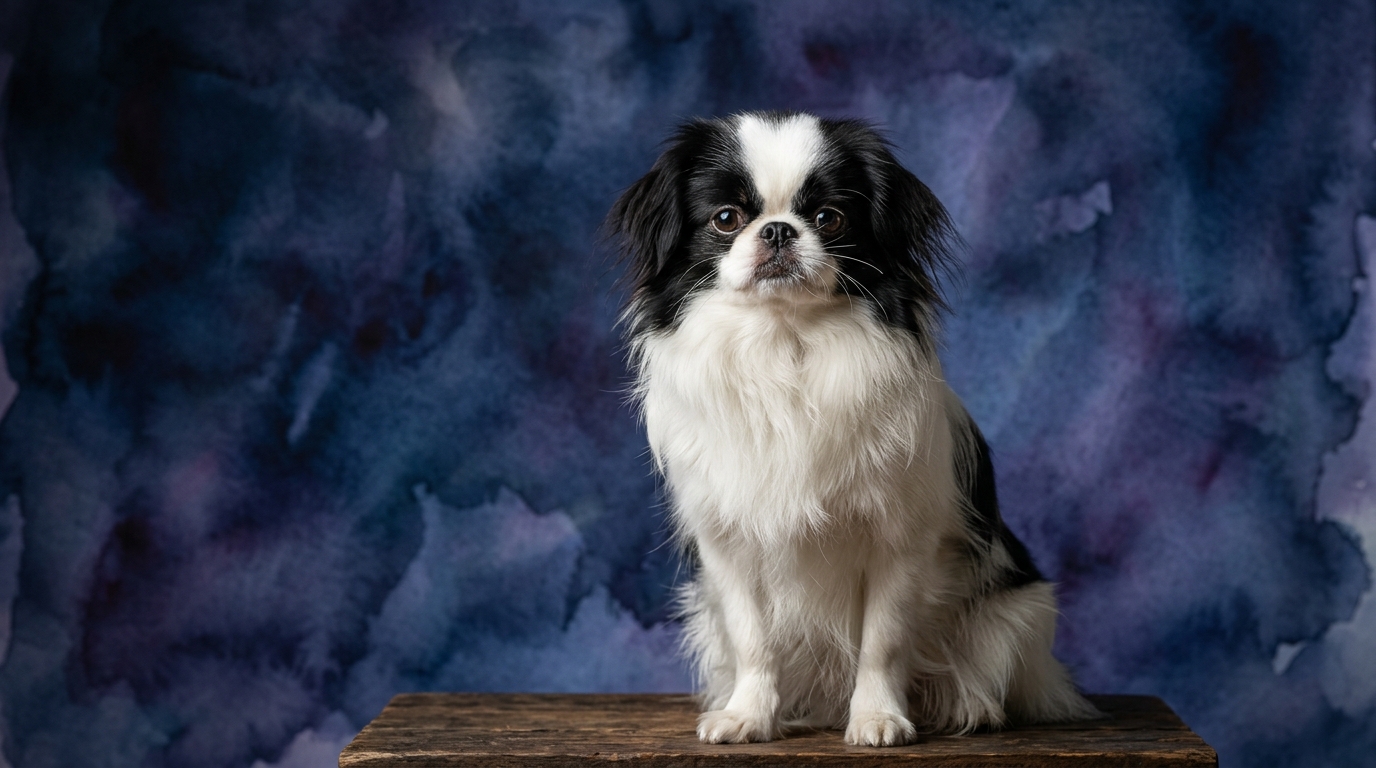
For the Japanese Chin:
Problem Solving (3/5): This breed often demonstrates cleverness in navigating immediate surroundings, such as finding the most comfortable sunbeam or subtly communicating desires, leaning towards social manipulation rather than complex object puzzles.
Training Speed (3/5): Chins learn at a moderate pace, responding best to gentle, positive reinforcement. Their sensitivity means harsh methods can lead to withdrawal, excelling when training reinforces the bond with their handler.
Social Intelligence (3/5): Highly attuned to human emotions, the Japanese Chin forms deep bonds with chosen people. Reserved with strangers, they excel at discerning subtle social cues within their core family unit.
Instinctive Drive (3/5): Their primary drive is companionship and comfort, often showing a regal alertness to their domestic territory and family members. They are not driven by strong prey or herding instincts.
Memory (3/5): Chins retain routines, specific commands, and past positive or negative interactions clearly, contributing to their consistent demeanor and specific emotional responses over time.
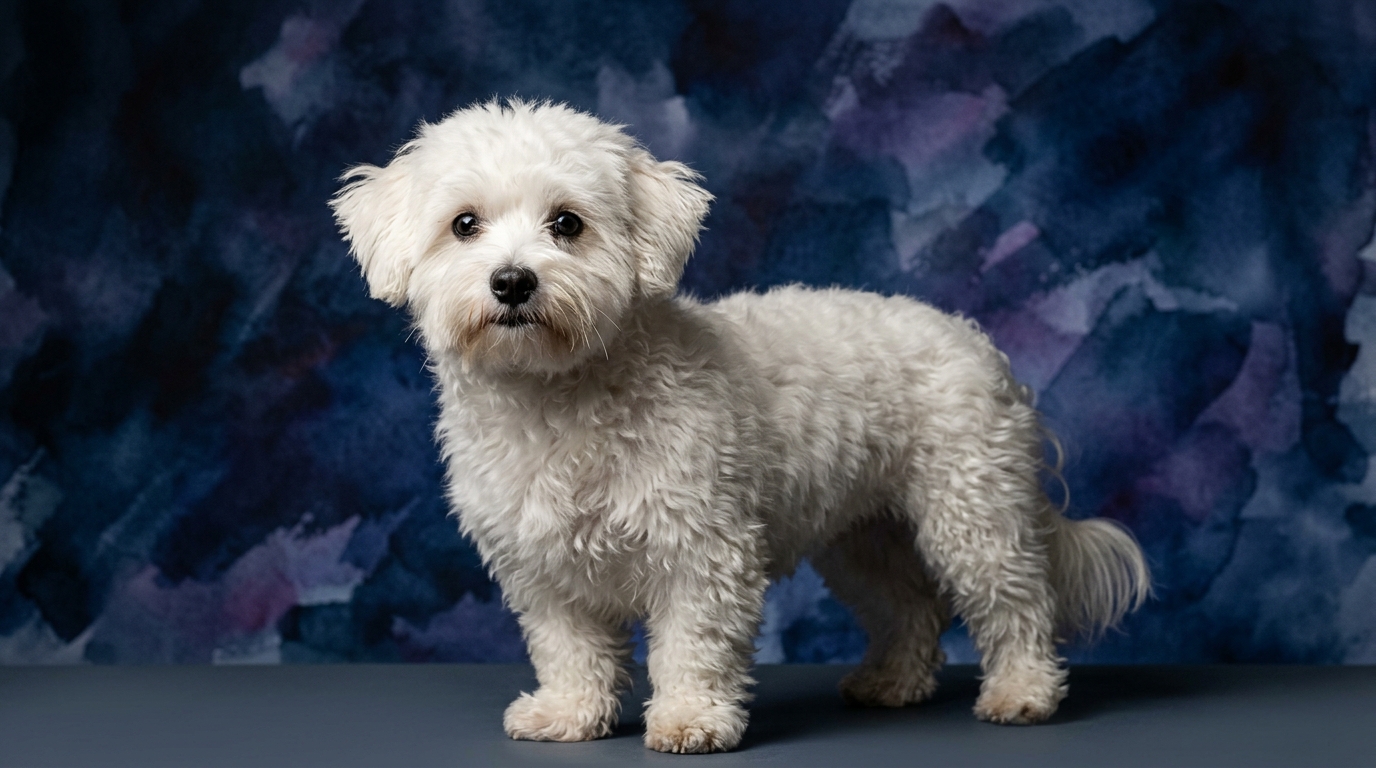
For the Coton de Tuléar:
Problem Solving (3/5): Coton de Tuléars exhibit playful ingenuity in initiating games or retrieving hidden items, typically approaching challenges with enthusiasm to engage human companions in their endeavors.
Training Speed (3/5): Cotons learn new tasks at a moderate pace, thriving on positive reinforcement, praise, and play-based training. They are eager-to-please but can sometimes be distracted by their own boisterous energy.
Social Intelligence (3/5): These dogs are highly social and adaptable, eager to interact with family and often welcoming to friendly strangers. They use playful antics to charm and engage, fitting into various social settings with ease.
Instinctive Drive (3/5): A strong drive for social interaction, play, and exploration characterizes the Coton. They are curious and enjoy being involved in family activities, showing moderate curiosity about new environments.
Memory (3/5): Cotons remember commands, play sequences, and the locations of favored toys or treats remarkably well. Their memory supports their social and playful nature, aiding in recall for amusement and interaction.
Where the Japanese Chin Wins Cognitively
The Japanese Chin demonstrates distinct cognitive strength in subtlety and emotional attunement. Their problem-solving (3/5) often manifests as a refined ability to understand human routines and desires without overt demands, perhaps by subtly positioning themselves for a desired outcome. Their social intelligence (3/5) shines in their capacity for deep, empathetic bonds, often sensing shifts in an owner's mood and responding with quiet comfort. This nuanced understanding, supported by their memory (3/5) of familial relationships, offers a unique connection for owners valuing profound, unspoken communication.
Where the Coton de Tuléar Wins Cognitively
The Coton de Tuléar, with matching scores, excels in adaptability and interactive engagement. Their problem-solving (3/5) frequently involves figuring out how to turn any situation into a game or successfully 'negotiate' for attention with charming behaviors. Their social intelligence (3/5) is particularly strong in versatile interaction, comfortable charming new acquaintances or playing with family. Their training speed (3/5) benefits from an eager-to-please and playful demeanor. The Coton's cognitive strengths lie in dynamically engaging with their world and its inhabitants, making every interaction a potential opportunity for connection.
Which is Easier to Train and Why
While both score 3/5 for Training Speed, the Coton de Tuléar generally presents as easier to train for a broader range of owners, due to their exuberant and eager-to-please disposition. They view training as an extension of play, responding enthusiastically to positive reinforcement and rewards. Their playful nature helps them rebound quickly from mistakes and maintain enthusiasm. In contrast, the Japanese Chin requires a more nuanced and patient approach. Their sensitivity means they can become easily discouraged if methods are inconsistent or overly firm, responding best to quiet, consistent reinforcement that strengthens their bond. The Coton's inherent resilience and desire for interactive fun often make training feel more effortless, while the Chin demands a more attuned handler to unlock their full learning potential.
Which Suits Active Owners vs. Relaxed Owners
The Coton de Tuléar typically aligns better with owners who enjoy a moderately active and socially engaged routine. Their instinctive drive (3/5) for play and exploration means they thrive on regular walks, interactive games, and being included in family outings, possessing a cheerful energy. Their social intelligence (3/5) makes them excellent companions for owners who frequently host guests or enjoy community activities. Conversely, the Japanese Chin is often a superb match for more relaxed owners who appreciate quiet companionship and a calm home. Their problem-solving (3/5) often involves finding comfort, and their instinctive drive (3/5) centers on close proximity to their human. While they enjoy gentle walks, they are not driven by extensive physical demands. Their social intelligence (3/5) prefers deep bonds with a select few, ideal for those seeking a devoted, serene presence.
The Verdict
Choose the Japanese Chin if you seek a subtle, deeply empathetic companion attuned to your emotions, valuing quiet elegance and a strong, personal bond over overt playfulness.
Opt for the Coton de Tuléar if you desire a cheerful, adaptable, and playfully engaging dog eager to participate in family life and charm everyone they meet.
🧠 Find Your Pet's IQ Score
Our Pet IQ Lab assessment covers 25+ tests across 5 cognitive dimensions — personalized to your breed.
Take the Full IQ Test →Frequently Asked Questions
Do Japanese Chins or Coton de Tuléars bark a lot?
Japanese Chins are generally not excessive barkers, vocalizing for alertness or specific communication within their family. Coton de Tuléars can be more prone to barking, especially if bored or seeking attention, but this trait is manageable with consistent training.
Are these breeds good with children and other pets?
Both can be good with respectful children and other pets, though their styles differ. Japanese Chins prefer calm interactions, potentially retreating from boisterous play, whereas Coton de Tuléars are generally more robust and playful, enjoying gentle interaction with older children and other animals.
What kind of mental stimulation do these breeds need?
Both benefit from daily mental engagement. Japanese Chins appreciate gentle puzzle toys, learning new tricks with positive reinforcement, and consistent routines. Coton de Tuléars thrive on interactive play, training sessions framed as games, and opportunities to explore new, safe environments.