Side-by-Side IQ Profile: Japanese Chin vs. Keeshond
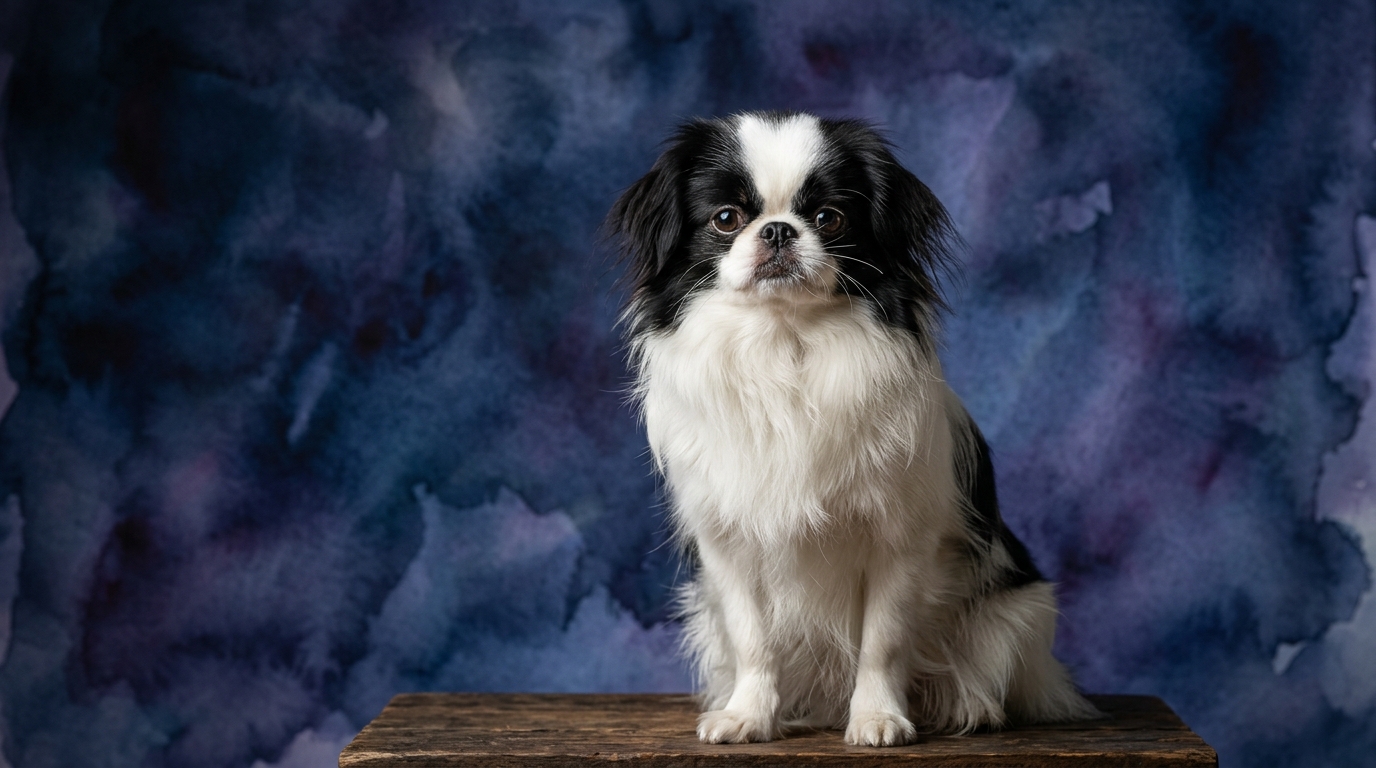
The Japanese Chin, a toy breed, exhibits a balanced yet moderate cognitive profile. Their Problem Solving is rated 3/5, indicating an ability to navigate familiar environments and routines efficiently, though less inclined towards intricate, novel challenges. Training Speed stands at 3/5; they learn commands with consistent positive reinforcement, often motivated by strong social bonds. Social Intelligence is 3/5, reflecting their keen attunement to human emotions and household dynamics, making them perceptive companions. Instinctive Drive is also 3/5, primarily focused on companionship and awareness of their immediate territory. Lastly, their Memory is 3/5, sufficient for retaining routines, familiar faces, and pleasant experiences.
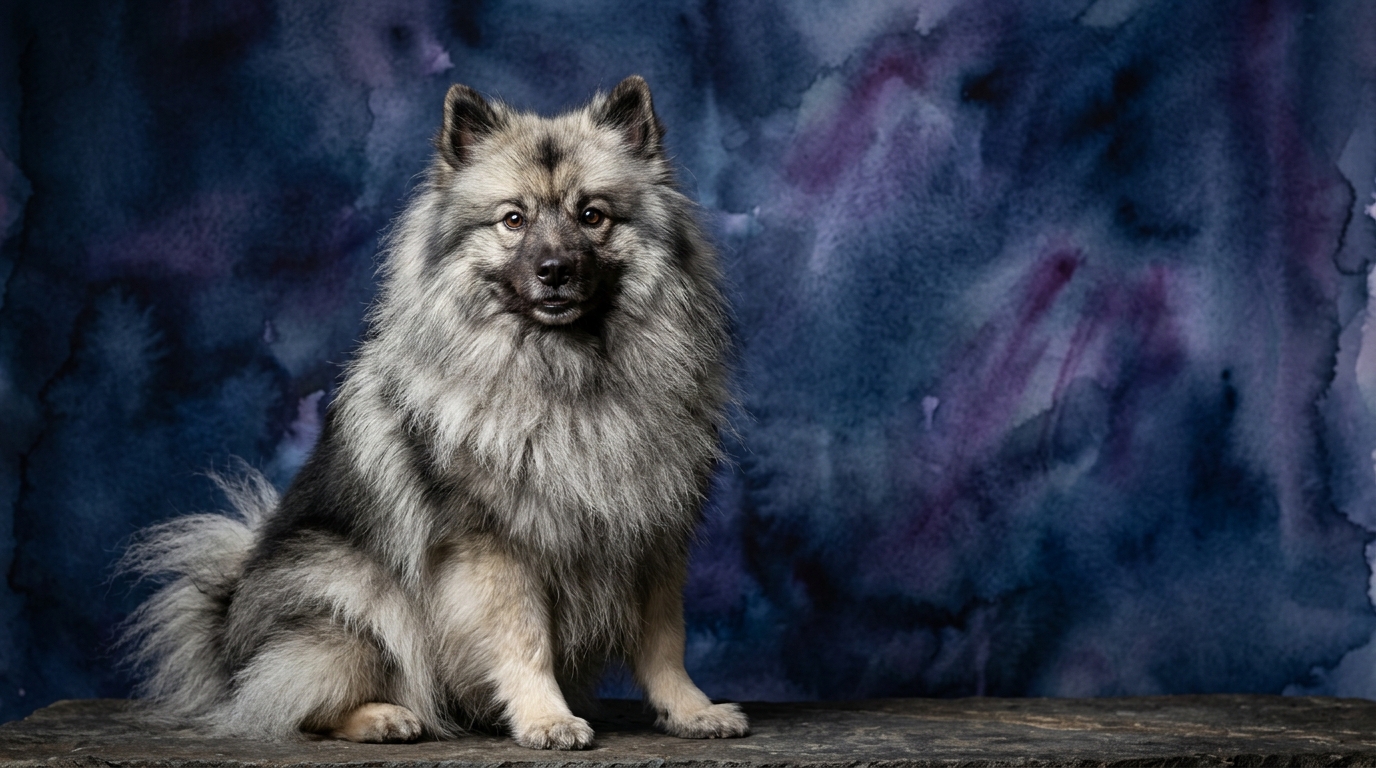
The Keeshond, a non-sporting breed and Coren-ranked #16, presents a more advanced cognitive skill set. Their Problem Solving is 4/5, demonstrating a notable capacity for strategic thinking and overcoming obstacles, often finding creative solutions. Training Speed is 4/5, indicating a quicker grasp of new commands and complex sequences, thriving on mental engagement. Social Intelligence is 3/5, showing a robust understanding of social cues and household integration, observing their surroundings perceptively. Instinctive Drive is 3/5, rooted in their watchdog history, manifesting as alertness rather than strong prey drives. Critically, their Memory is an exceptional 5/5, allowing for remarkable recall of commands, experiences, and social interactions over extended periods.
Where the Japanese Chin Wins Cognitively
While the Keeshond excels in structured cognitive tasks, the Japanese Chin holds a unique advantage in nuanced social and emotional intelligence, particularly within their intimate family setting. Their Problem Solving (3/5) might not involve complex puzzle toys, but it shines in figuring out how to elicit affection or communicate discomfort with subtle cues, a practical application of intelligence focused on comfort and connection. Their Social Intelligence (3/5) is finely tuned to human moods, allowing them to adapt their behavior to provide quiet companionship or playful interaction precisely when needed. This isn't about performing tricks; it's about forming profound emotional bonds and understanding unspoken needs. The Chin's Memory (3/5) is perfectly adequate for recalling specific family routines and individual preferences, reinforcing their role as an intuitive, comforting presence rather than a task-oriented partner. This blend of cognitive abilities makes them exceptionally adept at navigating the emotional landscape of their human household.
Where the Keeshond Wins Cognitively
The Keeshond demonstrates superior cognitive strengths in areas of analytical thinking, rapid learning, and long-term retention. Their Problem Solving (4/5) is notably higher, allowing them to approach challenges with strategic foresight, whether it's manipulating objects to reach a goal or deciphering complex puzzle toys. This capacity for independent thought and creative solutions sets them apart. Furthermore, their Training Speed (4/5) signifies a quicker uptake of new commands and multi-step tasks, making them highly responsive and enjoyable to train for various disciplines. The most remarkable advantage, however, is their exceptional Memory (5/5). This ability to recall a vast array of information and learned behaviors over extended periods ensures remarkable consistency and reliability. Once a Keeshond learns something, it tends to stay learned, making them steadfast and predictable companions, a clear benefit for owners seeking a dog that retains its training with minimal refreshers.
Which is Easier to Train and Why
Comparing ease of training, the Keeshond generally offers a more straightforward experience due to its higher Training Speed (4/5) and outstanding Memory (5/5). They often display a keen eagerness to learn, quickly grasping new commands and enjoying the mental stimulation of training sessions. Their strong recall ensures that once a behavior is established, it's reliably maintained, making them highly receptive to positive reinforcement. The Japanese Chin, with its 3/5 scores in both Training Speed and Memory, requires a more patient and nuanced approach. While capable of learning, their motivation is often deeply tied to their bond with their owner, and their attention can be more fleeting. Training sessions for a Chin are best kept short, positive, and engaging, leveraging their social intelligence. Real behavioral differences include the Keeshond's more focused, task-oriented disposition, contrasting with the Chin's potential for delightful distraction or preference for cuddles over commands.
Which Suits Active Owners vs. Relaxed Owners
The ideal owner profile for each breed diverges significantly based on activity levels and desired canine engagement. Active owners seeking a mentally agile and physically capable companion will find the Keeshond more suitable. Their higher Problem Solving (4/5) and faster Training Speed (4/5) mean they thrive on regular mental challenges, enjoying structured training, long walks, or even dog sports. They possess a moderate instinctive drive (3/5) that, when channeled, makes them alert and engaged partners, requiring consistent stimulation. Conversely, for relaxed owners desiring a serene, affectionate presence, the Japanese Chin is often the perfect match. Their moderate cognitive scores (3/5) translate into a dog content with a less demanding routine, enjoying gentle play, short strolls, and ample lap time. While they still benefit from mental engagement, it's typically less intense, focusing more on social interaction and comfortable observation. Their contentment with a quieter lifestyle makes them excellent companions for apartment living or those who prefer a tranquil home atmosphere.
The Verdict
Choose the Japanese Chin if you seek a deeply empathetic, intuitive companion content with a calm home life and valuing emotional connection over complex obedience.
Opt for the Keeshond if you desire an engaging, quick-learning partner who thrives on mental challenges, consistent training, and offers remarkable memory retention.
🧠 Find Your Pet's IQ Score
Our Pet IQ Lab assessment covers 25+ tests across 5 cognitive dimensions — personalized to your breed.
Take the Full IQ Test →Frequently Asked Questions
Are Japanese Chins difficult to train?
Japanese Chins are not difficult to train, but they require patience and positive reinforcement. Their moderate training speed means consistency is key, and they respond best when training is a bonding experience rather than a strict regimen.
Do Keeshonds need a lot of mental stimulation?
Yes, Keeshonds benefit significantly from mental stimulation due to their higher problem-solving abilities and quick learning. Engaging them with puzzle toys, varied training, and interactive play helps keep their clever minds satisfied.
Which breed is better for first-time dog owners?
Both breeds can suit first-time owners, but the Keeshond's quicker training speed and memory can make initial obedience easier to establish. The Japanese Chin requires an owner who appreciates their subtle communication and is committed to gentle, consistent training.