Side-by-Side Cognitive Profiles
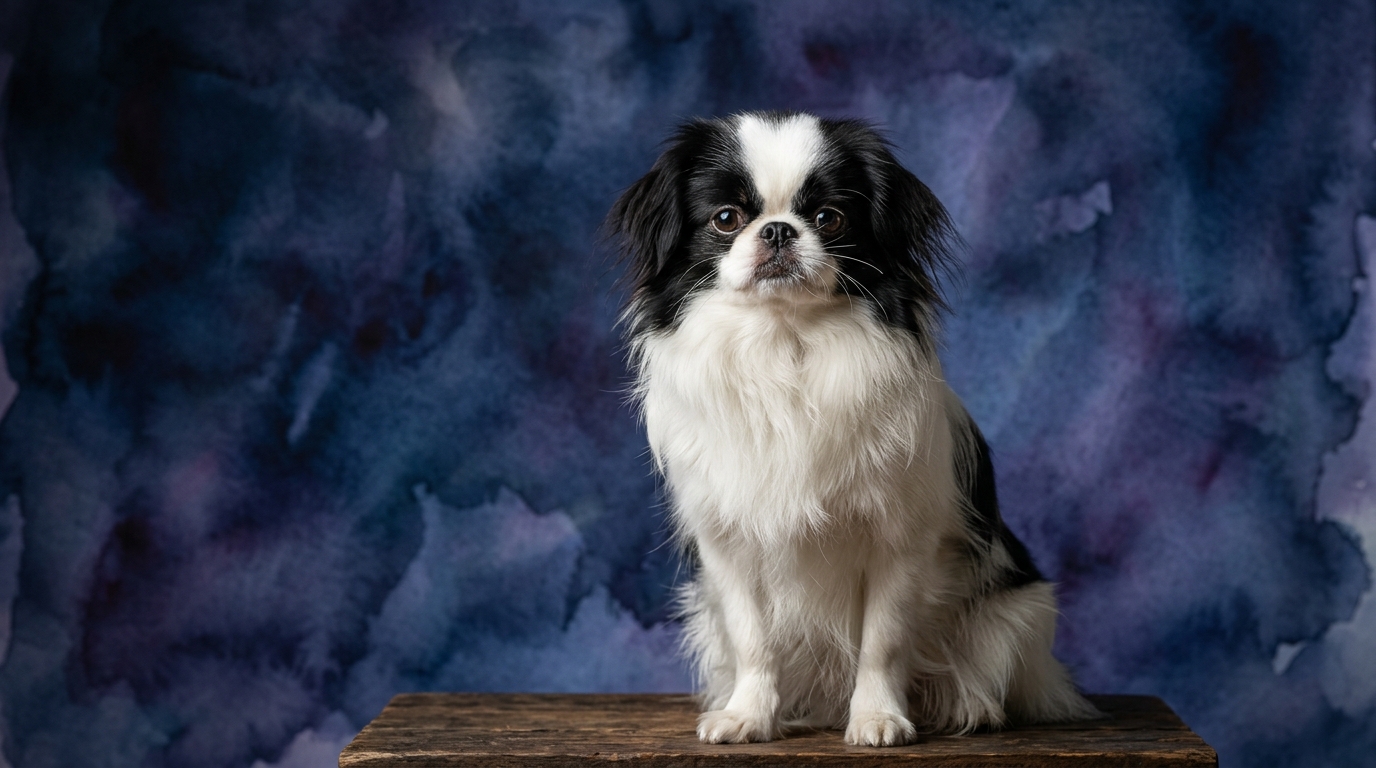
The Japanese Chin, a captivating toy breed, presents a balanced cognitive profile across our five dimensions, each scoring a 3 out of 5. This indicates a moderate yet consistent capacity in various aspects of intelligence. Their Problem Solving ability is practical; they approach new situations with a thoughtful curiosity, observing before acting, but might not relentlessly pursue a solution if it proves too complex. This considered approach makes them less prone to the “inventive mischief” seen in some breeds.
In terms of Training Speed, Chins learn commands at a steady, reliable pace, flourishing with positive reinforcement and patience rather than rapid-fire instruction. Their Social Intelligence is notably well-rounded; they are attuned to human emotions and subtle social cues, making them empathetic companions who navigate family dynamics with grace. Their Instinctive Drive, whether for chasing or guarding, is present but moderate, meaning these inherent behaviors are easily managed and don't dominate their temperament. Finally, their Memory allows them to retain learned behaviors and social experiences adequately, remembering routines and familiar faces without the need for constant re-learning, but perhaps without the intricate recall of a dog designed for complex tasks.
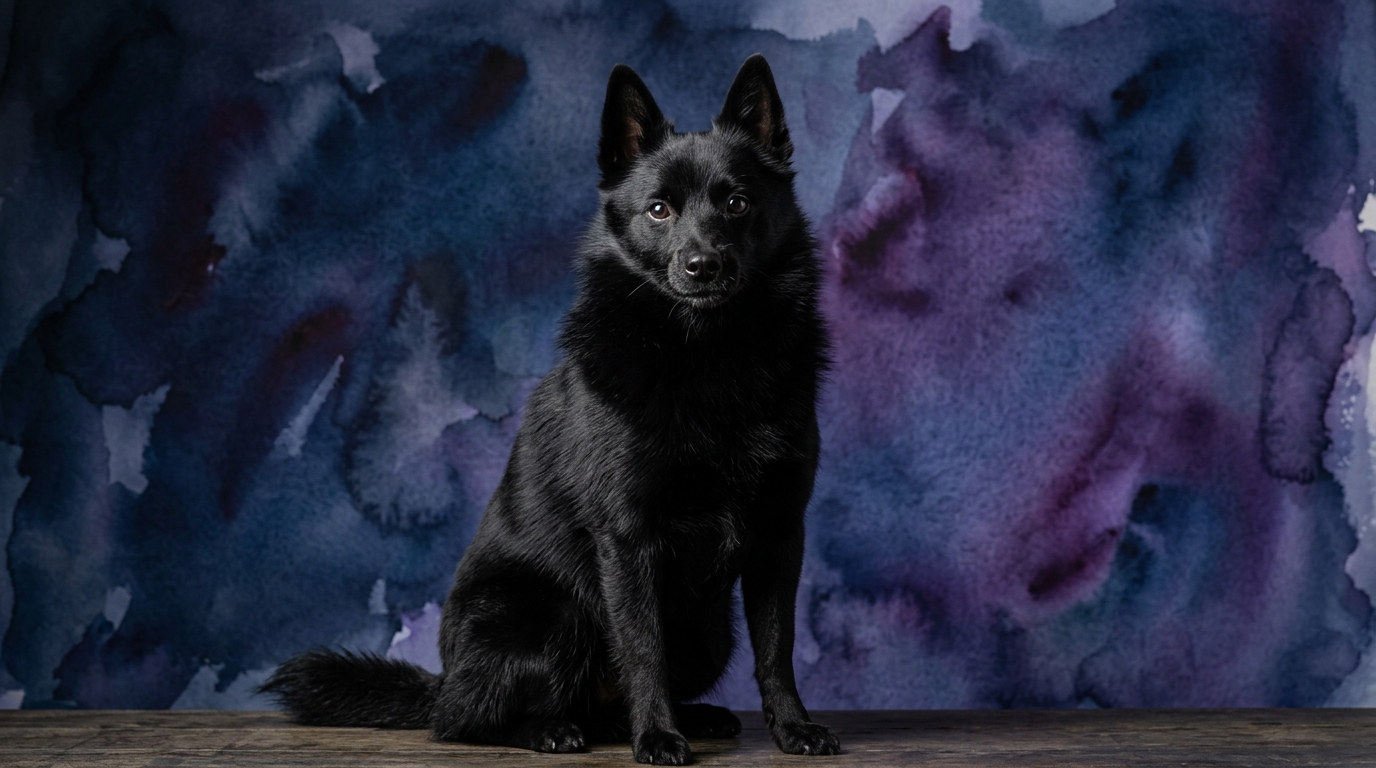
In stark contrast, the Schipperke, a spirited member of the Non-Sporting group and ranked #15 by Coren, showcases a highly specialized cognitive profile, particularly in areas of practical application. Their Problem Solving ability is exceptional, earning a perfect 5 out of 5. These dogs possess an innate knack for figuring things out, whether it's opening a gate, retrieving a hidden treat, or devising a new game. This relentless curiosity and strategic thinking are hallmarks of their clever nature.
Their Training Speed also stands at a remarkable 5 out of 5, enabling them to absorb new commands and complex sequences with astonishing rapidity. They are eager participants in learning, often grasping concepts in just a few repetitions, making them highly responsive to clear instruction. Like the Chin, their Social Intelligence is a balanced 3 out of 5; they understand social cues well, though their independent streak means they might choose when and how to engage, rather than always seeking interaction. Their Instinctive Drive is also a moderate 3 out of 5, manifesting as a vigilant nature and strong prey drive, but remaining manageable. Crucially, their Memory is outstanding, a 5 out of 5, ensuring that once a lesson or experience is ingrained, it is retained with impressive longevity, forming a deep well of knowledge they draw upon.
Where the Japanese Chin Wins Cognitively
While the Schipperke excels in sheer processing power, the Japanese Chin’s balanced cognitive profile offers distinct advantages for owners seeking a particular type of canine companion. The Chin’s moderate Problem Solving (3/5) means they are less likely to embark on ambitious, self-directed projects like systematically emptying the pantry or escaping a securely fenced yard. Their approach to challenges is generally less persistent and more observing, leading to a calmer household dynamic with fewer unexpected “discoveries” engineered by a clever canine mind.
Furthermore, their consistent 3/5 across all categories, including Instinctive Drive and Memory, contributes to a generally lower-maintenance mental footprint. They are less prone to the intense, focused drives that require constant channeling in some breeds. If an owner inadvertently makes a minor training error or creates a less-than-ideal association, the Chin’s moderate memory might be more forgiving, allowing for easier course correction without the deep-seated recall that can solidify negative patterns in a breed with a 5/5 memory. This cognitive ease translates into a more relaxed living experience, where the dog is less likely to be “thinking ahead” of its owner.
Where the Schipperke Wins Cognitively
The Schipperke demonstrably holds a cognitive edge in areas demanding sharp mental agility and enduring retention. Their exceptional Problem Solving (5/5) means they thrive on mental challenges, quickly unraveling complex puzzles, mastering intricate tasks, and adapting to novel environments with remarkable ease. This makes them superb candidates for advanced trick training, dog sports like agility, or even roles requiring creative thinking and quick decision-making. They don't just follow instructions; they often understand the underlying goal.
Coupled with their outstanding Training Speed (5/5), Schipperkes are a trainer's dream when it comes to learning new behaviors rapidly and efficiently. They absorb commands and routines with minimal repetition, allowing for a vast and varied behavioral repertoire. This rapid acquisition of knowledge is powerfully reinforced by their formidable Memory (5/5). Once a Schipperke learns something, it is embedded deeply, ensuring consistent performance and a solid foundation for future learning, making them highly reliable once a behavior is truly established. This combination of swift learning and lasting recall sets them apart in their capacity for complex learning.
Training Dynamics: Chin's Steadiness vs. Schipperke's Sharpness
When considering ease of training, it's crucial to differentiate between the speed of learning and the overall management of a dog's will. The Schipperke, with its 5/5 Training Speed and 5/5 Memory, is undeniably quicker to grasp new commands and retain them. They are often eager to engage in structured learning, finding the process itself stimulating. However, their exceptional Problem Solving (5/5) and independent streak, reflected in their 3/5 Social Intelligence (where they might prioritize their own agenda), can present unique challenges. A Schipperke might quickly learn a command but then apply their cleverness to figure out how to circumvent it or manipulate a situation to their advantage, requiring a consistent, assertive, and clever trainer to stay one step ahead.
The Japanese Chin, on the other hand, with a moderate 3/5 in Training Speed and Memory, learns at a more deliberate pace. This doesn't mean they are difficult; rather, they require more repetitions and patience from their trainer. Their strength lies in their generally obliging nature and lower inclination for independent mischief. They are typically more straightforward to train because they are less likely to actively “outsmart” their owner or challenge boundaries with cunning. While the learning curve might be longer, the process can be less of a battle of wits, leading to a more harmonious and predictable training experience for owners who value compliance and a gentle approach over lightning-fast acquisition.
Matching Breeds to Lifestyles: Active Engagement vs. Relaxed Companionship
The choice between these breeds significantly depends on an owner's lifestyle and their capacity for canine engagement. The Schipperke is an ideal match for active owners who thrive on mental and physical interaction with their dog. Their 5/5 Problem Solving and inherent vigilance demand consistent mental stimulation through training, puzzle toys, and engaging activities. Owners who enjoy dog sports, long walks with plenty of sensory input, or teaching complex tricks will find the Schipperke a highly rewarding and energetic partner. Neglecting their need for engagement can lead to boredom-driven behaviors like excessive barking or resourceful attempts at self-entertainment.
Conversely, the Japanese Chin is perfectly suited for more relaxed owners who appreciate a calmer, more contemplative companion. Their moderate Instinctive Drive and Problem Solving scores mean they are generally content with a less demanding routine. While they enjoy gentle play and walks, their primary joy often comes from being a cherished, observant presence within the home. They are excellent lap dogs and companions for quiet evenings, requiring less structured mental “work” to feel fulfilled. For those seeking a gentle, affectionate dog that integrates seamlessly into a quieter domestic life without constant demands for high-octane activity, the Japanese Chin offers an unparalleled fit.
The Verdict
If you seek a gentle, observant companion content with a relaxed pace of life, who learns steadily and offers a serene presence, the Japanese Chin is an excellent choice.
If you desire a sharp, quick-witted partner eager for mental challenges and consistent engagement, and you are prepared to invest in their active minds, the Schipperke will thrive.
🧠 Find Your Pet's IQ Score
Our Pet IQ Lab assessment covers 25+ tests across 5 cognitive dimensions — personalized to your breed.
Take the Full IQ Test →Frequently Asked Questions
How does Coren rank relate to these breeds?
The Schipperke's Coren rank of #15 aligns with its high scores in training speed and memory, indicating a strong capacity for obedience. The Japanese Chin, not Coren-ranked, still possesses solid cognitive abilities, particularly in social understanding, despite not being measured by that specific metric.
Are Japanese Chins difficult to train given their moderate scores?
No, Japanese Chins are not difficult to train; they simply learn at a more moderate pace compared to breeds like the Schipperke. They respond well to patient, positive reinforcement and consistency, often motivated by a desire to please their family. Their training journey might require more repetitions but is generally straightforward.
Do Schipperkes need a lot of mental stimulation?
Yes, Schipperkes absolutely thrive on mental stimulation due to their exceptional problem-solving and memory skills. Without engaging activities like puzzle toys, trick training, or dog sports, they can become bored and channel their sharp minds into less desirable behaviors. Consistent mental engagement is key to their well-being.