Side-by-Side IQ Profile
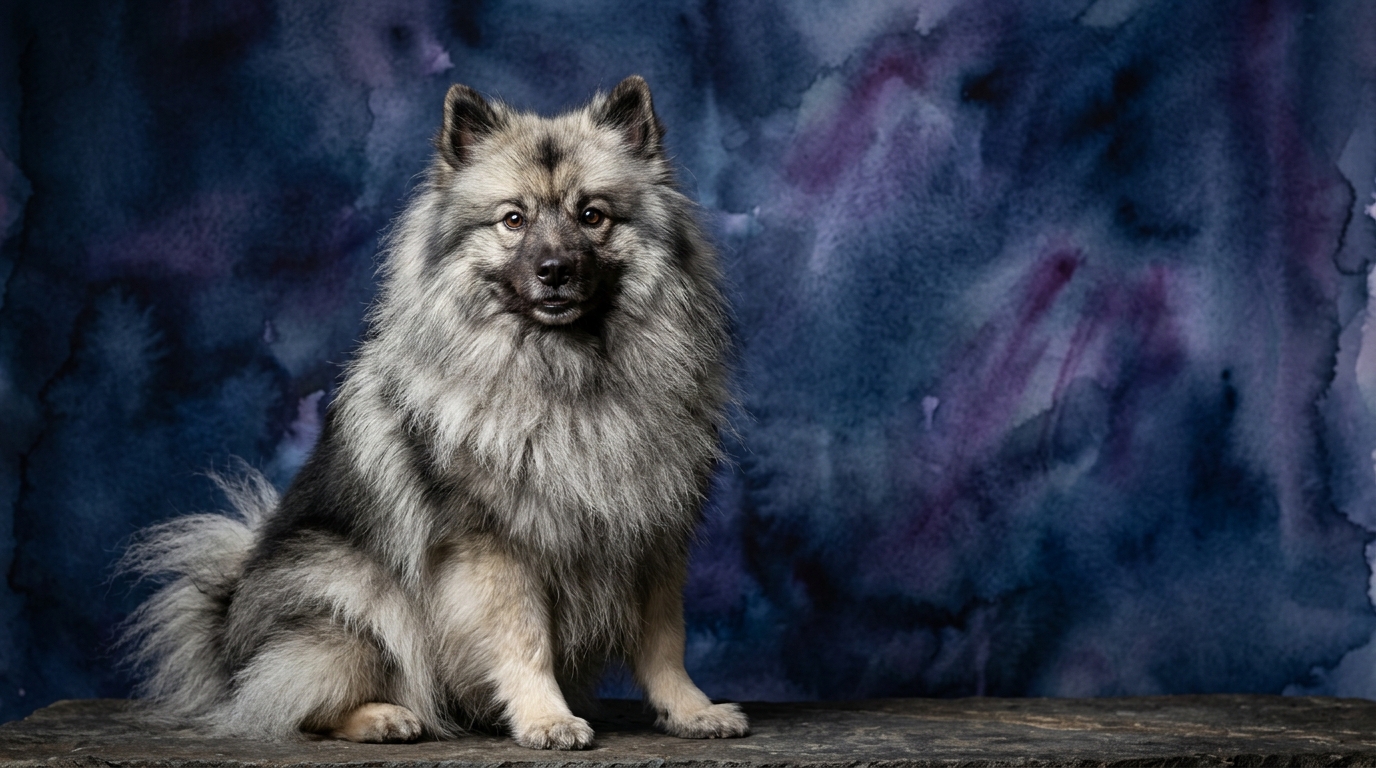
The Keeshond, historically a Dutch barge dog, exhibits a sharp intellect. Their Problem Solving is 4/5, indicating a strong capacity for figuring out novel situations and puzzles, aligning with their watch dog history. Training Speed also scores 4/5, suggesting they grasp new commands efficiently, reflecting close human partnership. Social Intelligence, at 3/5, signifies good understanding of human cues, though with an independent streak. Instinctive Drive, 3/5, points to a moderate inclination for inherent canine behaviors. Notably, their Memory is an impressive 5/5, allowing them to retain behaviors and experiences long-term, making consistent training highly effective. The Keeshond's Coren rank of #16 underscores its strong capacity for learning and adaptability.
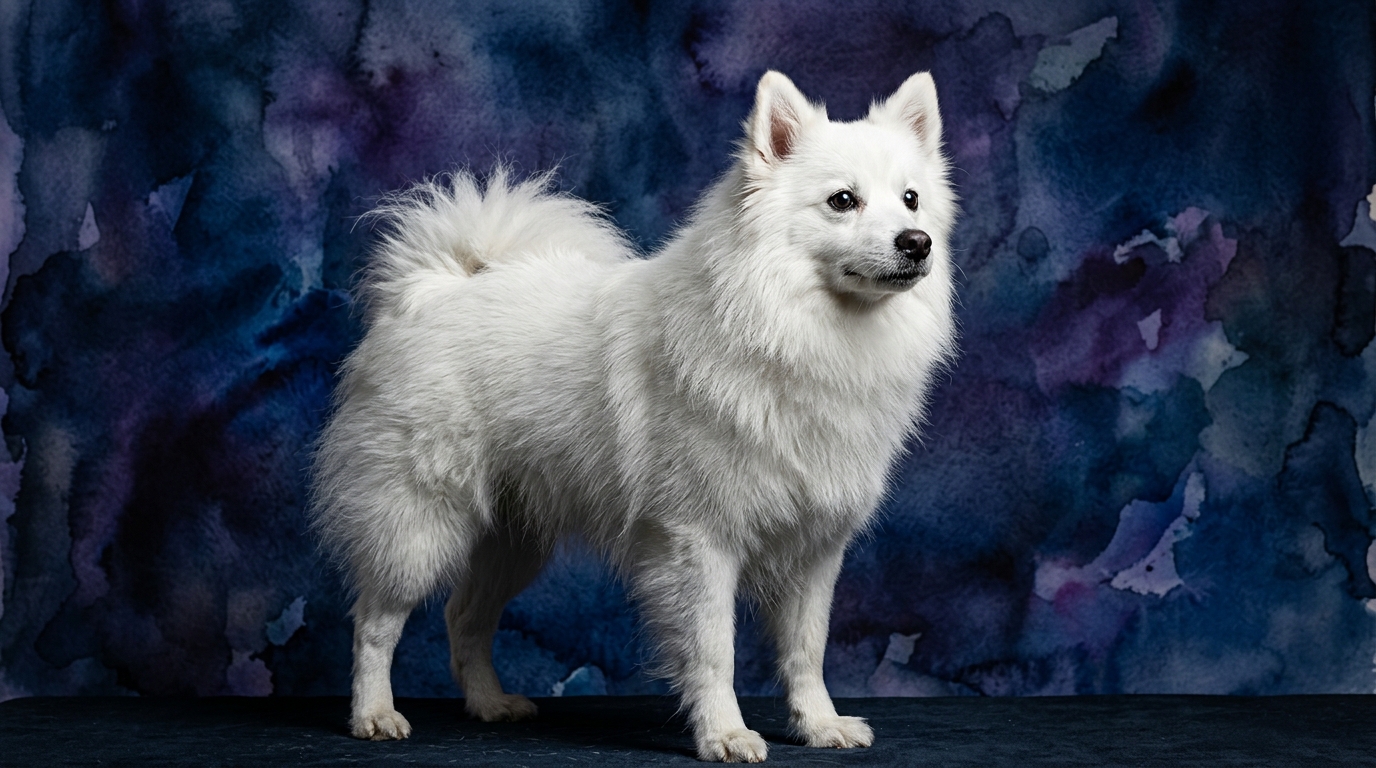
The American Eskimo Dog, or "Eskie," with a history as a circus performer and farm dog, presents a balanced cognitive profile. Their Problem Solving is 3/5, meaning they tackle moderate challenges but might need more guidance in complex scenarios. Training Speed also sits at 3/5, indicating capable learning, though perhaps not as quick as the Keeshond. Social Intelligence scores 3/5, showing they are generally attuned to human companions and form strong bonds. Instinctive Drive, at 3/5, suggests moderate inherent behaviors, effectively channeled with training. Their Memory is 3/5, meaning they retain information adequately but benefit from consistent reinforcement to solidify learning. The Eskie's profile reflects a cooperative companion, whose intelligence is practical and consistent.
Where Keeshond Wins Cognitively
The Keeshond's cognitive advantages are evident in several key areas. Their superior Problem Solving (4/5 vs. 3/5) means they are often quicker to analyze and resolve new situations, such as figuring out how to open a gate or navigate an obstacle course. This translates to a dog that adapts more readily to changing environments. Coupled with a higher Training Speed (4/5 vs. 3/5), Keeshonden typically absorb new commands and behaviors more rapidly, making structured obedience and advanced trick training a fluid process with fewer repetitions. The most striking advantage is their exceptional Memory (5/5 vs. 3/5). A Keeshond's capacity to recall past lessons, both positive and negative, is profound, ensuring learned behaviors stick, a significant asset in long-term training, though it also means they remember unwanted habits with equal tenacity.
Where American Eskimo Dog Wins Cognitively
While the American Eskimo Dog's scores might appear lower, their cognitive profile highlights a different strength: remarkable balance. With a consistent 3/5 across all five dimensions—Problem Solving, Training Speed, Social Intelligence, Instinctive Drive, and Memory—the Eskie demonstrates predictable cognitive responses. This consistency often makes them easier for an average owner to manage, as there are fewer extreme cognitive demands or frustrations. Their 3/5 in Social Intelligence indicates a solid understanding of human-dog communication and a strong desire for family integration, fostering high cooperation when motivation is positive interaction. The Eskie's moderate Instinctive Drive (3/5) means they possess enough curiosity to engage without being overwhelmingly impulsive, allowing natural behaviors to be easily guided. Their moderate Memory (3/5) ensures adequate retention with consistent positive reinforcement, promoting a reliable and agreeable temperament that values routine and connection.
Which Is Easier to Train and Why
Based on the Pet IQ Lab scores, the Keeshond generally presents as the easier breed to train. Their higher Training Speed (4/5) means they typically pick up new commands and routines with fewer repetitions compared to the American Eskimo Dog (3/5), making the training process more efficient and rewarding. Furthermore, the Keeshond's superior Memory (5/5) ensures that once a lesson is learned, it's firmly embedded, requiring less frequent refreshers. This contrasts with the Eskie's 3/5 memory, which, while adequate, suggests consistent reinforcement is more crucial. The Keeshond's higher Problem Solving score (4/5) also aids trainability, as they are more likely to grasp the 'rules' of a task and generalize learned behaviors across contexts. For example, a Keeshond might more quickly understand "stay" in varied environments, whereas an Eskie might need specific practice in each setting.
Which Suits Active Owners vs. Relaxed Owners
The Keeshond's cognitive makeup, particularly its 4/5 Problem Solving and Training Speed, aligns well with owners who enjoy structured activities and mental engagement. They thrive on learning new tricks, participating in dog sports, and engaging with puzzle toys. An active owner who dedicates time to consistent training and provides ample mental stimulation will find a Keeshond a highly responsive and fulfilling partner, appreciating its adaptability to various engagements.
Conversely, the American Eskimo Dog, with its consistent 3/5 across all dimensions, suits owners who appreciate a balanced companion that enjoys activity but doesn't demand intense, complex cognitive challenges daily. While benefiting from training and play, their moderate scores suggest they are less prone to frustration if mental stimulation isn't always at the highest level. An Eskie will happily join a relaxed owner for walks, play sessions, and cuddle time, finding satisfaction in companionship and routine. Their moderate Instinctive Drive and Social Intelligence make them adaptable family members content with a blend of activity and downtime, fitting well into a home that values a harmonious, predictable rhythm.
The Verdict
Opt for the Keeshond if you relish engaging in advanced training, dog sports, and providing consistent mental challenges, appreciating a dog with strong problem-solving skills and exceptional memory.
Select the American Eskimo Dog if you seek a balanced, cooperative companion whose consistent cognitive profile makes for a predictable and adaptable family member, thriving on routine and social connection.
🧠 Find Your Pet's IQ Score
Our Pet IQ Lab assessment covers 25+ tests across 5 cognitive dimensions — personalized to your breed.
Take the Full IQ Test →Frequently Asked Questions
Do Keeshonden bark a lot because of their intelligence?
Keeshonden can be vocal, often using barks as communication and an expression of their watchdog instincts, which ties into their situational awareness. While not directly a result of "intelligence," their cognitive profile supports their alertness and desire to communicate perceived changes.
Are American Eskimo Dogs good for first-time dog owners?
Yes, Eskies can be excellent for first-time owners due to their balanced temperament and consistent cognitive profile. Their moderate training speed and social intelligence mean they are generally eager to please and respond well to positive reinforcement, making the learning process manageable and rewarding.
How do their social intelligence scores impact their interactions with other pets?
Both breeds score 3/5 in social intelligence, suggesting they generally understand social cues and can integrate well into multi-pet households with proper introductions and socialization. Their moderate scores indicate a capacity for harmonious coexistence and reading the social dynamics of other animals.