
Side-by-Side Pet IQ Lab Profiles
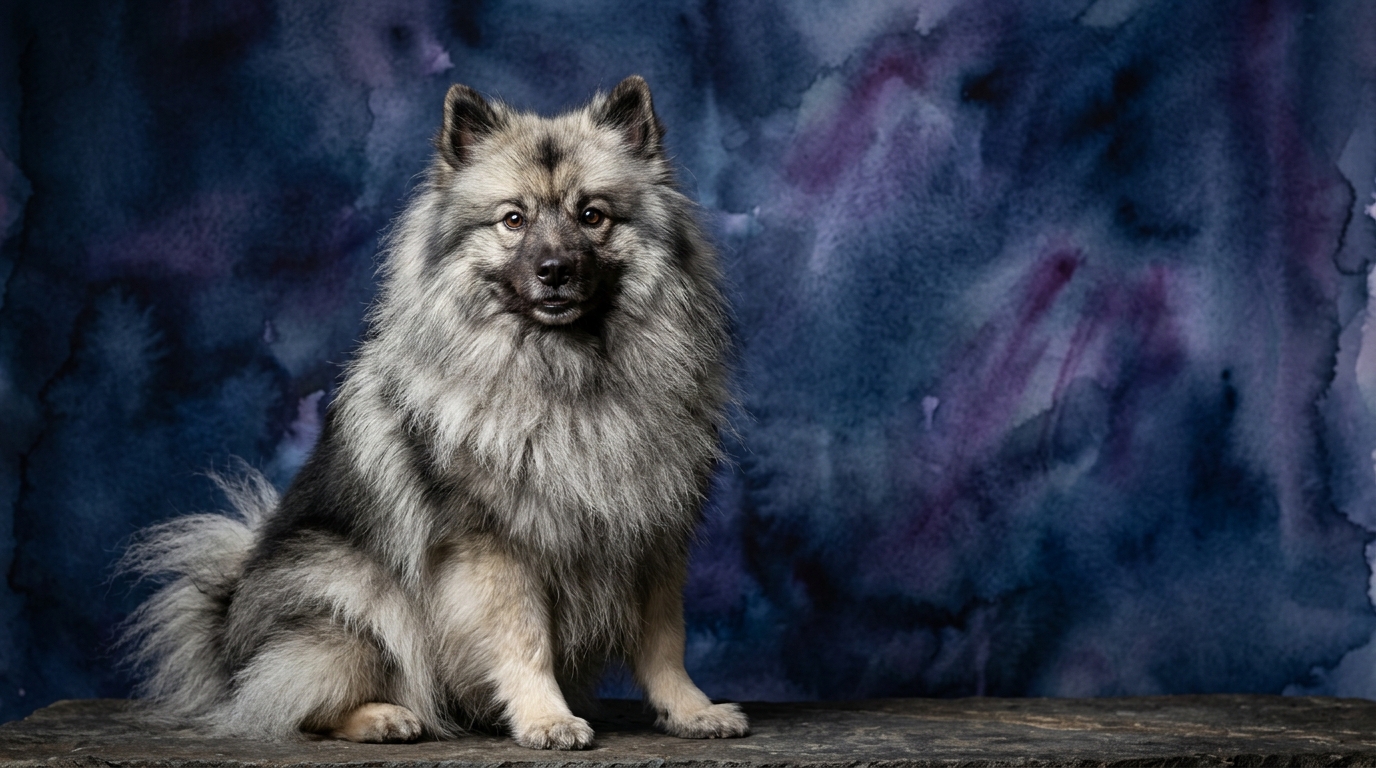
The Keeshond, a spirited member of the Non-Sporting group, boasts a Coren rank of #16, indicating a strong capacity for obedience and working intelligence. Their Pet IQ Lab scores paint a picture of a mentally engaged and highly trainable companion. They achieve 4/5 in Problem Solving, signifying a breed that actively processes its environment and devises solutions, often displaying resourcefulness when faced with novel challenges. Their Training Speed also scores 4/5, meaning they pick up new commands and routines with remarkable alacrity, requiring fewer repetitions than many other breeds. Social Intelligence is rated 3/5, indicating a moderate understanding of human cues and emotional states, forming strong bonds primarily with their immediate family. Instinctive Drive is also 3/5, manifesting as attentiveness to their environment and a desire to patrol, but generally manageable. A standout trait is their 5/5 Memory; they retain learned behaviors, commands, and experiences over long periods, making re-training or recalling old tricks remarkably easy.
In contrast, the Coton de Tuléar, also a Non-Sporting breed without a Coren ranking, presents a cognitive profile that emphasizes adaptability and companionship. Their Problem Solving is rated 3/5, showing a solid, practical ability to learn routines and understand cause-and-effect in their daily lives. Training Speed is likewise 3/5; Cotons learn at a steady pace, benefiting from consistent positive reinforcement and clear communication to master new behaviors. Their Social Intelligence mirrors the Keeshond at 3/5, highlighting a strong capacity for bonding and reading family emotions, thriving on companionship and adept at forming deep attachments. Instinctive Drive is also 3/5, primarily focused on interaction and play rather than strong working instincts, making them generally content within a family setting without pronounced needs to hunt or guard. Finally, their Memory scores 3/5, a good, functional capacity for recalling learned behaviors and routines, perfectly adequate for daily life and consistent training.
Where the Keeshond Excels Cognitively
The Keeshond demonstrably excels in areas requiring mental agility and retention, making them a captivating partner for cognitive engagement. Their 4/5 in Problem Solving signifies a breed that actively engages with its environment, often seeking solutions to perceived challenges or simply figuring out how to achieve a desired outcome, like manipulating a puzzle toy or opening a tricky cabinet. This proactive mental engagement sets them apart, indicating a dog that isn't just reacting but actively strategizing.
Furthermore, their 4/5 Training Speed means they absorb new information with impressive efficiency. A Keeshond often grasps a new command in fewer repetitions, translating into quicker mastery of complex sequences or advanced tricks. This rapid assimilation of knowledge makes them particularly satisfying for owners who enjoy progressing through various training levels, as they exhibit a quick association between action and desired outcome.
The Keeshond's standout 5/5 Memory is a profound cognitive advantage. They retain learned behaviors, positive and negative associations, and spatial layouts over long periods, meaning once a lesson is learned, it tends to stick. This robust recall makes them reliable in established routines and less prone to 'forgetting' previously mastered skills, even after a break, contributing significantly to their overall trainability and consistency.
Where the Coton de Tuléar Excels Cognitively
While the Coton de Tuléar's individual scores might not numerically outrank the Keeshond's in specific cognitive dimensions, their overall profile creates a unique cognitive 'win' in adaptability and emotional attunement within a companion role. Their balanced 3/5 in Social Intelligence, coupled with moderate drives, means they are exceptionally well-suited to integrate seamlessly into diverse family dynamics, often becoming the emotional barometer of the home.
Their cognitive strengths lie in their ability to be content and responsive without needing constant, intense mental challenges. The Coton thrives on interaction and attention, using their social intelligence to foster deep connections. This 'win' is not about solving complex puzzles faster, but about their inherent cognitive makeup making them a highly adaptable and emotionally supportive presence, requiring less intricate mental stimulation to feel fulfilled compared to a more intensely driven breed.
Their 3/5 Instinctive Drive also presents a cognitive advantage for certain owners. It means they are less likely to be driven by overwhelming urges to herd, hunt, or guard, allowing their cognitive energy to be primarily directed towards social bonding and learning within a relaxed domestic context. This translates to a dog that is generally less prone to independent, instinct-driven behaviors that might require extensive redirection, making them a more predictable and tranquil housemate.
Ease of Training: Keeshond vs. Coton de Tuléar
Based on their Pet IQ Lab scores, the Keeshond is generally easier to train, primarily due to their superior Training Speed (4/5 vs. 3/5) and exceptional Memory (5/5 vs. 3/5). Keeshonden typically grasp new commands more quickly, requiring fewer repetitions to achieve proficiency. For instance, teaching a 'stay' command might take a Keeshond only a handful of sessions to solidify, whereas a Coton de Tuléar might need more consistent practice over a longer period to reach the same level of reliability.
The Keeshond's robust memory ensures that once a behavior is learned, it is retained effectively, minimizing the need for frequent refreshers. This means a Keeshond is less likely to 'forget' house rules or established cues, making long-term training more straightforward. The Coton, while trainable, requires a more patient and consistent approach; their learning is steady but not as rapid, and their memory, while good, doesn't offer the same long-term retention advantage, meaning occasional practice is more crucial to maintain learned behaviors and prevent regression.
Matching Breeds to Owner Lifestyles
For active owners who enjoy engaging their dog in mental and moderate physical activities, the Keeshond is an ideal match. With its 4/5 in Problem Solving and 3/5 Instinctive Drive, this breed thrives on structured learning, dog sports like agility or obedience, and interactive puzzles. Owners who appreciate a companion that actively seeks out challenges and enjoys progressing through various training levels will find the Keeshond's cognitive profile highly rewarding, as they require consistent mental stimulation to prevent boredom.
Conversely, the Coton de Tuléar, with its balanced 3/5 across most cognitive dimensions and moderate instinctive drive, is an excellent match for more relaxed owners. While they enjoy play and walks, their contentment stems more from consistent companionship and gentle interaction rather than intense mental challenges or strenuous physical exertion. Owners who prefer a dog that is happy to cuddle, enjoys pleasant strolls, and thrives on consistent affection will find the Coton's cognitive makeup perfectly aligned with their lifestyle, offering a delightful and adaptable companion without demanding extensive mental work.
The Verdict
Select a Keeshond if you are an owner who enjoys an active partnership in training, values a dog with exceptional memory for established routines, and appreciates a companion who actively engages in problem-solving and learns new tasks with impressive speed.
Opt for a Coton de Tuléar if your lifestyle leans towards relaxed companionship, you seek a dog whose contentment is rooted in social connection rather than intense mental challenges, and you appreciate a steady learner who thrives on consistent, positive interaction.
🧠 Find Your Pet's IQ Score
Our Pet IQ Lab assessment covers 25+ tests across 5 cognitive dimensions — personalized to your breed.
Take the Full IQ Test →Frequently Asked Questions
Are Keeshonden prone to barking due to their intelligence?
Keeshonden, with their moderate instinctive drive and historical role as watchdogs, can be vocal. Their attentiveness to their environment, combined with their problem-solving ability, means they are quick to alert their family to perceived changes, which can manifest as barking, requiring consistent training to manage.
Do Coton de Tuléars get bored easily if not mentally stimulated?
Coton de Tuléars thrive on companionship and social interaction; while they appreciate play, their cognitive profile suggests they don't require the same intense, complex mental stimulation as some breeds to avoid boredom. Consistent attention and moderate activity are usually sufficient to keep them content and engaged.
How does a Keeshond's memory impact daily life compared to a Coton de Tuléar's?
A Keeshond's exceptional 5/5 memory means they are less likely to 'forget' house rules or commands over time, making consistency in their behavior more inherent and long-lasting. A Coton's 3/5 memory is perfectly functional but benefits from more regular reinforcement of training and routines to maintain recall and behavioral consistency over time.