Side-by-Side Cognitive Profiles
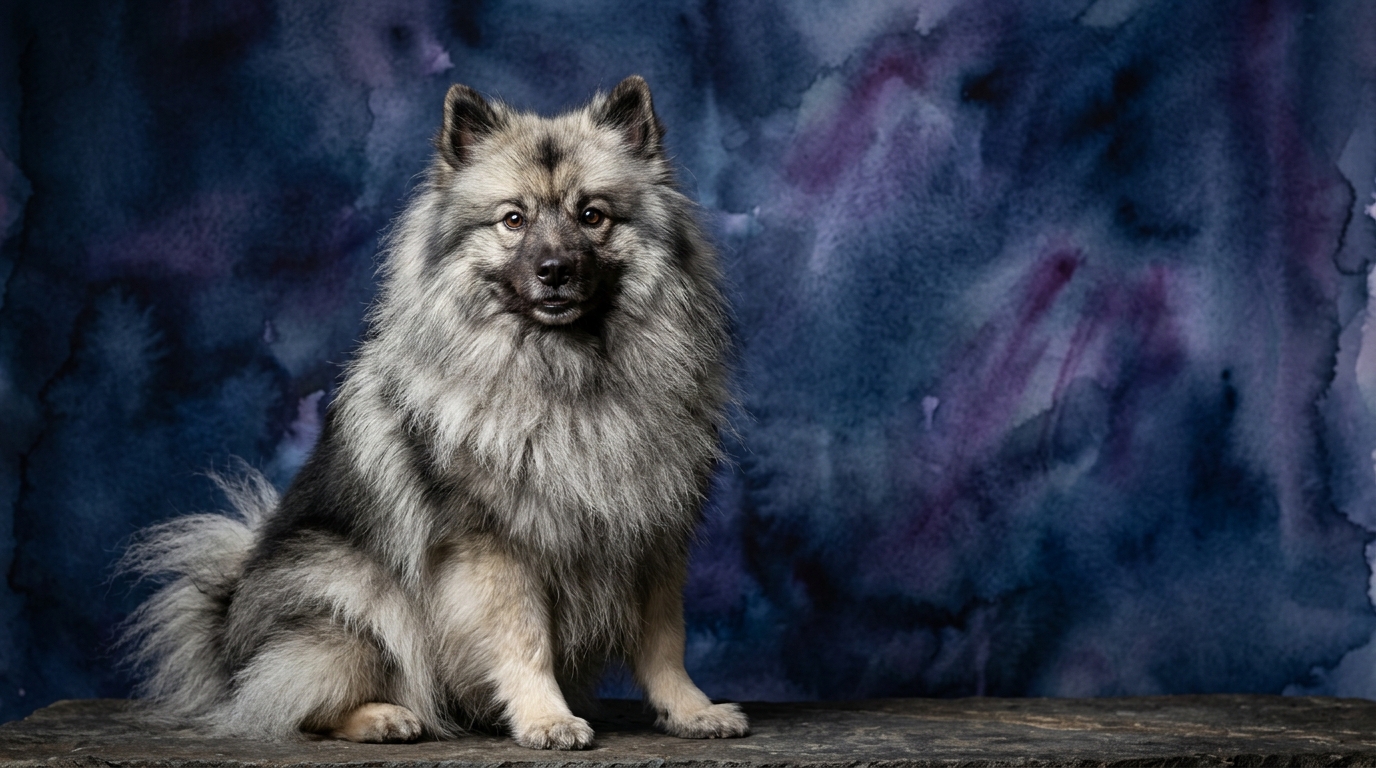
At The Cosmic Pet Pet IQ Lab, we evaluate canine intelligence across five key dimensions. The Keeshond, a spirited Non-Sporting breed with a Coren ranking of #16, presents a profile marked by strong cognitive agility. Its problem-solving ability scores a solid 4/5, indicating an adeptness at navigating novel challenges and figuring out how things work. Training speed is also high at 4/5, suggesting a quick uptake of new commands and routines. Social intelligence registers at 3/5, meaning they are generally friendly but may exhibit some reservation with strangers, requiring proper socialization. An instinctive drive of 3/5 reflects a moderate level of inherent urges, often expressed as alertness and watchdog tendencies. Where the Keeshond truly shines is memory, scoring an exceptional 5/5, allowing them to retain learned behaviors and experiences over long periods.
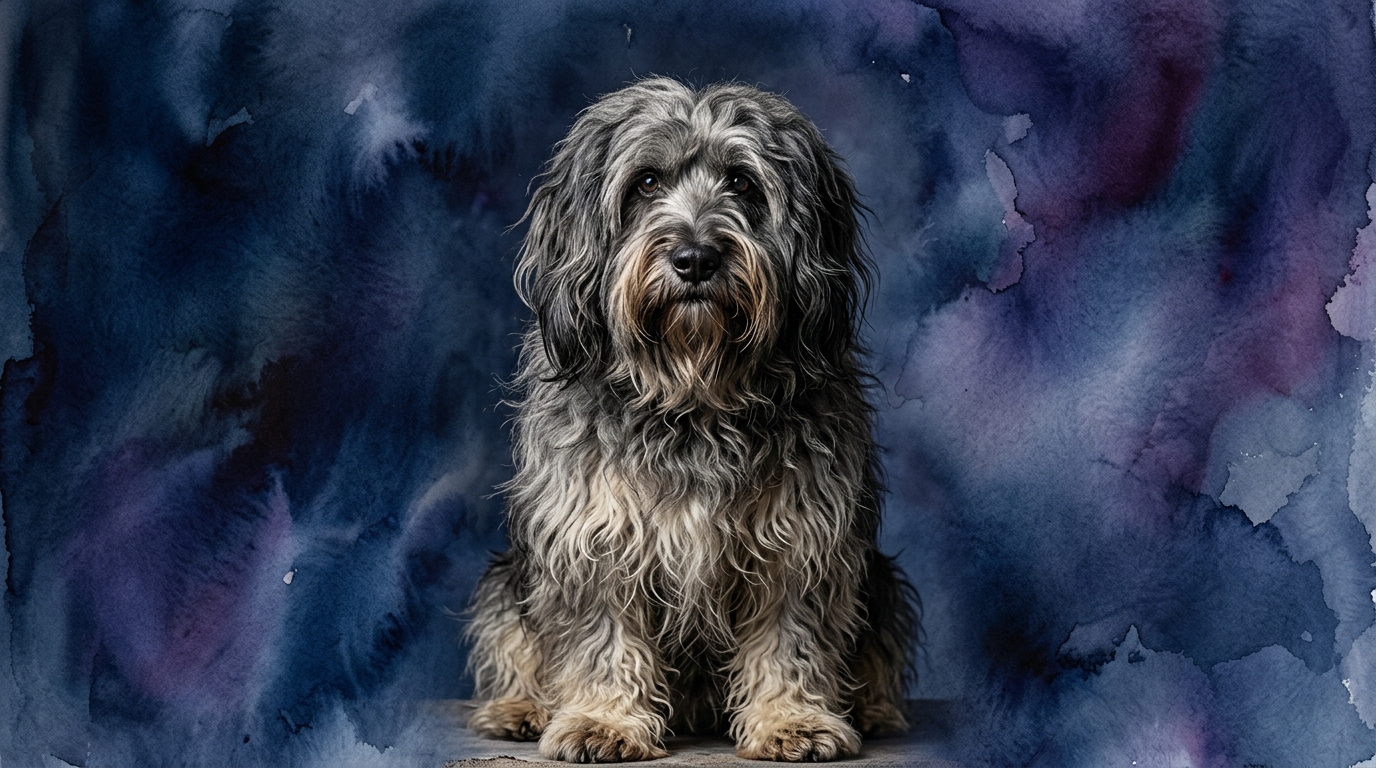
In contrast, the Polish Lowland Sheepdog (PON), a robust Herding breed, while not Coren-ranked, possesses a different cognitive architecture suited to its working heritage. Its problem-solving capability is rated 3/5, indicating an ability to think independently, though perhaps requiring more consideration for complex tasks. Training speed also stands at 3/5; they are capable learners but may not generalize new behaviors as rapidly as a Keeshond. Social intelligence is 3/5, suggesting loyalty to their family but often a cautious approach to unfamiliar people or situations, underscoring the need for early and consistent exposure. An instinctive drive of 3/5 is influenced by their herding background, manifesting as a desire to keep their 'flock' (family) together. Their memory score of 3/5 is good, demonstrating retention of routines and trained behaviors, but not at the exceptional level of the Keeshond.
Where the Keeshond Wins Cognitively
The Keeshond's cognitive strengths distinctly outpace the Polish Lowland Sheepdog in several areas. Their superior problem-solving score of 4/5 means they are often quicker to grasp the mechanics of puzzles or to deduce the sequence of events needed to achieve a desired outcome, such as opening a cabinet or figuring out a new game. This mental nimbleness allows them to adapt to new situations with less frustration and more rapid understanding.
Training speed is another clear advantage for the Keeshond, scoring 4/5 compared to the PON's 3/5. This translates into a more efficient learning process; Keeshonden typically require fewer repetitions to master new commands, making them highly responsive to positive reinforcement training. Their eagerness to engage and their rapid association of cues with actions make them a joy to teach, often picking up complex sequences with relative ease.
However, the Keeshond’s most prominent cognitive win is undoubtedly its memory, rated an impressive 5/5. This exceptional recall means that once a behavior, a routine, or even a past experience is learned, it tends to stick with remarkable tenacity. Owners often report that Keeshonden remember commands they haven't practiced in months or recall people and places they encountered years ago. This robust memory greatly contributes to their consistency in learned behaviors and their ability to thrive on established routines.
Where the Polish Lowland Sheepdog Excels Cognitively
While the Polish Lowland Sheepdog's scores may appear lower in some general cognitive dimensions, their herding heritage imbues them with a specialized form of intelligence. Their problem-solving score of 3/5, combined with their instinctive drive, reflects an impressive capacity for independent thought and autonomous decision-making. Unlike breeds that rely heavily on direct human instruction, PONs were bred to work far from their handlers, making judgments about flock movement and potential threats on their own. This manifests as a strong sense of initiative and resourcefulness, a cognitive strength often misinterpreted as stubbornness in a domestic setting.
Their instinctive drive, also rated 3/5, is a nuanced asset. For the PON, this drive is deeply intertwined with their herding purpose, which requires sophisticated spatial reasoning, an ability to anticipate the movements of others, and subtle communication cues. This isn't just a simple urge; it's a complex cognitive blueprint for managing a dynamic environment. When channeled through appropriate activities like dog sports or even supervised 'herding' of family members, this drive showcases a profound understanding of boundaries, group dynamics, and subtle environmental shifts, a unique form of applied social and spatial intelligence that is distinct from the Keeshond's more general watchdog instincts.
Which Is Easier to Train and Why
Based on their cognitive profiles, the Keeshond is generally considered the easier breed to train. Their 4/5 training speed means they absorb new information quickly, making the initial stages of obedience and trick training particularly smooth. Paired with their outstanding 5/5 memory, once a Keeshond learns a command, it is typically retained for a very long time, reducing the need for constant refreshers. They respond well to positive reinforcement, eager to please their owners and quickly making the connection between their actions and desired rewards. This combination of rapid learning and excellent recall makes for a highly efficient and rewarding training journey, provided early socialization addresses their 3/5 social intelligence.
The Polish Lowland Sheepdog, with a 3/5 training speed and 3/5 memory, requires a more patient and consistent approach. Their independent, problem-solving nature, a byproduct of their herding lineage, means they might not always comply immediately. A PON might pause, assess the command, and perhaps even offer an alternative behavior if they believe it's a better solution, rather than blindly following instructions. Training a PON demands creativity, understanding of their herding instincts, and a willingness to engage in mental stimulation that challenges their independent spirit. While they learn and retain information, it often takes more repetitions and a trainer who can motivate their self-sufficient mindset, rather than simply dictating commands.
Which Suits Active Owners vs. Relaxed Owners
The Keeshond generally suits a wider range of owners, including those who might be considered more relaxed. Their moderate instinctive drive (3/5) means they enjoy activity but aren't perpetually demanding extreme physical exertion. They thrive on mental engagement—puzzle toys, interactive games, and consistent, varied training sessions—which taps into their 4/5 problem-solving and 5/5 memory. A Keeshond is content with regular walks and opportunities for mental stimulation, making them a good fit for owners who enjoy daily interaction and intellectual challenges for their dog, but aren't necessarily marathon runners or extreme sports enthusiasts. Their adaptable nature allows them to settle comfortably into a home after their needs for engagement are met.
Conversely, the Polish Lowland Sheepdog is a better match for active and experienced owners. Their herding background equips them with significant stamina and a deep-seated need for purpose. A PON thrives when given a 'job' to do, whether it's participating in dog sports like agility, obedience, or herding trials, or engaging in long, challenging hikes. Their independent problem-solving (3/5) and instinctive drive (3/5) require substantial mental and physical outlets; without them, a PON can become bored, leading to undesirable behaviors like excessive barking or destructive chewing. A relaxed owner who cannot commit to consistent, structured activities will likely find the PON's energy and self-reliant nature overwhelming, as this breed truly flourishes with a strong, engaged partnership.
The Verdict
If you prioritize a companion with exceptional memory and a quick, eager mind for learning, making training a relatively efficient and rewarding experience, the Keeshond is an excellent fit.
Opt for the Polish Lowland Sheepdog if you are an experienced, active owner seeking an independent, robust companion who thrives with a job to do and consistent, engaging mental and physical challenges.
🧠 Find Your Pet's IQ Score
Our Pet IQ Lab assessment covers 25+ tests across 5 cognitive dimensions — personalized to your breed.
Take the Full IQ Test →Frequently Asked Questions
Are Keeshonden prone to barking due to their intelligence?
Keeshonden, with their keen memory and inherent watchdog instincts (part of their 3/5 instinctive drive), are alert and can be vocal guardians of their home. While not directly tied to their problem-solving or training speed, their awareness of their surroundings often translates to alert barking, which can be managed with consistent training and early exposure to various sounds.
Can a Polish Lowland Sheepdog live successfully in an apartment?
A Polish Lowland Sheepdog can adapt to apartment living, but it requires an owner dedicated to providing significant daily exercise and mental stimulation. Their herding drive and need for purpose mean short walks aren't enough; they need structured activities like dog sports or extended playtime to prevent boredom and potential destructive behaviors.
How do their social intelligence scores (both 3/5) manifest differently?
For Keeshonden, their 3/5 social intelligence often means they are friendly but can be reserved with strangers, preferring their family circle and requiring proper introductions. The PON's 3/5 social intelligence, rooted in their guardian instincts, can manifest as a more pronounced wariness or aloofness towards unfamiliar people or situations, necessitating early and consistent socialization to develop confidence and appropriate social responses.