
Side-by-Side Cognitive Profiles
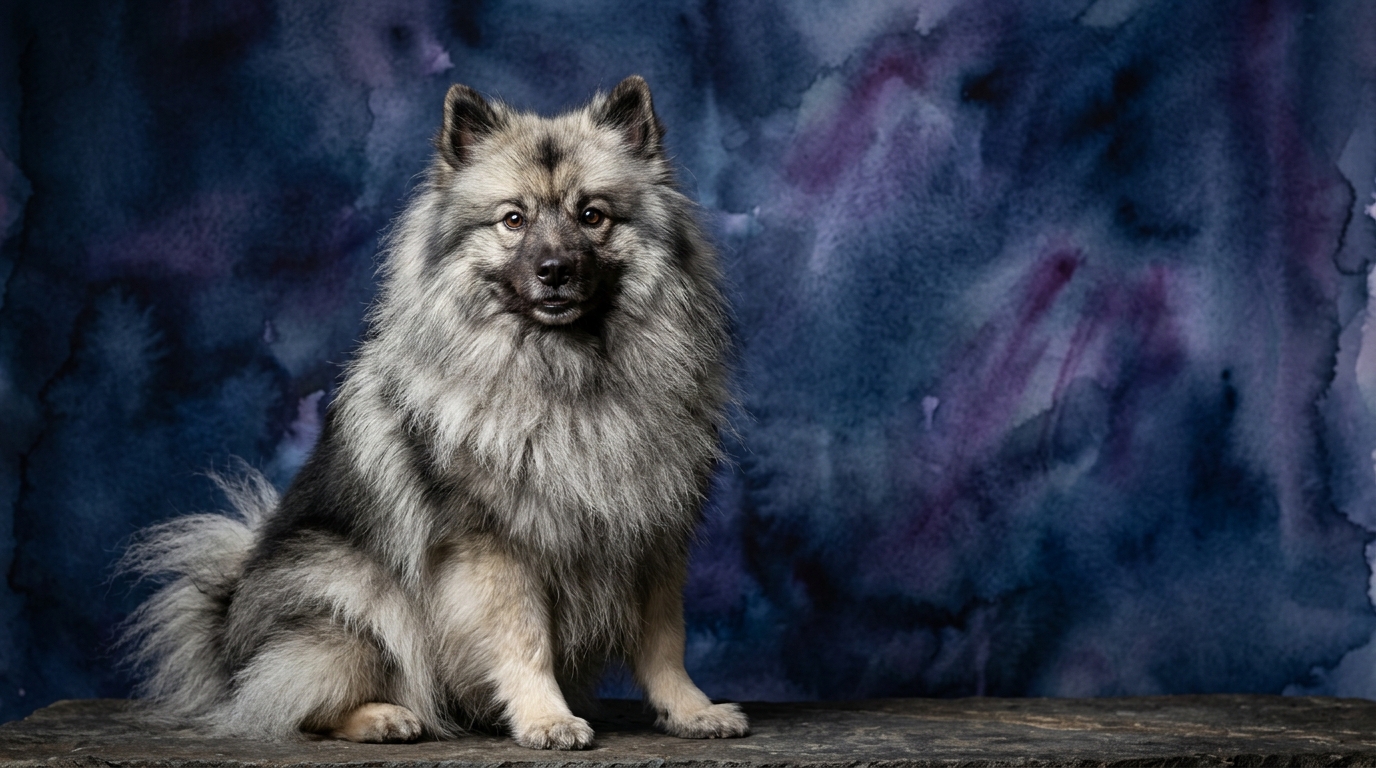
The Keeshond, holding a notable Coren rank of #16, demonstrates a robust cognitive architecture. Our Pet IQ Lab assessment highlights their Problem Solving at 4/5, indicating a strong capacity for independent thought and navigating novel situations. Their Training Speed also scores 4/5, suggesting a quick grasp of new commands and routines. Social Intelligence is rated 3/5, reflecting a solid ability to interpret human cues and integrate into family dynamics, while Instinctive Drive sits at 3/5, hinting at a moderate but present inherent motivation for typical dog behaviors like alertness. A standout feature is their Memory, earning a perfect 5/5, which signifies an exceptional ability to retain learned information and past experiences over extended periods.
In contrast, the Tibetan Terrier, with a Coren rank of #63, presents a more balanced, consistent profile across all cognitive dimensions. They score 3/5 in Problem Solving, indicating a capable but perhaps less independently innovative approach to challenges. Their Training Speed is also 3/5, meaning they are trainable and responsive, but may require more consistent repetition to solidify new behaviors. Social Intelligence is 3/5, similar to the Keeshond, suggesting a comparable capacity for understanding and engaging with their human companions. Instinctive Drive is likewise 3/5, reflecting a moderate level of inherent motivations. Finally, their Memory is rated 3/5, signifying a competent ability to recall information, though not with the same exceptional retention as the Keeshond.
Where the Keeshond Excels Cognitively
The Keeshond's cognitive strengths distinctly shine in areas demanding rapid acquisition and long-term retention of information. Their 4/5 Problem Solving score means they are often quick to figure out how to open a gate, retrieve a hidden toy, or navigate a new environment, demonstrating a proactive mental engagement. This aptitude makes them adept at learning complex sequences of commands or mastering intricate dog sports like agility, where a series of actions must be performed in a specific order.
Furthermore, the Keeshond's perfect 5/5 Memory score gives them a significant advantage in training and daily life. They are less likely to 'forget' commands they've learned, even after a break, and can recall past positive or negative experiences with remarkable clarity. This superior recall means fewer training repetitions are needed over time to maintain proficiency, and they often remember routes, people, and routines with impressive accuracy, making them reliable companions in established patterns. Their capacity for memory allows them to build a comprehensive understanding of their world and their role within it.
Where the Tibetan Terrier Shows Distinct Strengths
While the Tibetan Terrier's scores are consistently moderate, their cognitive profile points to a different kind of strength, particularly in adaptability and social navigation. Their 3/5 in Problem Solving, coupled with a comparable 3/5 in Social Intelligence, suggests a practical, context-aware approach to challenges rather than purely independent innovation. They are often adept at understanding household routines and social cues, using their observational skills to fit seamlessly into family life, even if they don't always try to outsmart a puzzle toy as quickly.
The Tibetan Terrier's consistent 3/5 across most cognitive dimensions, including Instinctive Drive, indicates a well-rounded and stable temperament that contributes to their renowned charm. They possess sufficient drive for play and engagement without being overly demanding, and their memory, while not photographic, is perfectly adequate for learning essential commands and remembering their people. Their cognitive balance allows them to be highly adaptable to various living situations, thriving on consistent interaction and gentle guidance rather than requiring constant mental gymnastics.
Training Aptitude: Keeshond vs. Tibetan Terrier
When it comes to ease of training, the Keeshond generally presents a smoother path for owners. Their 4/5 Training Speed means they pick up new commands and behaviors relatively quickly, often understanding what is expected after just a few repetitions. This rapid learning curve, combined with their exceptional 5/5 Memory, means that once a command is learned, it tends to stick, making subsequent training sessions more about refinement than re-teaching. They thrive on mental engagement and appreciate the challenge of learning new things, often showing eagerness to please.
The Tibetan Terrier, with a 3/5 Training Speed and 3/5 Memory, requires a more patient and consistent approach. They are certainly trainable and capable of learning a wide array of commands, but they may need more repetitions and a longer period to solidify new behaviors. Their independent spirit, while endearing, can sometimes manifest as a thoughtful pause before responding, rather than an immediate eagerness to comply. Owners will find success with positive reinforcement methods, short, engaging sessions, and a clear understanding that progress may be steady rather than instantaneous.
Matching Breeds to Lifestyles: Active vs. Relaxed Owners
For active owners who relish engaging deeply with their canine companions through structured activities and mental challenges, the Keeshond is often an excellent match. Their higher problem-solving capacity and exceptional memory mean they benefit greatly from activities like obedience trials, rally, or even complex trick training, which satisfy their need for mental stimulation. While not needing extreme physical exertion, they appreciate consistent walks and playtime, thriving in environments where their cognitive abilities are regularly exercised and their strong recall can be put to good use.
The Tibetan Terrier, on the other hand, suits owners who appreciate a charming, moderately active companion willing to participate in daily life without demanding constant, intensive mental tasks. Their consistent 3/5 scores across the board indicate they are adaptable and content with regular walks, play in the yard, and being an integrated part of family routines. They are well-suited for relaxed owners who enjoy consistent, gentle training and value a dog's companionship and unique personality over rapid mastery of complex skills, thriving on patient guidance and affection.
The Verdict
Choose the Keeshond if you are an owner who enjoys engaging in advanced training, dog sports, and values a canine companion with exceptional memory and a quick grasp of new concepts.
Opt for the Tibetan Terrier if you seek a charming, adaptable companion who thrives on consistent, positive reinforcement and a more moderate pace of learning, fitting well into a relaxed yet engaged lifestyle.
🧠 Find Your Pet's IQ Score
Our Pet IQ Lab assessment covers 25+ tests across 5 cognitive dimensions — personalized to your breed.
Take the Full IQ Test →Frequently Asked Questions
Do Keeshonds need more mental stimulation than Tibetan Terriers?
Yes, Keeshonds, with their higher problem-solving and memory scores, generally benefit from more structured mental stimulation. They enjoy puzzle toys, learning new tricks, and participating in activities that challenge their quick minds to prevent boredom.
Are Tibetan Terriers difficult to train because of their lower scores?
Tibetan Terriers are not difficult to train; rather, they require more patience and consistency than Keeshonds due to their moderate training speed and memory. They respond best to positive reinforcement and shorter, engaging sessions, making steady progress over time.
Which breed is better for first-time dog owners?
Both breeds can be suitable for first-time owners, but the Keeshond might be slightly easier in terms of initial training due to their quicker learning. However, a patient first-time owner willing to commit to consistent, positive reinforcement will find the Tibetan Terrier equally rewarding.