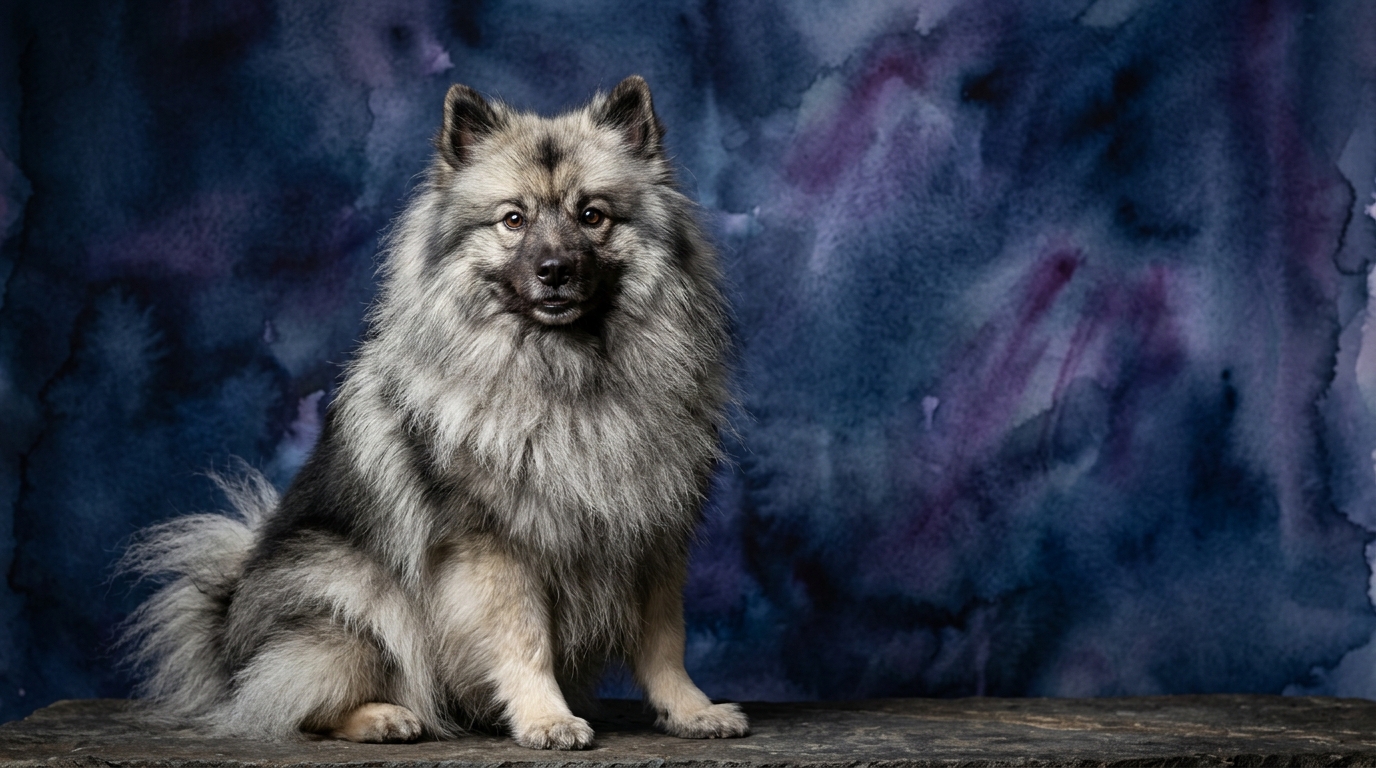
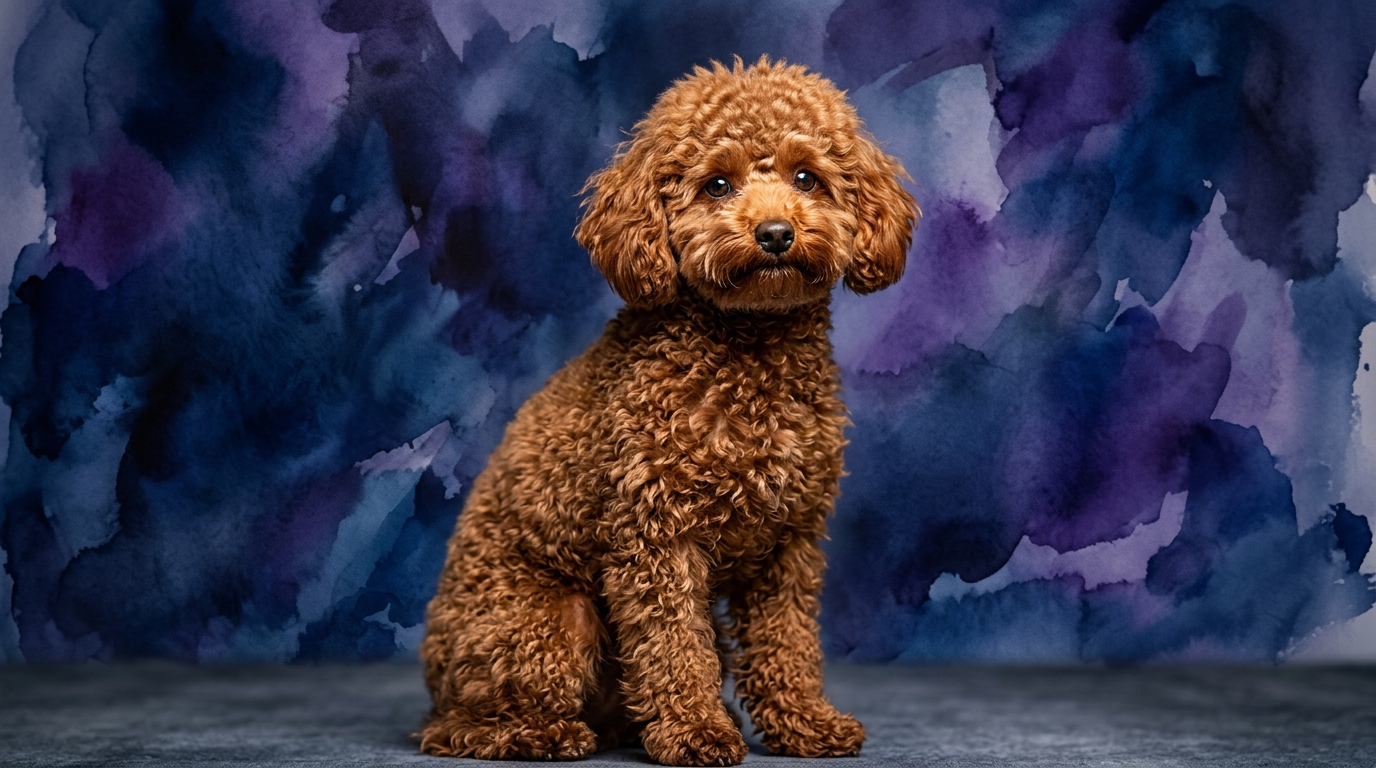
Side-by-Side IQ Profile: Keeshond vs. Toy Poodle
The Cosmic Pet Pet IQ Lab provides a detailed framework for understanding canine cognition, assessing five crucial dimensions. The Keeshond, a captivating 'Dutch Barge Dog' from the Non-Sporting group, holds a respectable Coren rank of #16. Its IQ scores include Problem Solving at 4/5, Training Speed at 4/5, Social Intelligence at 3/5, Instinctive Drive at 3/5, and an impressive Memory at 5/5. These scores paint a picture of a capable, thoughtful companion with exceptional recall.
In contrast, the Toy Poodle, a refined member of the Toy group with a rich history as a working retriever, boasts an exceptionally high Coren rank of #2. Its cognitive profile shows Problem Solving at a perfect 5/5, Training Speed also at 5/5, Social Intelligence at 3/5, Instinctive Drive at 3/5, and an equally remarkable Memory at 5/5. This suggests a dog of extraordinary mental agility and a capacity for rapid, complex learning.
A closer look at the shared metrics reveals interesting parallels: both breeds score identically in Social Intelligence and Instinctive Drive, indicating a similar baseline for understanding social cues within their pack and a moderate drive to perform tasks rooted in ancestral behaviors. Their perfect Memory scores suggest both can retain information, commands, and experiences over extended periods, making them excellent candidates for long-term learning and recall.
Where the Keeshond Excels Cognitively
While the Toy Poodle's scores often hit the maximum, the Keeshond’s distinct cognitive strengths lie in its blend of high memory and solid problem-solving, coupled with its historical role. A Keeshond's 4/5 in Problem Solving indicates a highly capable mind that approaches challenges with a degree of deliberation. They are not impulsive in their solutions but rather process information thoroughly, leveraging their perfect 5/5 Memory to recall past successes and failures.
This thoroughness makes them exceptional observers and consistent watchdogs. Their cognitive process might be likened to a steady, reliable computer that, while not always the fastest, ensures every calculation is precise and every piece of data (memory) is perfectly integrated. Owners often report Keeshonden demonstrating impressive awareness of their surroundings, noticing subtle changes, and remembering visitor patterns with remarkable accuracy. This reflects a deep cognitive engagement with their environment, making them perceptive companions who learn by watching and remembering routines over time.
Where the Toy Poodle Shows Cognitive Dominance
The Toy Poodle’s cognitive profile, particularly its perfect 5/5 scores in Problem Solving and Training Speed, positions it as a canine intellectual powerhouse. This breed demonstrates an unparalleled ability to rapidly grasp new concepts, solve complex puzzles, and adapt its behavior to novel situations with astonishing speed. Their minds are akin to high-performance processors, capable of quick analysis and immediate execution.
This rapid processing power and eagerness to learn are not just about performing tricks; they translate into a remarkable adaptability. A Toy Poodle can quickly learn intricate sequences of commands, understand multi-step tasks, and even pick up on subtle human cues with minimal repetition. Their cognitive dominance in these areas means they thrive on mental challenges, often anticipating outcomes and devising clever solutions to reach their goals, whether it’s figuring out a new puzzle toy or navigating a complex agility course.
Training Dynamics: Which Breed is Easier to Shape?
When it comes to ease of training, the Toy Poodle's 5/5 Training Speed gives it a clear advantage. This score signifies that Toy Poodles require very few repetitions to learn a new command or behavior, and they tend to retain that learning with exceptional consistency. Their inherent drive to please, combined with their rapid comprehension, makes them highly responsive to positive reinforcement and eager participants in training sessions, quickly progressing from basic obedience to advanced tasks.
The Keeshond, with a 4/5 Training Speed, is still a very trainable dog, but their learning curve might be slightly more deliberate. They might require a few more repetitions to solidify a new command, and their independent nature, stemming from their watchdog heritage, means they might occasionally question the necessity of a command rather than immediately complying. This isn't a lack of ability, but rather a difference in their cognitive approach to instruction, valuing understanding over sheer speed. Patience and consistency are key with a Keeshond, building on their excellent memory to reinforce learned behaviors over time.
Lifestyle Match: Active Engagement vs. Relaxed Companionship
The cognitive profiles of these breeds suggest different ideal lifestyles. The Toy Poodle, with its exceptional problem-solving and training speed, thrives on consistent mental engagement. Owners who enjoy teaching new tricks, participating in dog sports like agility or obedience, or even engaging in complex puzzle games will find a Toy Poodle to be an enthusiastic and capable partner. Their energetic minds require regular stimulation to prevent boredom, which can sometimes manifest as mischievous behavior if left undirected. They are well-suited for active owners who prioritize daily interactive mental and physical activities.
The Keeshond, while still benefiting from mental stimulation, often suits a more relaxed yet attentive owner. Their strong memory and observational skills mean they are content with routines and enjoy being a watchful, integrated part of family life. They appreciate regular walks and playtime but aren't typically driven by the same intense need for constant 'work' or novel challenges as a Toy Poodle. Owners who appreciate a perceptive, loyal companion that is less demanding of constant structured activity, but still values consistent interaction and a strong bond, will find the Keeshond a delightful match. Their moderate instinctive drive means they are adaptable to various home environments, provided they receive adequate companionship and mental enrichment through their daily observations and routines.
The Verdict
Choose a Keeshond if you value a perceptive, steadfast companion with exceptional memory and a thoughtful approach to problem-solving, thriving in a home with consistent routines and attentive, though not necessarily high-intensity, engagement.
Opt for a Toy Poodle if you seek a highly adaptable, rapidly learning partner eager for complex mental challenges and structured activities, excelling with owners who prioritize interactive training, dog sports, and continuous intellectual stimulation.
🧠 Find Your Pet's IQ Score
Our Pet IQ Lab assessment covers 25+ tests across 5 cognitive dimensions — personalized to your breed.
Take the Full IQ Test →Frequently Asked Questions
Do Keeshonden or Toy Poodles suffer from separation anxiety more frequently?
Both breeds, being companion dogs, can develop separation anxiety if not properly socialized or left alone for excessive periods. The Keeshond's social intelligence of 3/5 suggests a moderate need for companionship, while the Toy Poodle's high drive for interaction and mental stimulation could make them more prone to destructive behaviors when bored or anxious if left alone too often. Consistent training and gradual desensitization are crucial for both.
Are Keeshonden or Toy Poodles better for first-time dog owners?
The Toy Poodle's exceptional training speed and eagerness to learn generally make it a more forgiving breed for first-time owners willing to commit to consistent, positive reinforcement training. While the Keeshond is also trainable, its slightly more independent nature and need for deliberate processing might require a bit more patience and understanding from a novice owner. Both breeds benefit immensely from early socialization and consistent guidance.
How do their grooming needs compare, affecting owner commitment?
Grooming needs differ significantly: Keeshonden have a dense double coat requiring regular brushing (2-3 times a week) to prevent matting and manage shedding, especially seasonally. Toy Poodles have a non-shedding, hypoallergenic single coat that requires professional grooming every 4-6 weeks and daily brushing to prevent mats, demanding a different, but equally consistent, time and financial commitment from owners.