Side-by-Side IQ Profile: Unpacking Identical Scores
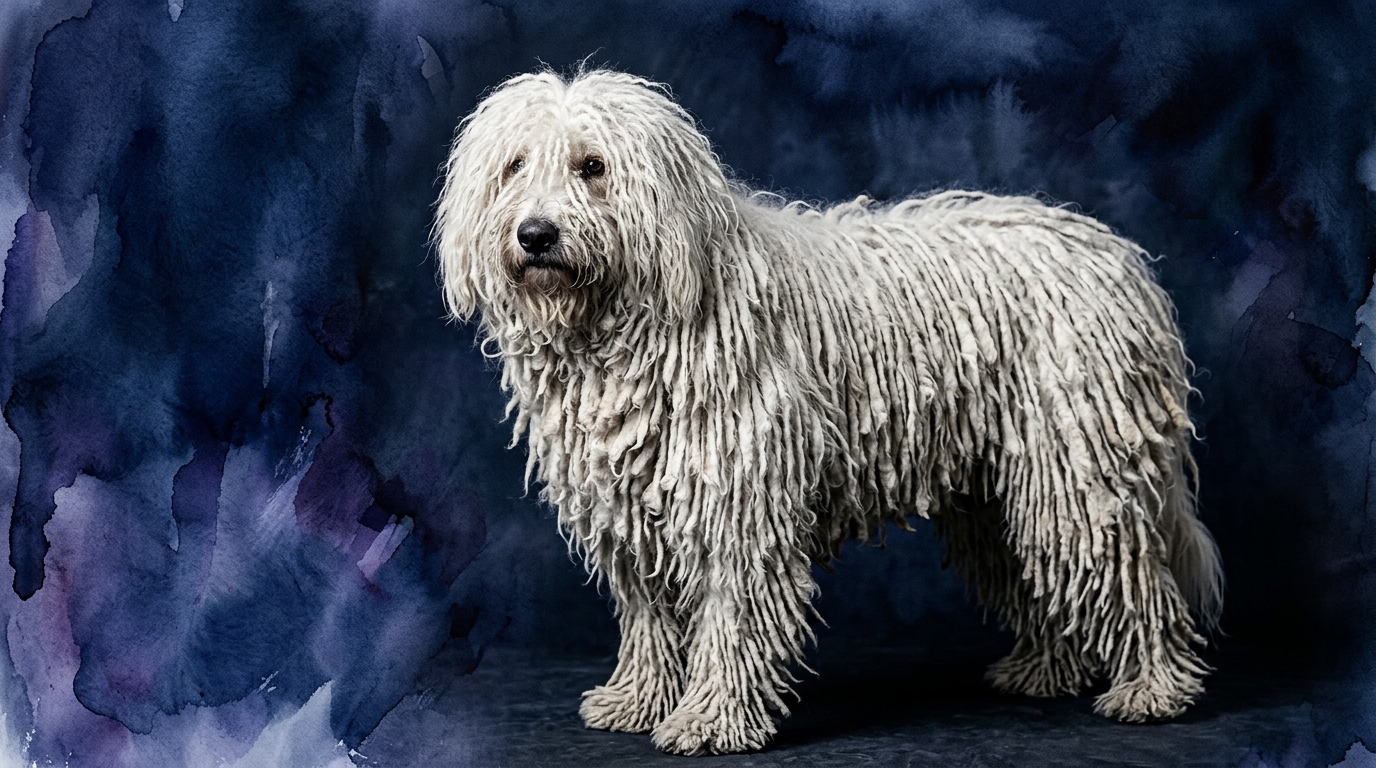
Despite a 3/5 rating across the board, the Komondor's intelligence is deeply rooted in its ancient purpose as an independent livestock guardian. Their Problem Solving (3/5) isn't about learning complex tricks but about autonomous decision-making in the face of perceived threats. A Komondor assesses potential dangers to its flock, devising strategies to deter predators or intruders without direct human command, demonstrating a profound practical intellect. Training Speed (3/5) reflects a capacity to learn, yet it's often tempered by their independent nature; they absorb information steadily but prioritize understanding the 'why' from their own protective perspective, rather than simply obeying. Their Social Intelligence (3/5) is highly specialized, forming deep bonds with their immediate family or flock while maintaining a natural wariness towards strangers. They excel at reading intentions within their defined social circle, understanding subtle cues of belonging and threat. Instinctive Drive (3/5) is overwhelmingly dominated by their guarding imperative—vigilance, territoriality, and protection are not merely traits but the core operating system of their minds. Finally, Memory (3/5) is critical for their role; they retain detailed information about their territory, safe boundaries, routines, and the identities of those belonging to their charge, crucial for effective, long-term guardianship.
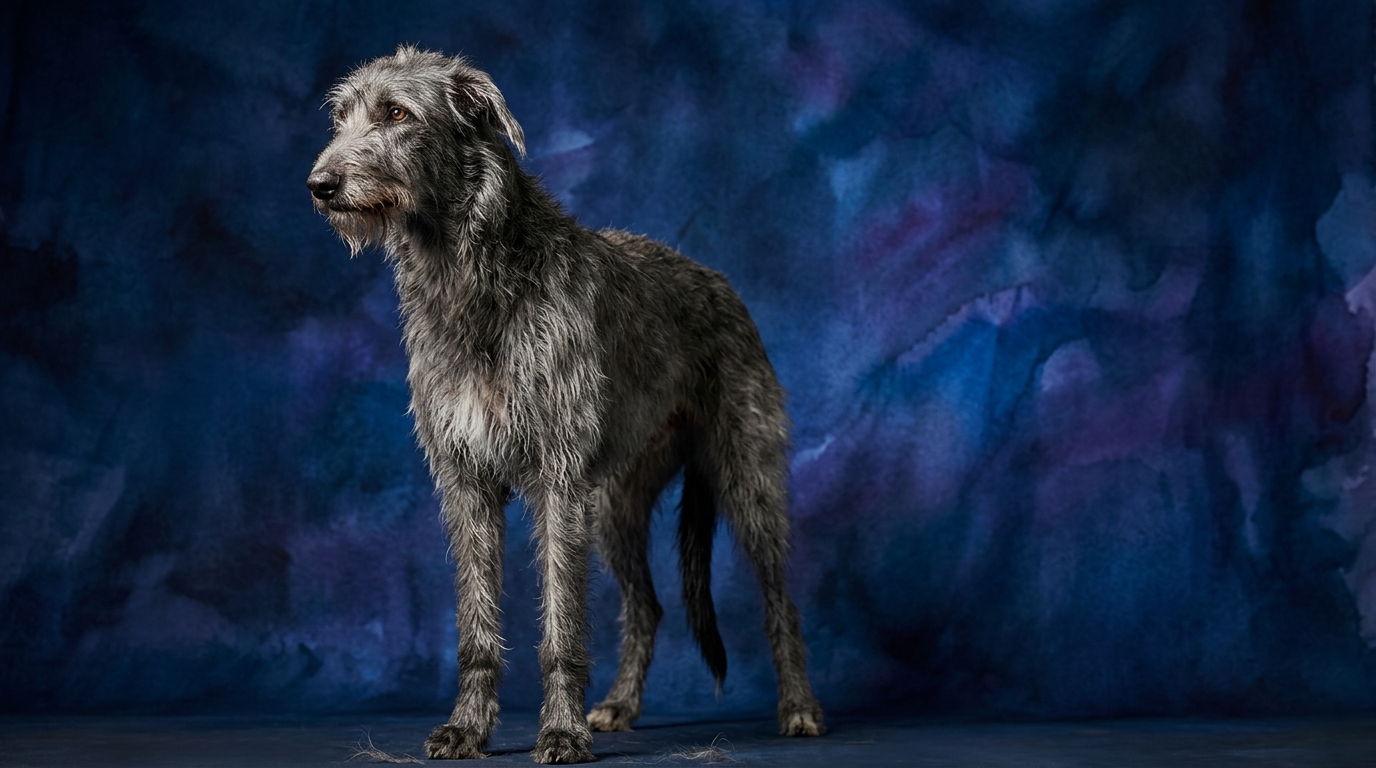
The Scottish Deerhound, also scoring 3/5 in all cognitive dimensions, presents a different tapestry of intelligence, honed by centuries of coursing large game. Their Problem Solving (3/5) is expressed primarily in the field, involving rapid analysis of terrain, wind direction, and prey movement to execute a successful chase. This is a dynamic, situational problem-solving, requiring quick, instinctual decisions rather than deliberate, planned action. Training Speed (3/5) is present, but often challenged by their powerful prey drive and sighthound focus; they can grasp commands but may prioritize a visual stimulus—a squirrel, a distant movement—over human instruction, requiring engaging and consistent methods to hold their attention. Social Intelligence (3/5) manifests as a gentle, often reserved demeanor, forming strong, affectionate bonds with their family. They are typically good with other animals once introduced, possessing a quiet empathy, though they might be aloof with unfamiliar people. Their Instinctive Drive (3/5) is the powerful urge to chase and course, a profound motivation that shapes their perception and responsiveness. This drive for pursuit is central to their cognitive processing, influencing their focus and energy. Memory (3/5) serves their hunting heritage well; they recall routes, successful hunting grounds, and the nuances of past chases, alongside familiar routines and commands, though the lure of the chase can sometimes override previously learned behaviors.
Where the Komondor Wins Cognitively
The Komondor truly shines in its capacity for independent, self-directed problem-solving within its defined territory. Unlike many breeds that look to their human for constant direction, the Komondor's cognitive strength lies in its ability to assess complex, evolving situations—such as a potential predator approaching livestock—and formulate an appropriate, often nuanced, response without explicit command. This sophisticated level of autonomous decision-making, coupled with an unwavering vigilance, allows them to act as truly self-sufficient guardians. Their social intelligence, while not broadly gregarious, is exceptionally acute in discerning threats from non-threats, a critical cognitive skill honed for protection. They possess a profound understanding of their 'flock's' safety, making them unparalleled in roles requiring consistent, thoughtful oversight without direct human intervention.
Where the Scottish Deerhound Wins Cognitively
The Scottish Deerhound's cognitive advantages are rooted in speed, perception, and an intuitive understanding of movement. Their problem-solving prowess is evident in their ability to rapidly process visual information and strategize during a high-speed chase. This involves instantaneous calculations of distance, trajectory, and the most efficient path to intercept prey across varied and often challenging landscapes. This dynamic, real-time cognitive processing is a distinct form of intelligence, demanding quick reflexes and an innate understanding of physics in motion. Their memory, particularly for visual cues and successful pursuit patterns, contributes to their effectiveness as a coursing hound. Furthermore, their social intelligence, characterized by a calm and gentle disposition, allows them to integrate seamlessly into family life, often reading human moods with quiet sensitivity, offering a different, less overt, but equally valuable form of emotional understanding.
Which is Easier to Train and Why
Neither the Komondor nor the Scottish Deerhound fits the mold of a 'biddable' breed eager to please, making their 3/5 training speed rating manifest as distinct challenges. The Komondor's training journey is often an exercise in patience and mutual respect. Their independence and strong guardian instincts mean they are less inclined to perform tasks that don't align with their perceived purpose or logic. They learn, but they often require a trainer to demonstrate the utility of a command from *their* perspective, making consistent, firm, but fair methods essential. Their learning isn't slow, but it's deliberate, as they process information through the lens of their protective duties. In contrast, the Scottish Deerhound's training can be characterized by its sensitivity and powerful sighthound instincts. While intelligent and capable of learning commands, their attention can be easily diverted by visual stimuli, making recall particularly challenging in open environments. Their 3/5 training speed is often overridden by their powerful prey drive, demanding engaging, positive reinforcement methods and a deep understanding of their sighthound nature to maintain focus. Therefore, neither is 'easier' in a general sense; the Komondor demands a partner who respects their autonomy, while the Deerhound requires a trainer adept at managing strong natural instincts with gentle consistency.
Which Suits Active Owners vs. Relaxed Owners
The Komondor, despite its imposing size, is not necessarily suited for owners seeking a jogging partner. While they require regular exercise and mental stimulation, their 'active' needs are more about purpose and patrolling. They suit owners who are prepared to manage a dog with strong protective instincts, providing a secure territory and consistent, leadership-driven training. They can be calm and reserved indoors once their environment is secured and they understand their role, making them suitable for more relaxed indoor routines, provided their guarding needs are met through structured activities or a suitable 'flock' to oversee. Their vigilance, however, means their owners must be actively engaged in their environment management. The Scottish Deerhound, conversely, is an ideal fit for genuinely active owners who can provide consistent opportunities for intense, short bursts of running. They thrive on the ability to gallop freely in safe, securely fenced areas, fulfilling their inherent coursing drive. While they are often described as 'velcro dogs' indoors, enjoying relaxed companionship, their physical and mental well-being hinges on fulfilling their need for speed outdoors. Relaxed owners who cannot commit to providing these crucial exercise outlets may find a Deerhound challenging, as their pent-up energy can lead to restlessness.
The Verdict
Choose a Komondor if you are seeking an independent, formidable protector who will bond deeply with their family and territory, and you are prepared to manage a strong-willed, thoughtful guardian with specific training needs focused on their ancient purpose.
Choose a Scottish Deerhound if you appreciate a gentle, reserved companion with a powerful athletic drive, capable of bursts of speed and requiring secure environments for exercise, and you can provide consistent, positive training to manage their sighthound instincts.
🧠 Find Your Pet's IQ Score
Our Pet IQ Lab assessment covers 25+ tests across 5 cognitive dimensions — personalized to your breed.
Take the Full IQ Test →Frequently Asked Questions
Do Komondors make good family pets despite their guarding instincts?
Yes, with proper socialization from a young age and consistent training, Komondors can be devoted family members, forming deep bonds and being protective of their human 'flock.' They require owners who understand their independent nature and can provide firm, fair leadership to guide their protective tendencies appropriately.
How much exercise does a Scottish Deerhound need?
While calm indoors, Scottish Deerhounds require significant opportunities for bursts of speed and running in a safe, securely fenced area multiple times a week to fulfill their coursing drive. Daily walks are also beneficial, but they need to stretch their legs at full gallop regularly to stay physically and mentally content.
Why do both breeds have the same IQ scores despite different roles?
The 3/5 score reflects a solid, functional intelligence within their respective domains, rather than a universal measure of academic 'smartness,' indicating they are capable learners but not at the extreme ends of the spectrum. Their cognitive abilities are specialized: the Komondor excels in independent guardian problem-solving, while the Scottish Deerhound thrives in rapid visual processing and pursuit strategy, showcasing their intelligence through their specific breed functions.