A Side-by-Side Look at Canine Cognition
The Cosmic Pet Pet IQ Lab employs a multi-dimensional framework to assess canine intelligence, moving beyond simple obedience to encompass problem-solving, training speed, social intelligence, instinctive drive, and memory. This nuanced approach allows for a deeper understanding of how different breeds process information and interact with their world.
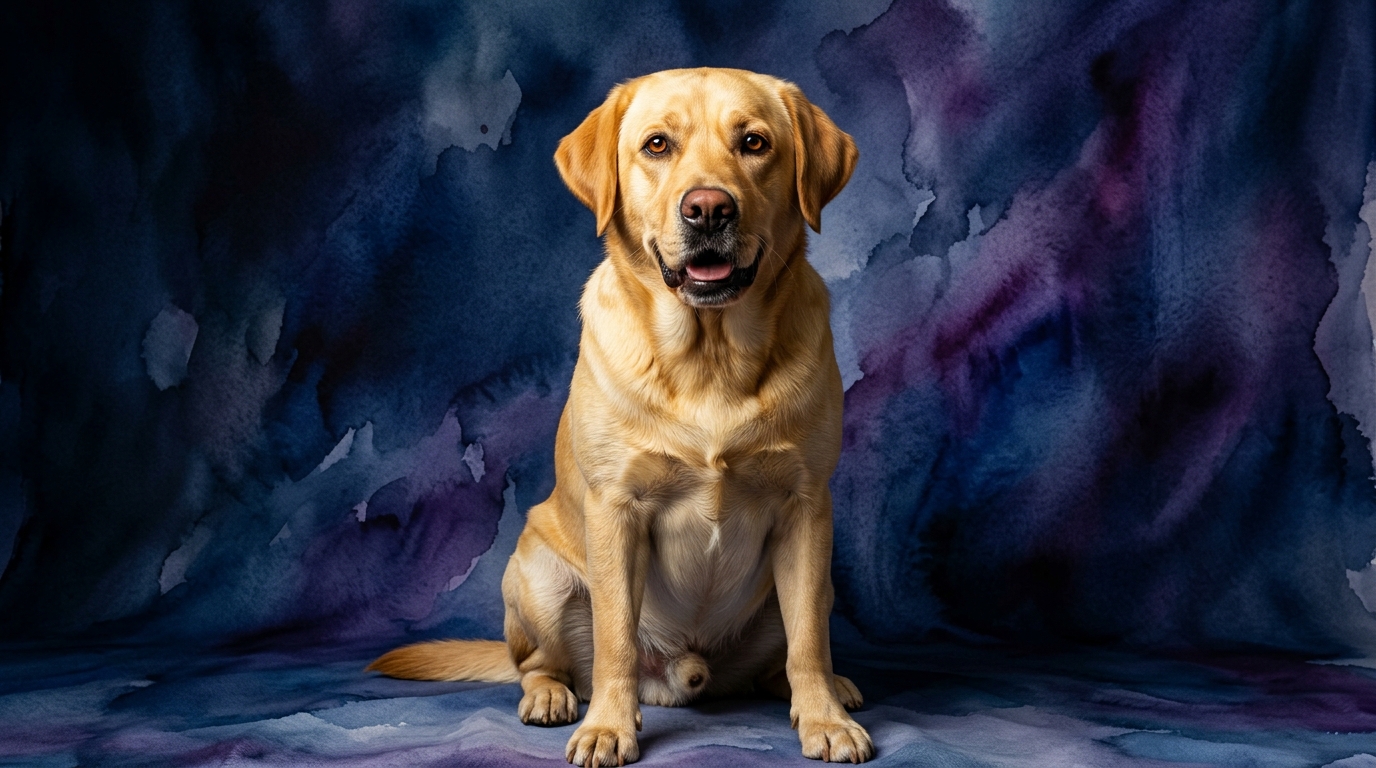
The Labrador Retriever, a Sporting group dog with a Coren rank of #7, presents a cognitive profile indicating a highly adaptable and cooperative mind. They score 4/5 in Problem Solving, adept at practical tasks like retrieving; a perfect 5/5 in Training Speed, reflecting rapid command acquisition; 5/5 in Social Intelligence, showcasing exceptional human-dog communication; 4/5 in Instinctive Drive, particularly for retrieving; and 4/5 in Memory, demonstrating good retention of learned information.
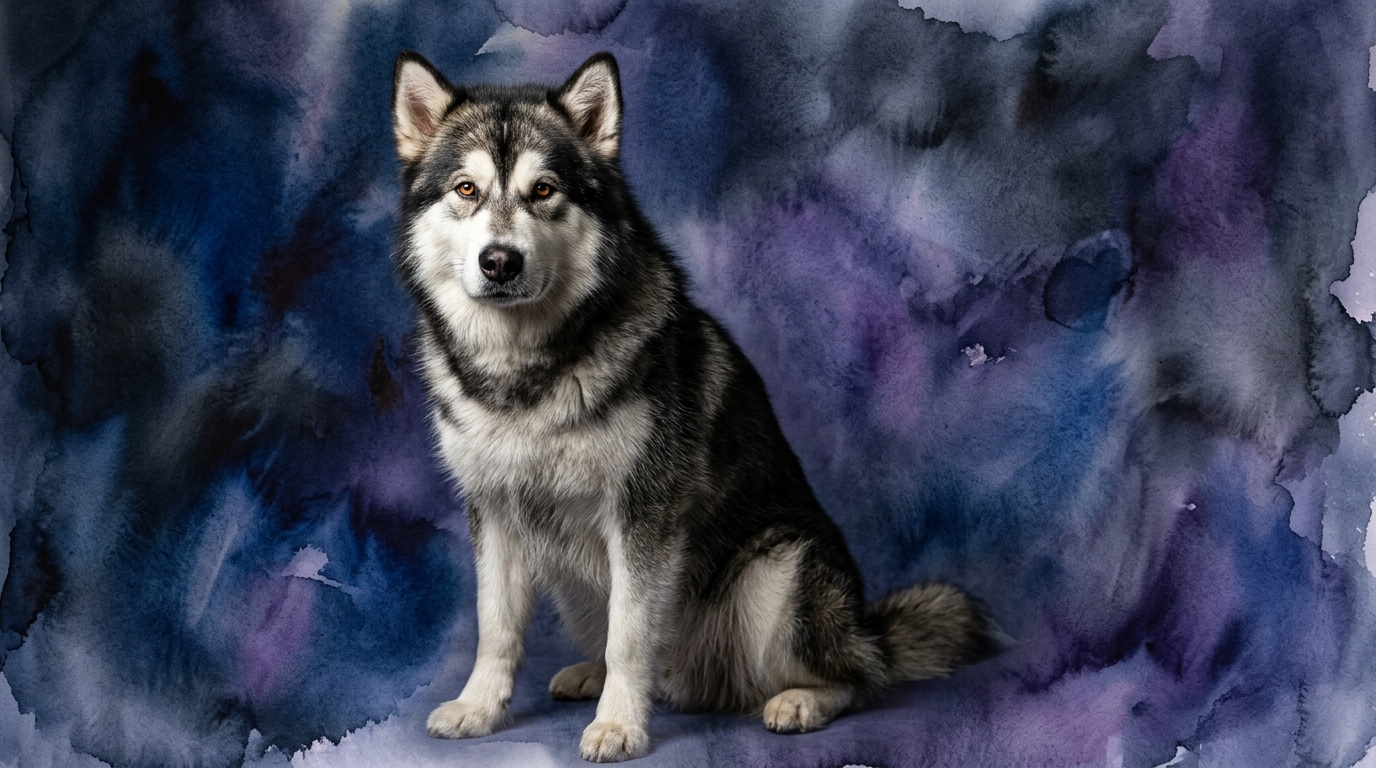
In contrast, the Alaskan Malamute, a Working group dog with a Coren rank of #50, exhibits a different but equally compelling cognitive makeup. Their Problem Solving is also 4/5, but expressed through resourceful, independent thinking; Training Speed is 2/5, indicating a more deliberate learning pace; Social Intelligence is 3/5, often more reserved with strong pack dynamics; Instinctive Drive is a maximum 5/5, reflecting powerful pulling and endurance traits; and Memory is 4/5, particularly strong for spatial awareness and routines.
These Coren ranks, highlighting the Labrador's historical success in obedience trials compared to the Malamute's more independent nature, underscore how “intelligence” can be interpreted differently. While the Labrador's high scores across the board predict a highly compliant and trainable companion, the Malamute's profile points to a robust, self-reliant thinker whose cognitive strengths lie in endurance and problem-solving in challenging environments, not necessarily in eager human-directed tasks.
Where the Labrador Retriever's Mind Excels
The Labrador Retriever truly shines in areas of cooperative learning and social connection, primarily due to their stellar 5/5 ratings in both Training Speed and Social Intelligence. This combination means they not only grasp new commands rapidly but also possess an innate ability to understand and respond to human intentions, making training a highly fluid and rewarding experience. Their eagerness to please acts as a powerful motivator, translating directly into quick adoption of new behaviors and a desire to work alongside their human companions.
Their superior social intelligence allows them to seamlessly integrate into family life, exhibiting a remarkable capacity to read subtle human cues, adapt to varying social situations, and offer comfort or engagement as needed. This profound empathy and responsiveness make them exceptional therapy dogs and family companions, as they intuitively understand their role within the human social structure. They are often the first to greet you at the door, seemingly anticipating your return, and their interactions are characterized by an open, communicative approach.
The Labrador's Problem Solving score of 4/5, combined with their 4/5 Memory and strong Instinctive Drive for retrieving, means they are adept at practical, task-oriented intelligence. They excel at understanding complex sequences required for fetching specific items, navigating obstacles to retrieve a thrown object, or even assisting with household chores. Their memory ensures they recall specific locations of objects or learned routines, making them highly reliable for tasks that require consistency and attention to detail, far beyond simple fetch.
Unpacking the Alaskan Malamute's Cognitive Strengths
The Alaskan Malamute's cognitive profile is defined by an extraordinary 5/5 Instinctive Drive and a significant 4/5 in Problem Solving, reflecting their heritage as powerful, self-sufficient sled dogs. Their drive isn't merely about physical exertion; it's deeply intertwined with an intrinsic motivation to pull, travel long distances, and navigate challenging terrain, making them tireless workers when given a purpose. This drive is a core component of their mental framework, influencing their decisions and interactions.
Their problem-solving abilities are geared towards resourcefulness and independence, often manifesting as strategic thinking in practical, survival-oriented scenarios. A Malamute might figure out how to open a gate, unlatch a crate, or find the most efficient path through a snowy landscape, not necessarily to please a human, but because it serves their own perceived objective or comfort. This self-directed cognitive approach means they are adept at assessing situations and devising solutions that benefit their immediate needs or goals, sometimes to the exasperation of their owners.
The Malamute's 4/5 Memory is particularly strong for spatial recall, routes, and established routines, which was critical for their historical role in guiding sleds across vast, featureless landscapes. While their Social Intelligence at 3/5 suggests they might be less overtly demonstrative than a Lab, they form deep, loyal bonds within their chosen “pack,” exhibiting a quiet devotion and understanding of group dynamics. Their affection is often earned and expressed through shared activities and mutual respect, rather than constant bids for attention.
Training Dynamics: Obedience vs. Independent Thought
The stark contrast in Training Speed (Labrador 5/5 vs. Malamute 2/5) highlights fundamental differences in their approach to learning and cooperation. The Labrador's high social intelligence and inherent desire to work with humans make them exceptionally responsive to traditional obedience training. They quickly associate commands with actions and rewards, making them appear “easy” to train because they actively seek to understand and comply with human directives.
The Alaskan Malamute's slower training speed does not indicate a lack of intelligence, but rather a strong independent streak and a heritage of making their own decisions in challenging environments. They are often less inclined to perform repetitive tasks purely for human approval and may question the utility of a command if it doesn't align with their own instincts or perceived goals. Training a Malamute requires immense patience, creativity, and a deep understanding of their self-sufficient mindset, often feeling more like a negotiation than a command-and-response exercise.
Effective training methods for a Labrador often involve positive reinforcement, clear communication, and consistent repetition, building on their eagerness to please. For a Malamute, engagement and motivation are key; training must be made interesting, purposeful, and often incorporate their natural drives, such as pulling or tracking. Their 4/5 problem-solving can be leveraged by making training a puzzle to solve rather than a rote exercise, encouraging them to think rather than just obey, which can be immensely rewarding for both dog and owner.
Lifestyle Compatibility: Active Engagement vs. Endurance Challenge
For active owners who seek a highly engaged and cooperative companion, the Labrador Retriever is an ideal match. Their balanced instinctive drive (4/5) and exceptional social intelligence (5/5) make them versatile partners for a wide range of activities, from agility and dock diving to hiking and family outings. They thrive on structured interaction and enjoy being an integral part of daily human routines, finding joy in shared tasks and consistent companionship.
The Alaskan Malamute, with its supreme 5/5 instinctive drive for endurance and independent problem-solving (4/5), demands an owner prepared for significant physical and mental investment. These dogs require consistent, vigorous exercise, ideally involving activities that tap into their natural pulling instincts, such as canicross, bikejoring, or long hikes. Owners must be prepared to provide challenges that satisfy their need to “work” and explore, recognizing that a bored Malamute can become a destructive one.
While neither breed is suited for a truly “relaxed” or sedentary owner, the Labrador is far more adaptable to variations in activity levels, as long as their fundamental social and exercise needs are met. A Malamute's immense energy and independent drive cannot be overlooked; failure to provide sufficient outlets will almost certainly lead to behavioral issues and an unhappy dog. Choosing between these two depends on whether an owner seeks a cooperative partner for diverse activities or a powerful, enduring companion for specific, intense endeavors.
The Verdict
Opt for a Labrador Retriever if your lifestyle values a highly cooperative companion eager for structured activities and intuitive social interaction, thriving on a consistent connection with their human family.
Select an Alaskan Malamute if you are an experienced owner seeking a powerful, independent partner for endurance activities and are prepared to engage a resourceful mind that values purpose and self-reliance.
🧠 Find Your Pet's IQ Score
Our Pet IQ Lab assessment covers 25+ tests across 5 cognitive dimensions — personalized to your breed.
Take the Full IQ Test →Frequently Asked Questions
Is a Labrador Retriever or an Alaskan Malamute better for first-time dog owners?
A Labrador Retriever is generally more suitable for first-time owners due to their high trainability and eagerness to please. Alaskan Malamutes require more experience with independent, strong-willed breeds, as their training dynamics are often more complex.
Do Alaskan Malamutes have the same problem-solving abilities as Labrador Retrievers?
Both breeds score 4/5 in problem-solving, but their application differs significantly. Labradors excel at practical, human-directed tasks, while Malamutes demonstrate resourcefulness in navigation and survival, reflecting their working heritage and independent nature.
How does social intelligence impact the bond with these breeds?
Labrador Retrievers (5/5 social intelligence) typically form very open, demonstrative bonds, keenly attuned to human emotions and seeking interaction. Alaskan Malamutes (3/5 social intelligence) form deep, loyal bonds, often expressing affection more subtly and valuing their pack's dynamics and mutual respect.