Side-by-Side Cognitive Profiles: Lab vs. Pyr
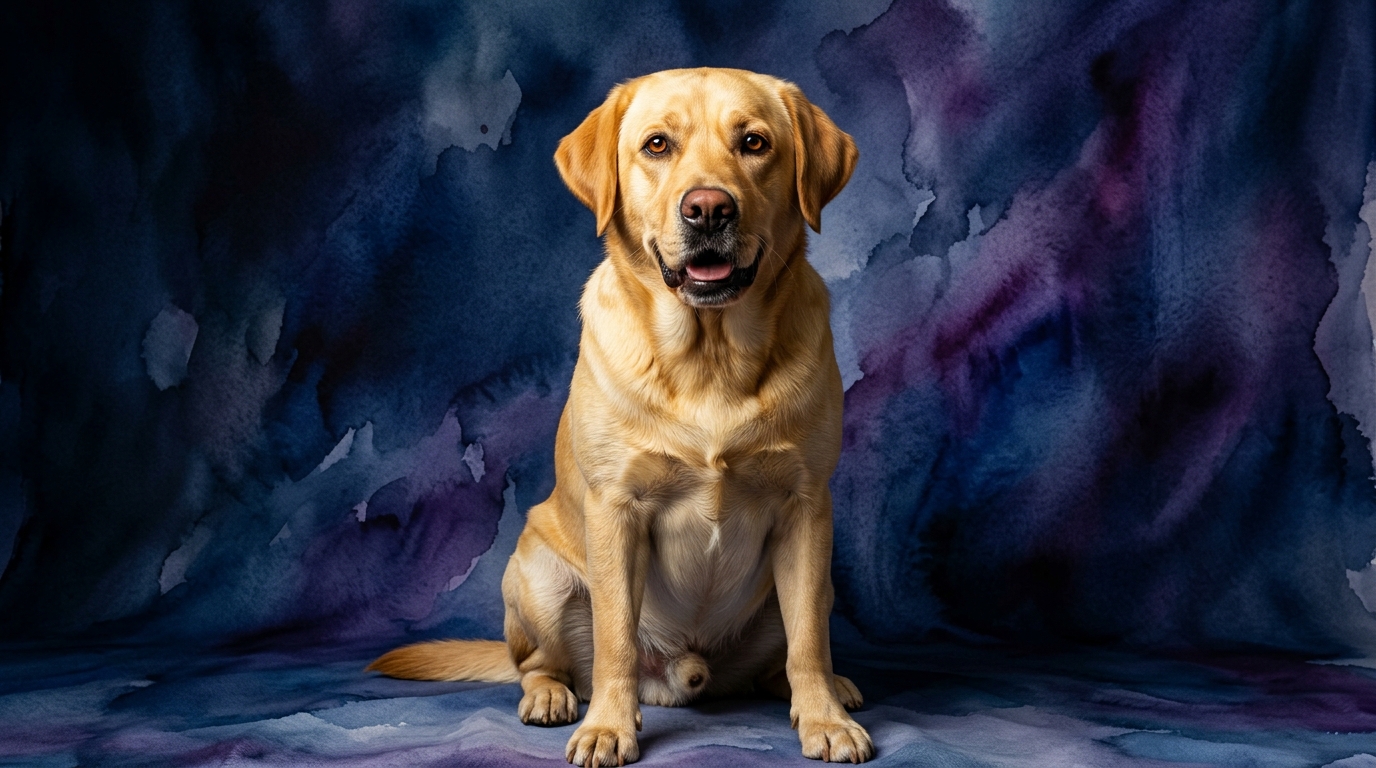
The Cosmic Pet Pet IQ Lab evaluates canine intelligence across five key dimensions, offering a nuanced view beyond simple obedience. For the Labrador Retriever, a Sporting group dog ranked #7 by Coren, its profile highlights a breed built for partnership. Its Problem Solving is rated 4/5, indicating an aptitude for understanding complex tasks and adapting strategies within human-defined parameters. Training Speed hits a perfect 5/5, reflecting an eagerness and capacity to quickly grasp and execute new commands. Social Intelligence also scores 5/5, showcasing a profound understanding of human cues and a strong desire for cooperative interaction. Instinctive Drive, at 4/5, points to a robust retrieving and working ethic, while Memory, also 4/5, underpins its consistent performance and recall.
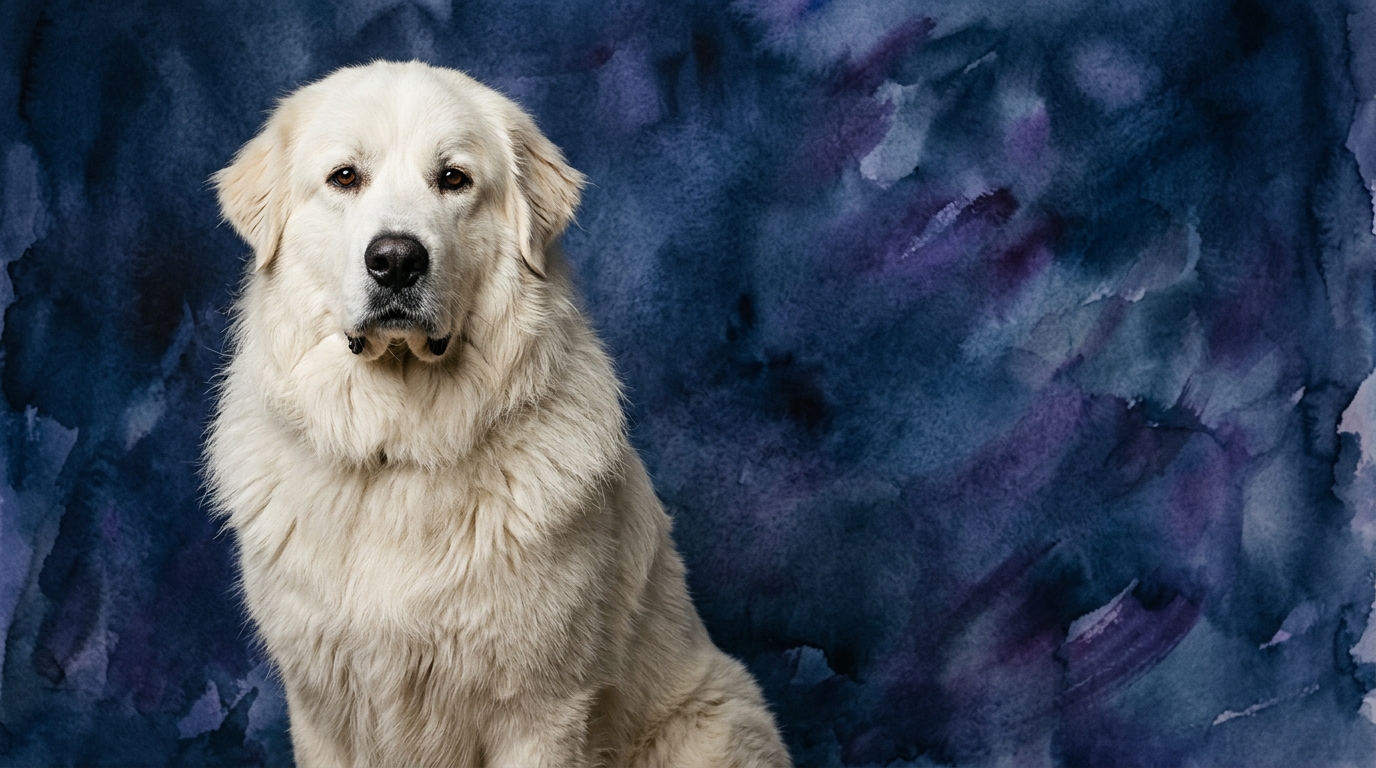
In contrast, the Great Pyrenees, a Working group dog with a Coren rank of #64, presents a distinct cognitive blueprint tailored for independent guardianship. Its Problem Solving is rated 3/5, demonstrating an ability to assess environmental situations and make autonomous decisions, often without direct human instruction, particularly concerning perceived threats. Training Speed registers 3/5, suggesting that while capable of learning, their inherent independence means a slower, more deliberate process compared to highly biddable breeds. Social Intelligence is 3/5, reflecting strong bonds with their immediate 'flock' but a more reserved, watchful demeanor towards strangers and a less overtly cooperative interaction style. Instinctive Drive, at 3/5, is powerfully oriented towards protection and territorial vigilance. Memory, also 3/5, supports their recall of established routines, territory, and potential dangers.
Where the Labrador Retriever Excels Cognitively
The Labrador Retriever's cognitive strengths shine brightest in scenarios demanding active cooperation and rapid response to human direction. Their 5/5 Training Speed isn't just about learning quickly; it reflects an intrinsic motivation to engage with their human companions, making them exceptionally receptive to instruction. This is amplified by their 5/5 Social Intelligence, which allows them to keenly interpret human body language, vocal tones, and even subtle emotional states, fostering an intuitive partnership. A Labrador's problem-solving, rated 4/5, frequently manifests in their ability to understand multi-step commands or to creatively overcome obstacles to achieve a human-directed goal, whether retrieving a specific item or navigating an agility course. Their 4/5 Memory ensures that once a lesson is learned or a routine established, it is retained with remarkable consistency, making them reliable partners in various activities and tasks.
Where the Great Pyrenees Excels Cognitively
The Great Pyrenees' cognitive prowess is uniquely adapted for self-sufficient protection, a stark contrast to the Labrador's cooperative nature. Their 3/5 Problem Solving score, while numerically lower, represents a different kind of cognitive strength: autonomous decision-making in complex, unpredictable environments. A Great Pyrenees excels at independently assessing threats, evaluating situations, and responding appropriately without constant human intervention, a critical trait for a livestock guardian. This isn't about solving puzzles for human approval, but about making judgments vital for the safety of their charge. Their 3/5 Social Intelligence, while appearing lower, signifies a deep, watchful bond with their 'flock' and an acute awareness of their surroundings. Their 3/5 Instinctive Drive is a powerful, intrinsic force for protection, meaning they are driven to patrol, observe, and deter, relying on their own judgment and memory (3/5) to recall territorial boundaries and perceived threats over time.
Training Dynamics: Compliance vs. Independence
When it comes to training, the core behavioral differences between these breeds become profoundly clear. Labrador Retrievers are generally considered much easier to train due to their high Training Speed (5/5) and exceptional Social Intelligence (5/5). They possess an innate desire to please their human companions and are highly motivated by praise, play, and food rewards. Training a Lab often feels like a collaborative effort; they actively seek to understand what is asked of them and delight in mastering new skills. Their biddable nature means they thrive on structure and enjoy the mental engagement that training provides, readily integrating new commands into their behavioral repertoire.
Conversely, training a Great Pyrenees presents a different set of challenges, largely stemming from their independent nature and lower Training Speed (3/5). A Pyrenees was bred to think for itself while guarding livestock, often miles from human oversight. This means they will often weigh a command against their own assessment of the situation or their inherent protective instincts. They are not 'stubborn' in a malicious sense, but rather self-reliant. Effective training requires immense patience, consistency, and a deep understanding of their guardian mindset. Commands are best learned when they align with the dog's perceived duties or make logical sense from their perspective, rather than simply for human compliance. They learn, but often at their own pace and with a different motivational drive.
Matching Canine Companions to Lifestyles
The distinct cognitive profiles of the Labrador Retriever and Great Pyrenees mean they are suited for vastly different owner lifestyles. The Labrador Retriever is an ideal match for active, engaged owners who seek a participatory companion. Their high energy, social intelligence, and eagerness to learn make them excellent partners for outdoor adventures, dog sports like agility, obedience, or retrieving, and consistent daily walks or runs. They thrive on mental and physical engagement, requiring owners who are prepared to provide structured activity and integrate their dog into many aspects of family life. An owner who values a dog that is always ready for interaction and cooperative tasks will find a Lab immensely rewarding.
The Great Pyrenees, on the other hand, suits owners who appreciate a calmer, more independent presence and understand the unique demands of a guardian breed. While they need space to patrol and moderate exercise, they are not typically demanding in terms of constant, high-intensity activity in the same way a Lab is. They are better suited for owners who can provide a secure, spacious environment (often with a securely fenced yard), and who are content with a less overtly interactive companion, recognizing that their 'work' is often subtle vigilance and watchful presence. Owners who value an autonomous, protective companion that makes its own judgments will find a Pyrenees a fulfilling, if sometimes challenging, addition to their home.
The Verdict: Choosing Your Canine Cognitive Partner
The Verdict
Choose a Labrador Retriever if you desire a highly cooperative, biddable, and socially attuned partner eager for shared activities and rapid learning. They thrive with owners who provide consistent engagement and structured mental and physical stimulation.
Opt for a Great Pyrenees if you value an independent, watchful guardian with a calm demeanor, understanding their need for autonomy and a less overtly compliant nature. They suit owners who appreciate their self-reliant problem-solving and can provide a secure, spacious environment.
🧠 Find Your Pet's IQ Score
Our Pet IQ Lab assessment covers 25+ tests across 5 cognitive dimensions — personalized to your breed.
Take the Full IQ Test →Frequently Asked Questions
Are Great Pyrenees difficult to train?
Great Pyrenees are not inherently untrainable, but their independent nature means they require a different approach than highly biddable breeds. Training demands immense patience, consistency, and an understanding that they will often prioritize their own judgment over immediate compliance.
Do Labradors need a lot of mental stimulation?
Yes, Labrador Retrievers absolutely thrive on mental stimulation. Their high social intelligence and problem-solving abilities mean they need consistent engagement through training, puzzle toys, and interactive games to prevent boredom and maintain their well-being.
What are the key differences in their problem-solving?
Labradors excel at problem-solving within human-directed tasks, quickly learning and adapting to achieve a shared goal. Great Pyrenees, conversely, demonstrate problem-solving through independent situational assessment and autonomous decision-making, particularly in guarding and threat evaluation, without needing human instruction.