Side-by-Side Cognitive Profiles
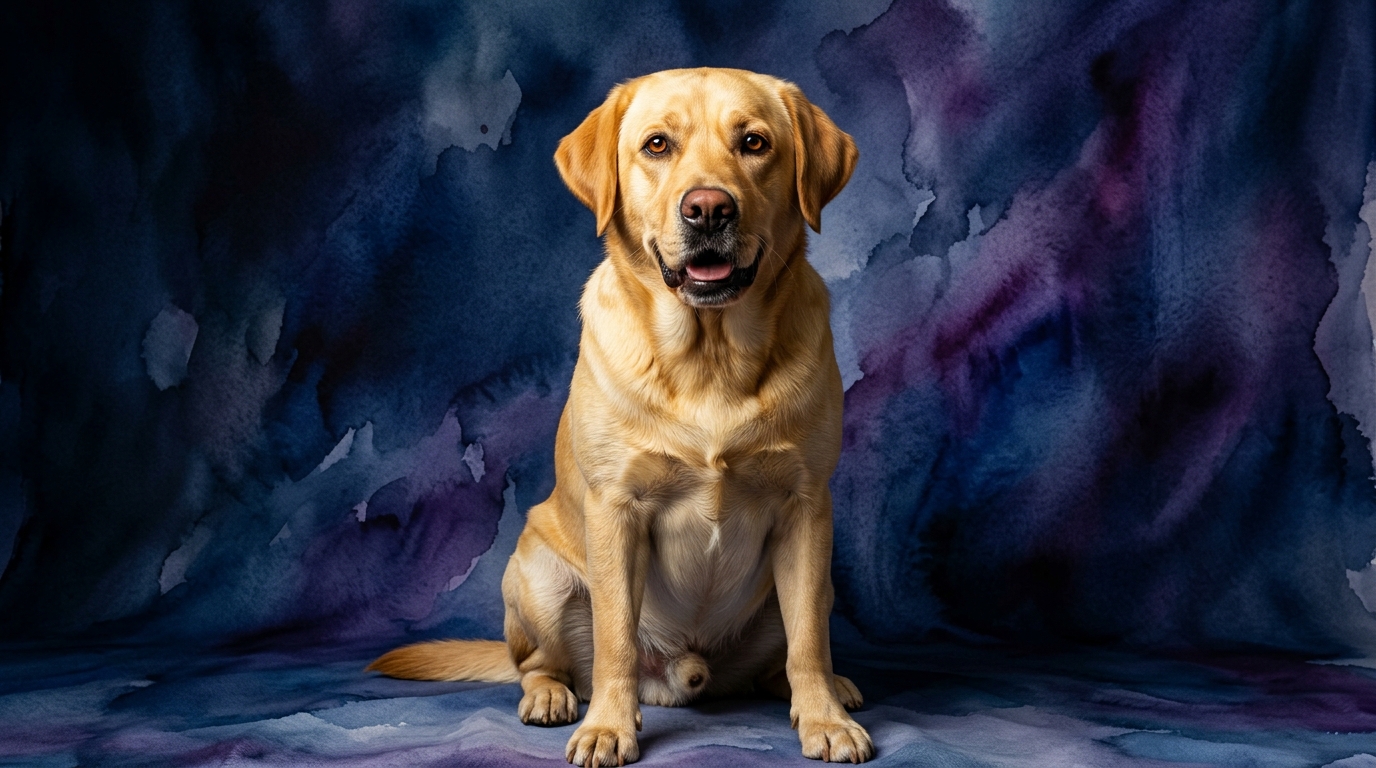
The Cosmic Pet Pet IQ Lab assesses canine intelligence across five key dimensions, offering a nuanced view beyond simple obedience. For the Labrador Retriever, ranked #7 by Coren for working and obedience intelligence, their profile reflects a breed built for partnership: problem Solving 4/5, training Speed 5/5, social Intelligence 5/5, instinctive Drive 4/5, and memory 4/5. This combination indicates a highly responsive and adaptable companion.
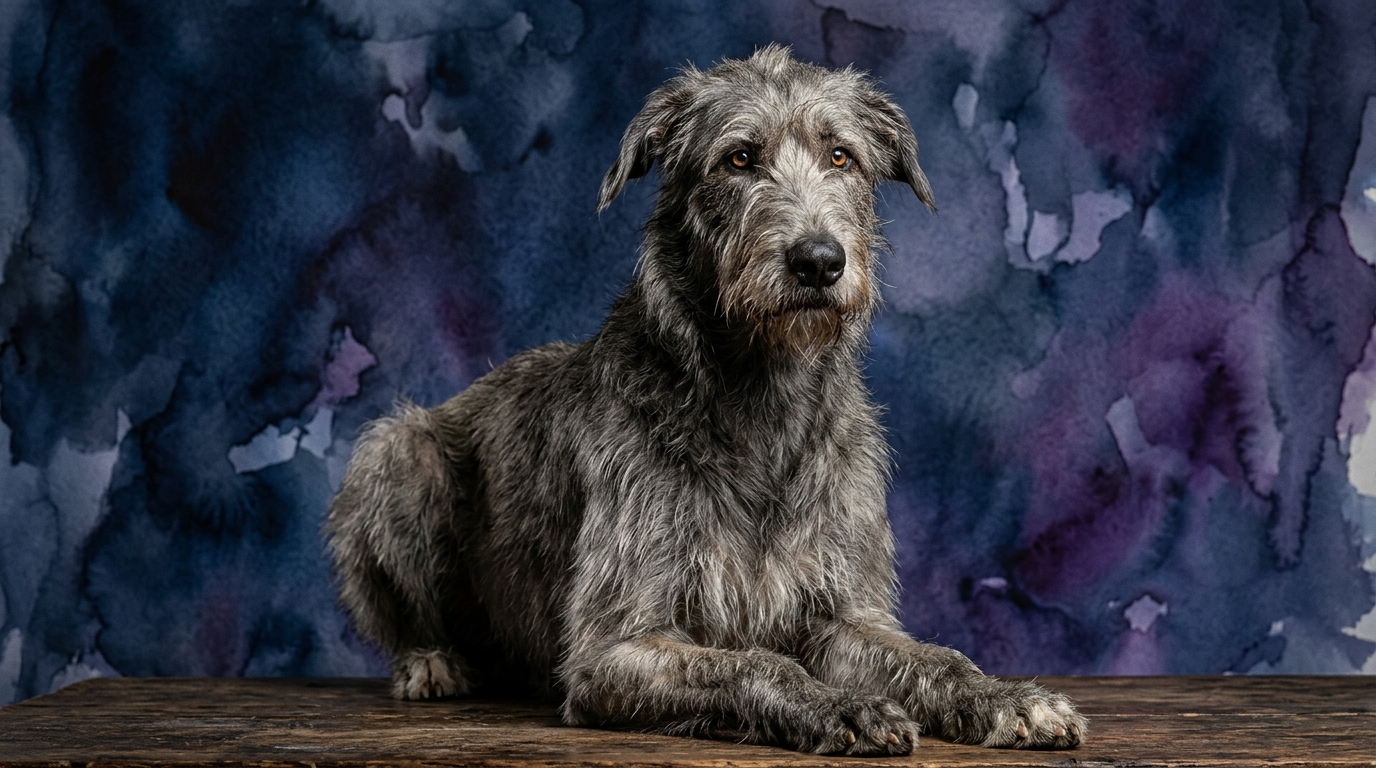
In contrast, the Irish Wolfhound, a dignified Hound breed not specifically Coren-ranked, exhibits a different set of cognitive priorities: problem Solving 3/5, training Speed 3/5, social Intelligence 3/5, instinctive Drive 3/5, and memory 3/5. Their scores suggest a more independent and thoughtful approach to their environment and interactions, reflecting their heritage as a sighthound.
Where the Labrador Retriever Excels Cognitively
The Labrador Retriever's cognitive profile shines in areas demanding active engagement and collaborative problem-solving. Their superior training speed (5/5) means they grasp new commands with remarkable swiftness, often requiring fewer repetitions than many other breeds, which is a significant advantage in obedience and task training. This quick uptake, combined with a strong social intelligence (5/5), allows them to excel in complex obedience and specialized tasks where understanding human intent and responding appropriately is paramount. For instance, a Labrador might quickly learn a multi-step retrieve task, such as identifying a specific scent, locating the corresponding object in another room, and bringing it back, demonstrating both their robust memory (4/5) and practical problem-solving skills (4/5) in a directed, purposeful manner. Their cognitive strengths are deeply intertwined with their desire to partner with humans, making them highly effective and adaptable companions in roles ranging from assistance work to competitive dog sports.
Where the Irish Wolfhound's Cognition Stands Out
While not excelling in collaborative, human-directed tasks like the Labrador, the Irish Wolfhound possesses a distinct cognitive strength rooted in their historical purpose as sighthounds: independent observation and discerning judgment. Their instinctive drive (3/5), though not as overtly collaborative, is finely tuned for assessing situations autonomously, often over vast distances, which translates into a thoughtful, often independent problem-solving (3/5) approach. They might assess a novel situation from a calm distance, processing information before acting, rather than impulsively engaging or immediately seeking human direction. Their social intelligence (3/5) allows for deep, nuanced bonds with their chosen family, demonstrating a subtle yet profound understanding of their human's emotional state within their trusted circle, even if they aren't outwardly demonstrative with strangers. This capacity for independent processing allows them to make considered decisions without constant human oversight, a crucial trait for their original role which required them to operate with significant autonomy.
Training Aptitude: Ease and Approach
The Labrador Retriever is generally considered easier to train due to their exceptional training speed (5/5) and high social intelligence (5/5). They possess an inherent eagerness to please and a strong desire to work alongside their human, making them highly receptive to instruction. A Labrador will often actively offer behaviors to see what earns a reward, quickly connecting actions with positive outcomes. Their strong instinctive drive (4/5) for retrieving, water work, and cooperation further fuels their motivation during training sessions, making them enthusiastic and consistent participants.
In contrast, the Irish Wolfhound's training speed (3/5) is more moderate, and their instinctive drive (3/5) leans towards independent action and observation rather than eager collaboration. While they are certainly capable of learning and retaining commands, their independent nature means they may require more patience, consistency, and positive reinforcement to solidify new behaviors. Trainers often find it necessary to make tasks intrinsically rewarding for an Irish Wolfhound, or to clearly demonstrate the 'why' behind a command, before they fully commit to consistent execution. They are not as prone to offering behaviors or seeking constant approval during training, which can present a different challenge for a novice trainer accustomed to more biddable breeds.
Matching Breeds to Owner Lifestyles
The Labrador Retriever, with its robust instinctive drive (4/5) for activity and problem-solving aptitude (4/5) geared towards purposeful engagement, is an excellent match for active owners. They truly thrive on having a 'job,' whether that involves retrieving during a game of fetch, participating in dog sports like agility or dock diving, or accompanying their owners on long hikes and runs. Their high social intelligence (5/5) means they enjoy being an integral part of family activities and appreciate consistent interaction and mental stimulation. A Labrador will actively seek engagement and can become restless or even destructive without sufficient mental and physical outlets.
Conversely, the Irish Wolfhound, despite its imposing size, often suits more relaxed owners. While they need regular, moderate exercise to maintain health, their independent nature and moderate instinctive drive (3/5) mean they are content with significant periods of quiet observation and lounging, often earning them the moniker 'gentle giants.' They appreciate calm companionship and a predictable routine, rather than constant, high-energy demands. Their social intelligence (3/5) focuses on building deep, discerning bonds within a smaller, trusted circle, making them less demanding of broad social interaction and more content with serene family time.
The Verdict
Opt for a Labrador Retriever if you seek an engaged, eager-to-please companion who thrives on collaborative tasks, consistent training, and being an active participant in your daily life and adventures. Their quick learning and strong desire to work alongside you make them ideal for various roles, from family pet to working dog.
Select an Irish Wolfhound if you appreciate a calm, independent companion with a thoughtful demeanor, valuing deep, quiet companionship over constant activity, and are prepared for patient, consistent training that respects their sighthound heritage. Their serene presence enriches a more relaxed home environment.
🧠 Find Your Pet's IQ Score
Our Pet IQ Lab assessment covers 25+ tests across 5 cognitive dimensions — personalized to your breed.
Take the Full IQ Test →Frequently Asked Questions
Do Irish Wolfhounds need extensive training?
Irish Wolfhounds benefit greatly from consistent, positive reinforcement training starting early, though their independent nature means it might take more patience than with a Labrador. Focus on clear communication and making training enjoyable to harness their cooperation.
Are Labradors good for first-time dog owners?
Yes, Labrador Retrievers are often an excellent choice for first-time dog owners due to their high trainability, social intelligence, and eagerness to please, provided owners are prepared for their energy levels and need for engagement. Their responsiveness makes the learning process smoother.
How do their social needs differ?
Labradors possess a broad social intelligence, thriving on interaction with a wide range of people and animals, often seeking out engagement. Irish Wolfhounds, while deeply loyal to their family, are typically more reserved with strangers and content with a smaller, trusted social circle, valuing calm companionship.