Side-by-Side IQ Profile
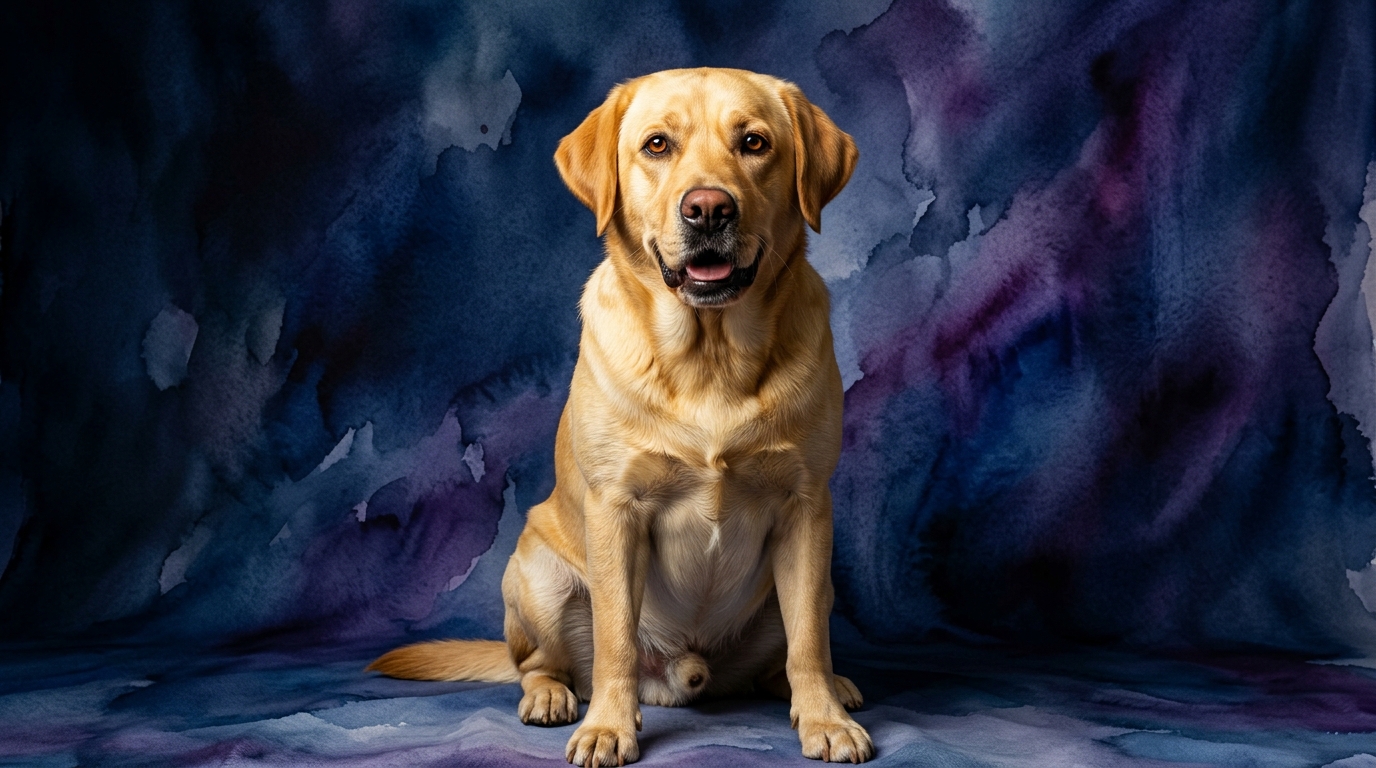
**Labrador Retriever**: This Sporting breed, ranked #7 by Coren, demonstrates a strong cognitive profile. Their Problem Solving is rated 4/5, indicating an adeptness at navigating complex situations and learning multi-step tasks. Training Speed at 5/5 signifies an exceptional ability to quickly grasp and retain new commands, often requiring fewer repetitions than many other breeds. Social Intelligence, also 5/5, highlights their profound capacity for understanding human cues, forming strong bonds, and thriving in collaborative environments. An Instinctive Drive of 4/5 points to a pronounced natural inclination for tasks like retrieving, scent work, and other purpose-driven activities. Finally, their Memory at 4/5 suggests a reliable retention of learned behaviors and experiences over time.
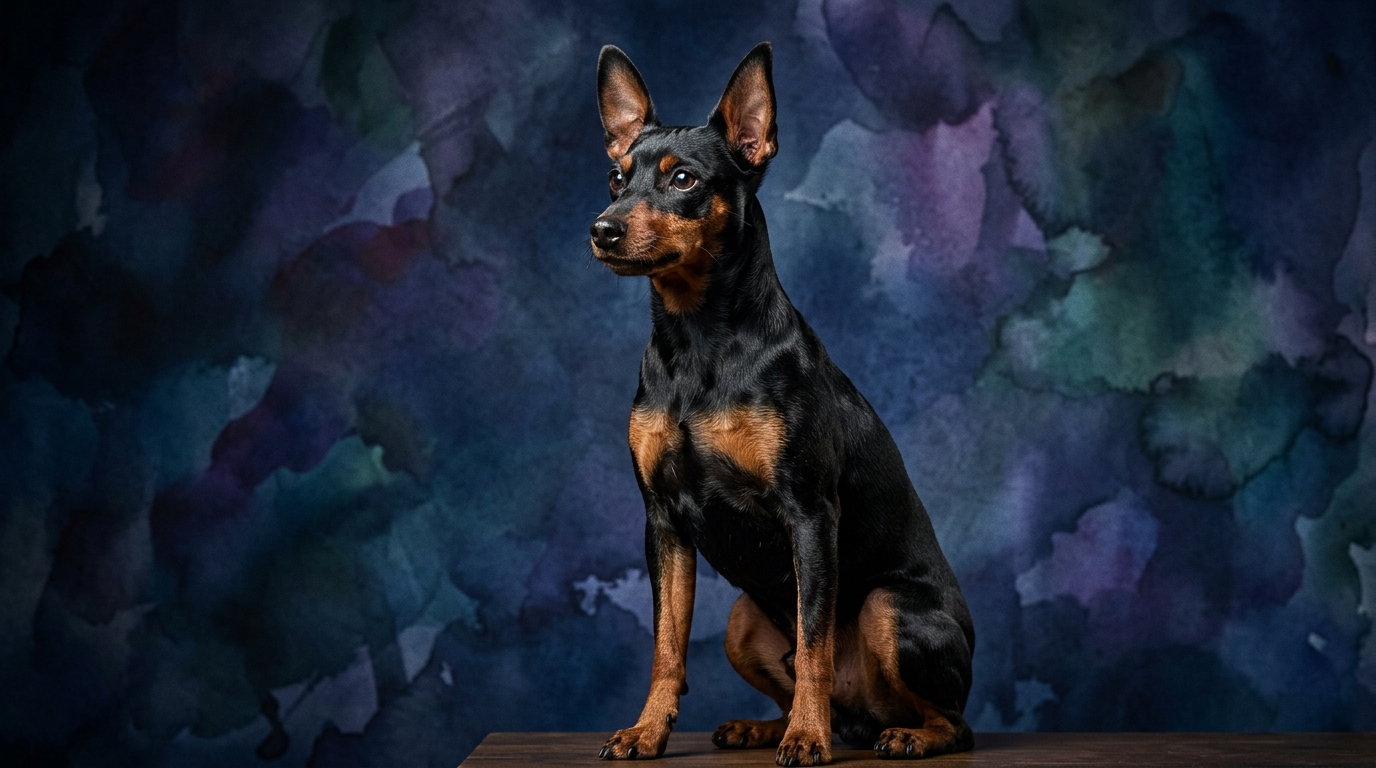
**Miniature Pinscher**: The Miniature Pinscher, a lively Toy breed not specifically ranked by Coren, presents a different cognitive landscape. Across all five dimensions – Problem Solving, Training Speed, Social Intelligence, Instinctive Drive, and Memory – they consistently score 3/5. Their Problem Solving at 3/5 suggests they can figure things out but might take more time or rely on trial and error. A Training Speed of 3/5 means they are trainable, but owners should expect to invest more patience and repetition. Social Intelligence at 3/5 points to a more selective social approach, often forming deep bonds with primary caregivers but potentially being warier of strangers. Their Instinctive Drive at 3/5 might manifest as an alert, independent nature rather than a strong desire for human-directed tasks. Memory at 3/5 implies they retain information, but consistent reinforcement helps ensure long-term recall.
Where Labrador Retriever Wins Cognitively
The Labrador Retriever excels in areas demanding cooperative intellect and consistent application of learned skills. Their 5/5 Training Speed means they absorb new commands with remarkable efficiency, making them highly responsive partners for complex obedience routines, assistance work, or competitive dog sports. This rapid learning, combined with their 5/5 Social Intelligence, allows them to interpret human intentions and body language with precision, fostering a deep, almost intuitive working relationship. A Lab can quickly learn intricate scent discrimination tasks or adapt to new environments, leveraging their strong social connection to their handler.
Furthermore, the Labrador’s 4/5 Problem Solving and 4/5 Instinctive Drive synergize to make them exceptional at purpose-driven activities. They actively engage their minds to achieve a goal, whether retrieving a specific item or tracking a scent trail, rather than just following commands. Their memory further supports this, enabling them to recall complex sequences of actions and apply past experiences to new challenges, making them reliable performers even under varying conditions. This combination of biddability, problem-solving, and reliable memory makes them adaptable and persistent in mastering tasks that serve a human objective.
Where Miniature Pinscher Wins Cognitively
While the Miniature Pinscher’s scores are generally lower, their unique cognitive makeup lends itself to distinct advantages, particularly in independent thought and environmental awareness. Their 3/5 Problem Solving often manifests as cleverness in navigating their immediate surroundings, finding ingenious ways to access desired objects, or observing patterns. This can be seen in their ability to 'figure out' how to open latches or squeeze into tight spaces, demonstrating a persistent and often creative approach to their self-directed goals. Their independent nature means they aren't always waiting for human instruction to engage their intellect.
The Min Pin's 3/5 Instinctive Drive, rather than being focused on collaborative tasks, often translates into a keen alertness and a strong sense of territoriality, making them excellent, albeit sometimes vocal, watchdogs. They constantly process sensory information from their surroundings. Their social intelligence, while 3/5, often means they form incredibly strong, focused bonds with their chosen few, demonstrating a deep, personal understanding of their primary caregivers' routines and moods. This selective social intelligence allows them to be highly attuned to subtle changes within their family unit, acting as sensitive barometers of their human companions' emotional states.
Which is Easier to Train and Why
Without question, the Labrador Retriever is generally easier to train due to its superior cognitive scores, particularly in Training Speed and Social Intelligence. A Labrador's 5/5 Training Speed means they absorb new commands quickly and require fewer repetitions to solidify a behavior, making the training process efficient and rewarding. Their 5/5 Social Intelligence fosters a strong desire to please and cooperate, meaning they are inherently motivated by human interaction and praise, which acts as a powerful reinforcement tool. They actively seek to understand and comply with human directives, making them highly responsive to positive reinforcement methods.
In contrast, the Miniature Pinscher, with its 3/5 scores in Training Speed and Social Intelligence, presents a more significant training challenge. While certainly trainable, they often require greater patience, consistency, and creative motivation from their owners. Their independent nature means they may not always be as eager to please or as quick to grasp commands, sometimes preferring to follow their own instincts rather than human direction. Owners must find what truly motivates a Min Pin to overcome their inherent self-reliance, requiring a deeper understanding of their individual personality and a willingness to adapt training methods to suit their spirited temperament.
Which Suits Active Owners vs Relaxed Owners
The Labrador Retriever is an ideal match for active owners who seek a dedicated partner for a variety of pursuits. Their 4/5 Instinctive Drive for purposeful activity, combined with their cooperative nature and robust physical capabilities, makes them excellent companions for hiking, running, swimming, or participating in dog sports. Owners who enjoy training and want a dog that thrives on having a 'job' will find a Labrador incredibly fulfilling. Their strong social intelligence also means they integrate well into busy family lives, enjoying interaction and shared activities. They require consistent physical and mental engagement to prevent boredom and channel their energy constructively.
The Miniature Pinscher, while possessing energy, is generally better suited for owners who appreciate a spirited companion but might have a more relaxed overall lifestyle, or those who prefer concentrated bursts of activity. Their independent spirit means they can entertain themselves for periods, though they still benefit from regular walks and engaging play sessions. They are excellent for owners who enjoy a dog with a bold personality and appreciate their alert nature as a home guardian. While active, their exercise needs are typically met with shorter, brisk walks and indoor play, making them adaptable to smaller living spaces. Owners who understand and respect a Min Pin's independent streak will find them rewarding companions.
The Verdict
For owners seeking a highly biddable, cooperative, and versatile partner eager for complex tasks and consistent activity, the Labrador Retriever is an outstanding choice.
Conversely, if you appreciate a spirited, alert, and independent companion who thrives on focused attention and consistent, patient training, the Miniature Pinscher will bring a unique charm to your home.
🧠 Find Your Pet's IQ Score
Our Pet IQ Lab assessment covers 25+ tests across 5 cognitive dimensions — personalized to your breed.
Take the Full IQ Test →Frequently Asked Questions
Are Miniature Pinschers difficult to train for basic obedience?
Miniature Pinschers are trainable, but their 3/5 Training Speed and Social Intelligence mean they require more patience, consistency, and motivation than a Labrador. Owners should use positive reinforcement and make training engaging to overcome their independent streak.
How does the Labrador Retriever's social intelligence benefit a family?
A Labrador Retriever's 5/5 Social Intelligence makes them exceptionally adept at understanding human cues and forming strong bonds with all family members, leading to harmonious integration and cooperative behavior. They thrive on interaction and are generally very tolerant and communicative with children and other pets.
Can a Miniature Pinscher perform complex tasks despite lower problem-solving scores?
While their 3/5 Problem Solving means they might not excel at abstract, multi-step tasks as readily as a Labrador, Miniature Pinschers can learn complex tricks and solve practical problems through persistence and observation. Their cleverness often manifests in independent solutions within their environment.