Side-by-Side IQ Profile: Labrador Retriever vs. Norwegian Lundehund
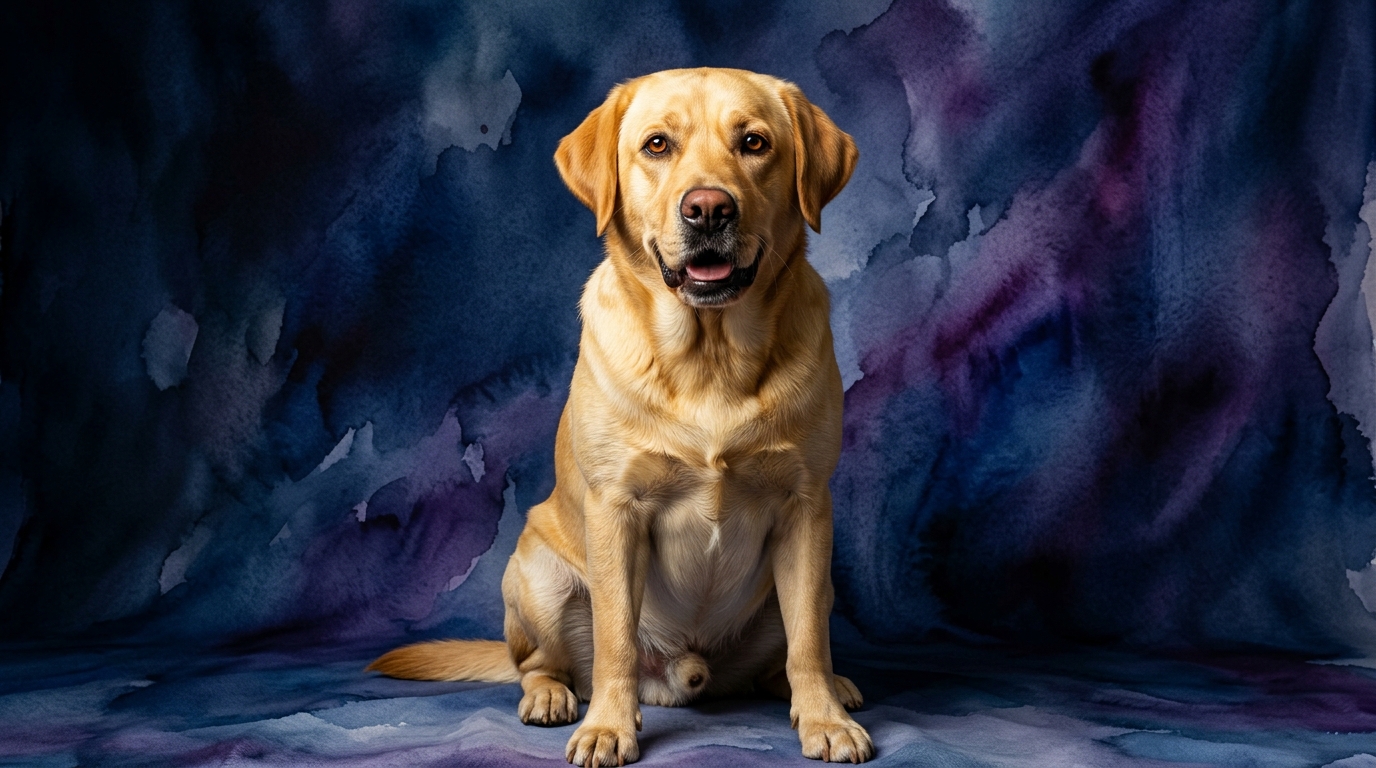
The Labrador Retriever, a breed steeped in history as a working companion, exhibits a robust cognitive profile. Our Pet IQ Lab scores show an impressive 4/5 in problem-solving, reflecting their capacity to navigate complex tasks and learn new commands efficiently. Their training speed is rated an outstanding 5/5, indicating an eagerness to absorb instruction and a strong desire to cooperate. Social intelligence also scores a perfect 5/5, underscoring their remarkable ability to understand human cues and integrate seamlessly into family dynamics. An instinctive drive of 4/5 highlights their inherent motivation for tasks like retrieving, while their memory, at 4/5, supports their consistent performance in learned behaviors and recall. This consistent high performance aligns with their Coren rank of #7, placing them among breeds that respond quickly to commands.
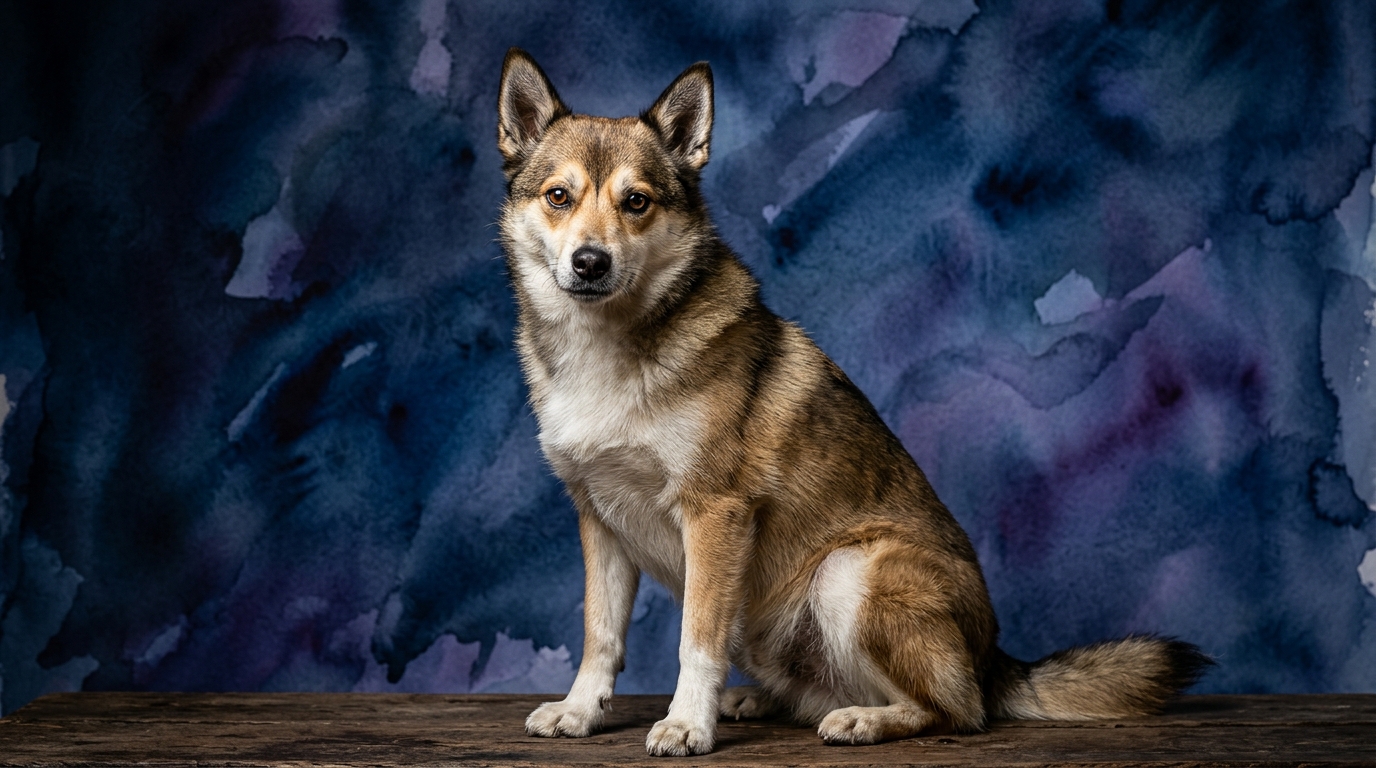
In contrast, the Norwegian Lundehund, a rare breed with specialized physical adaptations for puffin hunting, presents a distinct cognitive makeup. Their problem-solving ability is rated 3/5, suggesting they can tackle challenges but might approach them with a more independent or physically oriented strategy rather than human-directed logic. Training speed is also a moderate 3/5, indicating they can learn, but often require more patience and varied methods due to their independent nature. Their social intelligence, at 3/5, points to a capacity for connection, yet they may not possess the same inherent drive for constant human interaction as some other breeds. An instinctive drive of 3/5 reflects their unique hunting heritage, which is less about broad cooperation and more about specialized, agile pursuit. Finally, their memory also scores 3/5, suggesting a solid but not exceptional capacity for retaining information over time, often tied to their practical, independent tasks.
Where the Labrador Retriever Excels Cognitively
The Labrador Retriever's cognitive strengths are deeply rooted in its heritage as a water retriever and companion. Their 4/5 problem-solving score is evident in their adeptness at tasks requiring sequential actions, such as navigating an agility course or following a multi-step scent trail to locate a hidden object. This isn't just about raw processing power; it's about their inherent motivation to work alongside humans to achieve a goal. Their 5/5 training speed is a testament to their exceptional focus and desire to please, allowing them to grasp new commands and complex routines with remarkable alacrity. This makes them highly adaptable to various roles, from service work to competitive obedience, where quick learning is paramount.
Furthermore, the Labrador's 5/5 social intelligence allows them to read and respond to human emotions and intentions with uncanny accuracy, fostering a profound bond that enhances their trainability and cooperative spirit. They excel in situations requiring empathy and understanding, making them outstanding therapy or emotional support animals. Their 4/5 instinctive drive, particularly for retrieving, provides a powerful internal motivator that can be channeled into structured training, making 'fetch' not just a game but a foundational lesson in focus and delivery. This combination of social acuity, rapid learning, and strong working drive positions the Labrador as a cognitive powerhouse in human-canine partnerships.
Where the Norwegian Lundehund Shows Unique Cognitive Strengths
While the Norwegian Lundehund's scores are more moderate in conventional metrics, their cognitive profile is uniquely adapted to their historical role, which demands a different kind of ingenuity. Their 3/5 problem-solving isn't about human-directed tasks, but rather about navigating the challenging, rocky terrains of their native Norway to hunt puffins. This involves exceptional physical dexterity and spatial reasoning—contorting their bodies, climbing cliffs, and squeezing into tight crevices. Their intelligence manifests as an independent, self-reliant problem-solving capability, where they must figure things out for themselves without constant human guidance.
The Lundehund's 3/5 social intelligence, while not as outwardly demonstrative as a Labrador's, means they possess a quieter, more discerning bond. They are not necessarily aloof, but rather selective in their interactions, valuing independence. This can be a strength for owners who appreciate a dog with a strong sense of self and less need for constant reassurance or validation. Their 3/5 instinctive drive is highly specialized, focused on exploration and agility, which translates into a dog that enjoys investigating its environment and engaging in activities that challenge its unique physical attributes, such as climbing or navigating obstacle courses, often with a playful, determined spirit.
Ease of Training: Labrador Retriever vs. Norwegian Lundehund
When it comes to ease of training, the Labrador Retriever generally presents a much smoother experience for most owners. Their exceptional 5/5 training speed, coupled with their 5/5 social intelligence, means they are highly receptive to commands, eager to please, and quick to form associations between actions and rewards. Labradors thrive on positive reinforcement and consistent guidance, often excelling in obedience and complex task learning due to their inherent desire to work cooperatively with their human partners. Their strong retrieving drive also provides a natural starting point for many training exercises, making engagement straightforward.
The Norwegian Lundehund, with its 3/5 training speed and 3/5 social intelligence, requires a different approach. They possess an independent streak and a history of working solo, which means they are less inclined to blindly follow commands. Training a Lundehund often demands more patience, creativity, and a deep understanding of their unique motivations. They respond best to positive reinforcement methods that engage their curiosity and physical agility, rather than rote drills. Owners must recognize that a Lundehund's 'stubbornness' is often a manifestation of their independent problem-solving nature, requiring a trainer to earn their cooperation through trust and engaging challenges.
Which Suits Active Owners vs. Relaxed Owners
The Labrador Retriever, with its high instinctive drive (4/5) and boundless energy, is an ideal match for active owners who desire a partner in their adventures. These dogs thrive on consistent physical exercise—daily walks, runs, swimming, or vigorous games of fetch—and significant mental stimulation through training, puzzle toys, or dog sports. They are best suited for individuals or families who can dedicate ample time to their dog's physical and cognitive needs, enjoying shared activities and a strong, interactive bond. A Labrador's need for engagement means they are not content to be solely backyard dogs; they need to be an integrated part of an active lifestyle.
The Norwegian Lundehund also requires activity, but perhaps of a different nature. While agile and energetic, their independence means they may not always seek constant human-directed play. They are suited for owners who can provide outlets for their exploratory instincts, such as secure yards for climbing and investigating, or opportunities for hiking and navigating varied terrains. They are not typically a 'relaxed' couch potato breed, needing daily exercise to prevent boredom, but their moderate social intelligence means they can be content with periods of independent exploration alongside their family. Owners who appreciate a dog with a unique personality and self-directed activity will find a compatible companion in the Lundehund.
The Verdict
Choose the Labrador Retriever if you seek a highly trainable, socially adept companion eager to participate in an active, family-oriented lifestyle and cooperative tasks.
Opt for the Norwegian Lundehund if you appreciate an independent, agile dog with unique physical problem-solving skills, capable of self-directed activity, and you are prepared for a more nuanced training journey.
🧠 Find Your Pet's IQ Score
Our Pet IQ Lab assessment covers 25+ tests across 5 cognitive dimensions — personalized to your breed.
Take the Full IQ Test →Frequently Asked Questions
Are Labrador Retrievers good for first-time dog owners?
Yes, Labrador Retrievers are often recommended for first-time dog owners due to their high trainability, social intelligence, and eagerness to please. Their cooperative nature makes the learning curve for both dog and owner more manageable, provided their exercise and mental stimulation needs are consistently met.
What kind of mental stimulation does a Norwegian Lundehund need?
A Norwegian Lundehund benefits from mental stimulation that taps into its independent problem-solving and exploratory instincts. This includes puzzle toys, agility courses that allow for climbing and navigating, and opportunities to explore varied environments securely, rather than repetitive obedience drills.
Do Norwegian Lundehunds get along well with children?
Norwegian Lundehunds can get along well with respectful children, though their moderate social intelligence means they may not be as overtly playful or tolerant as a Labrador. Proper socialization from a young age and teaching children how to interact gently and respectfully are crucial for fostering a positive relationship.