A Side-by-Side Look at Cognitive Profiles
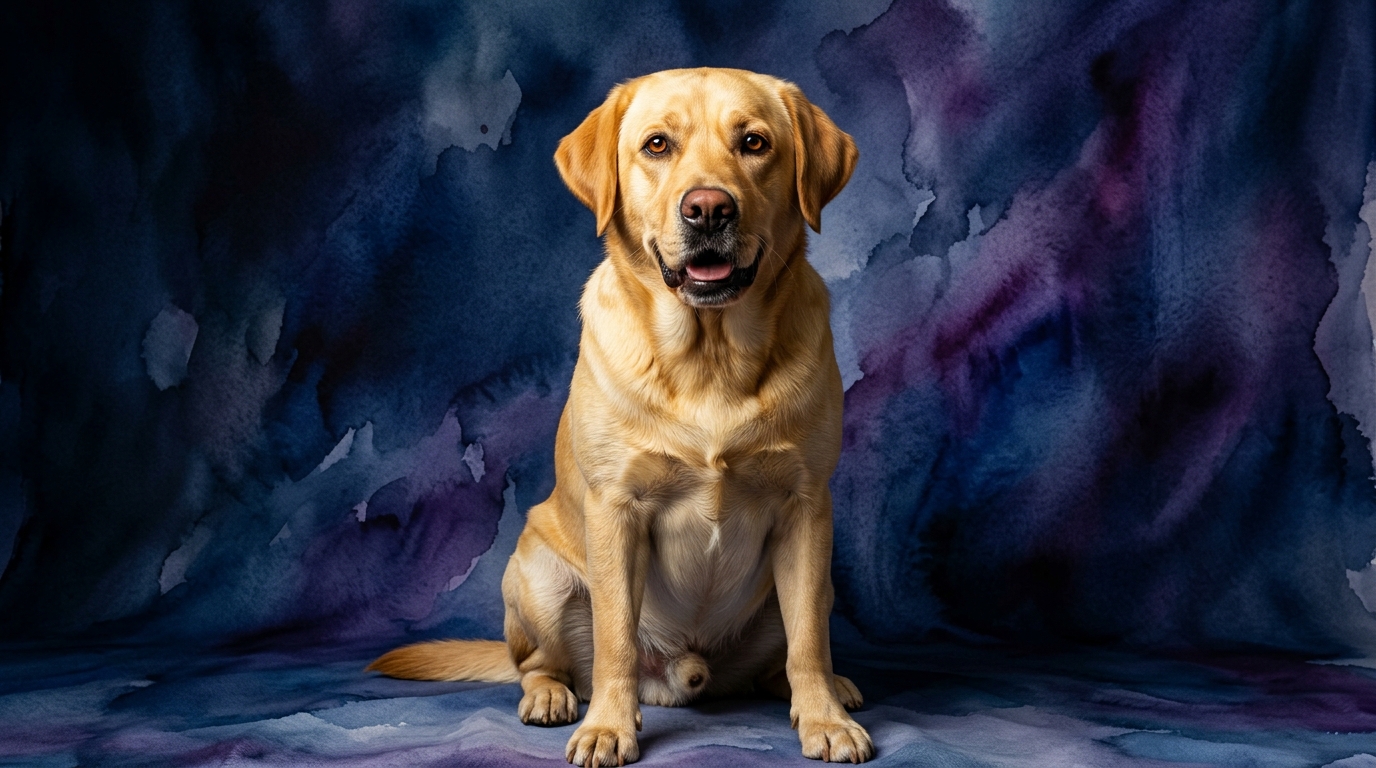
The Cosmic Pet Pet IQ Lab assesses canine intelligence across five key dimensions, providing a granular view of each breed’s cognitive strengths. For the Labrador Retriever, we see a profile optimized for partnership and adaptability, reflected in scores of 4/5 for Problem Solving, 5/5 for Training Speed, 5/5 for Social Intelligence, 4/5 for Instinctive Drive, and 4/5 for Memory. These metrics paint a picture of a dog eager to engage, quick to learn, and attuned to human cues.
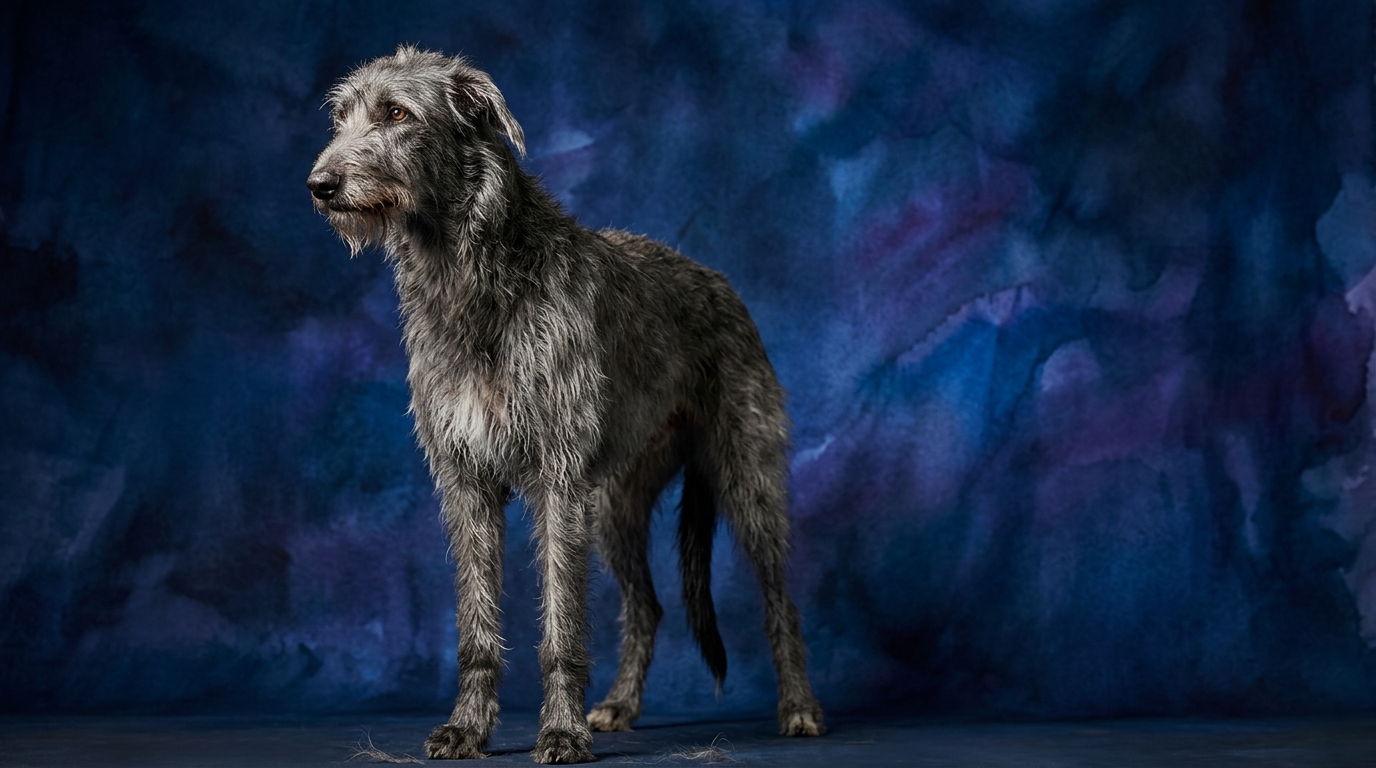
In contrast, the Scottish Deerhound presents a more specialized cognitive blueprint, with consistent scores of 3/5 across all five dimensions: Problem Solving, Training Speed, Social Intelligence, Instinctive Drive, and Memory. This isn't a deficit, but rather an indication of a different focus. Deerhounds, as ancient sighthounds, developed their cognitive abilities for independent pursuit and endurance, rather than the collaborative, multi-faceted tasks typical of a retriever.
Where the Labrador Retriever Excels Cognitively
The Labrador Retriever's cognitive strengths are evident across the board, making them particularly adept at navigating the human world. Their 4/5 score in Problem Solving highlights an ability to figure out novel situations and apply learned solutions effectively, whether it's opening a gate or finding a dropped toy. This isn't just about brute force; it's about understanding cause and effect in a way that serves a task.
A standout trait is their 5/5 Training Speed, which means they grasp new commands and routines with remarkable rapidity. This stems from a combination of eagerness to please, high food motivation, and a natural attentiveness to their human companions. Coupled with a 5/5 Social Intelligence, Labradors are highly responsive to human body language and vocal cues, often anticipating requests. This profound social engagement makes them exceptional partners in complex activities like assistance work or competitive obedience, where precise, timely responses are crucial. Their 4/5 Memory ensures that once a lesson is learned, it tends to stick, contributing to their reputation for reliability and consistency in performance.
Unpacking the Scottish Deerhound's Unique Cognitive Strengths
While the Scottish Deerhound's scores of 3/5 across all categories might seem lower than the Labrador's, it's essential to interpret these within the context of their breed purpose. Their Problem Solving ability, though rated 3/5, is geared towards independent action. A Deerhound excels at assessing a distant movement and calculating the most efficient pursuit path across varied terrain, a vastly different type of problem-solving than retrieving a specific item on command. Their cognitive focus is often on sensory input and instinctive reaction, rather than human-directed puzzles.
The 3/5 for Instinctive Drive, for a sighthound, refers to a powerful, singular urge to chase. This drive, while not always directed by human instruction, is a profound cognitive force that allows them to maintain focus on a moving target over long distances, ignoring distractions that might deter other breeds. Their Memory, also 3/5, might manifest as an excellent recall of vast stretches of land or the precise location of a rabbit warren, rather than a perfect retention of complex trick sequences. Deerhounds possess a quiet observation, often processing information independently before reacting, a nuanced form of intelligence that values autonomy and self-reliance above constant human interaction.
Which is Easier to Train and Why?
When it comes to ease of training, the Labrador Retriever holds a clear advantage, primarily due to their exceptional Training Speed (5/5) and Social Intelligence (5/5). Labradors are bred to work alongside humans, eager to please and highly motivated by positive reinforcement, whether it's a treat, a tossed ball, or simple praise. Their desire to engage and cooperate means they actively seek out what you want from them, making the learning process a joyful, rapid exchange. They thrive on structure and consistency, quickly associating commands with actions and rewards.
The Scottish Deerhound, with a Training Speed of 3/5 and Social Intelligence of 3/5, presents a different training journey. Deerhounds can certainly be trained, but they often require more patience and a deep understanding of their sighthound nature. They learn at a moderate pace and may not always see the immediate value in performing a command if it doesn't align with their inherent desires or comfort. Their independence means they might question the 'why' or simply choose not to comply if they are not sufficiently motivated, often preferring to make their own decisions. Effective training with a Deerhound often involves making tasks feel like their idea, using gentle, consistent methods, and understanding that their primary motivation isn't necessarily human approval but often their own comfort or a specific, high-value reward.
Matching Breeds to Lifestyles: Active vs. Relaxed Owners
For active owners seeking a dynamic partner, the Labrador Retriever is an excellent fit. Their 4/5 Instinctive Drive translates into a robust desire for activity, whether it's retrieving, swimming, hiking, or participating in dog sports. They thrive on consistent mental and physical stimulation, making them ideal companions for those who enjoy an engaged, outdoor-oriented lifestyle. A Labrador will happily join you for a run, a game of fetch, or a training session, always ready for the next adventure and eager to be involved in family activities.
The Scottish Deerhound, while possessing a powerful instinctive drive (3/5) for sprinting, is surprisingly suited for owners who appreciate a more relaxed indoor companion, provided their specific exercise needs are met. They are not dogs that require constant 'work' or high-intensity activity throughout the day. Instead, they need opportunities for vigorous, free-running sprints in a secure area to satisfy their sighthound instincts, followed by long periods of rest and quiet indoors. They are often described as 'couch potatoes' when inside, preferring to lounge gracefully. Therefore, they suit owners who can provide dedicated, intense bursts of exercise, but otherwise appreciate a calm, dignified presence in the home without constant demands for interaction or activity.
The Verdict
Choose the Labrador Retriever if you desire an adaptable, highly trainable companion eager to participate in diverse activities and deeply integrate into family life.
Opt for the Scottish Deerhound if you appreciate a dignified, independent dog that thrives on specific bursts of vigorous exercise, followed by quiet companionship indoors.
🧠 Find Your Pet's IQ Score
Our Pet IQ Lab assessment covers 25+ tests across 5 cognitive dimensions — personalized to your breed.
Take the Full IQ Test →Frequently Asked Questions
Are Scottish Deerhounds difficult to train?
Scottish Deerhounds are not inherently difficult to train, but their independent nature and moderate training speed (3/5) mean they require patience, consistency, and positive reinforcement. They respond best to methods that respect their autonomy and make learning feel like a collaborative effort, rather than strict command-and-control.
Do Labrador Retrievers need a lot of mental stimulation?
Yes, Labrador Retrievers, with their high problem-solving (4/5) and social intelligence (5/5), thrive on mental stimulation. Daily training, puzzle toys, interactive games, and varied experiences are crucial to keep them engaged, preventing boredom and channeling their energy constructively.
Which breed is better for first-time dog owners?
For most first-time dog owners, the Labrador Retriever is generally a more straightforward choice due to their higher training speed, social intelligence, and eagerness to please. Their forgiving nature and adaptability make the learning curve for new owners smoother, fostering a positive first-time experience.