Side-by-Side IQ Profile: Labrador Retriever vs. Tibetan Spaniel
The Cosmic Pet Pet IQ Lab employs a five-dimensional framework to assess canine intelligence, offering a nuanced understanding beyond simple obedience. This framework allows us to dissect the distinct mental aptitudes of the Labrador Retriever and the Tibetan Spaniel, revealing how their historical roles and breed traits influence their cognitive strengths.
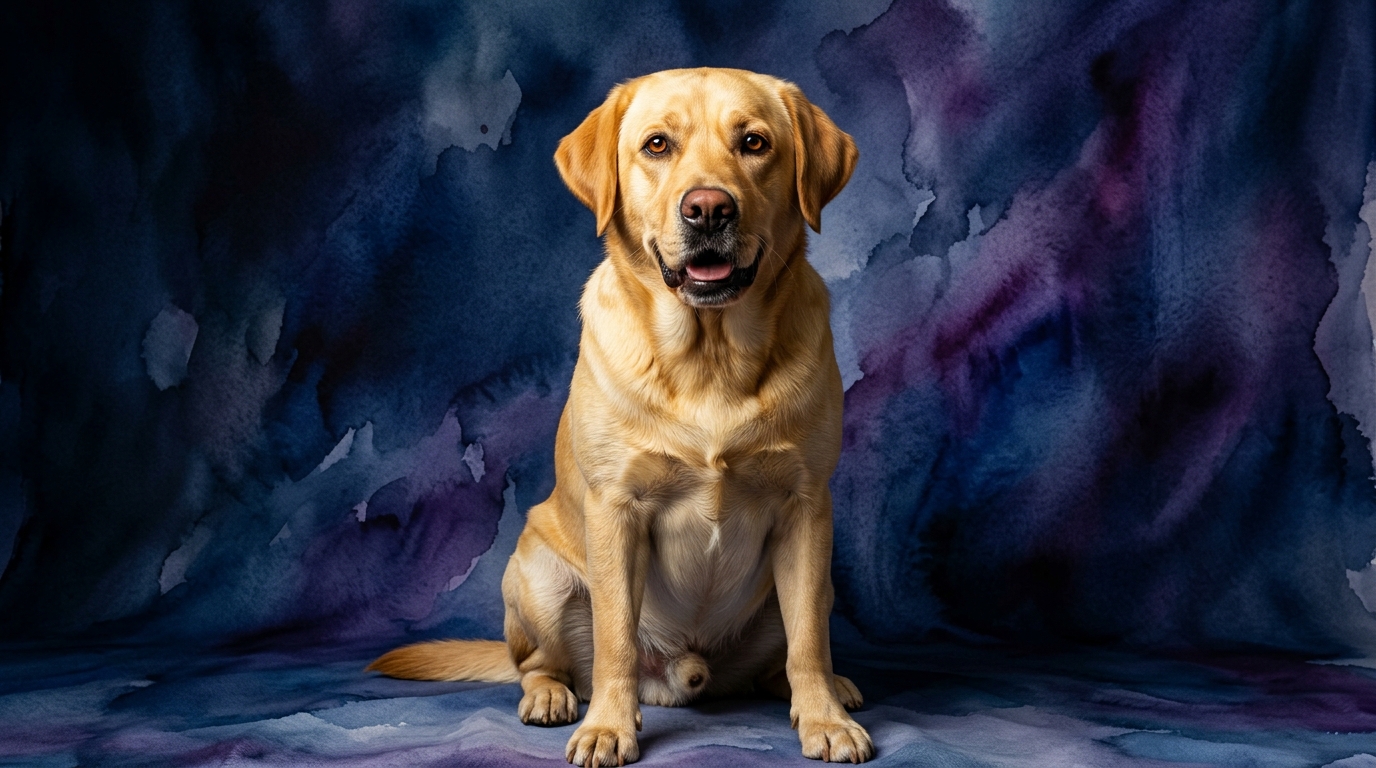
For the **Labrador Retriever**, a Sporting group dog with a Coren rank of #7, their cognitive profile is marked by an exceptional capacity for learning and interaction. Their Problem Solving is rated 4/5, reflecting an aptitude for figuring out practical challenges, from navigating complex scent trails to manipulating objects to achieve a goal. Training Speed is an impressive 5/5, indicating an almost effortless ability to absorb and execute new commands with minimal repetition. Social Intelligence stands at 5/5, showcasing an extraordinary attunement to human emotional states and communication cues, making them highly responsive partners. Their Instinctive Drive, rated 4/5, is strongly geared towards retrieving, water work, and tracking, deeply rooted in their working heritage. Finally, Memory is scored at 4/5, demonstrating a robust ability to recall learned behaviors, locations, and individuals over time.
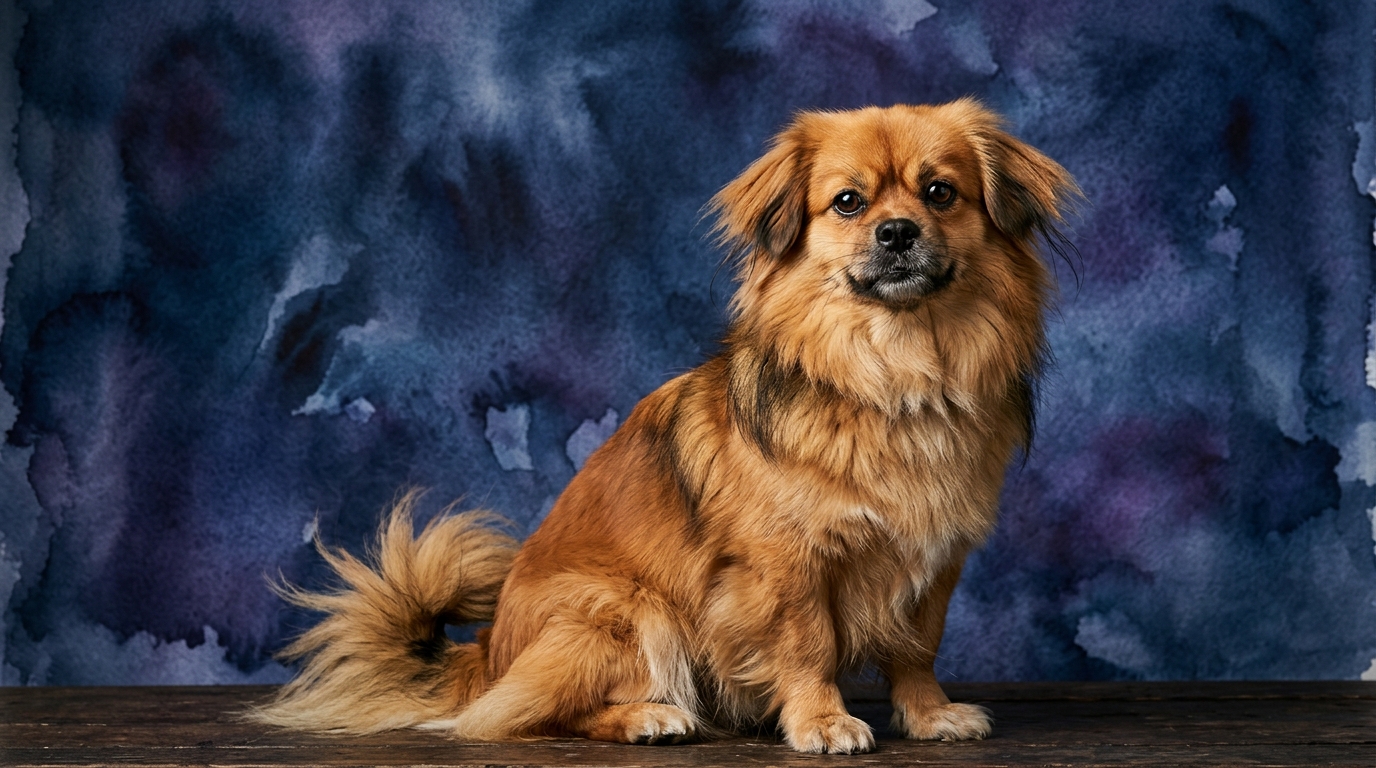
The **Tibetan Spaniel**, a Non-Sporting breed not listed in Coren's ranking, presents a different cognitive landscape, oriented more towards companionship and nuanced observation. Their Problem Solving is rated 3/5, signifying a capacity to tackle challenges, though often with a more thoughtful, less overtly driven approach. Training Speed is 3/5, meaning they learn at a moderate pace, requiring consistent and patient methods to solidify new skills. Social Intelligence also scores 3/5; while deeply bonded with their family, their social circle is often more selective, and they can be reserved with strangers. Instinctive Drive is 3/5, reflecting a natural inclination for vigilance and companionship, a legacy of their historical role as watchful companions in monasteries. Their Memory is rated 3/5, allowing them to retain information and routines adequately, though perhaps requiring more frequent reinforcement for less common tasks.
Where the Labrador Retriever Excels Cognitively
The Labrador Retriever's cognitive strengths are particularly evident in their rapid acquisition of new information and their profound ability to collaborate with humans. Their unparalleled Training Speed (5/5) means they can grasp intricate command sequences and specialized tasks with remarkable quickness, often understanding a new cue in just a few repetitions. This makes them prime candidates for advanced obedience, complex service dog roles, or competitive dog sports where precision and speed are paramount. Their Problem Solving acumen (4/5), coupled with their strong Instinctive Drive (4/5) for retrieving and scent work, allows them to excel in practical, real-world tasks. For example, a Labrador might instinctively figure out how to retrieve a specific item from a cluttered area or follow a complex scent trail through varied terrain, demonstrating both ingenuity and purpose.
Beyond task execution, their Social Intelligence (5/5) is a cornerstone of their cognitive superiority in cooperative settings. Labradors are exceptionally attuned to human body language, vocal inflections, and emotional states, allowing for seamless communication and an almost intuitive understanding of human intentions. This deep empathy and responsiveness are critical for their success as guide dogs, therapy animals, or search and rescue partners, where anticipating human needs and reacting appropriately can be life-saving. They process social cues rapidly and adjust their behavior accordingly, making them highly adaptable and effective team members. Their robust Memory (4/5) further supports these strengths, enabling them to recall vast repertoires of commands, the locations of specific objects, and the identities of numerous individuals, sustaining their working capabilities over extended periods without significant skill degradation.
Where the Tibetan Spaniel Shines Cognitively
While the Tibetan Spaniel may not possess the Labrador's rapid acquisition speed, their cognitive profile emphasizes a distinct and valuable set of mental aptitudes centered on observant discernment and steadfast, family-focused intelligence. Their Problem Solving skills (3/5) are often applied in a more strategic, less overtly energetic manner. A Tibetan Spaniel might not immediately charge into a situation but will instead observe, weigh options, and then proceed with a calculated approach, often finding clever, if not always direct, solutions to household puzzles or to gain access to a favorite sunbeam. This observational intelligence, combined with their Social Intelligence (3/5), which, though not as universally effusive as a Lab's, is deeply focused on their chosen family, makes them perceptive companions who read their immediate human household with quiet precision.
The Tibetan Spaniel’s Instinctive Drive (3/5) is rooted in vigilance, a historical trait from their origins as temple guardians and companions; they are alert to changes in their domain and demonstrate a nuanced understanding of their territory and its security. This translates into a discerning Memory (3/5) for who belongs and who doesn't, and a consistent application of learned routines within their established comfort zone. They remember their daily schedule, their preferred human's habits, and the layout of their home with an acute awareness. Their intelligence is less about broad application and more about astute, focused awareness within their personal sphere, making them excellent, subtle communicators within their family unit, often conveying needs or desires through specific glances or gentle nudges rather than boisterous demands. They possess a quiet confidence in their routines and environment, indicating a secure and well-developed understanding of their world.
Training Ease: Who Learns Faster?
When it comes to training, the difference in cognitive profiles between the Labrador Retriever and the Tibetan Spaniel is quite pronounced, primarily due to their Training Speed ratings. The Labrador Retriever, with its exceptional 5/5 Training Speed, is remarkably receptive to instruction. They possess an innate eagerness to please and are often highly motivated by food, toys, or praise, which makes them incredibly quick to form associations between commands and desired behaviors. They thrive on structured training sessions and consistent positive reinforcement, frequently mastering new commands in just a handful of repetitions. This rapid learning curve means that owners can progress through various levels of obedience and specialized training with relative efficiency, tackling complex sequences and nuanced skills without prolonged frustration. Their high social intelligence further aids this process, as they are adept at reading their trainer's cues and intentions, facilitating a smooth and collaborative learning experience.
In contrast, the Tibetan Spaniel’s Training Speed of 3/5 indicates a more deliberate learning process. While certainly capable of learning and becoming well-mannered companions, they typically require more repetition, patience, and creative engagement to maintain their focus. Their independent nature, a characteristic often observed in companion breeds developed for close human interaction rather than specific working tasks, means they might occasionally display a mind of their own or question the immediate necessity of a command. This doesn't signify a lack of intelligence, but rather a different approach to learning; they might need to understand the 'why' or find the activity personally rewarding to fully commit. Owners of Tibetan Spaniels benefit from making training feel like a collaborative game rather than a strict lesson, utilizing positive reinforcement, short sessions, and varied environments to keep them engaged. While they may not achieve the same speed of acquisition as a Labrador, consistent and empathetic methods will undoubtedly result in a well-behaved and responsive Tibetan Spaniel, just on a slightly longer and more nuanced timeline.
Matching Canine Minds to Owner Lifestyles
The distinct cognitive profiles of the Labrador Retriever and the Tibetan Spaniel make them suitable for vastly different owner lifestyles, underscoring the importance of matching a dog's inherent abilities with a human's daily routine and expectations. For **active owners** seeking a dynamic and engaged canine partner, the Labrador Retriever is an exceptional choice. Their robust cognitive makeup – including a 4/5 Problem Solving aptitude and a 4/5 Instinctive Drive for retrieving and activity – means they thrive on mental and physical challenges. These dogs excel in organized dog sports like agility, competitive obedience, flyball, or field trials, and are equally content as partners for hiking, swimming, or extensive games of fetch. They require owners who can provide consistent training, varied tasks, and ample opportunities for vigorous exercise, ideally for several hours daily. Their high Social Intelligence (5/5) also makes them ideal for service work or therapy roles, where understanding human needs and interacting positively with many people is paramount. A Labrador will integrate seamlessly into an adventurous family, eagerly participating in all activities and demonstrating a robust capacity for learning and doing.
Conversely, the Tibetan Spaniel, with its moderate scores across the board, is an excellent fit for **relaxed owners** who appreciate a discerning companion with lower demands for intense, continuous activity. Their 3/5 Instinctive Drive for vigilance and companionship translates into a dog that is content with moderate daily walks and engaging in the ebb and flow of family life, often preferring to observe from a comfortable perch rather than constantly seeking active engagement. While they certainly benefit from mental stimulation through puzzle toys and short, engaging training sessions, they do not possess the relentless drive for "work" or high-energy output seen in the Labrador. Owners who enjoy a quiet evening, a loyal and observant presence by their side, and a dog that is alert to their surroundings but not overly demanding will find the Tibetan Spaniel's cognitive makeup fits perfectly into a more tranquil household rhythm. They offer deep, focused companionship without requiring an extensive commitment to structured physical or mental exertion, making them ideal for individuals or families with a more sedate pace of life.
The Verdict
Choose the Labrador Retriever if you seek a highly trainable, energetic partner for demanding activities, complex tasks, and a deeply interactive working relationship, thriving on rapid learning and robust physical engagement.
Opt for the Tibetan Spaniel if you desire a discerning, observant companion who appreciates a calmer home environment and offers steadfast loyalty, preferring moderate activity and subtle social interactions.
🧠 Find Your Pet's IQ Score
Our Pet IQ Lab assessment covers 25+ tests across 5 cognitive dimensions — personalized to your breed.
Take the Full IQ Test →Frequently Asked Questions
Is a Labrador Retriever easier to train than a Tibetan Spaniel?
Generally, yes. Labrador Retrievers have a training speed rating of 5/5, indicating they grasp new commands and routines with exceptional rapidity and eagerness. Tibetan Spaniels, with a 3/5 rating, require more consistent repetition and patience, though they are certainly capable of learning.
Which breed is better at problem-solving?
The Labrador Retriever exhibits a higher problem-solving aptitude, rated 4/5, enabling them to navigate complex situations and work towards goals effectively. The Tibetan Spaniel, rated 3/5, can solve problems but often takes a more observational or trial-and-error approach.
How do their social intelligence levels compare?
Labrador Retrievers possess a superior social intelligence at 5/5, making them highly attuned to human cues and emotions, fostering deep cooperative bonds. Tibetan Spaniels, rated 3/5, form strong, discerning bonds with their immediate family but can be more reserved with outsiders.