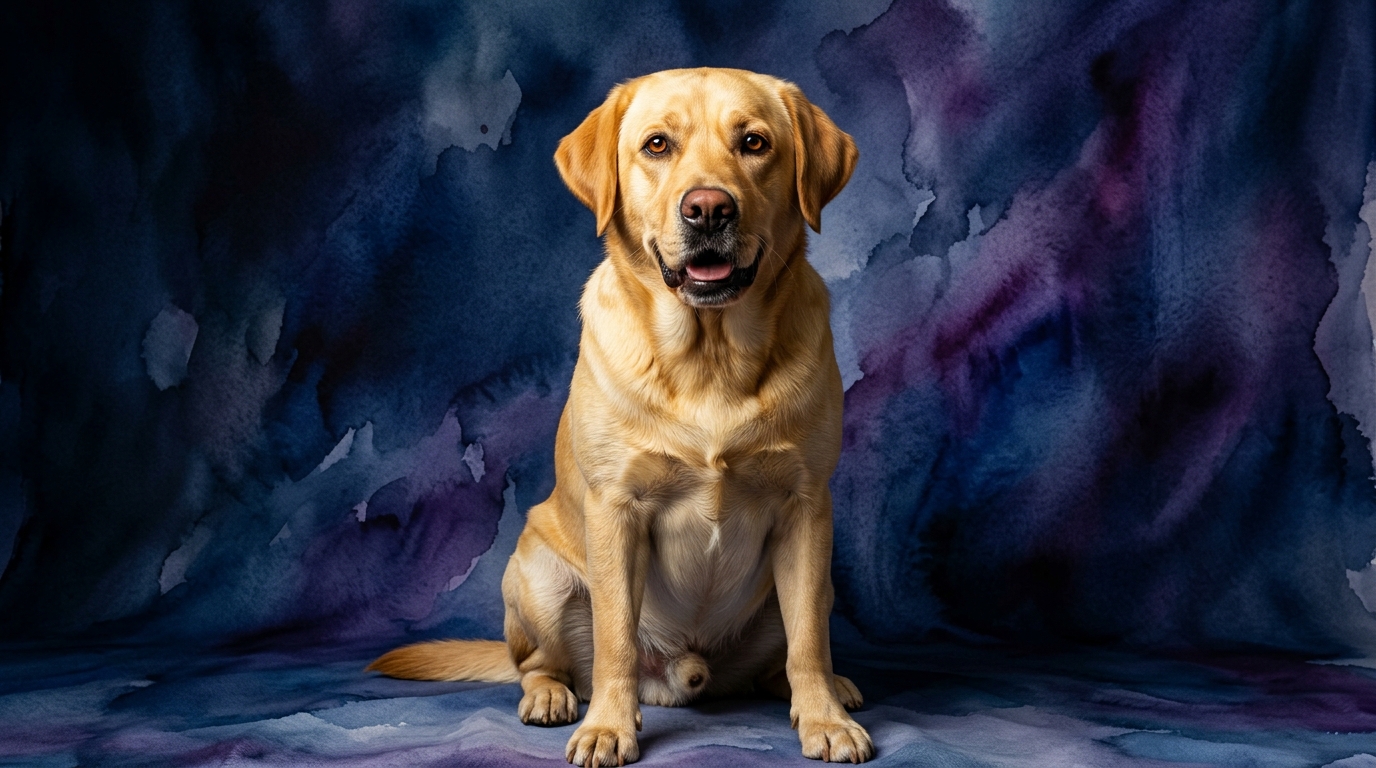
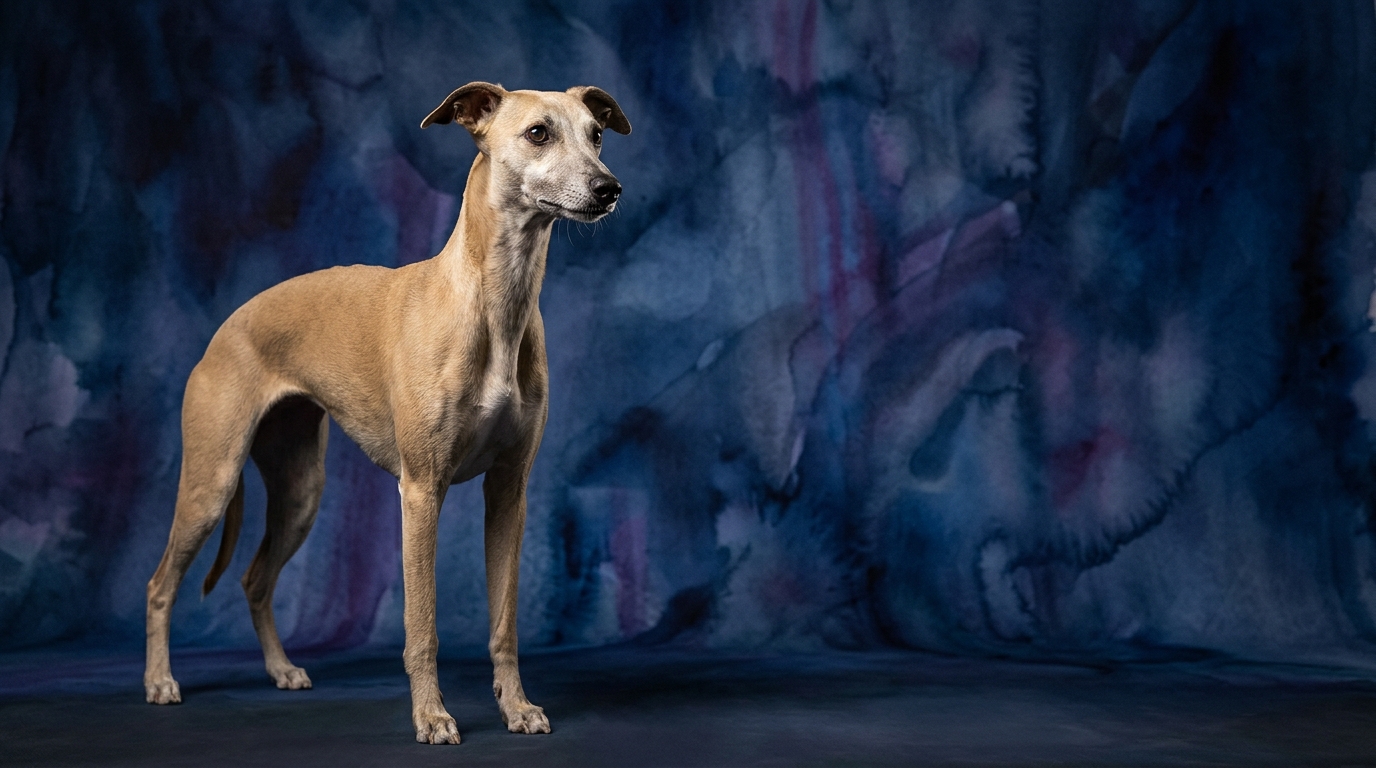
Side-by-Side IQ Profile: Labrador Retriever vs. Whippet
The Cosmic Pet Pet IQ Lab provides a detailed lens through which to examine the cognitive strengths of these two distinct breeds:
**Labrador Retriever (Sporting Group, Coren Rank #7):** Problem Solving (4/5): Exhibit a strong capacity for figuring out novel situations, often applying learned strategies to achieve goals, particularly in cooperative tasks like retrieving. Training Speed (5/5): Demonstrate exceptional readiness to grasp new commands and routines quickly, showing high focus and eagerness to please during instruction. Social Intelligence (5/5): Possess remarkable aptitude for understanding human cues, emotions, and intentions, making them highly attuned companions and effective working partners. Instinctive Drive (4/5): Driven by their history as retrievers, they have a robust natural inclination for carrying, fetching, and engaging with objects, often with persistence. Memory (4/5): Show a solid ability to retain learned commands, locations, and social interactions over time, aiding consistent performance.
**Whippet (Hound Group, Coren Rank #51):** Problem Solving (3/5): Their approach is often direct and less inclined towards complex, multi-step solutions unless highly motivated by prey drive or comfort. Training Speed (2/5): May require more repetitions to master new commands, often needing patient, positive reinforcement tailored to their independent nature. Social Intelligence (4/5): Possess a good understanding of their human companions, forming close bonds and showing sensitivity, though they might not seek constant instruction. Instinctive Drive (5/5): Exhibit a powerful, innate drive for chasing and pursuit, characteristic of sighthounds, with intense focus on movement. Memory (3/5): Retain important information related to their environment and routines, but may not show the same detailed recall for complex sequences.
Where the Labrador Retriever Wins Cognitively
The Labrador Retriever's Coren rank of #7 and high IQ scores underscore their strengths in cooperative cognition. Their 4/5 Problem Solving score signifies adaptability in tasks like complex scent work or service dog duties, reflecting generations of selective breeding for human partnership. The Labrador's perfect 5/5 in Training Speed highlights their cognitive efficiency in acquiring new behaviors, driven by an eagerness to comply and strong focus. This quick uptake is deeply connected to their 5/5 Social Intelligence, which allows them to interpret human cues seamlessly. This strong social cognition facilitates their roles in therapy, assistance, and search and rescue, where understanding human signals is crucial. Their 4/5 Memory ensures learned skills are retained, enabling consistent performance.
Where the Whippet Wins Cognitively
The Whippet, while possessing a distinct cognitive blueprint, truly excels in areas reflecting its sighthound heritage. Their standout 5/5 in Instinctive Drive represents a finely tuned mental faculty for rapid detection and pursuit of movement, a cognitive specialization honed for hunting by sight. This drive isn't just physical; it's a quick processing of visual stimuli into action. While their Training Speed (2/5) suggests a different learning style, their Problem Solving (3/5) often manifests in efficient, direct solutions for personal goals, like finding the quickest route to a comfortable spot. Their Social Intelligence (4/5) indicates a subtle yet strong understanding of their human family, often expressed through quiet affection and an ability to discern mood without constant verbal cues, making them sensitive companions.
Which is Easier to Train and Why
The Labrador Retriever decidedly holds the advantage in training ease, largely due to their exceptional 5/5 Training Speed and 5/5 Social Intelligence. Labradors are attentive partners, quickly grasping and executing commands. Their inherent desire to please, coupled with strong memory, means they learn new behaviors reliably. They thrive on positive reinforcement and consistent direction, viewing training as cooperative engagement. Their natural inclination for eye contact, sustained attention, and ready response to cues makes structured lessons highly effective.
The Whippet, with a Training Speed of 2/5, presents a different dynamic. Their sighthound heritage favors independent action. This translates to a discerning approach; they aren't inherently motivated by eagerness to please in the same way. While capable, their focus is easily diverted by visual stimuli, and their strong Instinctive Drive (5/5) often prioritizes moving objects over commands. Training a Whippet demands patience, creativity, and finding motivators like play, rather than relying solely on traditional obedience. Their learning is slower, requiring more repetitions in an engaging, low-pressure environment.
Which Suits Active Owners vs. Relaxed Owners
The choice between a Labrador Retriever and a Whippet based on owner lifestyle is quite distinct. Labrador Retrievers, with high scores in Problem Solving, Training Speed, and Social Intelligence, thrive with active owners who engage them in structured activities. Their robust instinctive drive for retrieving and desire for mental stimulation make them ideal for partners in hiking, swimming, dog sports, or service work. These dogs benefit immensely from having a "job" and regular opportunities to use their cooperative intelligence, fitting active families seeking a highly interactive companion.
Conversely, Whippets, despite their powerful Instinctive Drive for short bursts of speed, suit relaxed owners who appreciate quiet companionship. Their cognitive profile, less geared towards constant cooperative tasks, allows them to be content in a calm home, provided their need for a good sprint is met daily. They are not demanding of constant mental puzzles. Their social intelligence makes them sensitive, affectionate housemates who often prefer snuggling to constant outdoor adventures, making them an excellent choice for individuals seeking a gentle, relatively low-maintenance indoor companion with an appreciation for exhilarating outdoor sprints.
The Verdict
Choose a Labrador Retriever if you seek a highly cooperative, eager-to-please companion for structured activities, training, and a strong bond centered on shared tasks.
Opt for a Whippet if you desire a gentle, independent companion who thrives on intense bursts of activity followed by quiet relaxation, and appreciate a subtle, affectionate bond.
🧠 Find Your Pet's IQ Score
Our Pet IQ Lab assessment covers 25+ tests across 5 cognitive dimensions — personalized to your breed.
Take the Full IQ Test →Frequently Asked Questions
Is a Labrador Retriever or a Whippet better for a first-time dog owner?
A Labrador Retriever is generally more forgiving for a first-time owner due to their high training speed and eager-to-please nature, making them easier to guide. Whippets require a more patient and understanding approach, particularly with their independent streak in training.
Do Whippets require less mental stimulation than Labradors?
Whippets generally require less structured mental stimulation in terms of complex problem-solving or obedience tasks compared to Labradors. Their primary cognitive need is often met through opportunities for intense, short bursts of their instinctive chase drive, followed by ample rest.
How do their social intelligence scores impact their family life?
The Labrador's 5/5 social intelligence means they are highly attuned to family dynamics, often seeking to be involved and responding readily to interactions. The Whippet's 4/5 social intelligence indicates a strong, sensitive bond with their family, but they might express it more subtly and value personal space more, without constant need for interactive engagement.