Side-by-Side Cognitive Profile
The Cosmic Pet Pet IQ Lab employs five key dimensions to evaluate canine intelligence, offering a nuanced perspective beyond simple rankings. Problem Solving assesses a dog's ability to navigate novel situations and figure out solutions independently. Training Speed measures how quickly a dog grasps and retains new commands or behaviors. Social Intelligence reflects their capacity to interpret and respond appropriately to human and canine cues. Instinctive Drive quantifies the strength of their innate working behaviors, such as hunting or herding. Finally, Memory evaluates their ability to recall learned information and experiences over time. These metrics provide a comprehensive look at how each breed's mind operates.
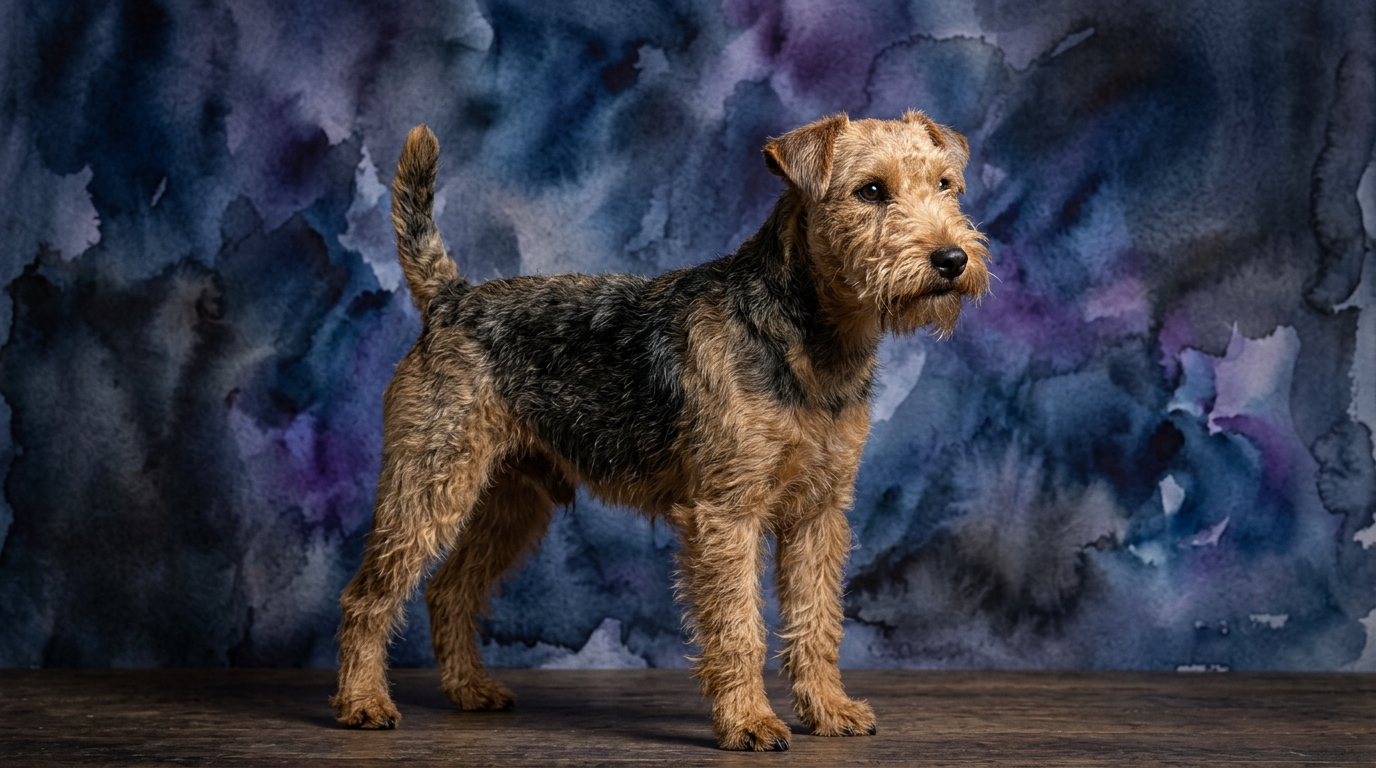
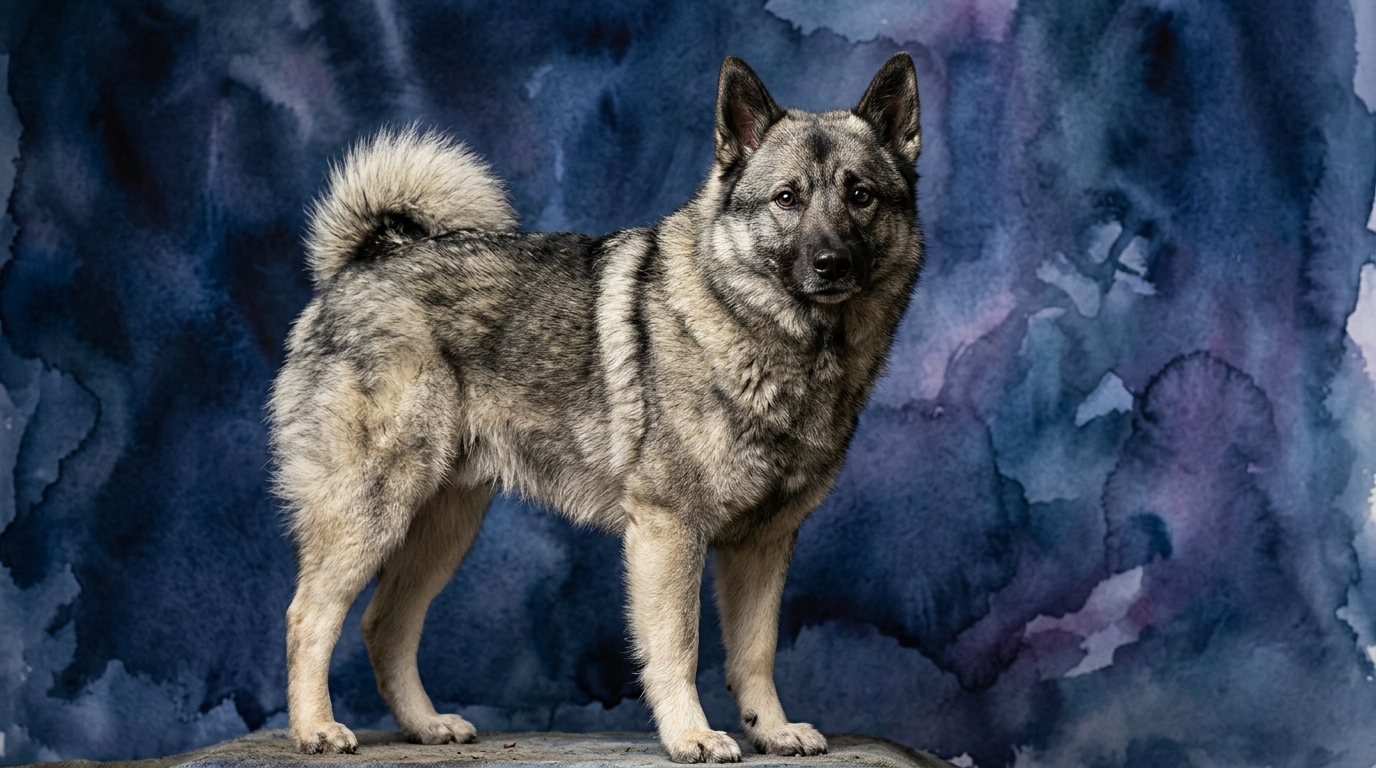
The Lakeland Terrier, a tenacious member of the Terrier group, consistently scores a 3 out of 5 across all five cognitive dimensions: Problem Solving, Training Speed, Social Intelligence, Instinctive Drive, and Memory. This indicates a dog with solid, consistent cognitive abilities that are neither exceptional nor significantly challenged in any single area. They approach new tasks with a moderate capacity for independent thought and learn at a steady pace, requiring consistent repetition. Their social awareness is adequate, their innate drives are present but manageable, and their memory is reliable for routine commands. The Norwegian Elkhound, classified within the Hound group and recognized by Dr. Stanley Coren as ranking #36 in working and obedience intelligence, presents a different cognitive blueprint. This breed achieves a higher 4 out of 5 in Problem Solving, Training Speed, and Memory, while matching the Lakeland Terrier with a 3 out of 5 in Social Intelligence and Instinctive Drive. This profile suggests a canine capable of quicker learning, more efficient problem-solving, and superior retention of information, making them adept at mastering complex tasks while maintaining comparable social awareness and innate drives to the terrier.
Where the Lakeland Terrier's Cognition Shines
While the Lakeland Terrier's cognitive scores are generally moderate compared to the Elkhound, their particular blend of traits fosters a unique kind of mental resilience and adaptability. Their 3/5 in Problem Solving, coupled with a persistent terrier temperament, means they approach new puzzles with a determined, iterative method. They might not solve a new challenge instantly, but their tenacity often leads to eventual success, demonstrating a gritty resourcefulness. This cognitive style can be highly effective in environments where sheer will and repeated attempts are more valuable than rapid, intellectual leaps, such as navigating complex terrain or persistently tracking a scent.
Furthermore, the Lakeland's 3/5 for Instinctive Drive, while not exceptionally high, is precisely calibrated for specific working roles that require focused, sustained engagement. For owners involved in earthdog trials or similar activities, this drive, combined with their moderate problem-solving and memory, translates into a dog that can methodically work a task, demonstrating self-reliance and a focused determination to achieve a goal. Their consistent cognitive profile across all dimensions suggests a well-rounded and stable mental makeup, capable of handling a variety of situations without extreme highs or lows in specific cognitive functions, making them dependable in their own unique way.
Where the Norwegian Elkhound Excels Cognitively
The Norwegian Elkhound's higher scores in Problem Solving, Training Speed, and Memory clearly position them as a cognitively efficient learner and problem-solver. Their 4/5 in Problem Solving indicates a dog that can quickly assess new situations and devise effective solutions, often with fewer trial-and-error attempts than breeds with lower scores. This makes them highly capable in scenarios demanding independent thought and quick decision-making, such as navigating challenging terrain during a hunt or figuring out how to manipulate a complex puzzle toy. They are adept at grasping the underlying principles of a task, rather than just memorizing a sequence.
The Elkhound's superior 4/5 in Training Speed and Memory translates directly into a dog that acquires new commands and behaviors rapidly and retains them over extended periods. This cognitive advantage means fewer repetitions are needed during training sessions, and once learned, commands are less likely to be forgotten. This makes them excellent candidates for advanced obedience, canine sports like agility or rally, and even complex working roles where precision and consistent recall are paramount. Their ability to quickly process and store information allows them to build a broad repertoire of skills and respond reliably to intricate cues, making them highly adaptable partners for a variety of pursuits.
Training Dynamics: Elkhound vs. Terrier
When it comes to ease of training, the Norwegian Elkhound generally presents a more straightforward experience due to its higher scores in Training Speed and Memory. An Elkhound's ability to grasp new commands quickly (4/5) means that owners will spend less time on initial repetitions for basic obedience, and their stronger memory (4/5) ensures that these commands are retained more reliably over time. While they possess an independent hound streak (Instinctive Drive 3/5), their cognitive efficiency allows them to understand the desired outcome of training more readily. They often respond well to positive reinforcement and clear, consistent communication, eager to engage in activities that challenge their intellect and provide a sense of purpose, which aligns with their historical role as working dogs.
The Lakeland Terrier, with its consistent 3/5 across Problem Solving, Training Speed, and Memory, requires a more patient and creatively varied approach to training. Their moderate training speed means they will need more repetitions to solidify new commands, and their memory, while reliable for routine, might not hold complex sequences with the same tenacity as the Elkhound. The Lakeland's terrier spirit also contributes to their independent nature; they may question the necessity of a command if it doesn't align with their immediate perceived benefit or innate drive. Owners need to be highly engaging, consistent, and utilize diverse positive reinforcement strategies to keep a Lakeland motivated, transforming training into a game rather than a chore to overcome their inherent tenacity and moderate learning pace.
Matching Canine Cognition to Lifestyle
For active owners who thrive on structured outdoor adventures and complex canine activities, the Norwegian Elkhound is often an ideal match. Their higher problem-solving and memory scores mean they excel in activities like hiking, backpacking, competitive obedience, or tracking, where their ability to learn intricate routines and make independent decisions in varying environments is a significant asset. They relish mental challenges and benefit from consistent engagement that taps into their cognitive capabilities, making them excellent partners for owners who enjoy teaching new skills and participating in dog sports. While they possess an instinctive drive, their cognitive strengths allow for effective channeling of this energy into productive pursuits, leading to a well-adjusted companion.
The Lakeland Terrier, while also an active breed, suits owners who appreciate a dog with a spirited, independent personality and enjoy a more varied, perhaps less formally structured, engagement. Their moderate cognitive scores across the board mean they thrive on playful challenges and activities that engage their terrier tenacity, such as earthdog trials, agility courses, or long walks exploring new scents. They require an owner dedicated to consistent, patient, and engaging training methods that respect their independent streak and provide ample mental stimulation to prevent boredom. While not suited for truly 'relaxed' owners, they are an excellent choice for active individuals who find joy in a dog's spirited character and are prepared to channel that energy and moderate cognitive ability into a fulfilling and dynamic partnership.
The Verdict
Choose the Lakeland Terrier if you appreciate a spirited, independent companion who thrives on playful challenges and requires an owner dedicated to patient, engaging training methods.
Opt for the Norwegian Elkhound if you seek a robust, intelligent partner capable of quickly mastering complex tasks, ideal for active lifestyles that include structured training and outdoor adventures.
🧠 Find Your Pet's IQ Score
Our Pet IQ Lab assessment covers 25+ tests across 5 cognitive dimensions — personalized to your breed.
Take the Full IQ Test →Frequently Asked Questions
Is the Lakeland Terrier difficult to train?
Lakeland Terriers possess a moderate training speed, meaning they require consistent, patient, and engaging methods to learn commands effectively. Their independent terrier spirit can make them less inclined to repeat actions without clear motivation, so varied positive reinforcement is key.
Do Norwegian Elkhounds require a lot of mental stimulation?
Yes, Norwegian Elkhounds, with their higher problem-solving and memory scores, thrive on mental challenges and structured learning opportunities. They benefit from puzzle toys, advanced obedience training, and activities that engage their cognitive abilities beyond just physical exercise.
How do their social intelligence scores compare?
Both breeds received a 3/5 for social intelligence, indicating they are generally capable of reading and responding to human and canine cues adequately. While neither is exceptional in this area, they can integrate well into family life and interact appropriately with others given proper socialization.